

Çayönü Tepesi: Traces of a 12,000-year-old life...
The 12,000-year-old Çayönü Tepesi in the Ergani district of Diyarbakır reveals settlement and lifestyle patterns from the Neolithic period to the present day. Findings from the excavations shed light on the region's history of agriculture, animal husbandry, and architecture, showcasing the richness of its cultural heritage. Çayönü stands out as one of Turkey's most significant archaeological settlement areas.



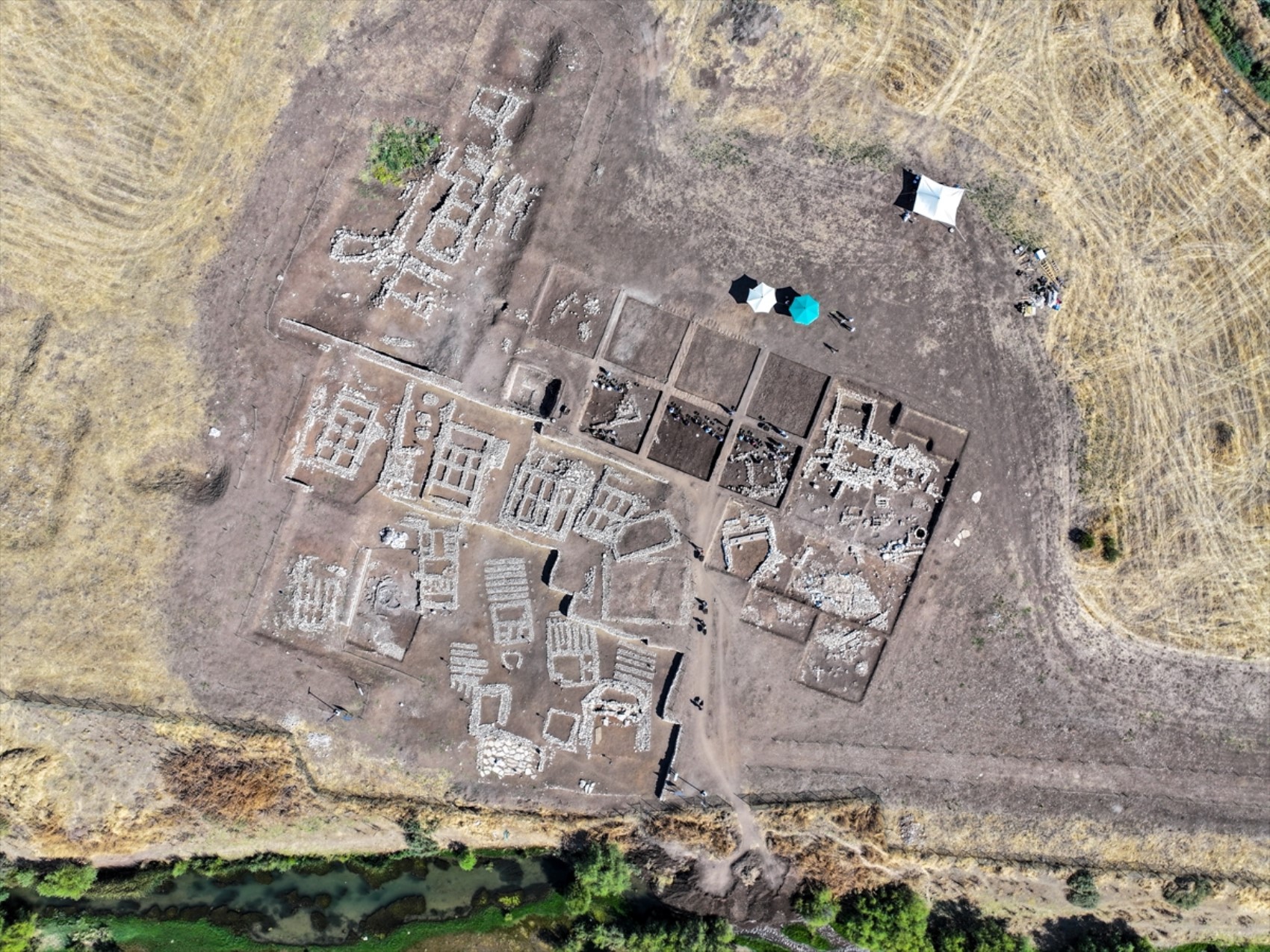
The 12,000-year-old Çayönü Tepesi in the Ergani district of Diyarbakır sheds light on the history of civilization with its findings.
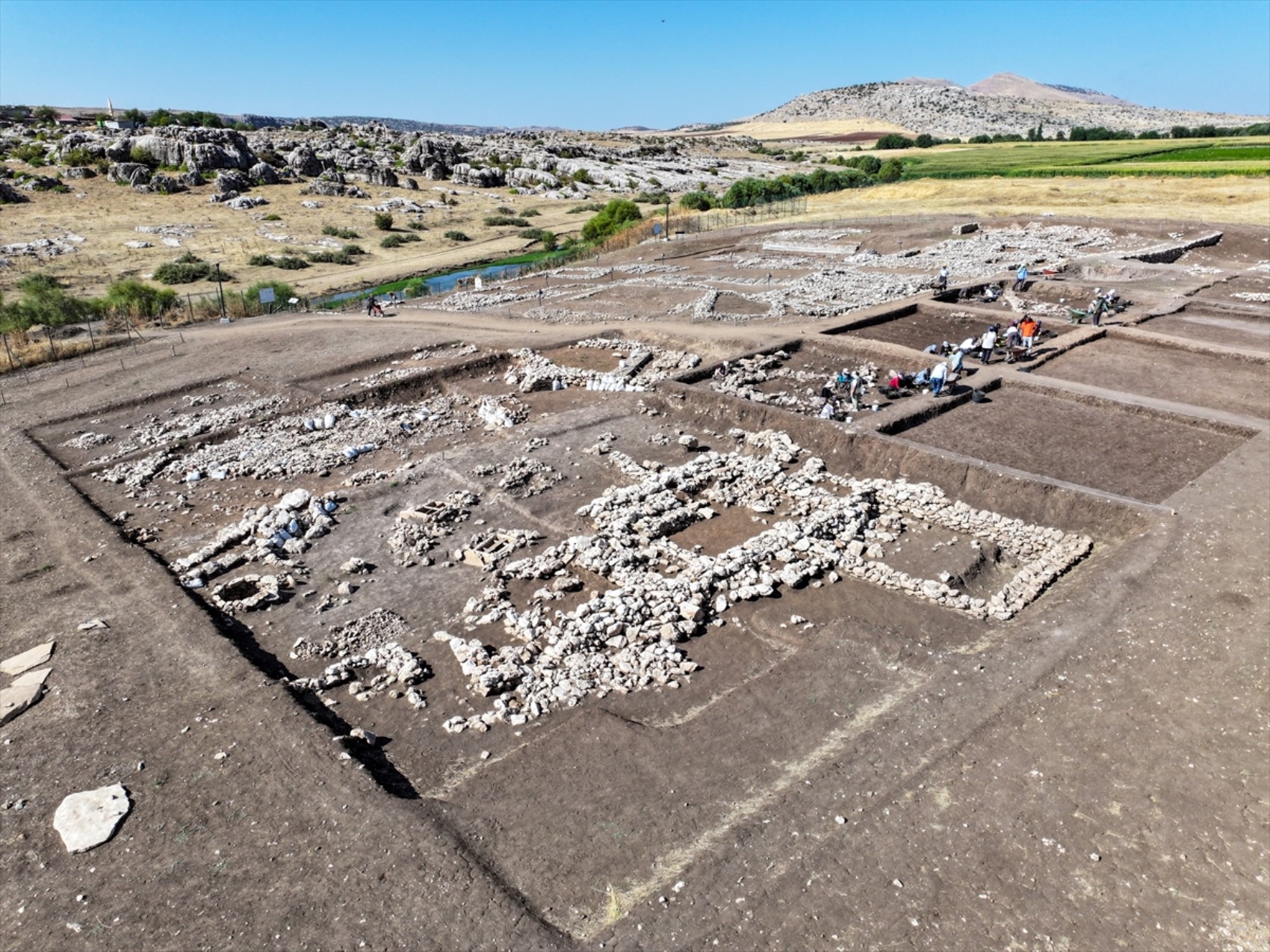
Located on the Ergani Plain, along the banks of the Tigris River, Çayönü, which has settlement phases dating back to 10,000 BC, was discovered during surface surveys in 1963.
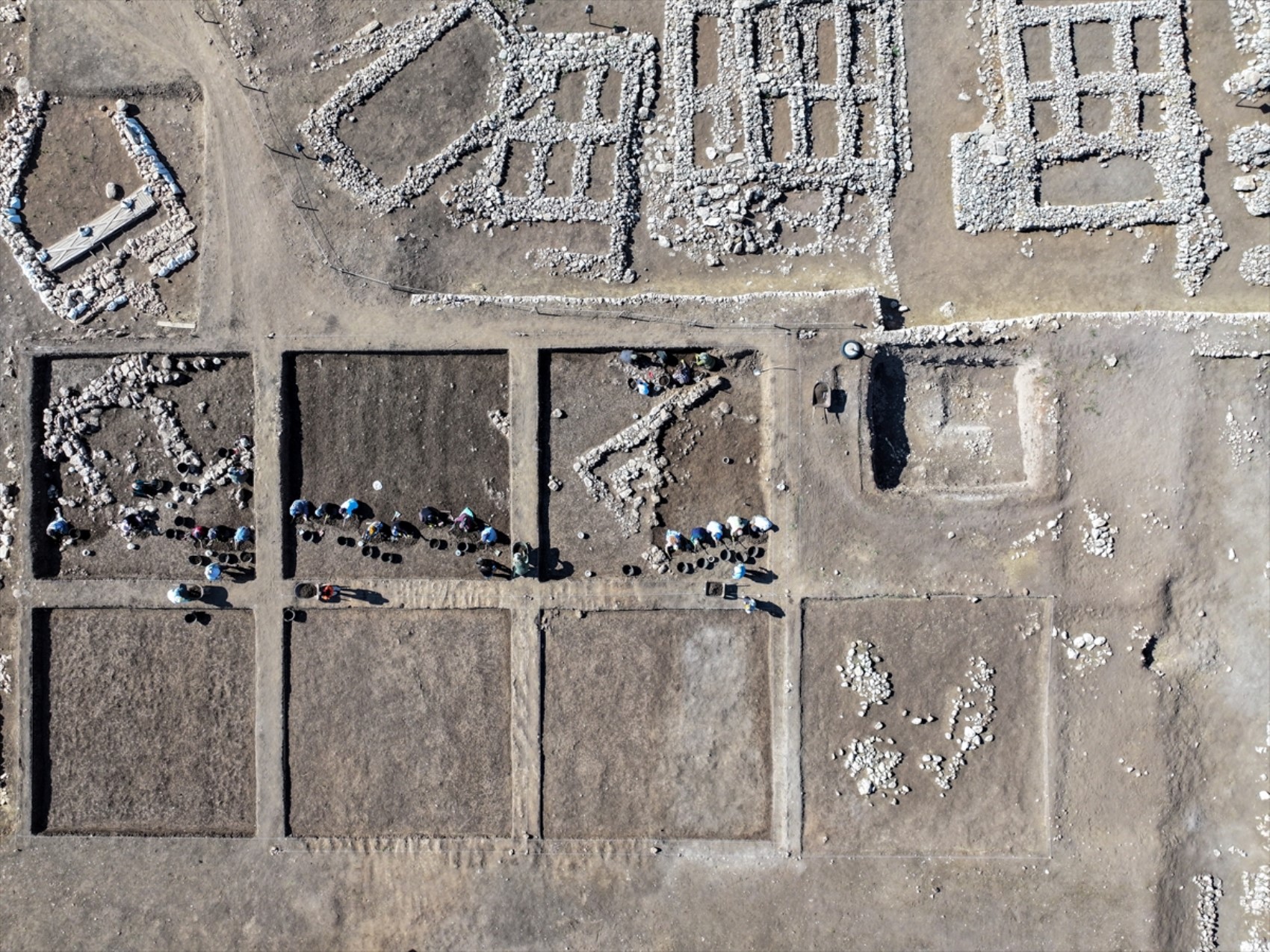
The first excavations were initiated in 1964 by Dr. Halet Çambel and Prof. Dr. Robert J. Braidwood. Çayönü Tepesi is a prehistoric mound located just north of the village of Hilar, formerly known as Kotaberçem (Çayboyu).
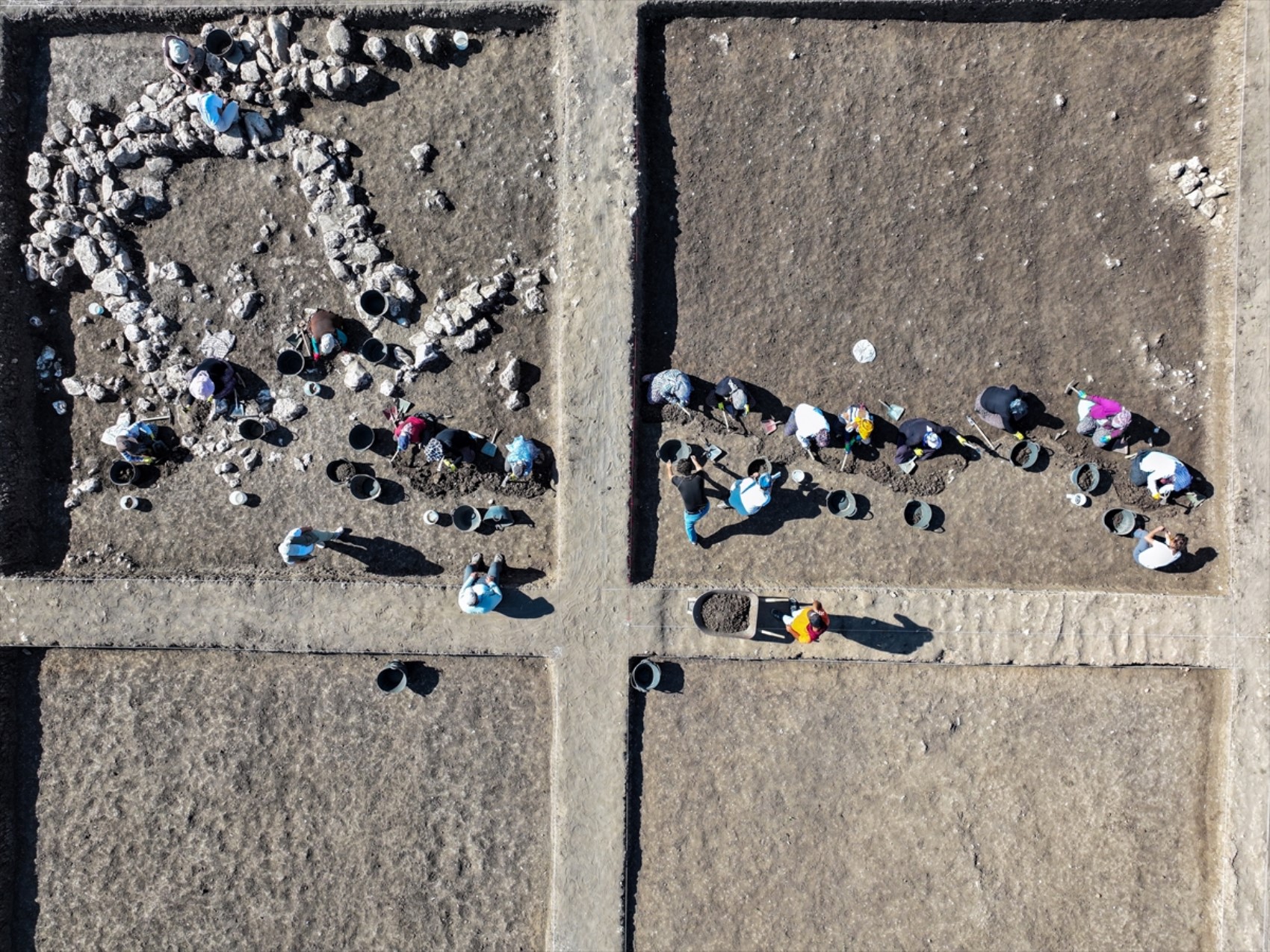
Shedding light on the history of world civilization, Çayönü Tepesi is among the places where the transition from nomadism to settled life, and from hunting and gathering to production and the beginnings of agriculture, took place.
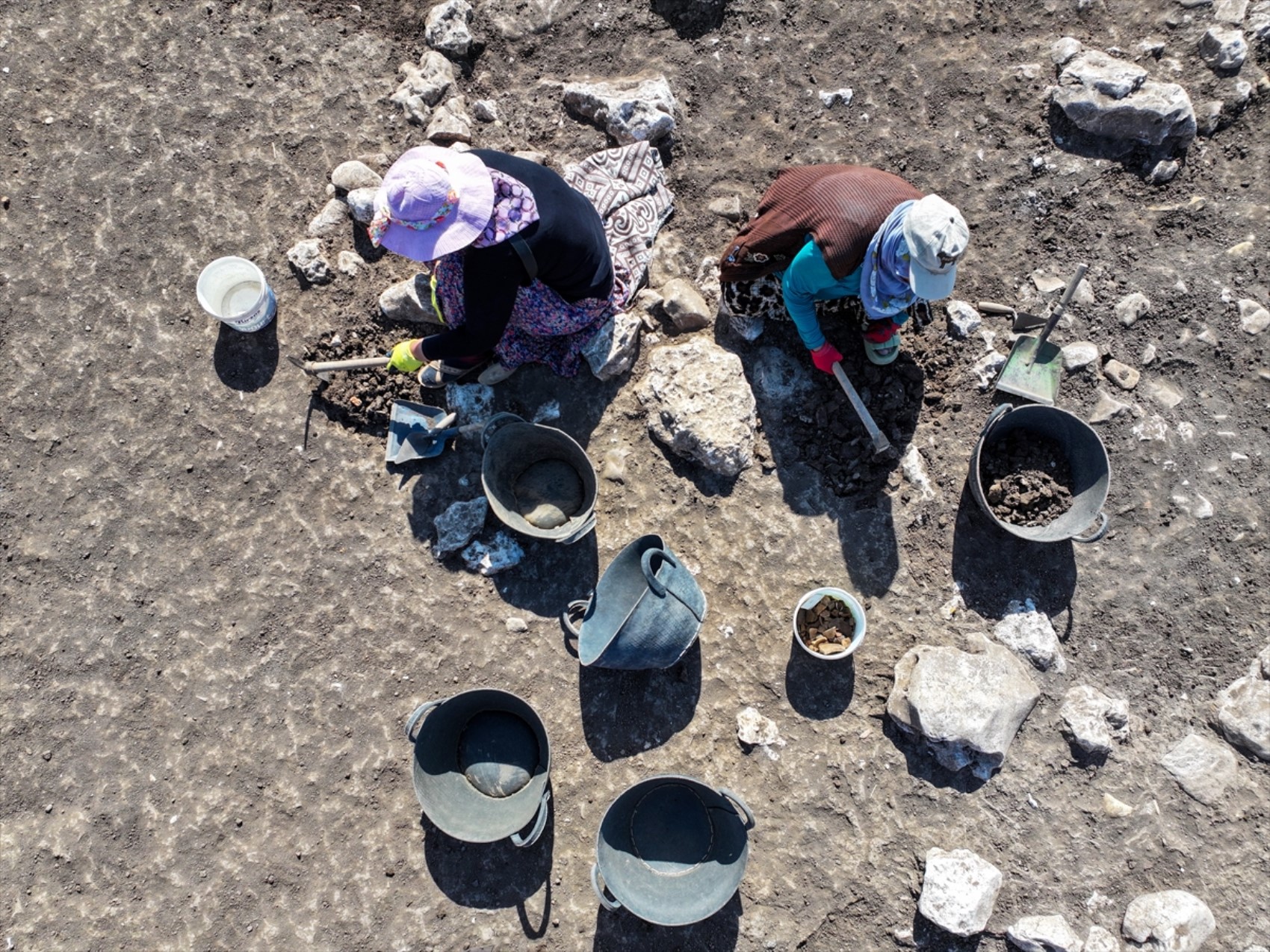
With the excavations at Çayönü, which are of great importance not only for the region but for the history of world civilization, and which were resumed 9 years ago after being interrupted in 1991 for security reasons, all stages and details of uninterrupted life are being uncovered.
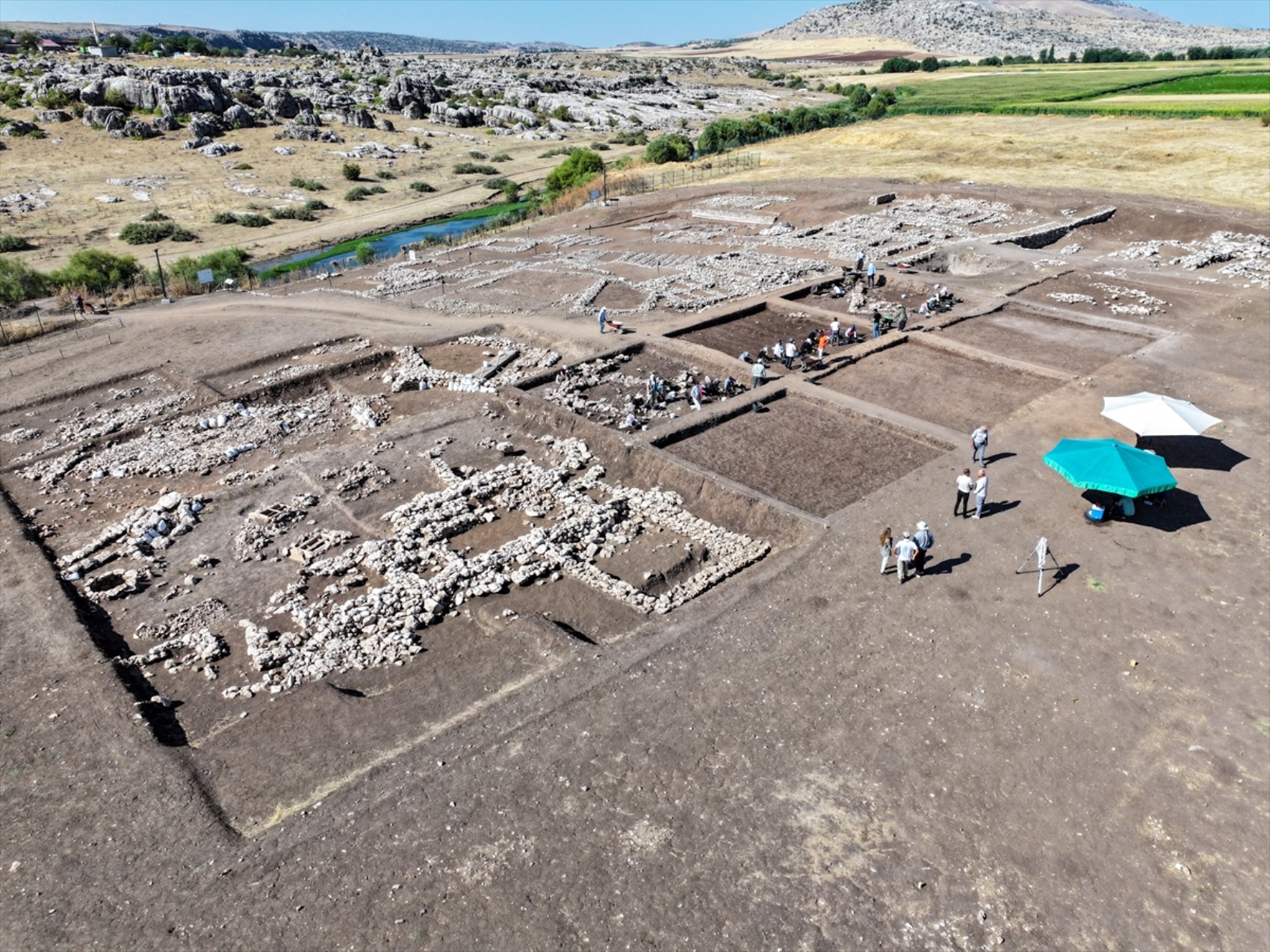
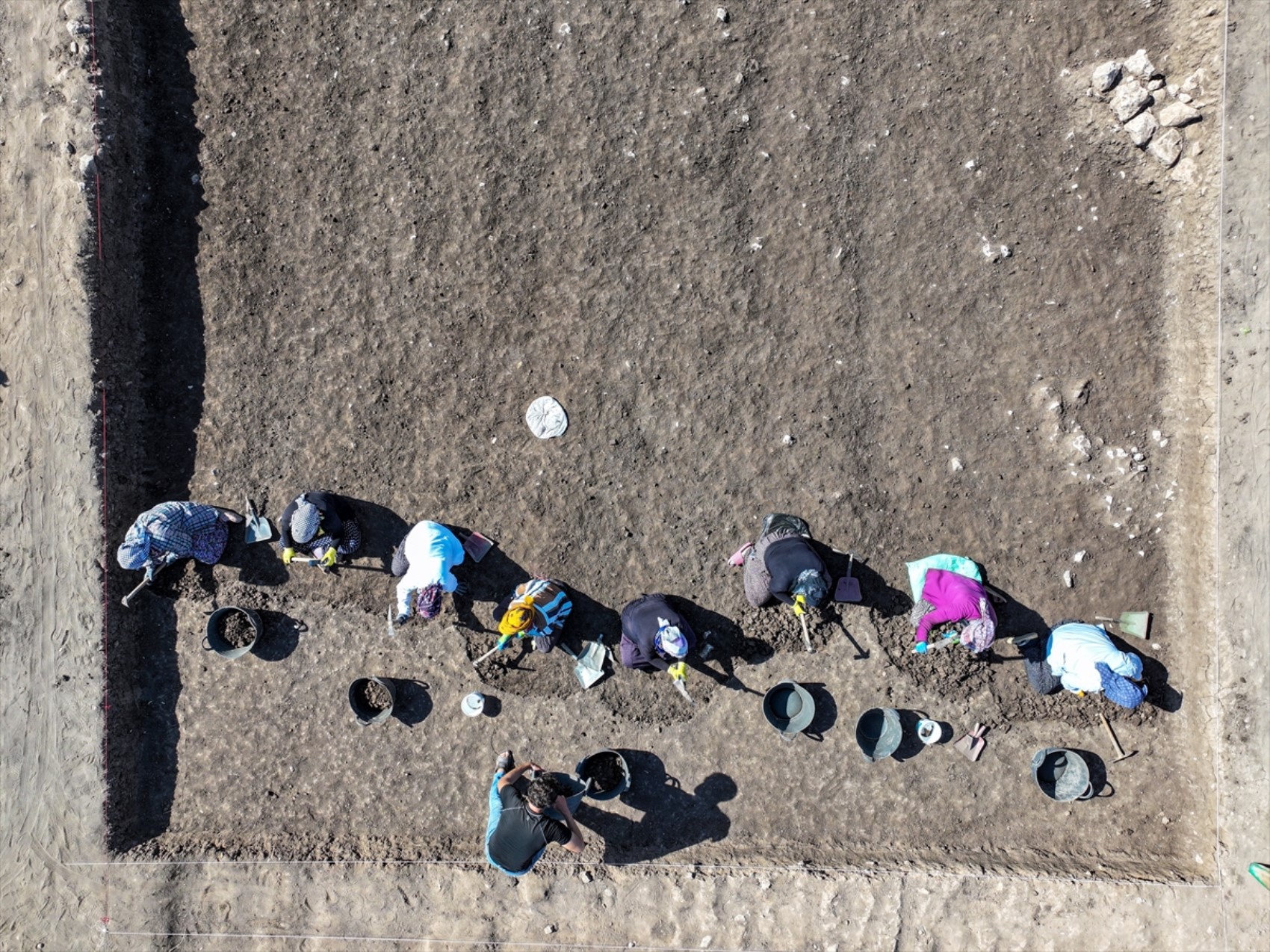
Excavation and research work is being carried out at Çayönü Tepesi again this year by a team of 48 people, led by Assoc. Prof. Dr. Savaş Sarıaltun, a faculty member of the Department of Museology at the Faculty of Applied Sciences of Çanakkale Onsekiz Mart University.
Assoc. Prof. Dr. Sarıaltun stated that they had previously started excavation work in the eastern part of the settlement, identified different phases of the Neolithic settlement in the eastern section, and that excavations there are still ongoing.
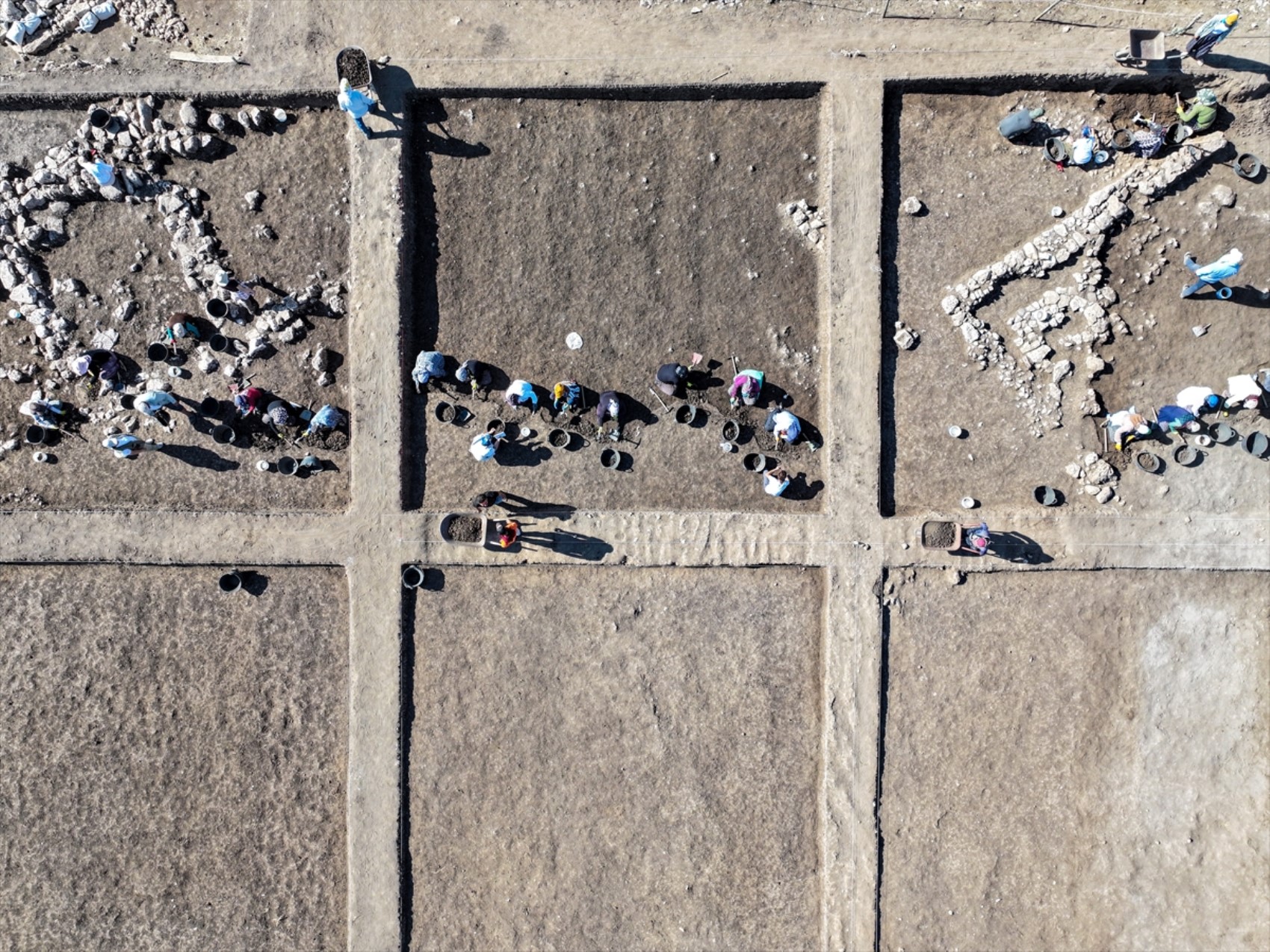
Noting that Çayönü Tepesi is one of the first settlements in Turkey where systematic scientific excavations have been conducted, Sarıaltun stated that there are important clues that the beginning of settled life and the first Neolithic settlements in Turkey were here.
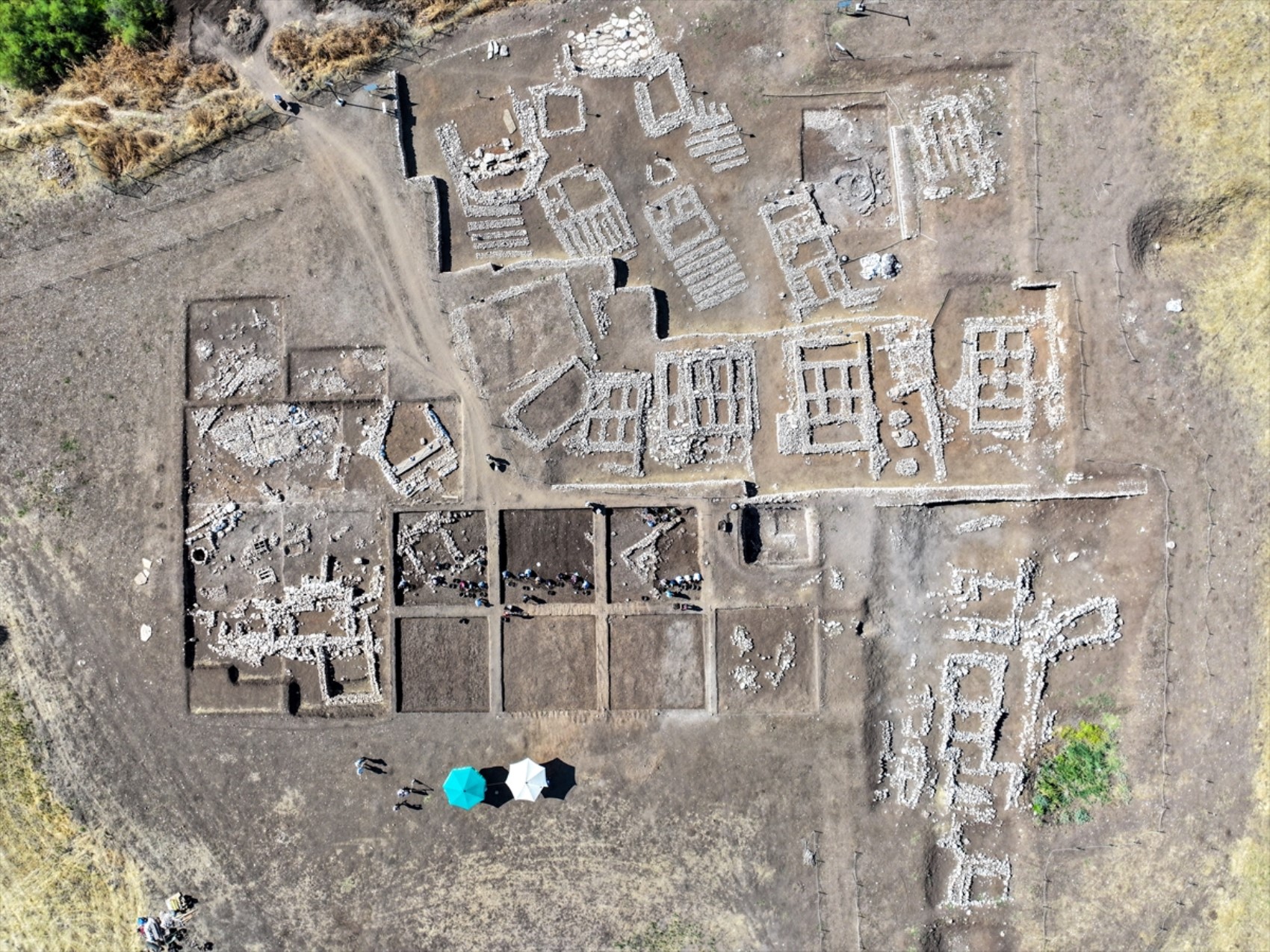
Sarıaltun spoke as follows:
"Everything we know about the Neolithic is present at Çayönü Tepesi. Therefore, Çayönü is actually very important in this sense. It is significant in terms of cultural heritage, tourism, and science. Today, when you go from the Levant region to Greece, there is no equivalent to Çayönü. It is one of the places where the first mining, the first agriculture, the process of domesticating plants began. It is one of the first settlements where animals were domesticated, especially pigs, goats, and sheep."
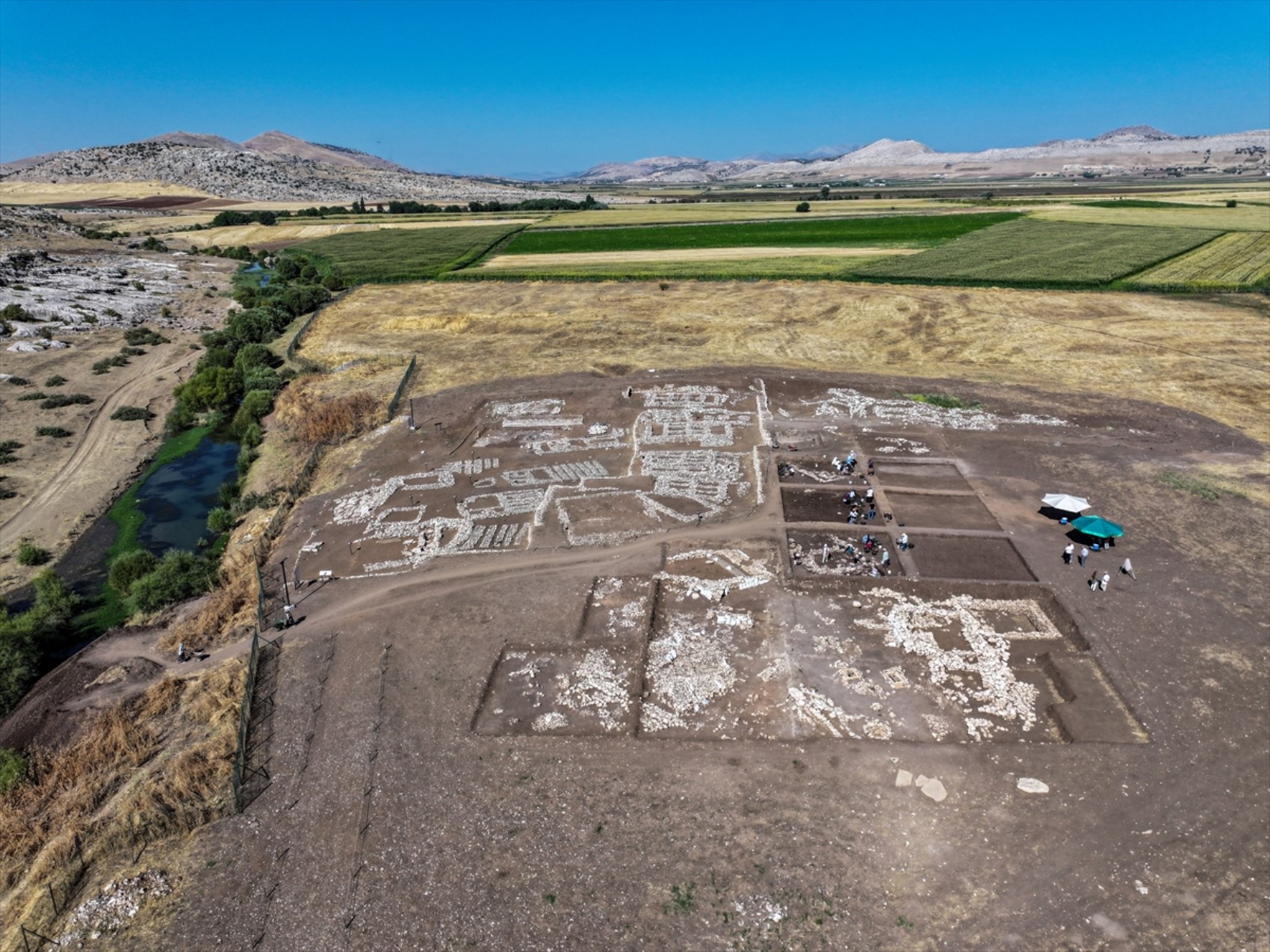
Emphasizing that Çayönü Tepesi also possesses very important data in terms of architectural history, Sarıaltun expressed that Çayönü is a very important settlement in terms of reflecting all stages in detail, especially the transition from the Pre-Pottery Neolithic Period to the Pottery Neolithic Period, the transition from the first settled life to a more systematic village area, and the process of transition to food production.
Sarıaltun continued as follows:
"Çayönü Tepesi is actually a site that first shatters all our perceptions about the Neolithic, and then gathers them back together with the information it provides. In terms of the history of science and cultural heritage, Çayönü Tepesi is the only settlement that brings all these together and presents them all in detail within itself. This is also the important point of Çayönü. In this respect, Çayönü Tepesi becomes a key settlement.
Today, wherever you excavate regarding the Neolithic period, you have to touch the data of Çayönü in some way. The key to Çayönü somehow opens the door to your problems. The data from Çayönü makes your data more explainable in some way. It offers us all this data, from stone tool technology to mining, from architectural construction techniques to cooking techniques, from the domestication of animals to the hunting process, and from the gathering of plants to the stage of transition to agriculture."
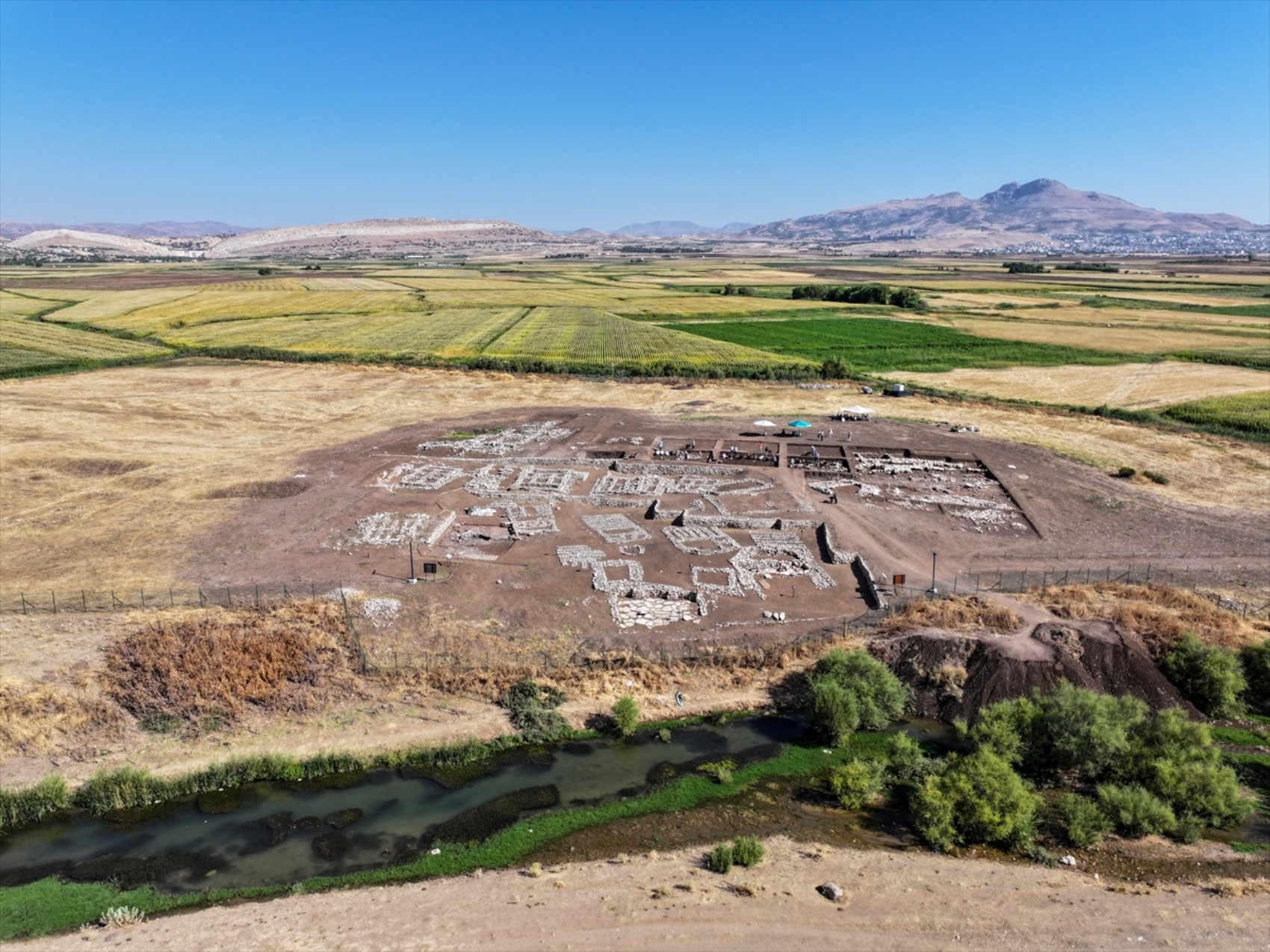
Expressing that the data regarding the first pottery production was not as strong during the period when the first excavations were carried out at Çayönü, Sarıaltun stated that Çayönü possesses data that supports the continuity and an uninterrupted cultural phase.
"WE ARE TRYING TO COMPLETE THE 1000-YEAR PROCESS"
"This year, we are trying to understand and define the 1000-year process between 7,000 and 6,000 BC, which is the Pottery Neolithic Period," said Sarıaltun, drawing attention to the fact that Çayönü is one of the settlements that well reflects the transition to settled life.
Sarıaltun stated, "It is not the first settlement; there are many settlements along with it, but Çayönü Tepesi explains this initial process in all its details. It is the only settlement that offers detailed data from many aspects, from agriculture to animal husbandry, from mining to architecture, from burial traditions to all data in daily life, to its beads, the figures they made, and the food and drink they consumed. Çayönü Tepesi possesses a lot of data. We are especially trying to understand a pottery culture phase from 8,000 years ago."
News Source : 12punto
Most Read

Striking picture for Özgür Özel's 'New Party'

Özgür Özel gives a dated response regarding the number of resignations

Forest fire in Antalya brought under control

The PKK opening and Özgür Özel’s path!..

How did the newspapers view Özgür Özel's farewell to the CHP?

He killed his wife by slitting her throat: Their children witnessed the moments

What did the CHP do?

Özel’s new party move in the world press

The New CHP, against CEHAPE

Fire at TUSAŞ engine factory in Eskişehir under control