

Mehmet Uçum's statement on mother-tongue education: 'Erdoğan made a revolution'
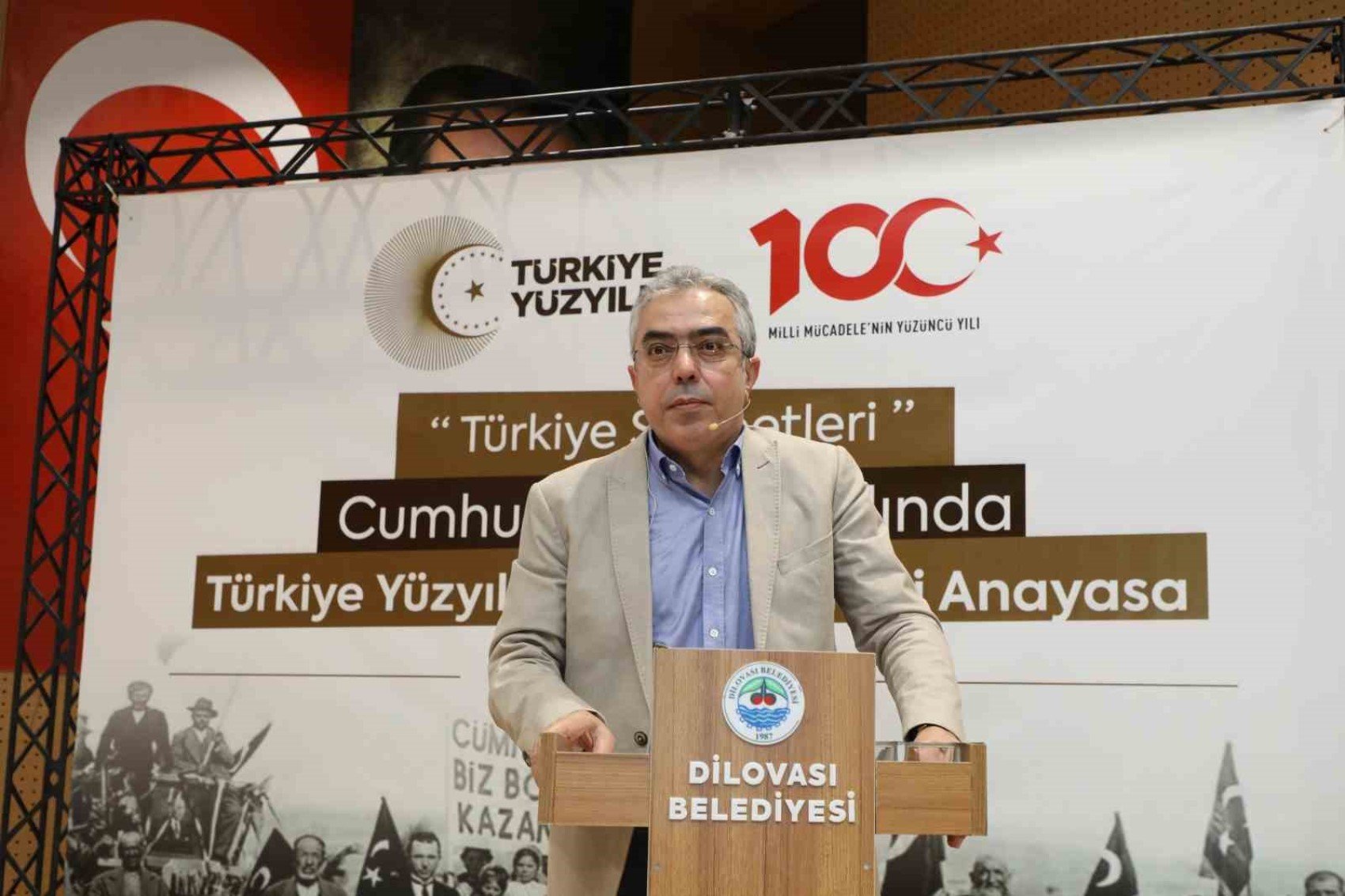
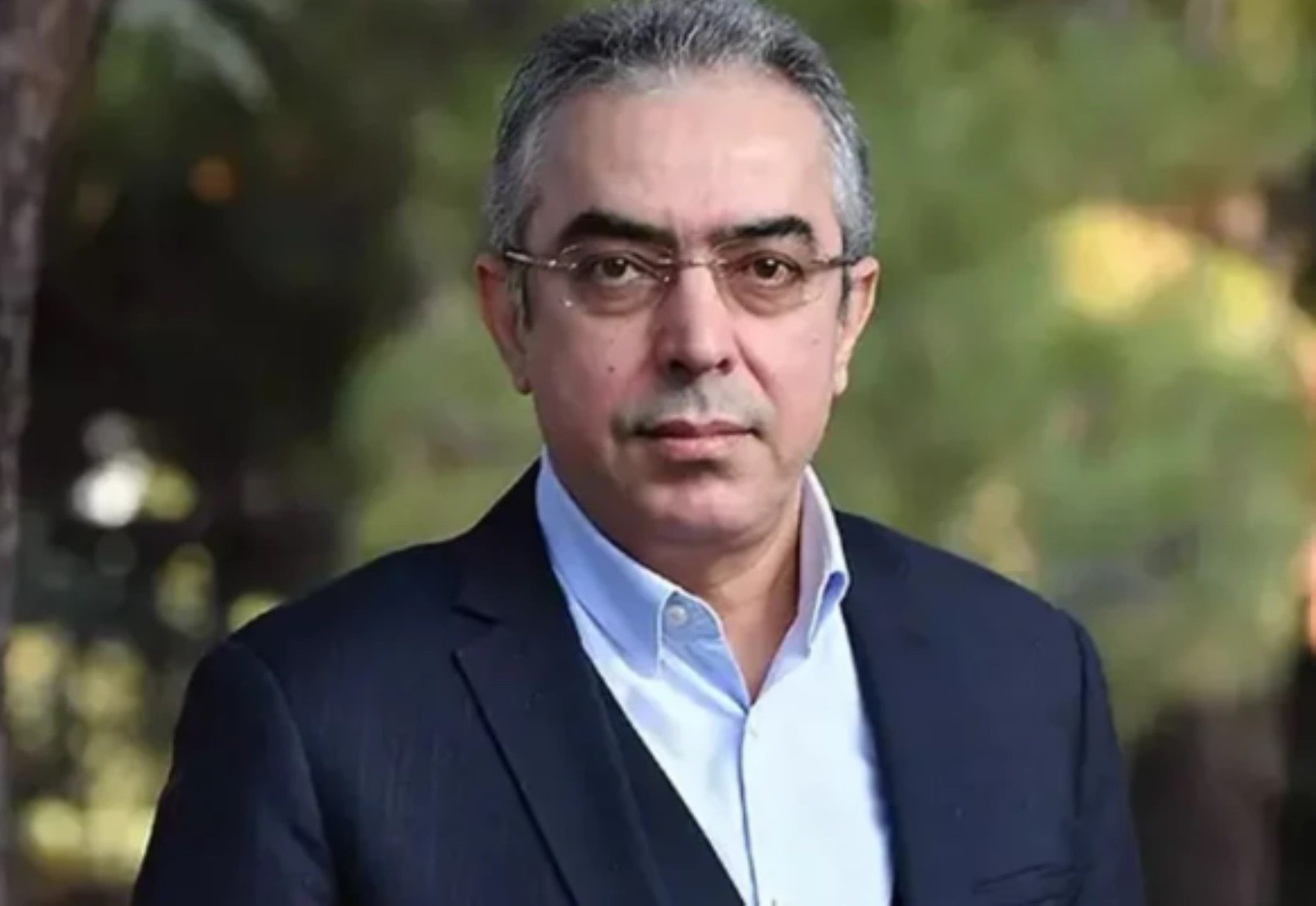
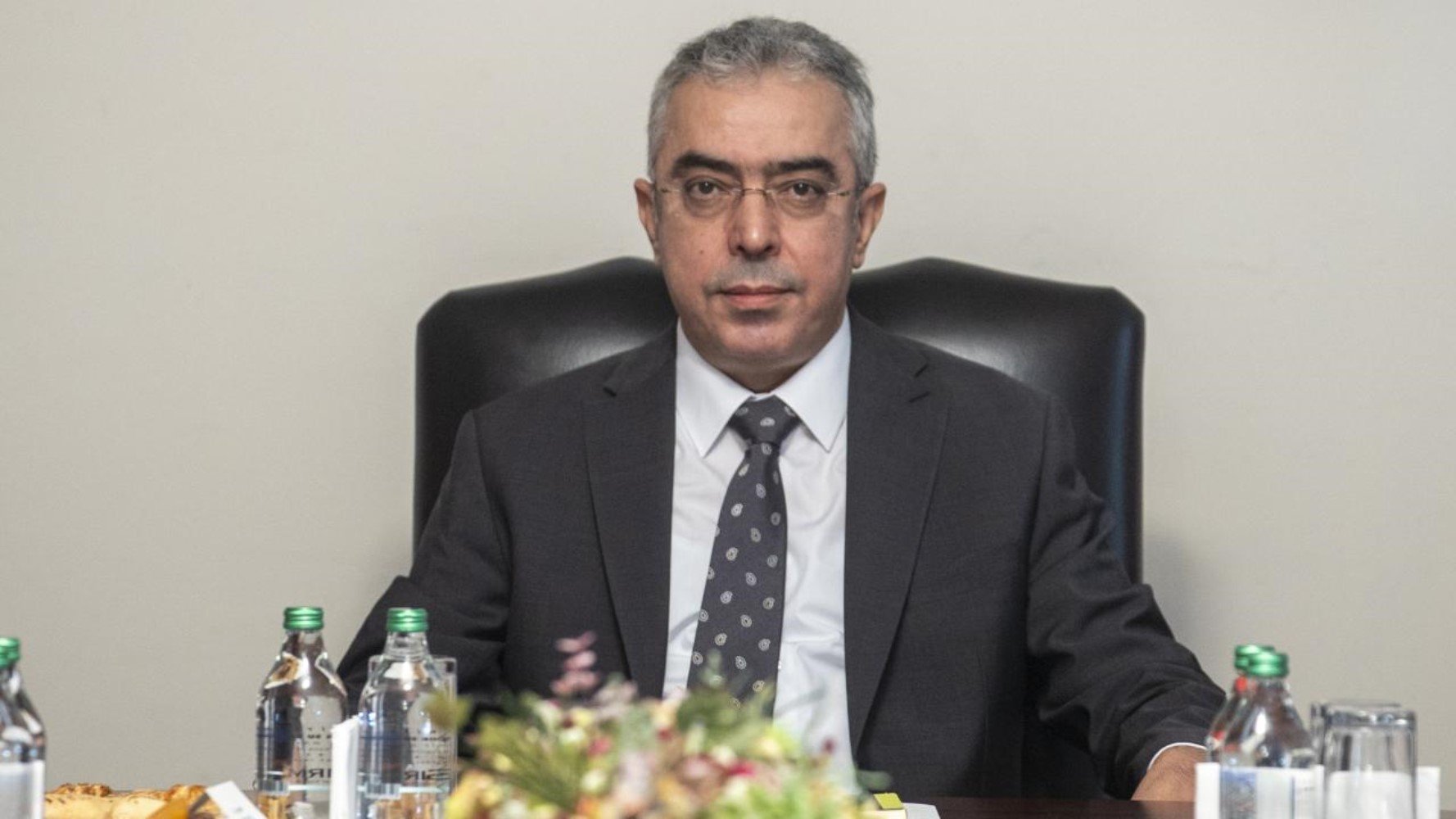
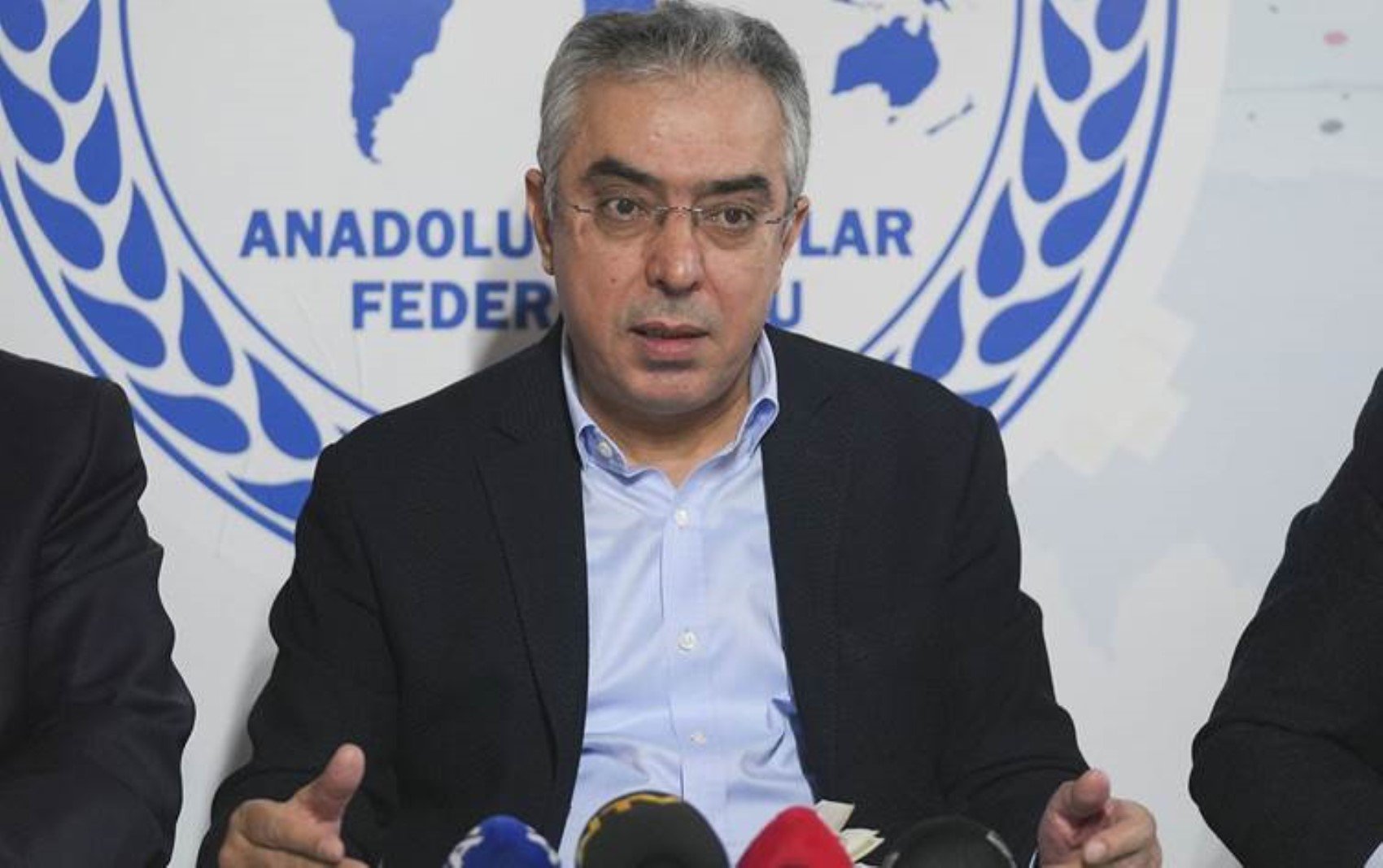
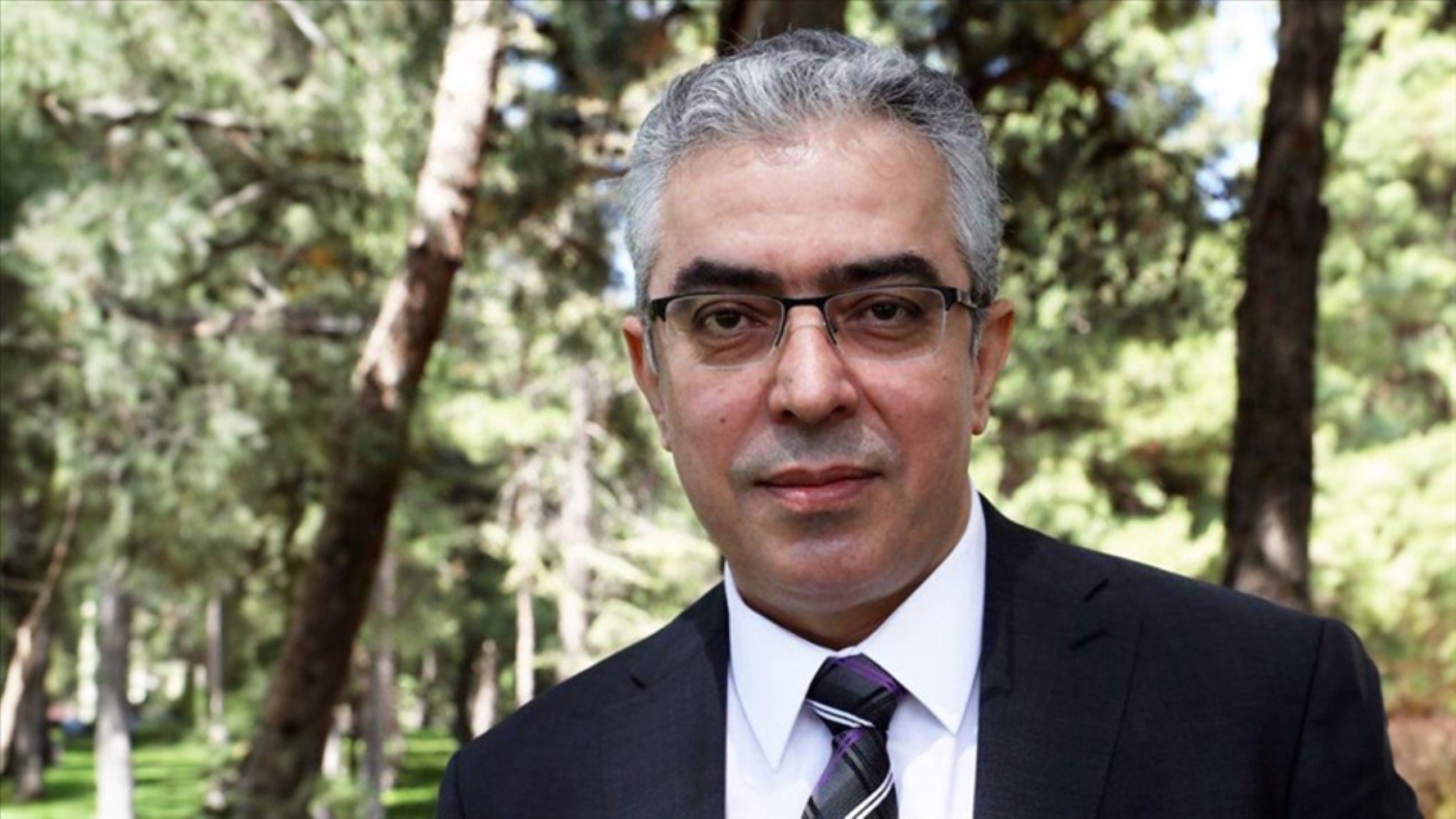
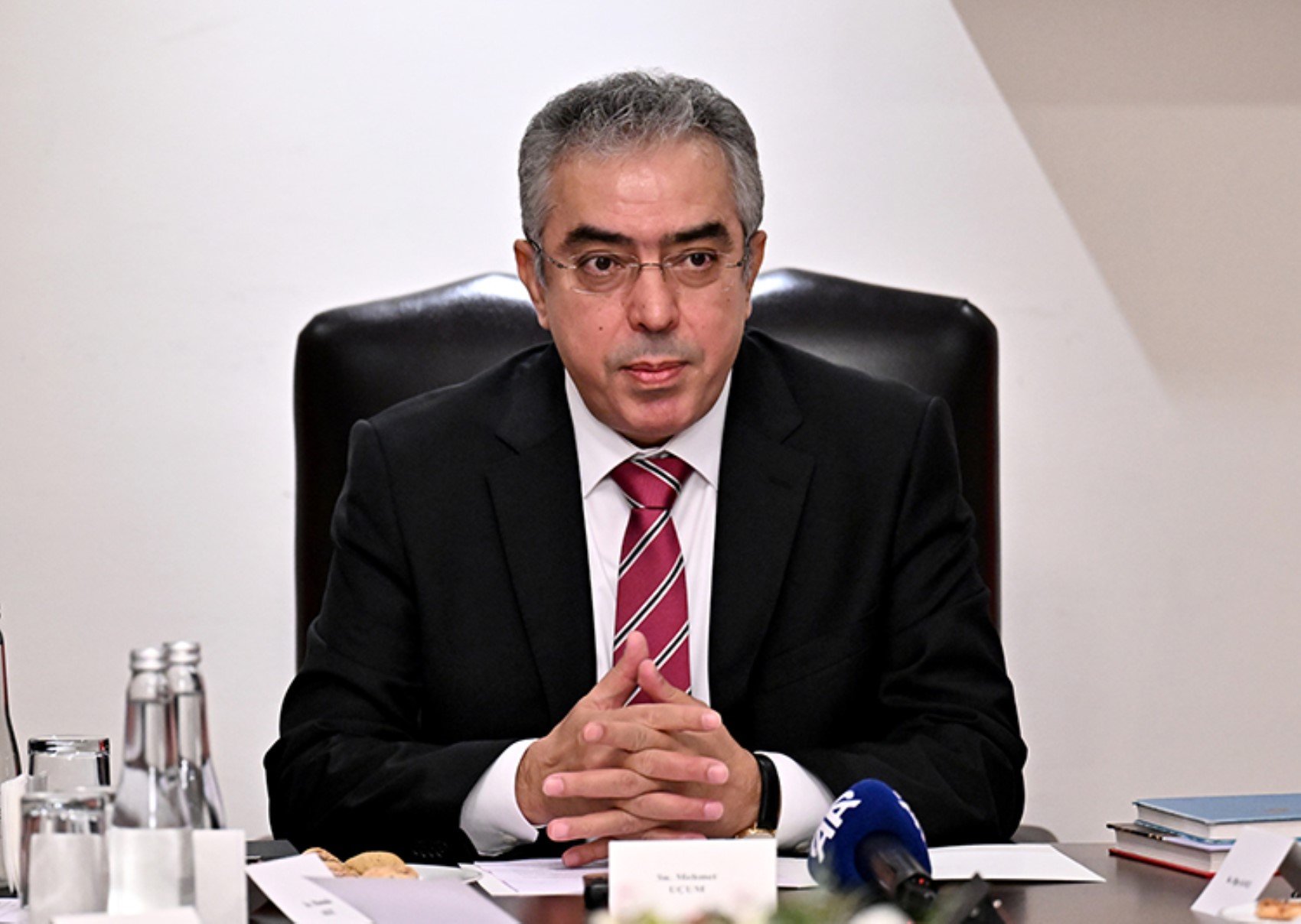
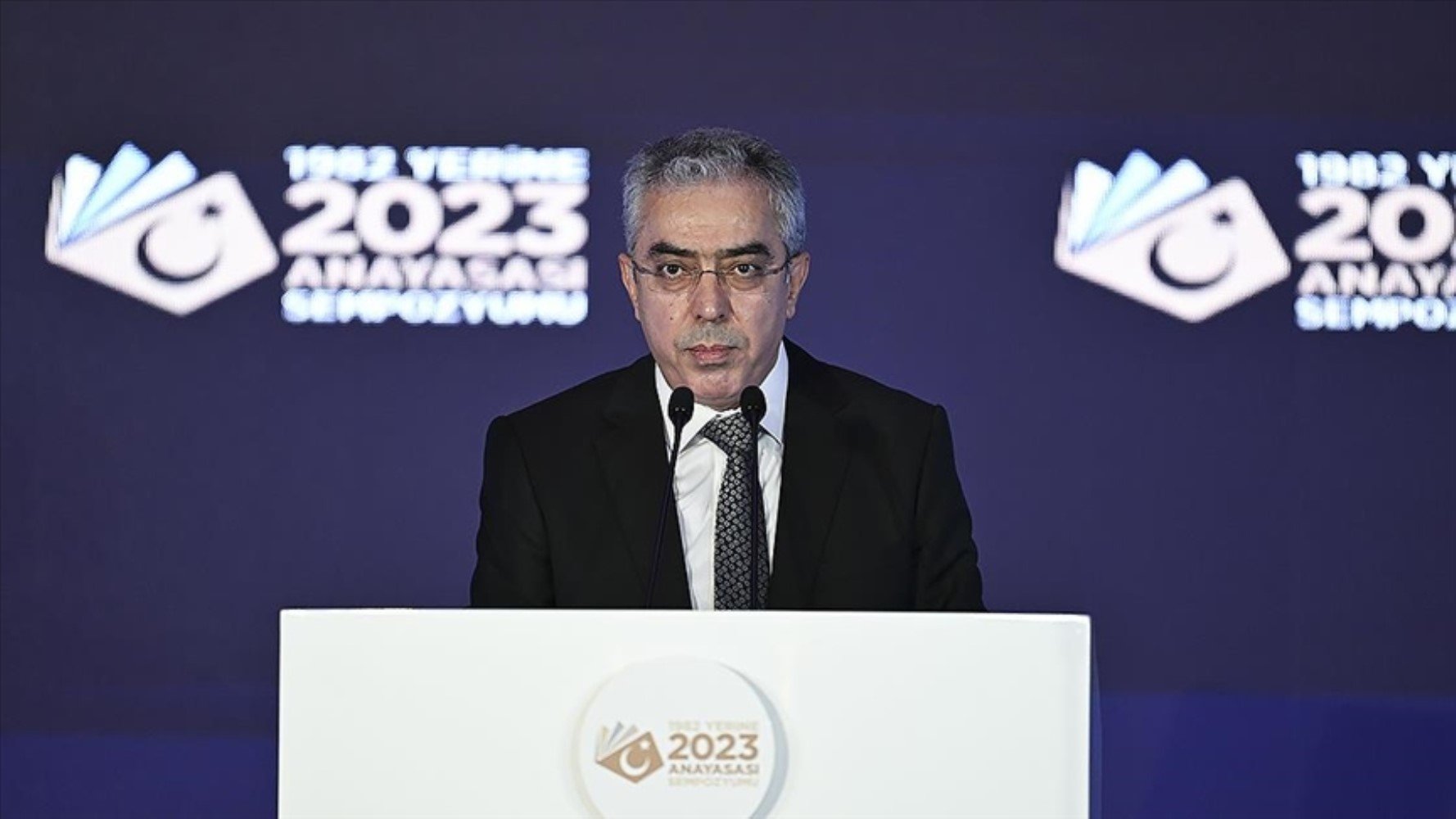
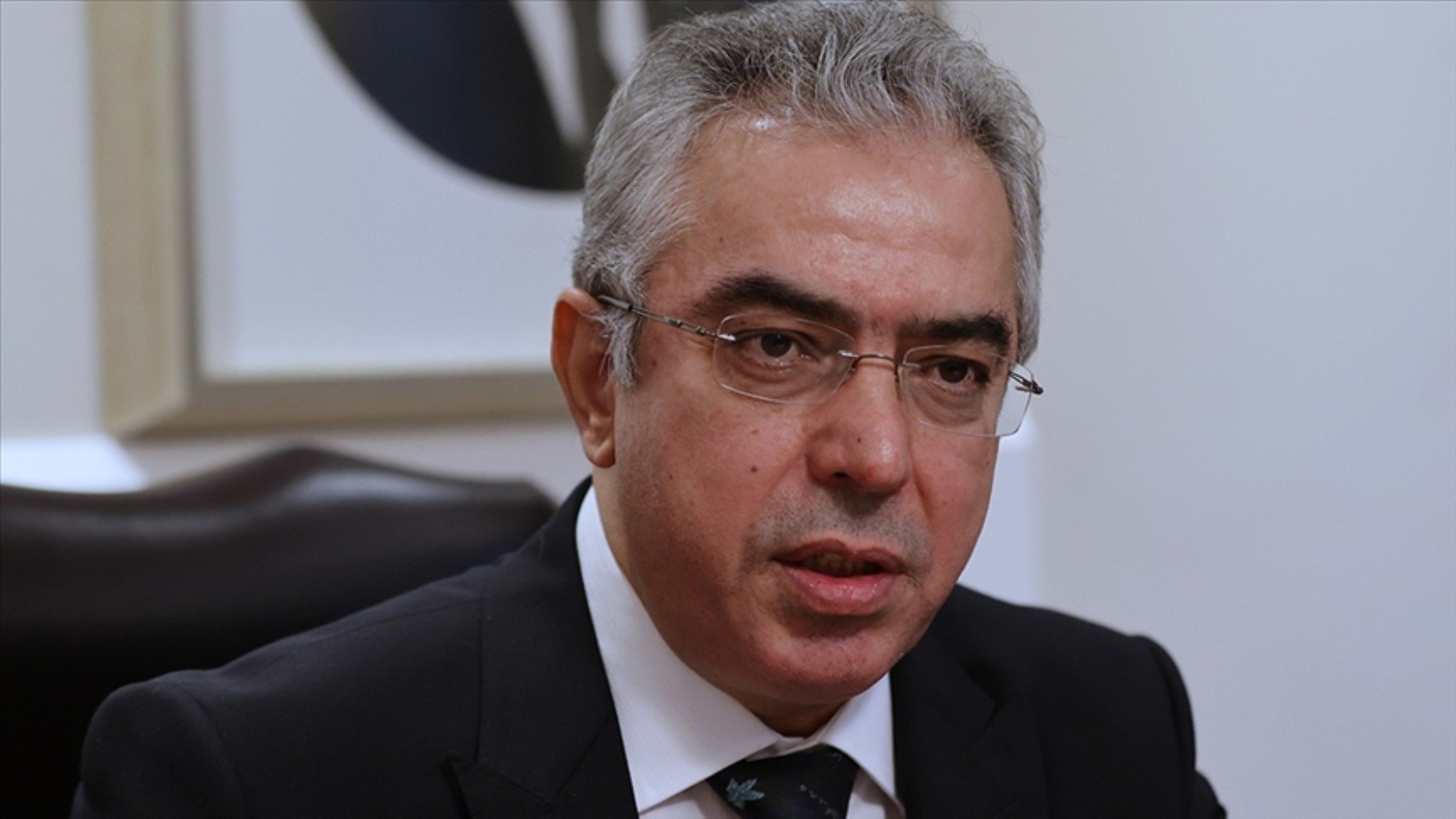
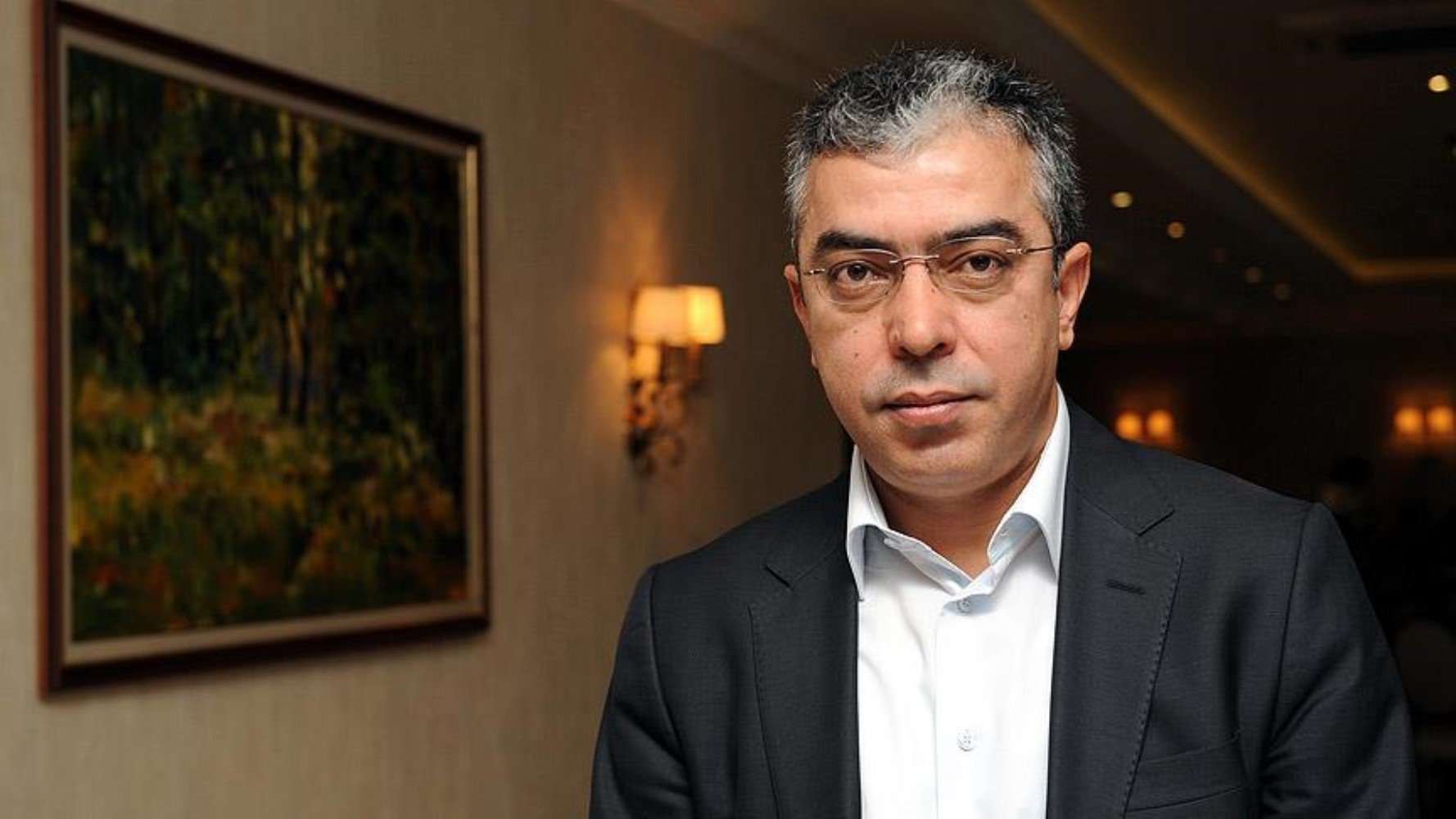
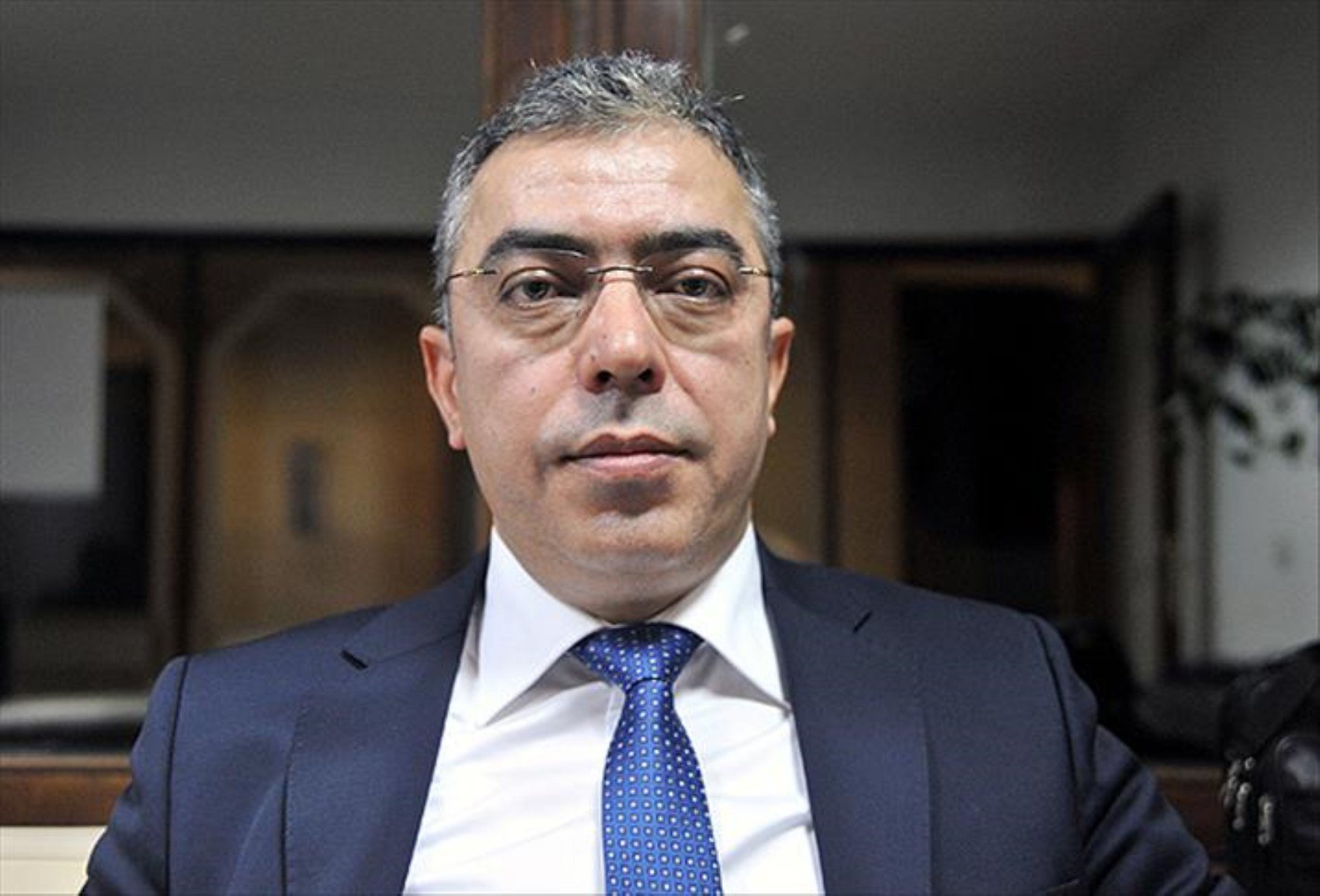
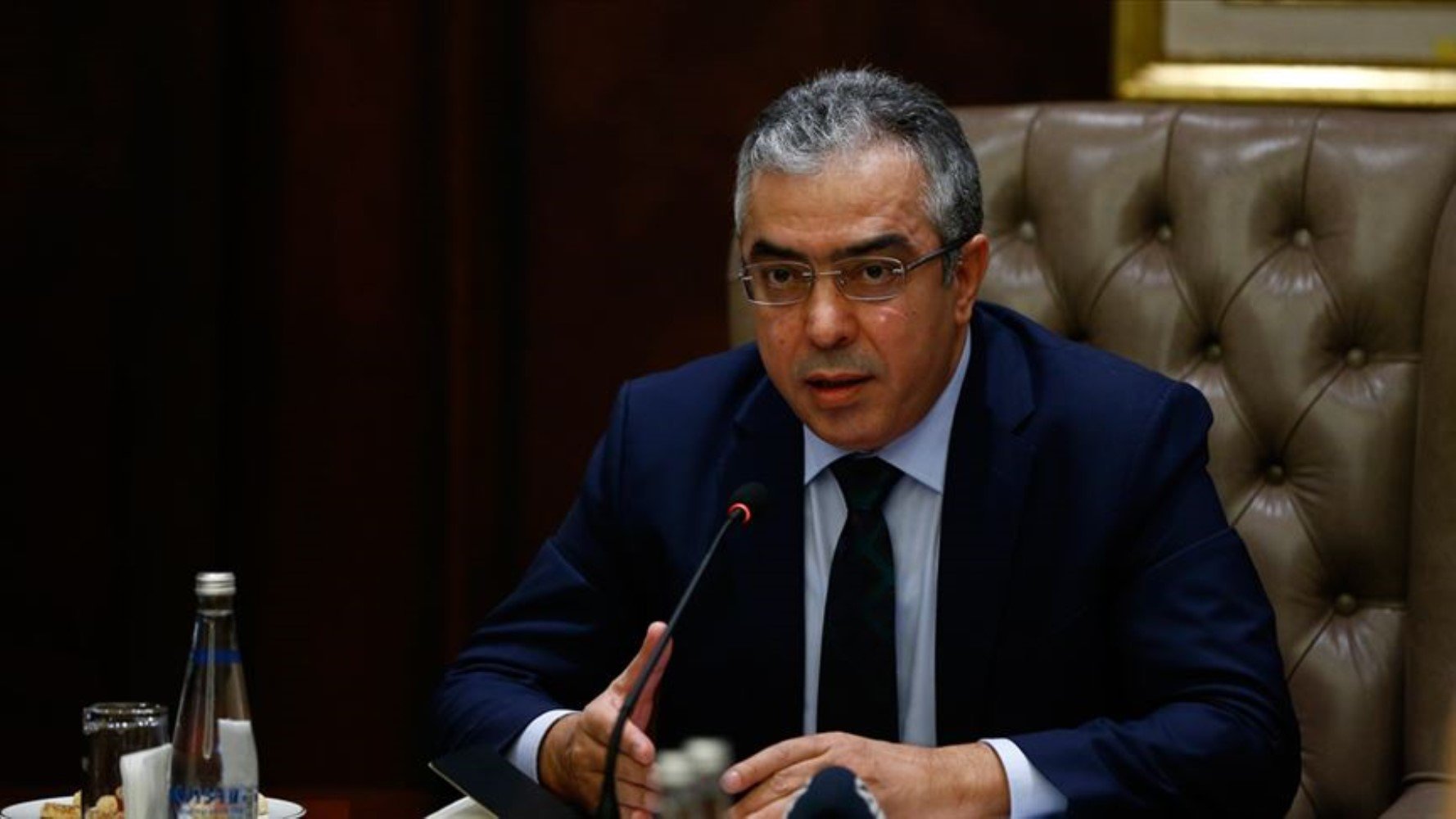
Chief Advisor to the President Mehmet Uçum made a statement regarding mother-tongue education. Uçum said, "The language of the state, that is, the official language, is Turkish. The only mandatory language in education is also Turkish."



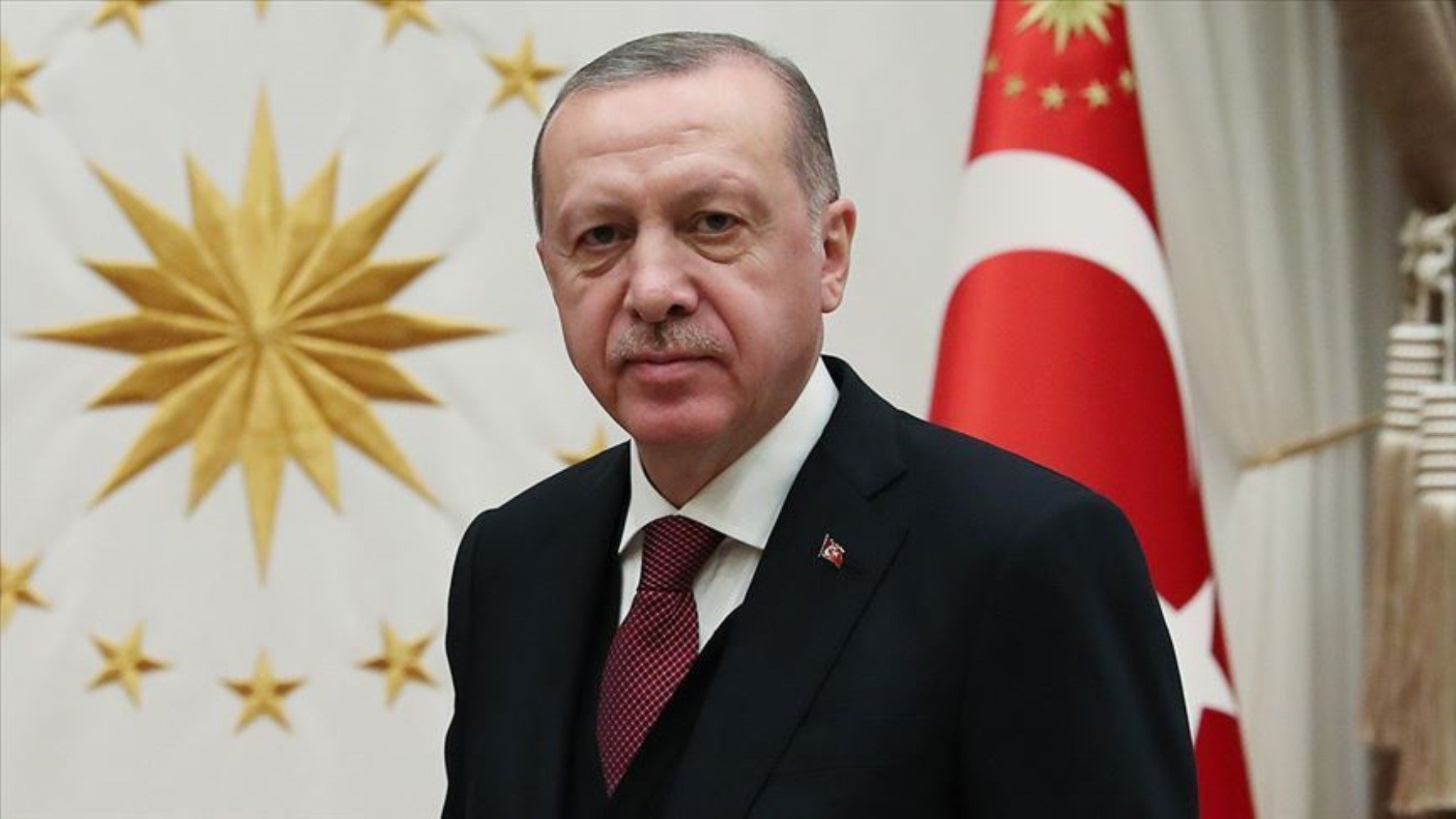
Chief Advisor to the President and Deputy Chairman of the Presidential Legal Policies Board Mehmet Uçum has made statements regarding the debates on mother-tongue education.
Uçum, who has been publishing his assessments on constitutional debates on his X account almost every Sunday for a long time, this time shared a post regarding the issue of mother-tongue education.
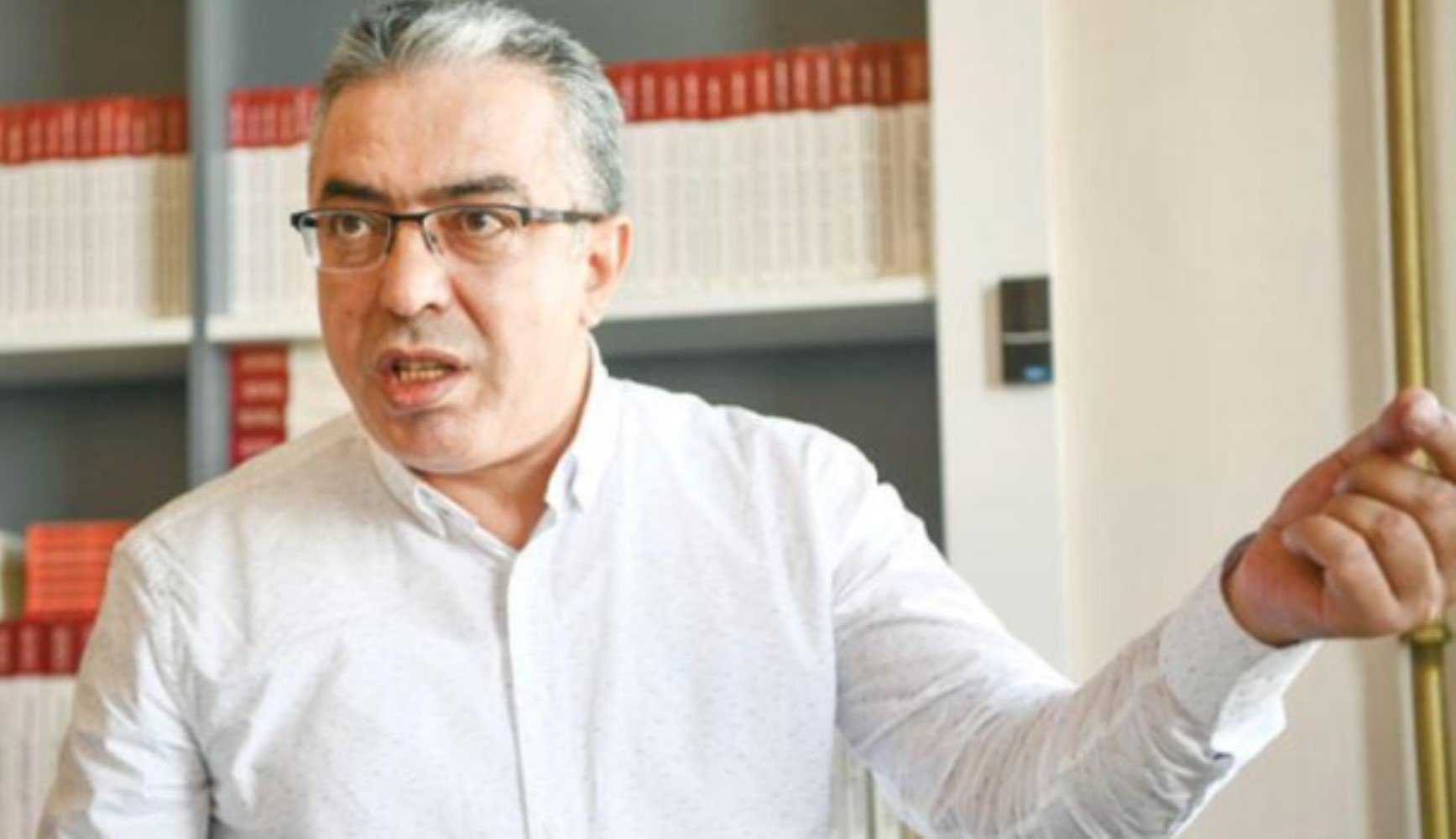
Chief Advisor to the President Mehmet Uçum included the following statements in his post:
TURKISH IS THE LANGUAGE OF SOVEREIGNTY AND UNITY
Turks, Kurds, Arabs, Zazas, Lazs, Circassians, Georgians—in short, every segment of Turkey—are the essential and inseparable elements of the people of Turkey. As an objective reality, Turkish is also a part of the people of Turkey and, therefore, the sole unifying language, that is, the language of unity, for everyone who is an essential element of the Turkish Nation. Just as there is no objection to Turkish being the language of unity in Turkey, there is no objective basis for such an objection.
Sovereignty belongs to the Turkish Nation, which is formed by the people of Turkey. For this reason, the language of the Nation, Turkish, is also the sole sovereign language.
As a necessary consequence and an unchangeable, immutable rule of Turkish being the sole sovereign and unifying language, the language of the State, that is, the official language, is Turkish. The only mandatory language in education is also Turkish.
Therefore, it is obvious that there can be no norm in the new constitution that is contrary to the rules required by these principles.
On the other hand, all mother tongues, and the learning and use of these languages, are a human right. The duty of democratic states is to provide freedom in this regard and to create the necessary opportunities for optional demands.
Unfortunately, in our country, for decades, the tutelage regime—as a result of denial and rejection policies—deprived people of their rights to not only learn their mother tongues but also to use them and live in them. Gains achieved through democratic struggle before September 12, such as Kurdish dictionaries and magazines, could not become permanent because they could not be secured legally.
Bans, denial, and rejection policies peaked during the September 12 Fascism era. Years passed, and finally, the Erdoğan Revolution took place.
Regulations were made with Law No. 2923 for the learning of different languages and dialects in our country. Practices based on administrative decisions stemming from this Law have been continuing for over ten years.
In order to pass on the languages and dialects spoken in our country to future generations and to meet the needs of society in this field, courses in Adyghe (Cyrillic alphabet), Adyghe (Latin alphabet), Abkhazian, Kurmanji, Zazaki, Laz, Georgian, Albanian, and Bosnian are taught within the scope of the 'Living Languages and Dialects' course.
The Kurdish (Kurmanji and Zazaki) Course Curriculum began to be implemented starting from the 2012-2013 academic year. Teaching materials suitable for the curriculum are also being prepared and distributed to students free of charge.
In this context: Kurdish language courses can be taken as an elective in public schools. Kurdish language courses can be taken as an elective in private schools. There are Kurdish language and literature (undergraduate) departments at universities and institutes for academic (postgraduate) studies. It is possible to open Kurdish language courses. It is free to open private schools where Kurdish is the language of instruction. Opportunities have been provided for the use of letters such as 'Q, X, W', which are widely used in Kurdish and are seen outside of Turkish.
TURKISH-KURDISH and KURDISH-TURKISH dictionaries have been prepared by the TDK (Turkish Language Association).
It is free to conduct political propaganda in mother tongues. There is a Kurdish translation service in the public sector. Kurdish call centers have been opened. All restrictions regarding Kurdish publications have been lifted. The state channel broadcasting in Kurdish twenty-four hours a day is a work of this period. Obstacles to staging Kurdish plays have been removed. Leading works of Kurdish literature have begun to be published by the Ministry of Culture and Tourism. Kurdish theatrical plays are being staged by State Theaters. If we continue, it wouldn't fit on the pages...
Continuing from here, by making the necessary arrangements in the new constitution, constitutional guarantees will also be provided for these freedoms that all languages and dialects have attained in Turkey.
In conclusion; as a necessary consequence and an unchangeable, immutable rule of Turkish being the sole sovereign and unifying language, the language of the State, that is, the official language, is Turkish. The only mandatory language in education is also Turkish. Apart from this, all mother tongues and dialects used in these lands, and the learning and use of these languages, have been secured by the freedoms provided by the state.
News Source : 12punto
Most Read

Striking picture for Özgür Özel's 'New Party'

Özgür Özel gives a dated response regarding the number of resignations

Forest fire in Antalya brought under control

The PKK opening and Özgür Özel’s path!..

How did the newspapers view Özgür Özel's farewell to the CHP?

He killed his wife by slitting her throat: Their children witnessed the moments

What did the CHP do?

Özel’s new party move in the world press

The New CHP, against CEHAPE

Fire at TUSAŞ engine factory in Eskişehir under control