

MIT shares official intelligence documents from its private collection
The National Intelligence Organization (MIT) has released 17 official intelligence documents from the 1920s from its private collection to the public. The documents include intelligence information regarding foreign spies of the era, significant military reports, and works by famous authors. Additionally, documents concerning the surveillance of prominent figures such as Halide Edip Adıvar and Joseph Goebbels were also published.



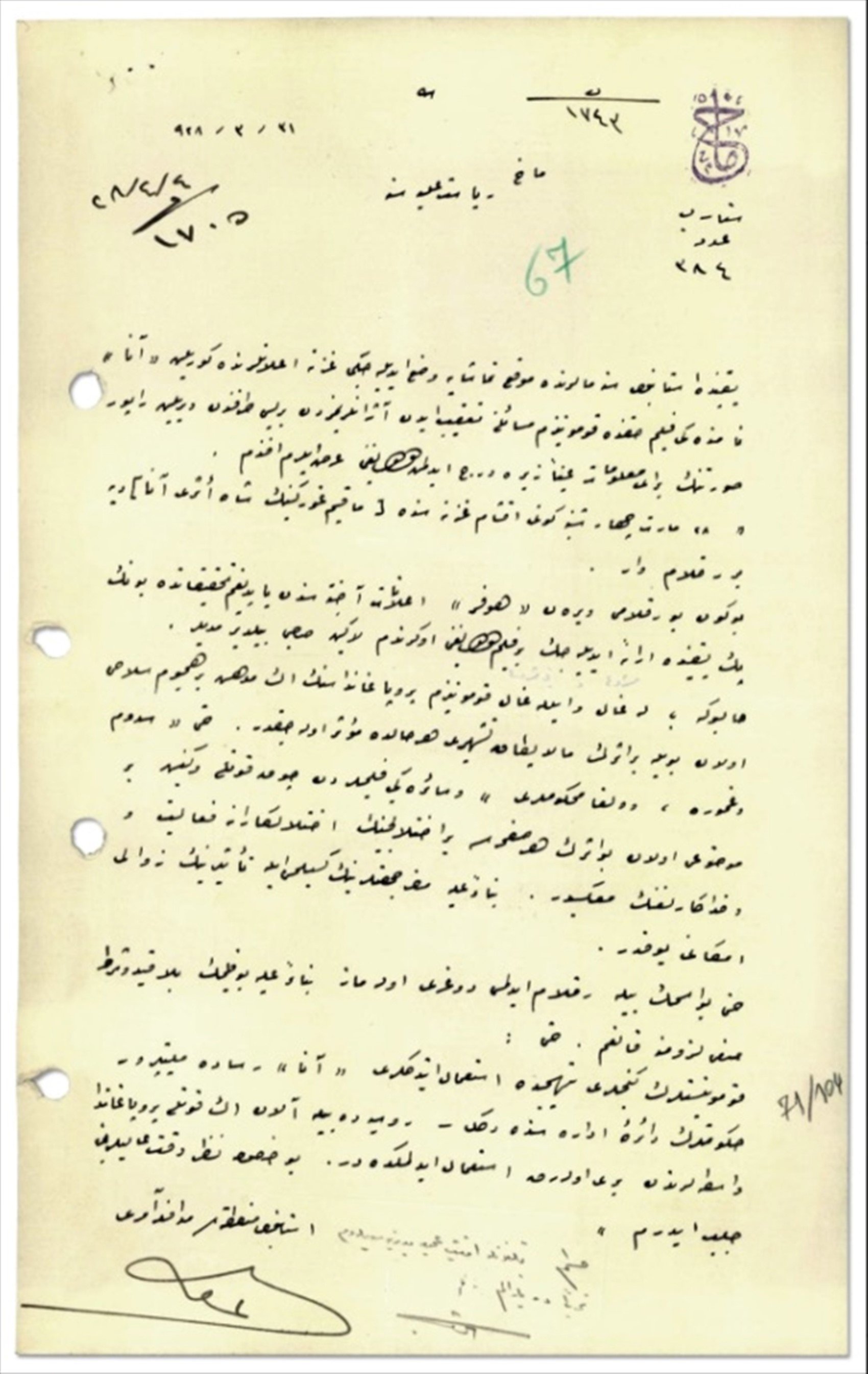
Seventeen documents from the "private collection," the oldest of which dates back to 1920, have been made accessible to visitors on MIT's official website.
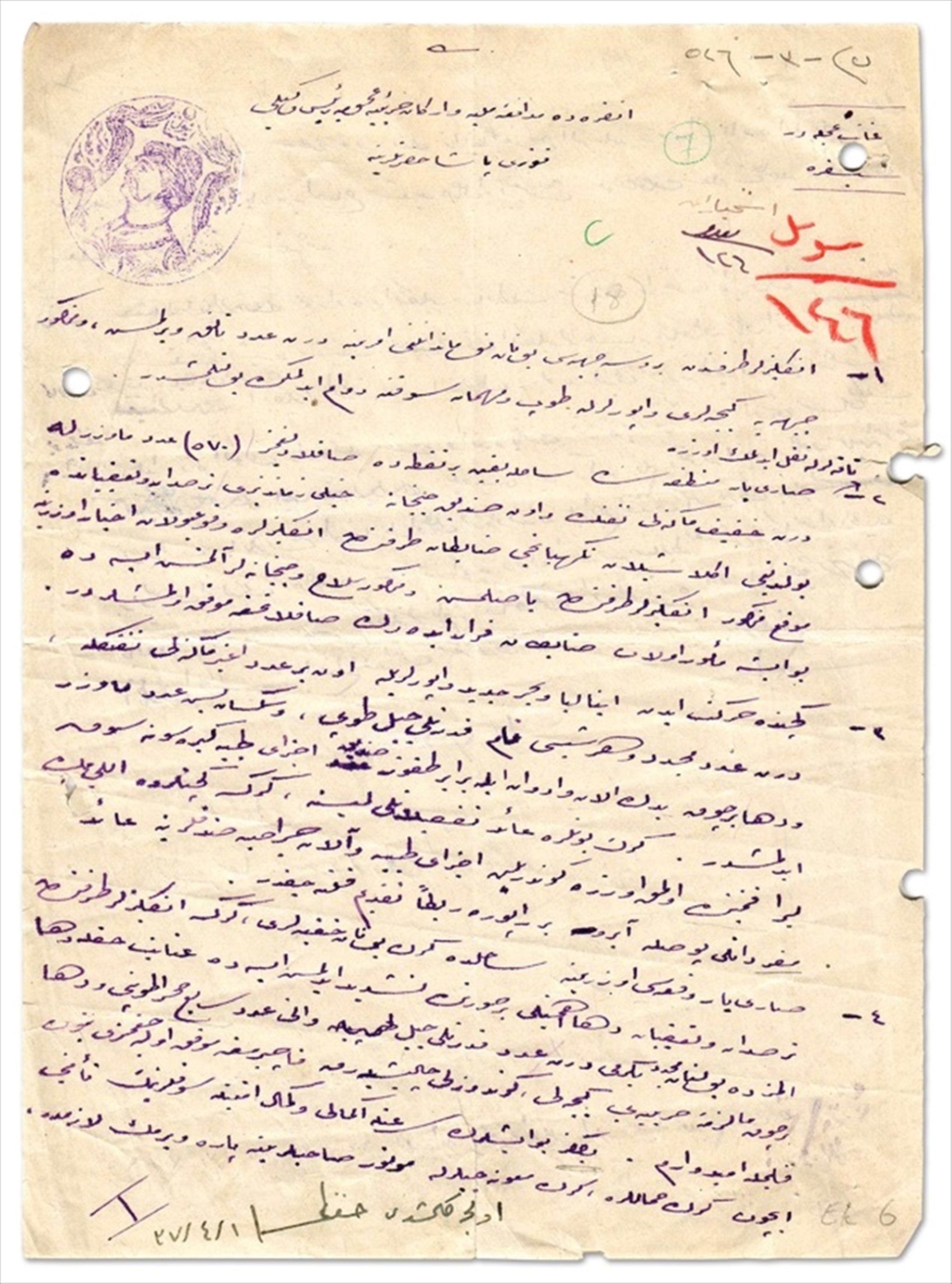
Among the documents published by MIT are detailed information compiled by the National Security Service (MAH) regarding foreigners working within consulates and front organizations in Adana and Mersin during the 1920s, as well as efforts to decipher the activities of these individuals.
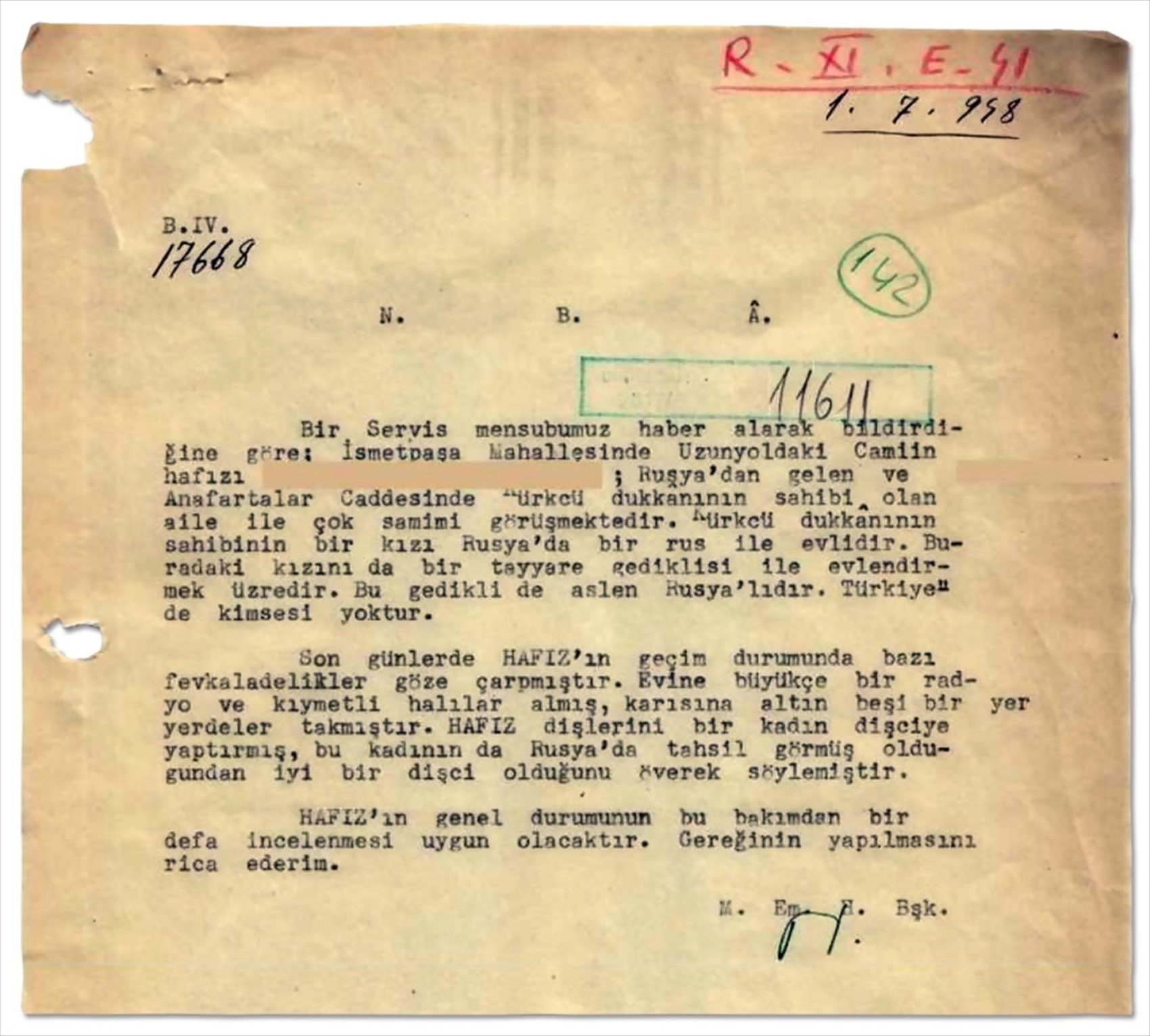
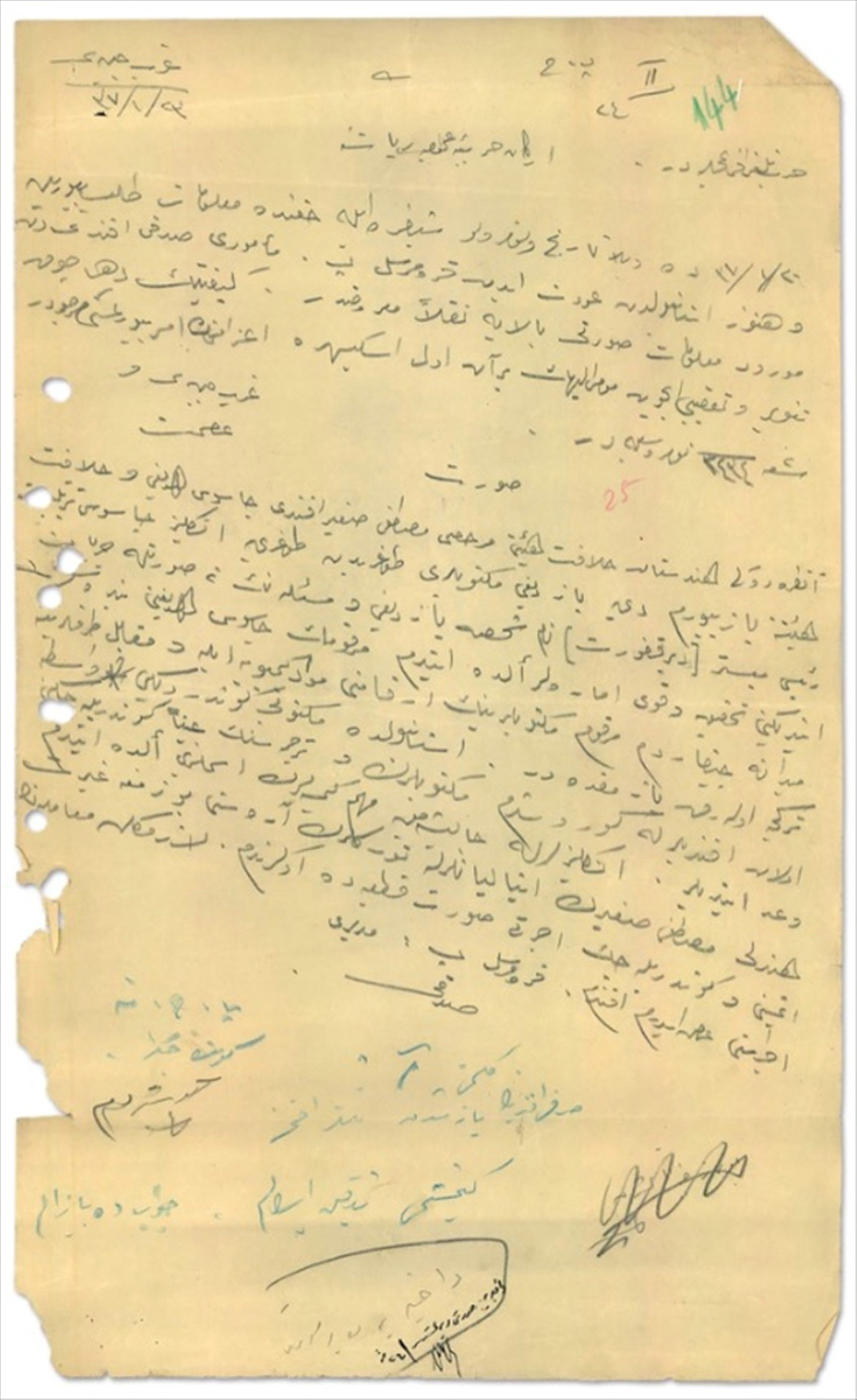
The original "Ottoman Turkish" version of a 1921 document concerning Mustafa Sagir—who infiltrated the "Karakol Society" during the height of the War of Independence, played a role in its closure, and managed to get close to the Kemalists and Mustafa Kemal Pasha, only to be identified as an Indian-born British spy—is also on display on the site.
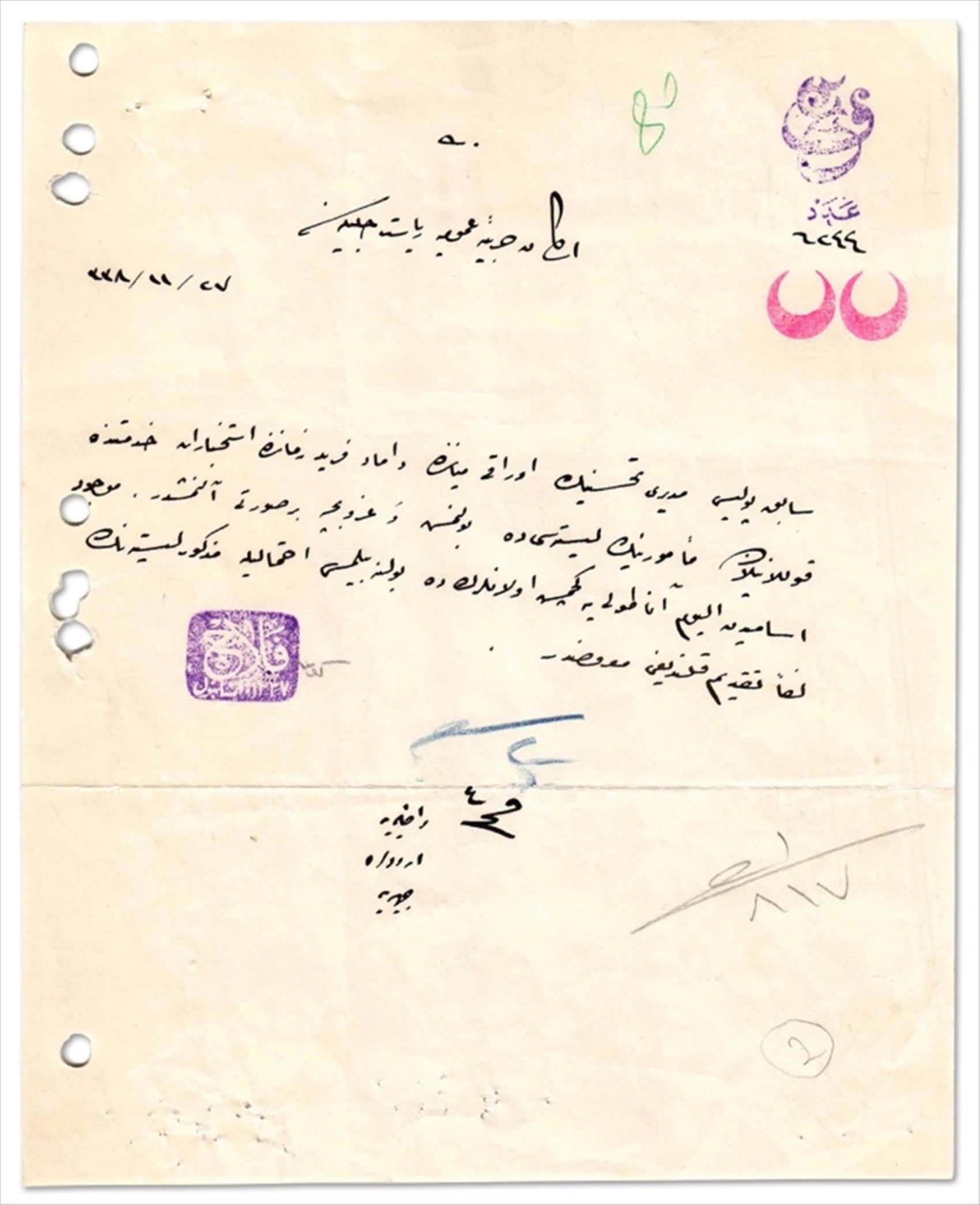
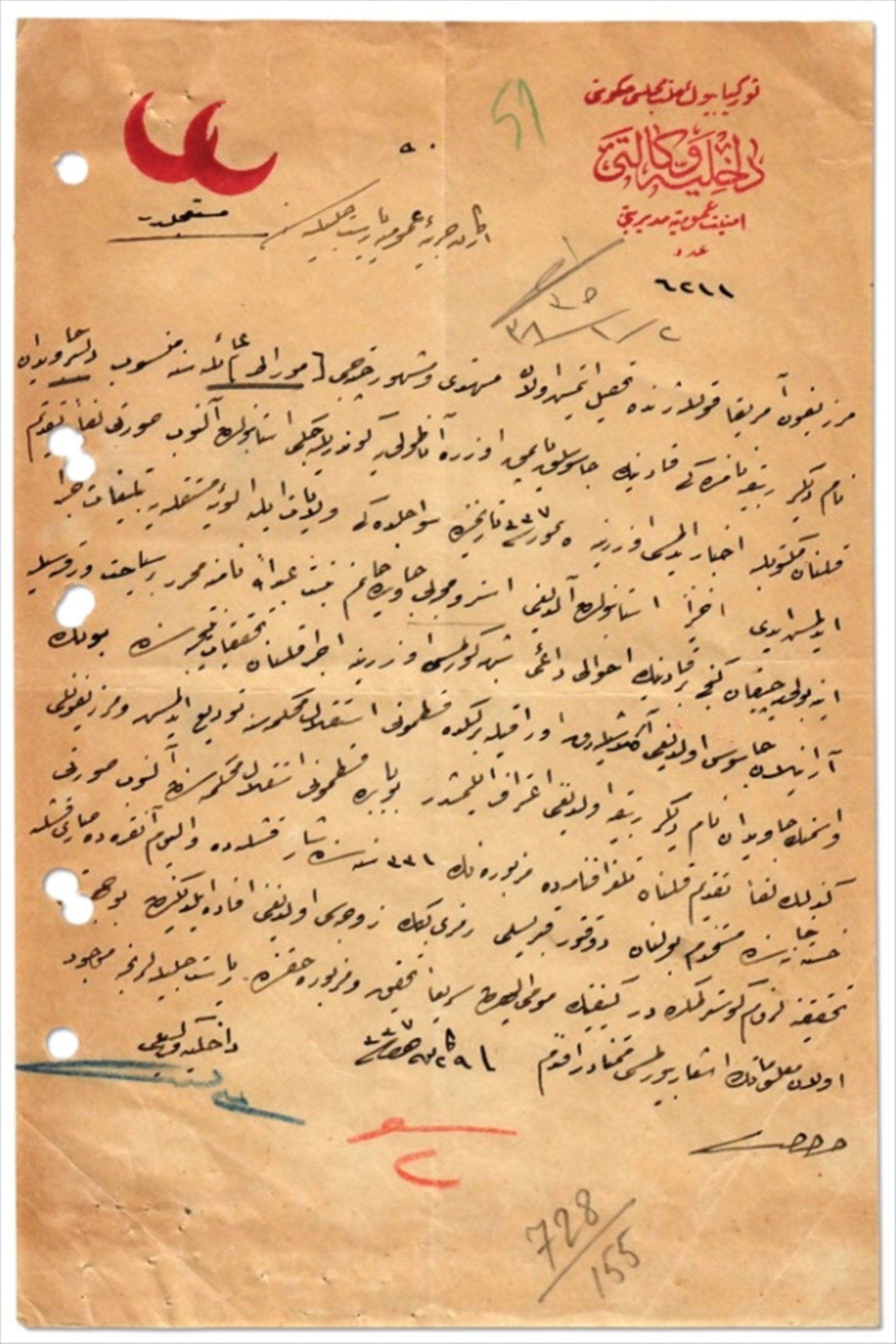
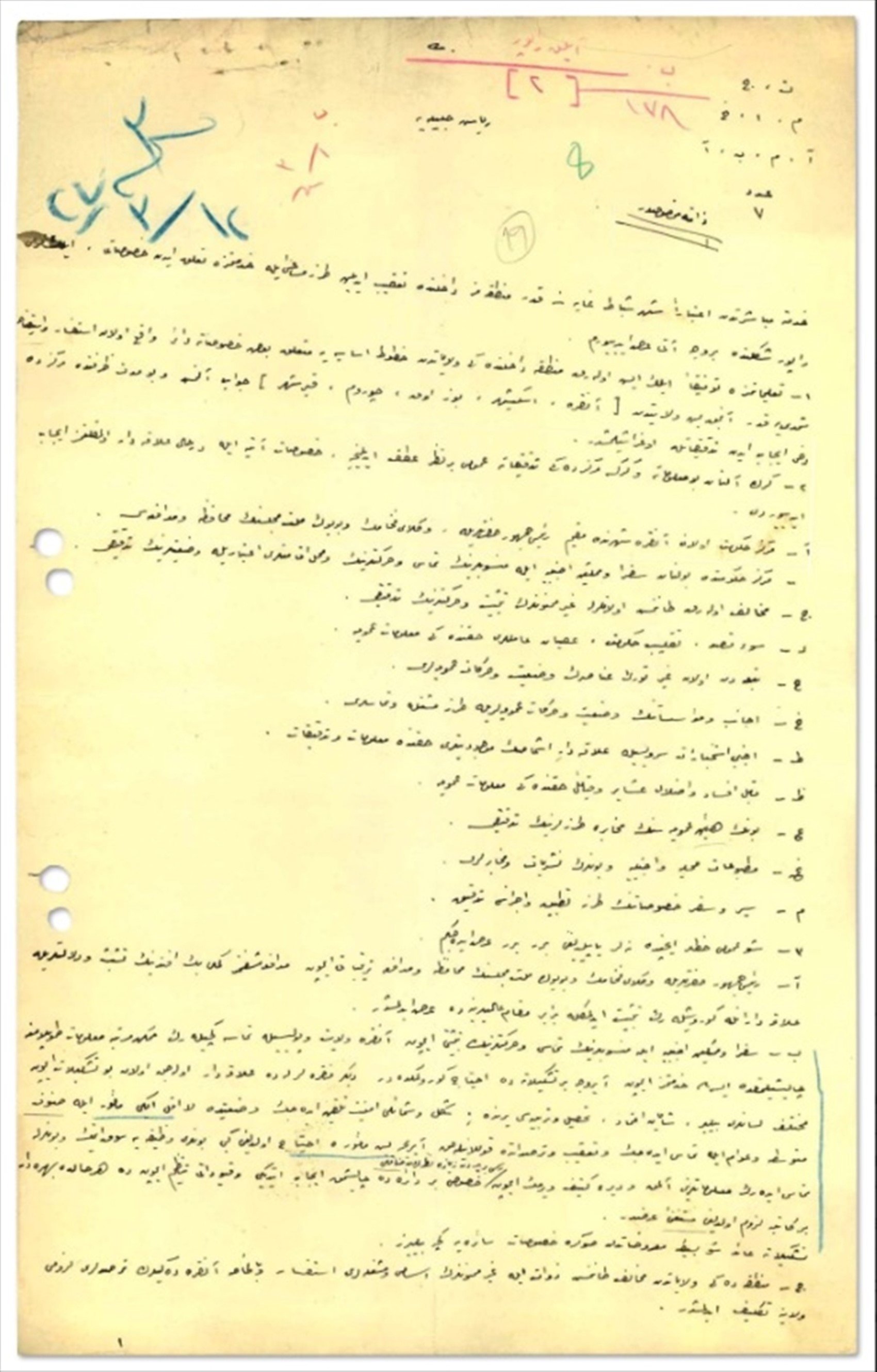
Among the published documents are a 1921 "urgent" report stamped with a "double crescent" symbol regarding a female spy named Dilber Cavidan, codenamed "Rebeka"; a document from March 1921 sealed by the "Yavuz Group" sent to the Erkan-ı Harbiye-i Umumiyye Riyaset-i Celilesi, or the General Staff; and a letter sealed with the "double crescent" sent by the Felah Group to the General Staff in 1922.
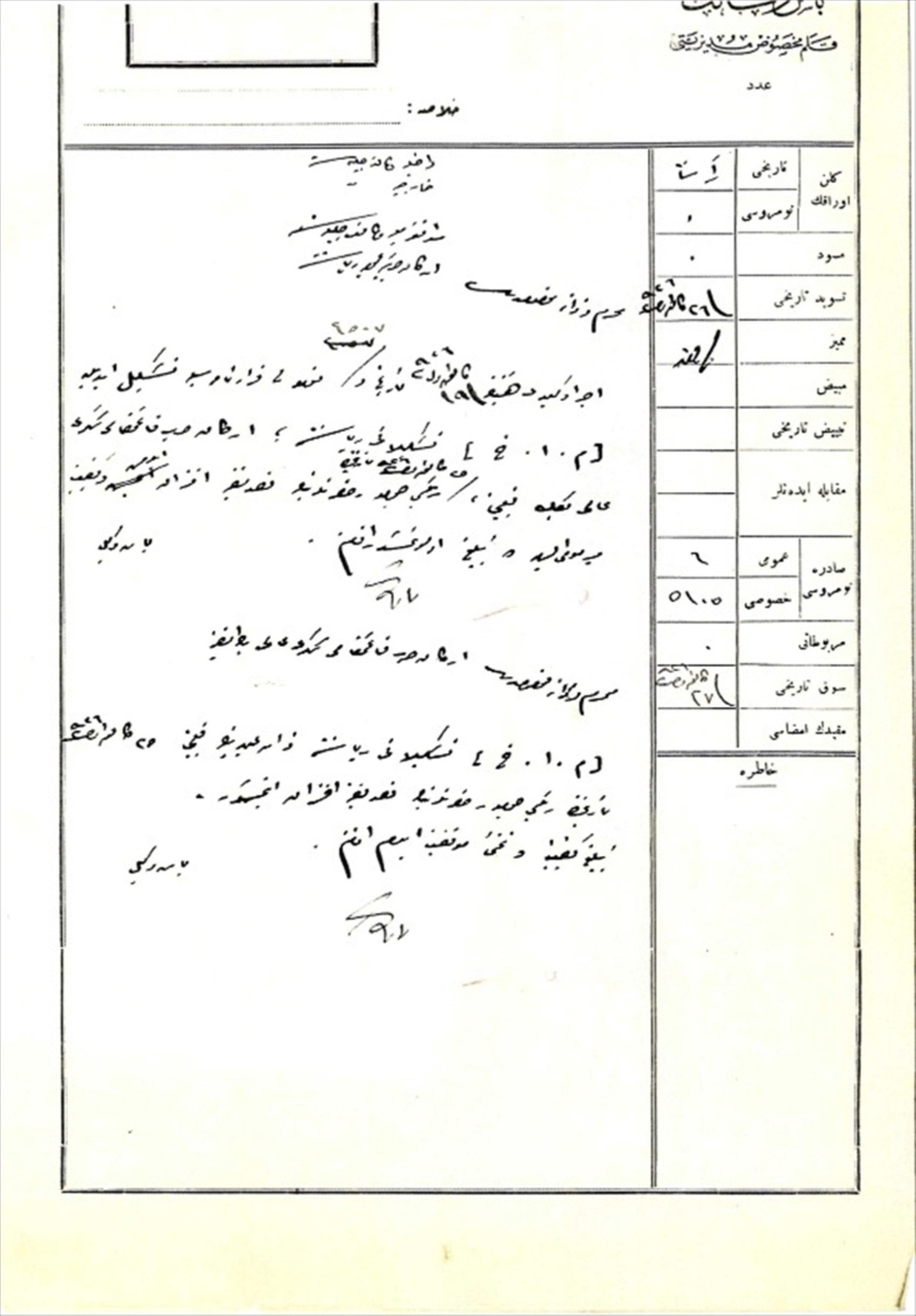
The organization's website also features a decree dated December 25, 1926, bearing the signatures of Prime Minister İsmet İnönü and President Gazi Mustafa Kemal Atatürk, regarding the appointment of Staff Colonel Şükrü Ali Bey to the MAH and stating that the Prime Minister is responsible for the execution of the decree's provisions.
Also included among the reports on the site is a document dated December 27, 1926, stating that Şükrü Ali Bey, an officer in the General Staff, was appointed to the Presidency of the MAH Organization, which was established by a confidential decree of the Council of Ministers on December 19, 1926, and that this notification was made by the Prime Ministry to the relevant institutions and to Şükrü Ali Bey.
A February activity report sent from the Ankara Central Regional Directorate to the National Security Service on March 1, 1927, with the classification "zata mahsustur," meaning "personal/confidential," is published on MIT's website.
On the MIT page, an intelligence document dated March 31, 1928, sent by the Istanbul Regional Directorate to the National Security Service, which includes opinions on the screening of the Soviet author Maxim Gorky's famous novel "Mother" as a film in Istanbul and the possibility that this work could be a powerful piece of communist propaganda, also draws attention.
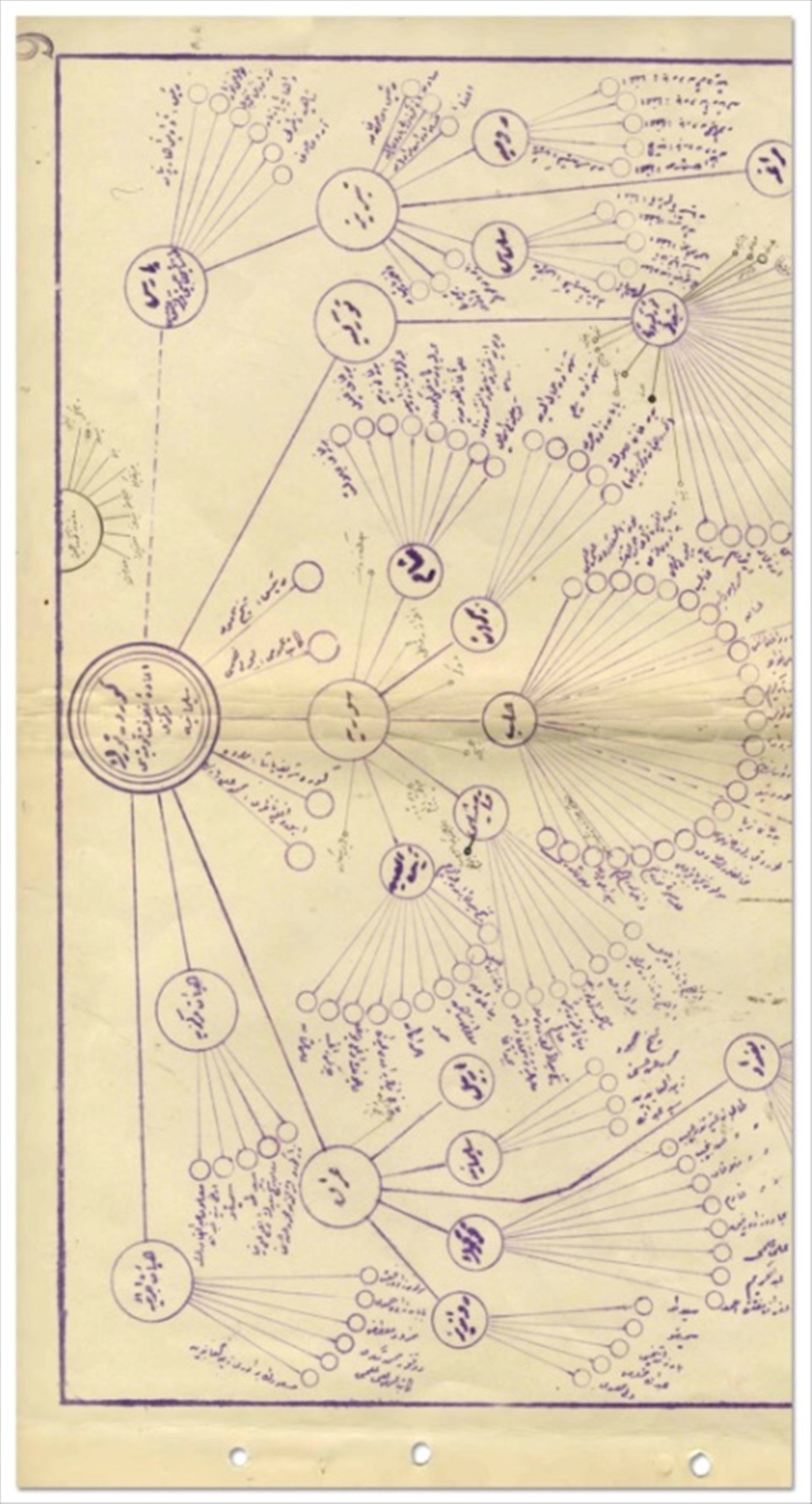
Among the documents, which include an intelligence diagram created under the name "Kurdish-Turkish Caliphate Restoration Committee Organization" regarding activities aimed at the return of the caliphate—which occupied a portion of the MAH's efforts in terms of defense during its founding years—is a letter dated July 4, 1932, from the Izmir Central Directorate regarding the deciphering of a military report written by the newly arrived French Consul in Izmir, which was retrieved from a stove and pieced together.
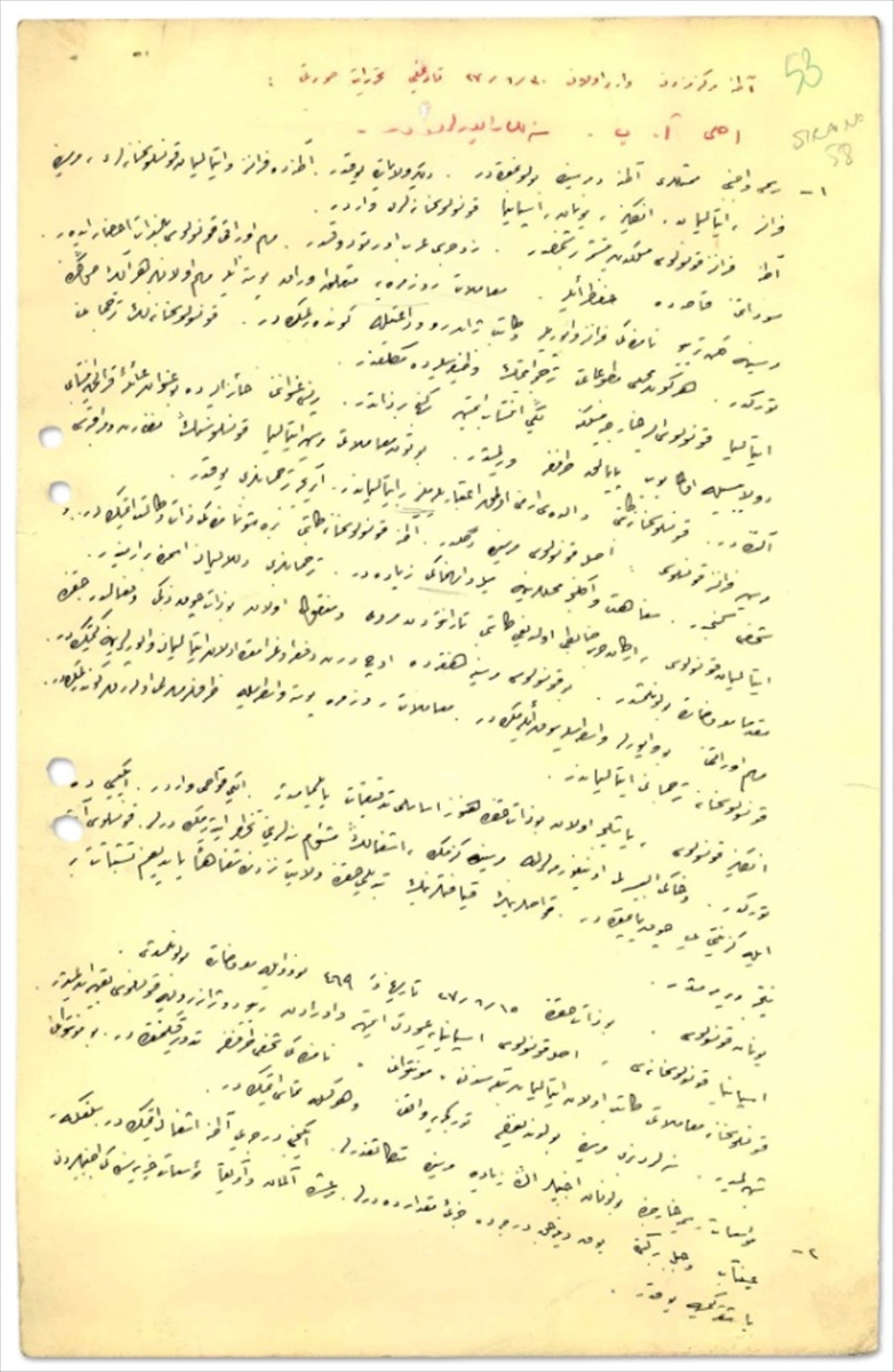
In addition to the original French version of the document after it was reassembled, the Turkish text report is also among the documents published on the organization's website.
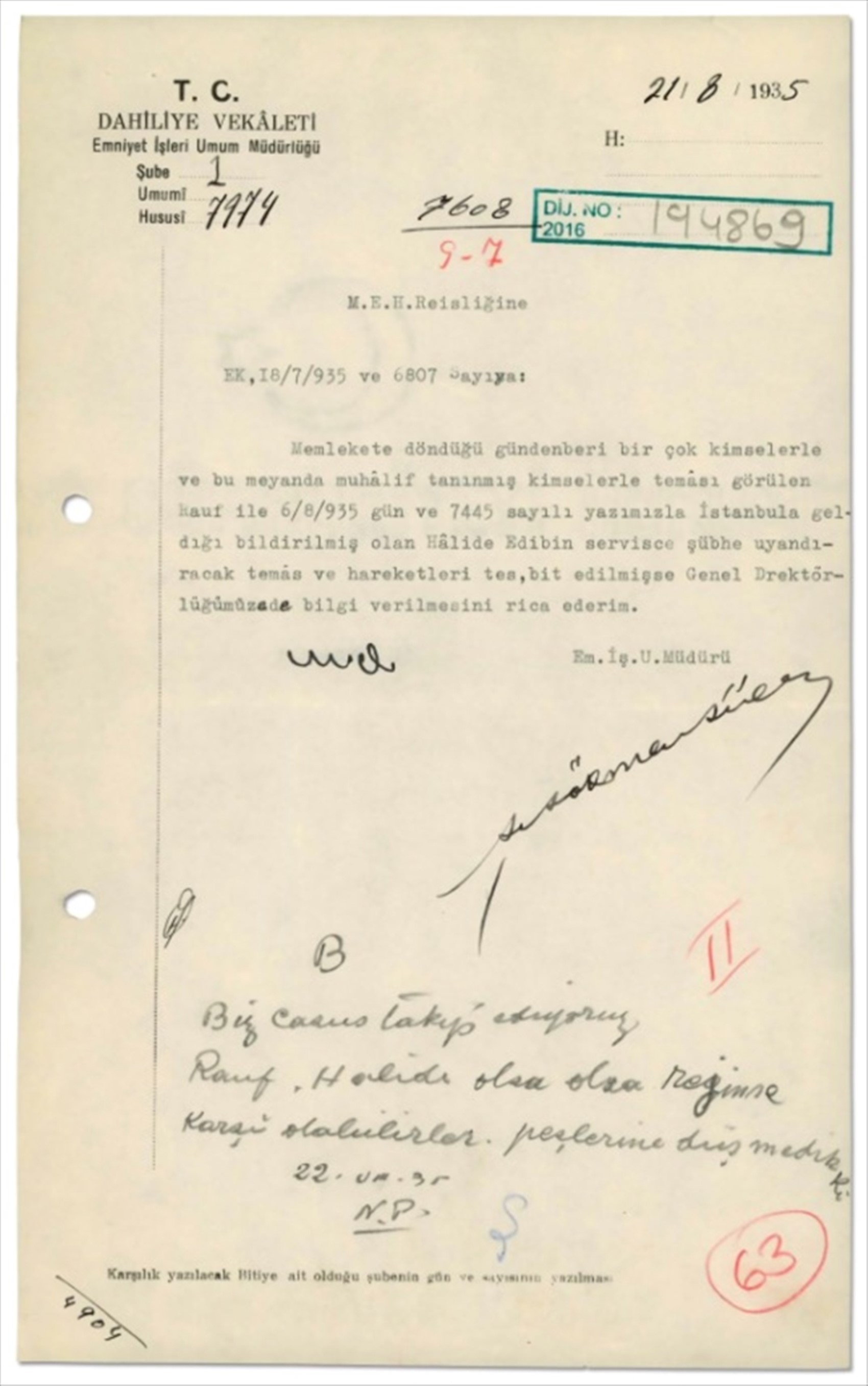
Also included among these documents is a marginal note regarding a request for information from the General Directorate of Security, affiliated with the Ministry of Interior, about Halide Edip Adıvar, who came to Turkey for a short time in 1935, and the response from MAH Deputy President Naci Perkel: "We are tracking spies. Rauf and Halide could at most be against the regime. We haven't gone after them."
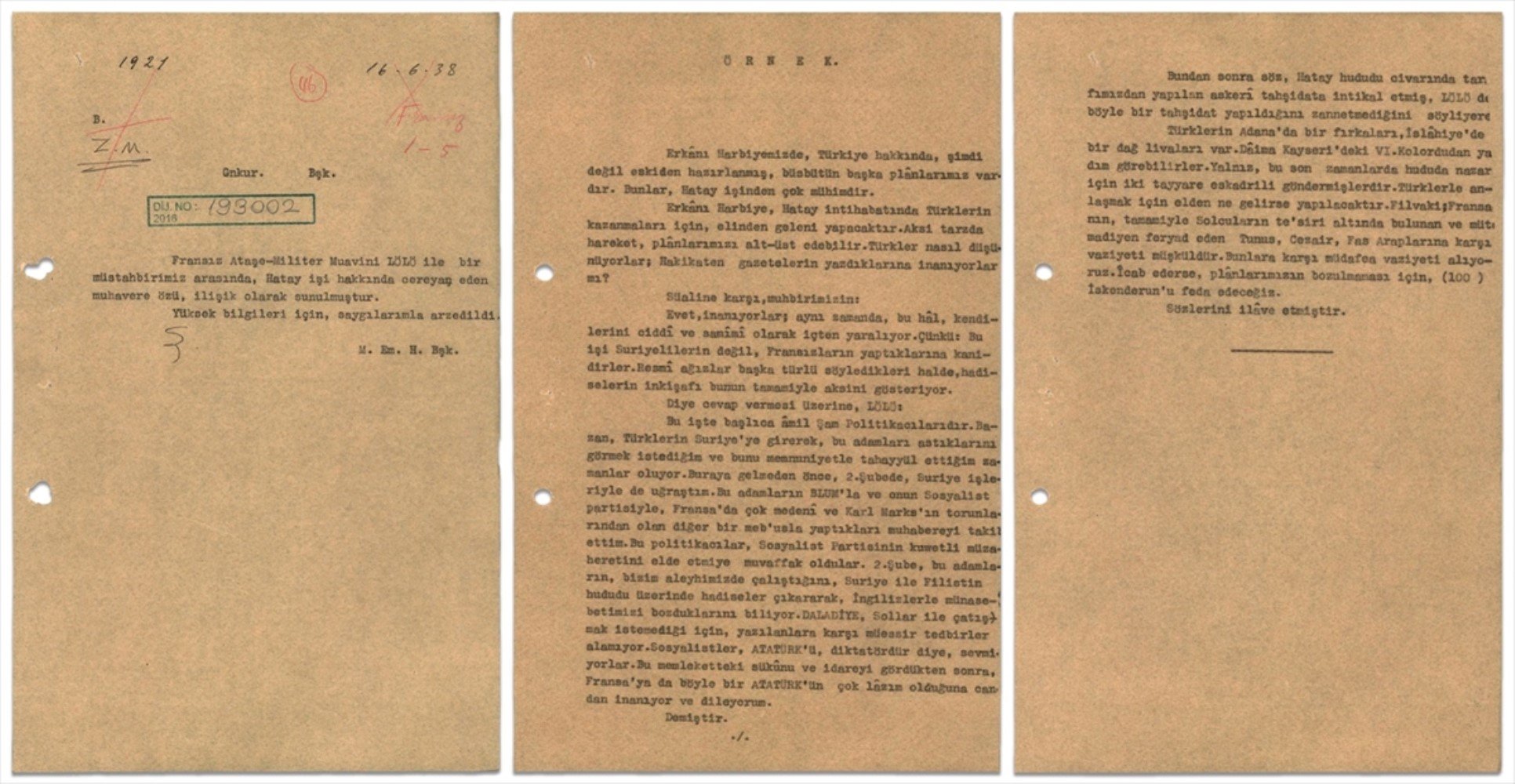
Among the published documents, reports dated June 16, 1938, regarding the MAH's contribution to the efforts to incorporate Hatay into the motherland by obtaining intelligence that the French priority was Tunisia, Algeria, and Morocco, and that they would withdraw from İskenderun if necessary, also stand out.
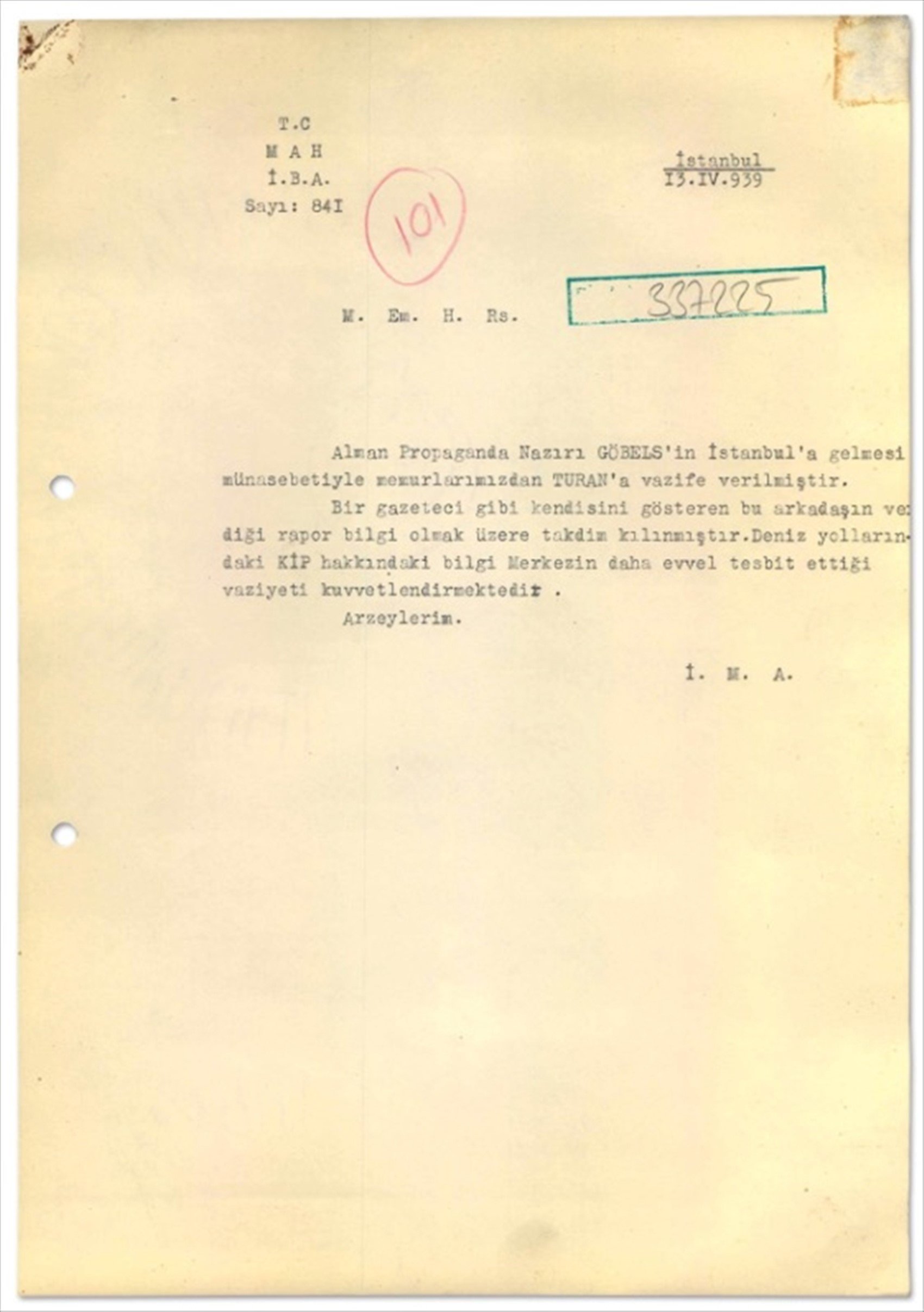
On the other hand, a report dated April 1939, kept by an MAH member posing as a journalist who approached German Propaganda Minister Joseph Goebbels, who came to Turkey shortly before World War II, also stands out on the site.
The report in question contains the following statements:
"Due to the arrival of German Propaganda Minister Goebbels in Istanbul, a task was assigned to our officer Turan. This report is submitted as the information provided by this friend, who presented himself as a journalist. The information regarding the KIP in the shipping lanes reinforces the situation previously identified by the Center. I submit for your consideration."
The final report published in the "documents" section under the "private collection" tab on MIT's official website is an instruction sent to the Ankara Regional Directorate in 1948, signed by MAH President Naci Perkel, regarding a suspicious individual.
News Source : 12punto
Most Read

Striking picture for Özgür Özel's 'New Party'

The PKK opening and Özgür Özel’s path!..

How did the newspapers view Özgür Özel's farewell to the CHP?

He killed his wife by slitting her throat: Their children witnessed the moments

What did the CHP do?

Özel’s new party move in the world press

Fire at TUSAŞ engine factory in Eskişehir under control

The New CHP, against CEHAPE

From self-efficacy to despair

Kılıçdaroğlu's first message on Özgür Özel's new party announcement