

Went down in medical history: Fell asleep at 14, woke up at 46
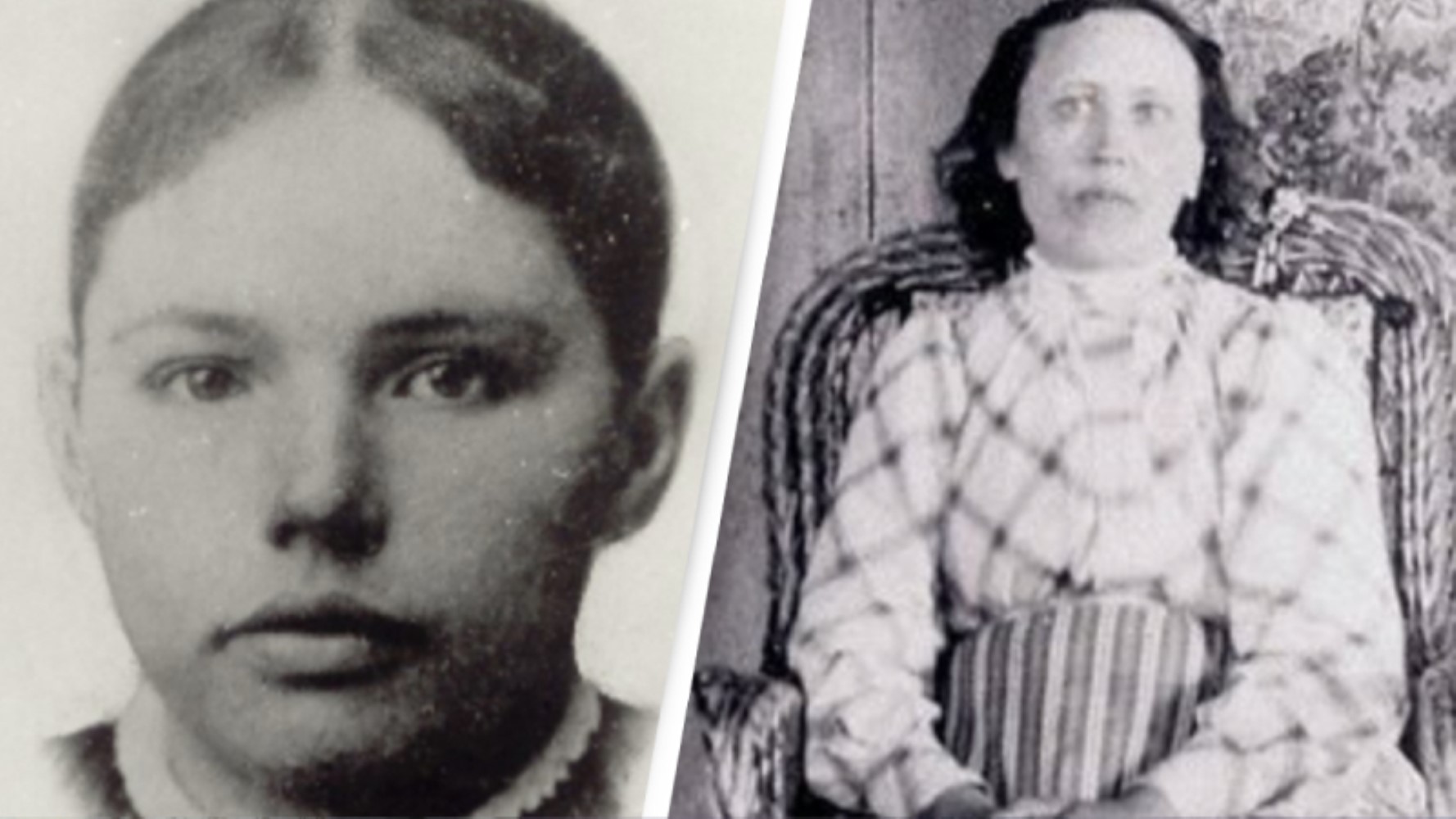
Karolina Olsson, who hit her head after falling while crossing a frozen river in Sweden, suffered from an unbearable toothache. The young girl went to her bed and could not get up from the bed she lay in that night for 32 years. Here is the interesting story of the woman who fell asleep at 14 and woke up at 46




Karolina Olsson was born in the Oknö region of Sweden. The first 14 years of her life were as ordinary as those of her peers. However, on an ordinary day, she fell on her way home from school and hit her head. When she arrived home and told her family about the situation, they intervened immediately.
A short time later, the young girl had no remaining issues. However, on another day returning from school, she ran home with a deep toothache and a swollen face. This time, her family suggested she go to bed and rest, assuring her that she would be fine by morning. Little Karolina went to her bed, and she did not wake up from the bed she lay in that night for 32 years.
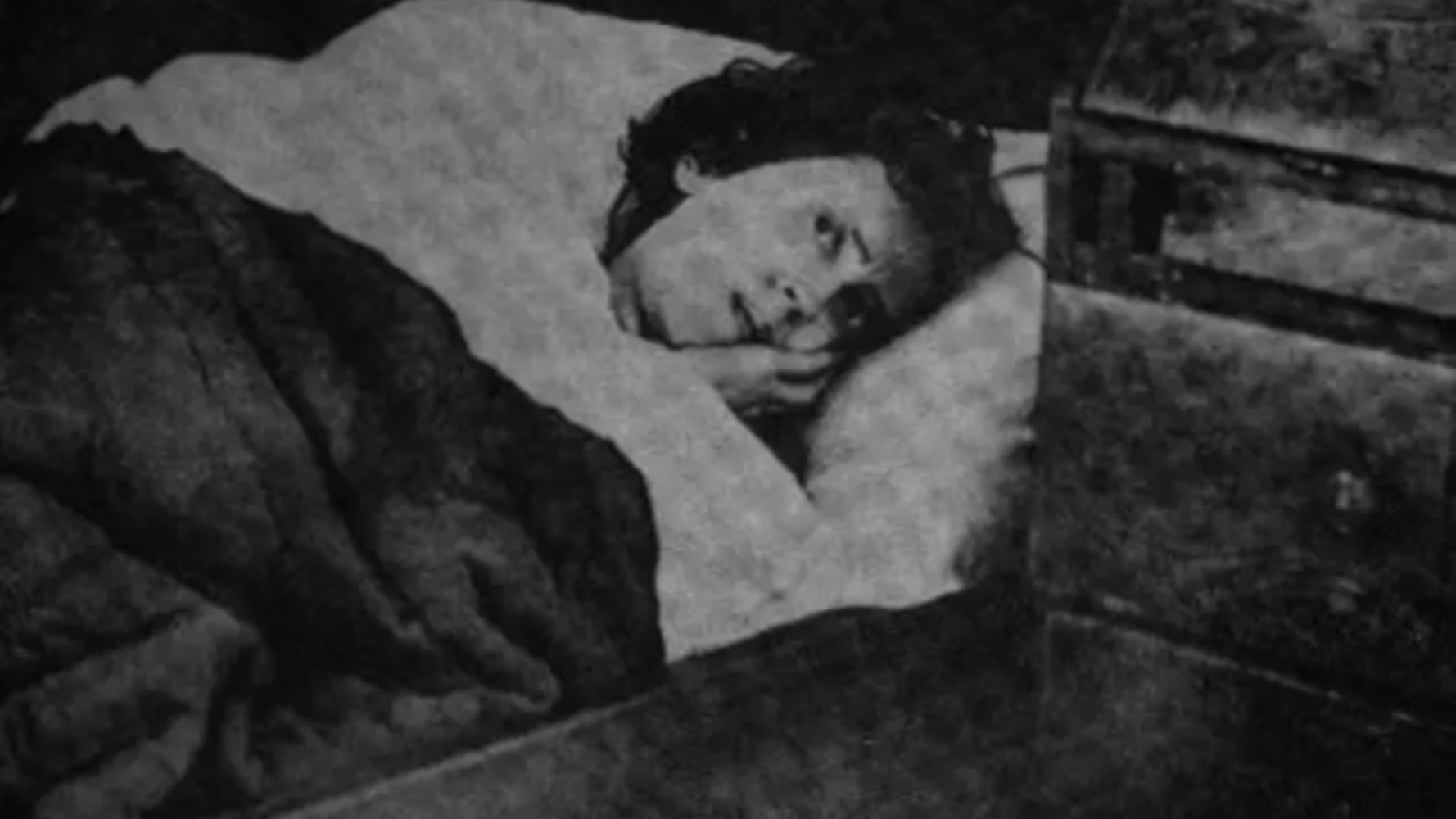
Months passed, the family was now desperate and did not know what to do. Six years after Karolina fell asleep, her family took her to the doctor. The family, who had full faith that their daughter would wake up at the hospital, was devastated once again when they saw that she did not wake up despite being given electric shocks.
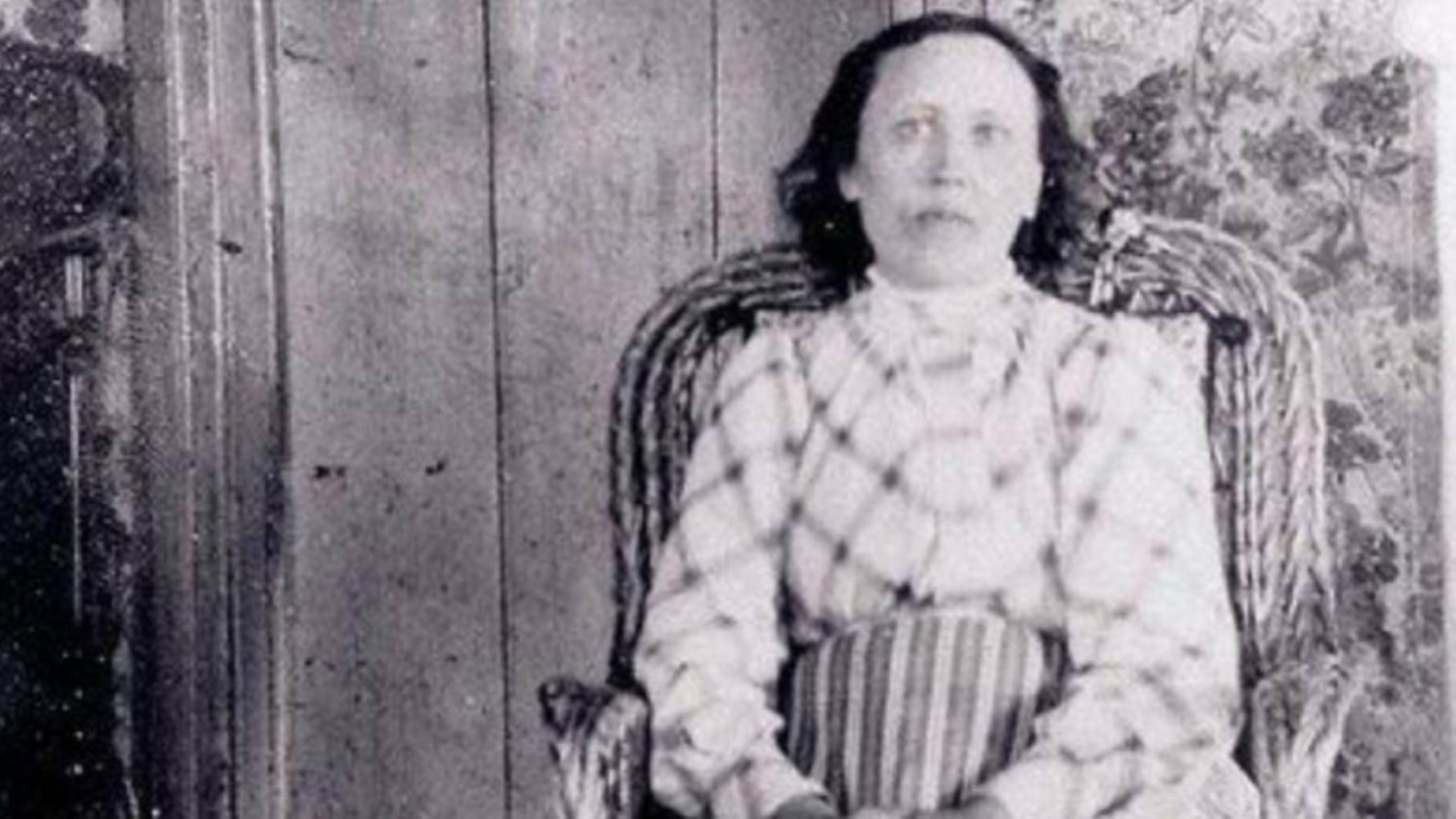
The family, lacking the financial means to afford a doctor, relied on the advice of the town midwife. Olsson's mother forced her to drink milk and sugar water. Neighbors paid for a doctor who, for a year, was unable to rectify the situation.
Karolina's condition contradicted all studies on sleep disorders conducted up to that time. The doctors who saw her could do nothing but express their astonishment, yet they had a theory. In the physicians' opinion, Karolina might have suffered a stroke associated with dementia. However, they were never able to prove this.
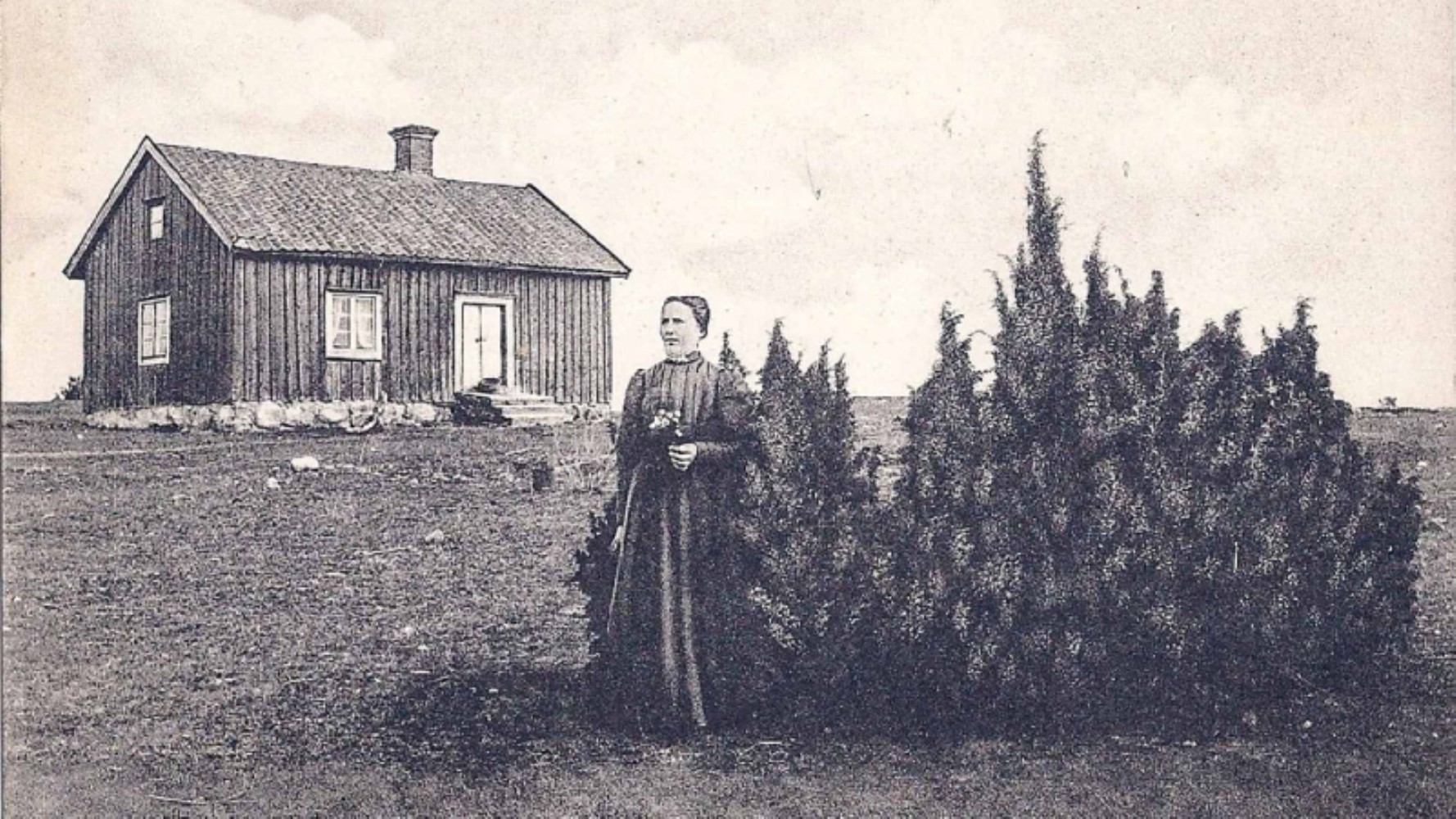
Karolina's family has now accepted this situation. So much so that her mother continued to feed her milk every night while she was sleeping. Interestingly, Karolina could not eat any food given from the outside, but her body accepted the sugary milk. Despite sleeping, she was not losing any weight, and furthermore, her nails and hair were not growing.
What was interesting about Karolina's condition was that despite sleeping for years, her mind remained quite active. According to observations, Karolina reacted to events around her with small facial expressions. Just like the tears that streamed from her eyes for days following her brother's death.
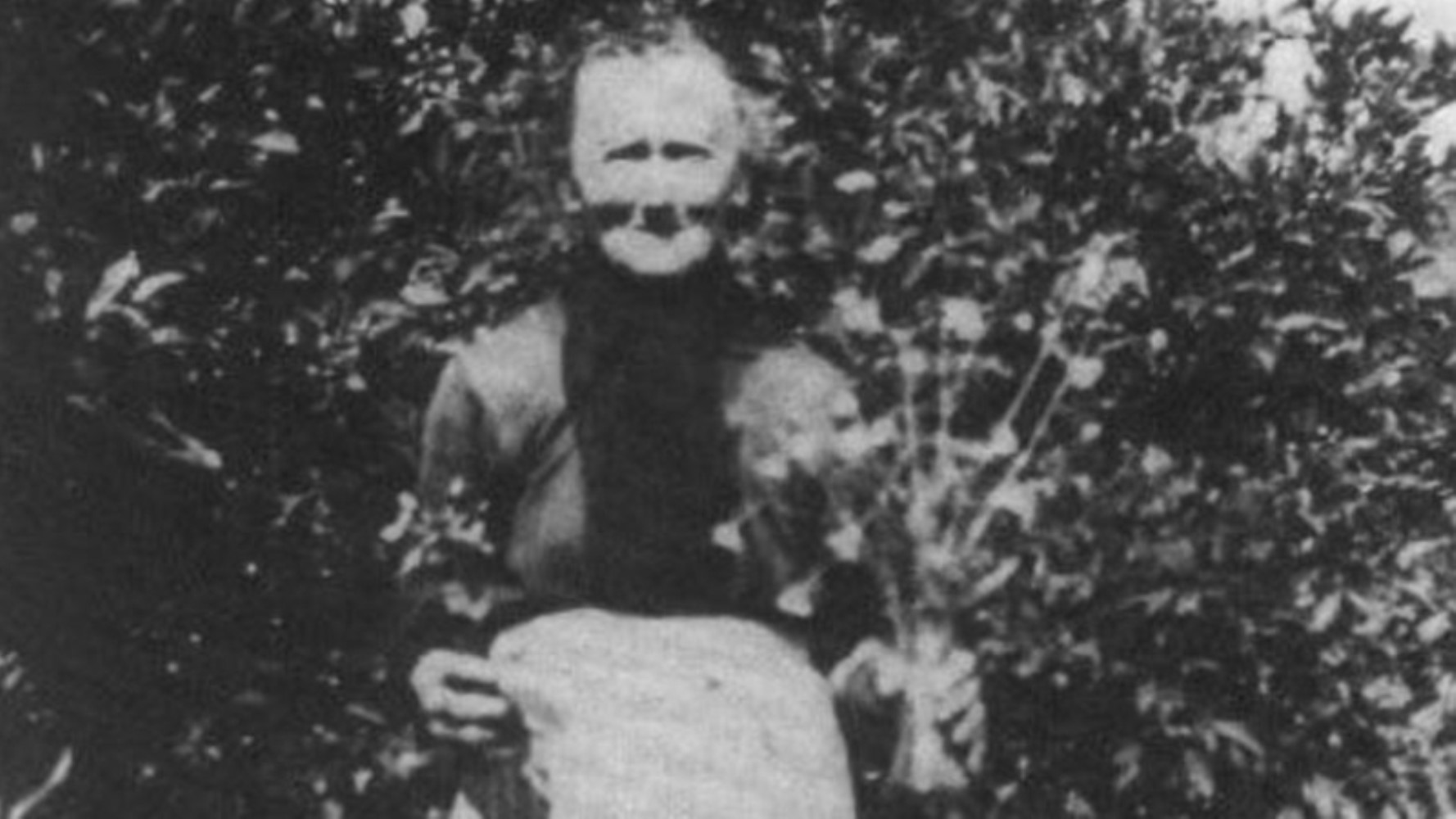
The mother of Karolina, who cared for her daughter for 29 years while she slept, has passed away. With no one left to look after Karolina, her family hired a caregiver for her. The caregiver fulfilled all of her needs completely and maintained the routine established by her mother. Just 3 years after her mother's death, an incredible change occurred in Karolina's condition.
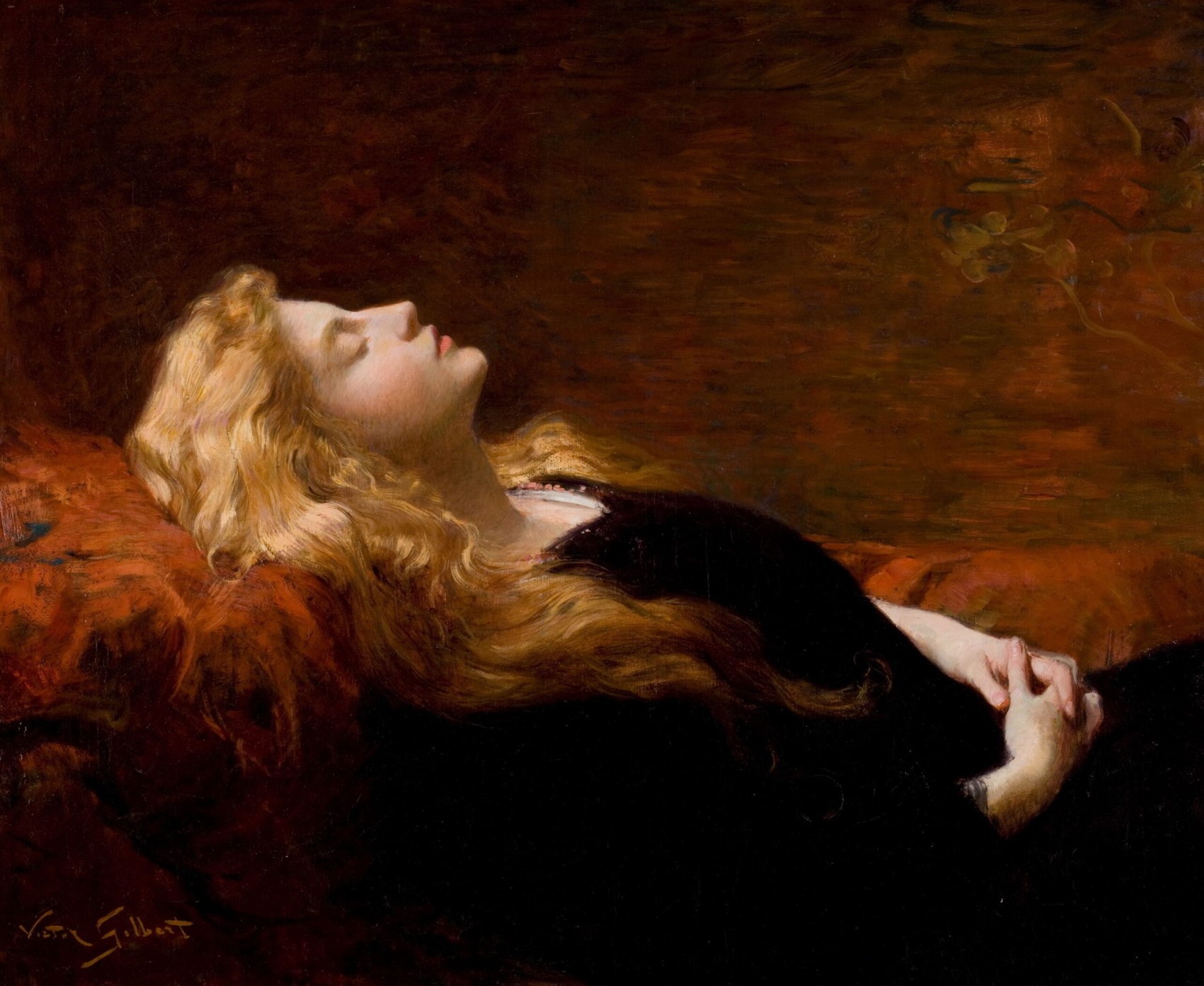
Finally, on April 3, 1908, a maid found Karolina crawling on the floor. She was weak and pale, sensitive to light, and had some difficulty speaking. The news caused great excitement. Reporters, doctors, and onlookers went to Oknö to ask her about her experiences, but she said she remembered nothing of the 32 years that had passed since she fell asleep.

According to her, she was still a 14-year-old girl who had just woken up the morning after the night she went to sleep. Yet, Karolina was now 46 years old. The strange thing was that she looked as young as someone between 25 and 30. She was subjected to psychiatric tests in Stockholm, and it was determined that she had retained all the abilities she possessed before she fell asleep.
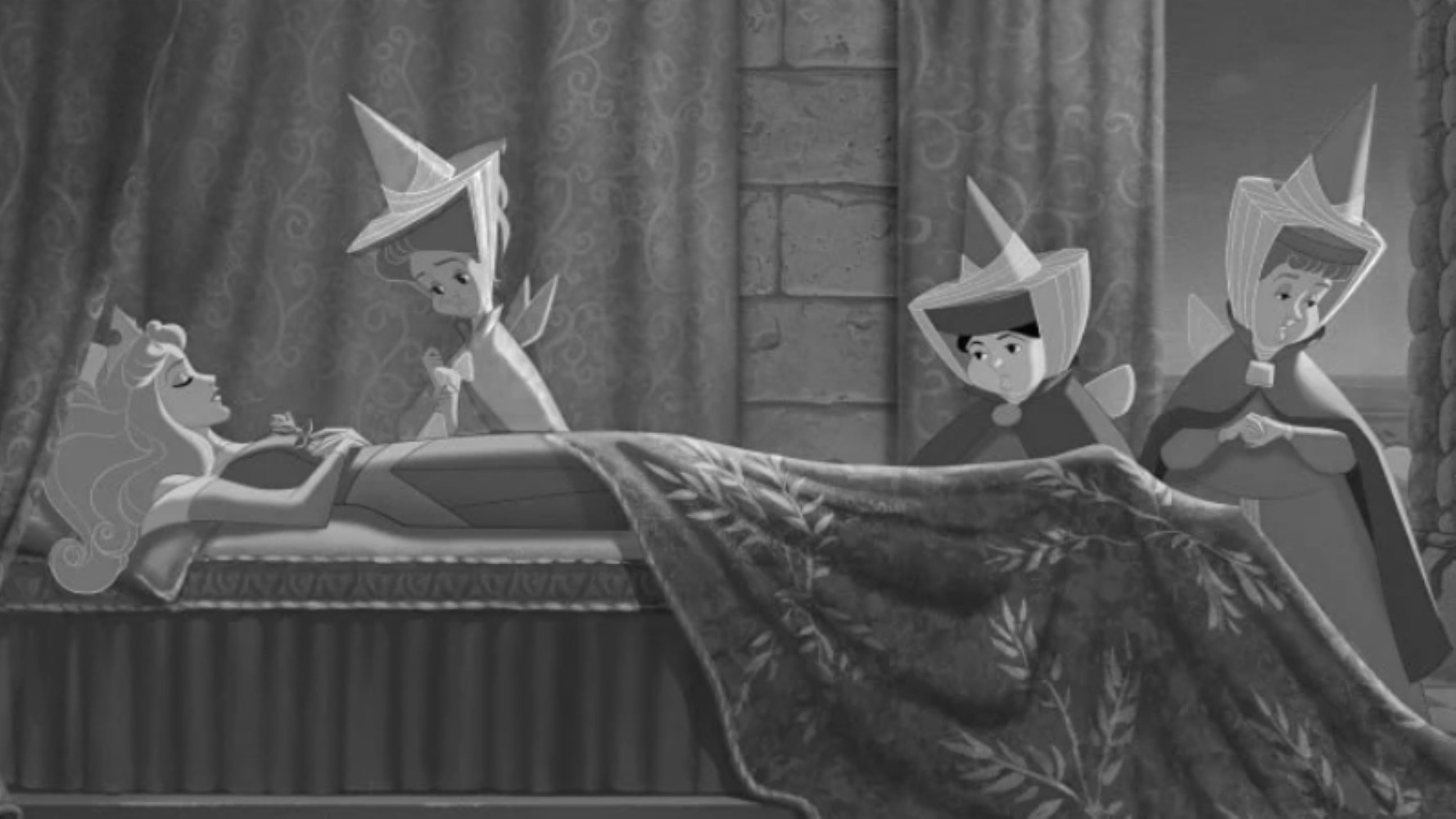
After waking up, Karolina returned to her life and lived for another 40 years. She passed away on April 5, 1950, at the age of 88. Karolina's unique story led to her being known as the "Sleeping Beauty of Oknö."
WHAT IS KLEINE-LEVIN (KLS) SYNDROME?
Kleine-Levin syndrome (KLS), also known as sleeping beauty syndrome or human hibernation syndrome, is a very rare neurological-psychiatric disorder. It is generally more common in adolescence and in male individuals. Seventy percent of patients are adolescent males. Although it is frequently encountered during adolescence, it is also observed in adults and children.
News Source : 12punto
Most Read

Striking picture for Özgür Özel's 'New Party'

Özgür Özel gives a dated response regarding the number of resignations

Forest fire in Antalya brought under control

The PKK opening and Özgür Özel’s path!..

How did the newspapers view Özgür Özel's farewell to the CHP?

He killed his wife by slitting her throat: Their children witnessed the moments

What did the CHP do?

Özel’s new party move in the world press

The New CHP, against CEHAPE

From self-efficacy to despair