

Experts warn: Products you should avoid when grocery shopping
Some products frequently chosen during grocery shopping draw attention due to their negative effects on both health and budget. Experts are informing citizens about which products should be avoided for a healthy and economical shopping experience. Here are the products that citizens should stay away from when grocery shopping...



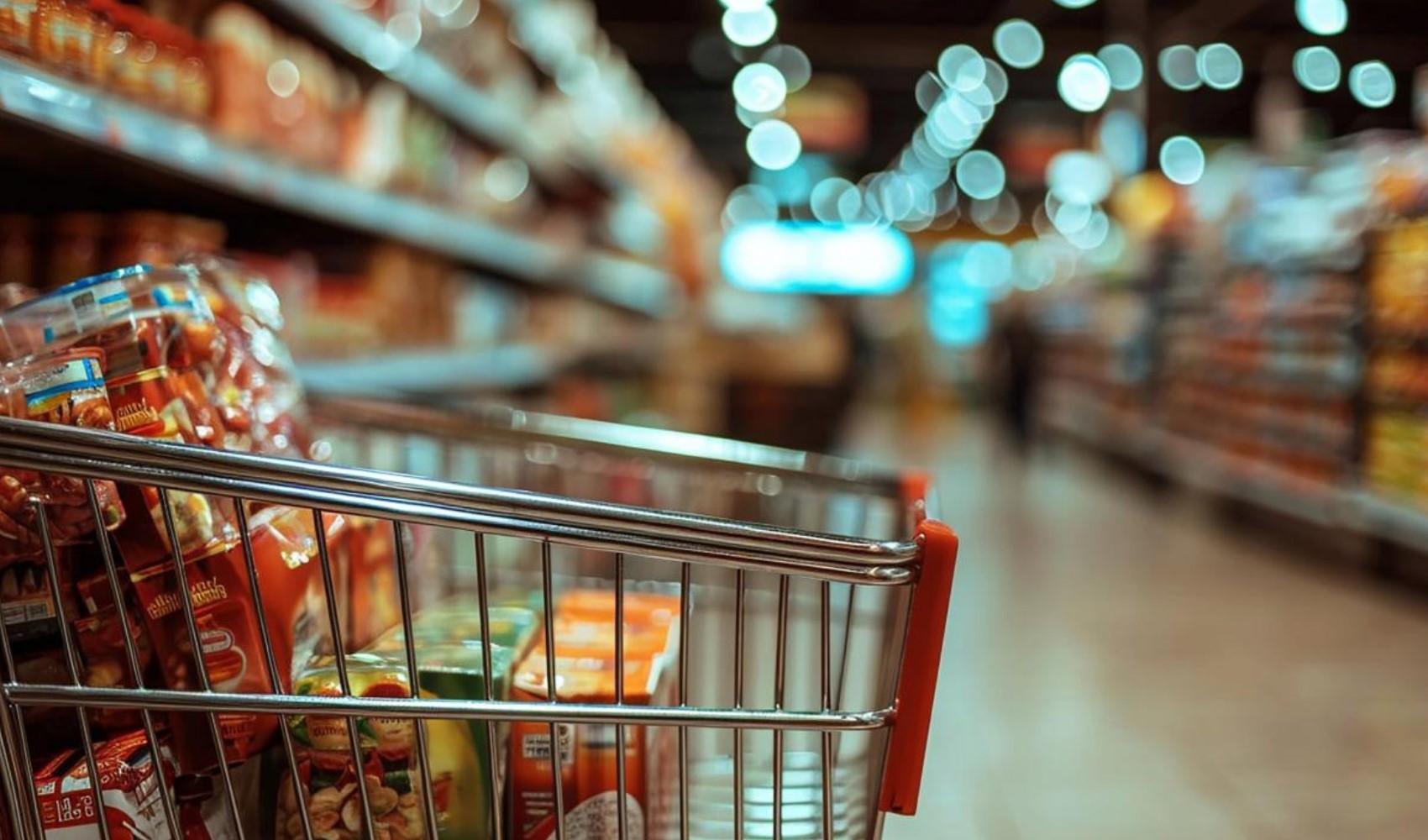
Many products on supermarket shelves are chosen under the assumption that they are practical and economical, yet they carry serious risks in terms of health and savings. A study conducted by PCI-certified health coach Steve Bennett and his team reveals that consumers need to reconsider their habits.
Breakfast cereals and granolas are quite rich in sugar despite their healthy image. Steve Bennett stated, "The effect that consuming a bowl of cornflakes has on your blood sugar is almost the same as consuming 19 teaspoons of sugar." Bennett also warned against fruit juices with high fructose content and low-fat products that have sugar added to them instead.
Dietitian Dr. Sarah Schenker says that instant cup noodles, while appearing to be a practical option, lack nutritional value. "Vitamins are lost during the drying process. Furthermore, due to the lack of fiber and protein, you will feel hungry again in a short time; it creates almost the same effect as eating a plate of crackers," she said.
Many consumers prefer pre-cut fruits and vegetables, pre-shredded cheeses, or spices in small packaging that offer 'convenience.' However, shopping experts Sarah-Jane Outten and Clay Cary emphasize that these types of products cost three times more than whole fruits and vegetables and have a very short shelf life. Regarding cheese, it is noted that products bought in blocks are more affordable on a per-kilogram basis, and that pre-shredded cheeses contain additives to prevent them from clumping.
There is a similar savings recommendation for water consumption. Experts state that using a water filter instead of bottled water can provide savings of up to a thousand pounds per year in the long run. Additionally, for spice shopping, buying in bulk from international food stores is highlighted as a more economical option than the small jars sold in supermarkets.
Pharmacist Abbas Kanani reminds that one should be careful about high-dose vitamins and supplement products sold in markets. Kanani stated, "These products, when used without professional consultation, can interact with existing medications and cause more harm than good."
Similar warnings exist for branded cleaning products. Experts state that choosing generic products instead of brands, or using natural ingredients like vinegar and baking soda directly, will contribute to both the budget and the environment. Travel-sized bath products are seen as a 'money trap' due to their high unit prices; instead, it is recommended to use refillable bottles.
Avoiding certain products on supermarket shelves when prioritizing health and savings is important for protecting both individual budgets and long-term general health.
News Source: 12punto
Most Read

Striking picture for Özgür Özel's 'New Party'

Özgür Özel gives a dated response regarding the number of resignations

The PKK opening and Özgür Özel’s path!..

Forest fire in Antalya brought under control

How did the newspapers view Özgür Özel's farewell to the CHP?

He killed his wife by slitting her throat: Their children witnessed the moments

What did the CHP do?

Özel’s new party move in the world press

The New CHP, against CEHAPE

Fire at TUSAŞ engine factory in Eskişehir under control