

A new discovery from the scientific world: Skin aging could be delayed!
New discoveries from the scientific world are coming one after another. Most recently, it was discovered how the human body produces skin cells from stem cells. Within the scope of these findings, methods to delay skin aging could be developed.



As part of the Human Cell Atlas project, one of the world's most ambitious research programs, it has been discovered how the human body produces skin cells from stem cells. Scientists have succeeded in producing a small amount of human skin in a laboratory environment.
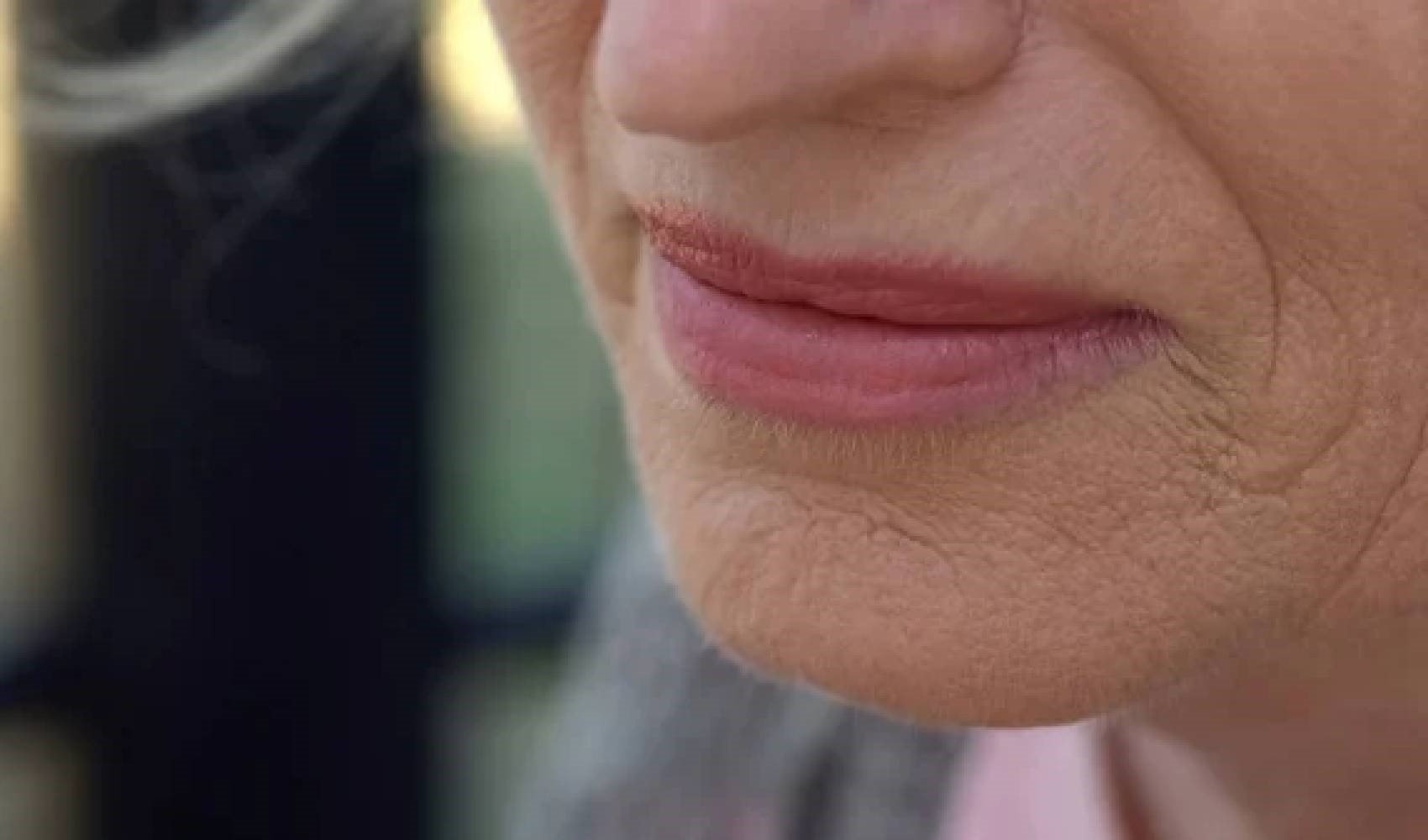
It is believed that the findings of the research could help delay skin aging.
Furthermore, it is stated that it could be used for cell production for skin grafts and in the prevention of scarring.
The Human Cell Atlas project aims to understand how every single part of the human body is formed, cell by cell. The international project is centered at the Wellcome Sanger Institute at the University of Cambridge.
Prof. Muzlifah Haniffa, one of the project's leaders, said that their work could help find new ways to treat diseases more effectively, while also keeping people healthy for longer and even younger. Haniffa, who also said, "If we can manipulate the skin and prevent aging, we will have fewer wrinkles," asked, "If we can understand the changes of cells from their initial development to aging in adulthood, how can we regenerate organs, how can we rejuvenate the heart, the skin?" and added, "We can test these."
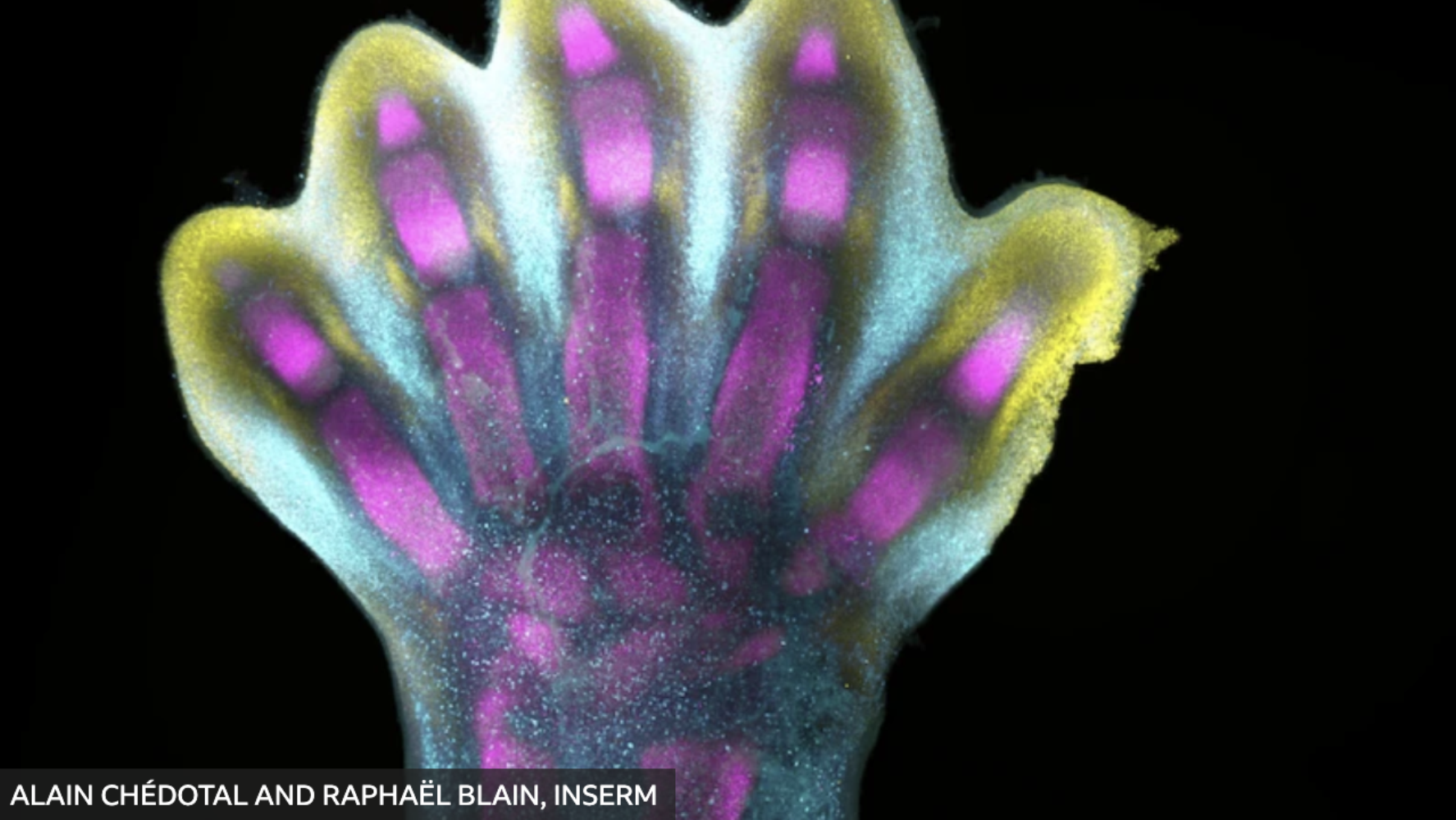
It does not seem possible for researchers to reach this stage in the near future, but they have made progress in understanding how skin cells develop in a fetus in the womb.
When an egg is first fertilized, all cells are identical. However, three weeks later, specific genes in special cells called "stem cells" are activated and produce instructions. Thus, the process of gathering and specializing to form the body's limbs begins.
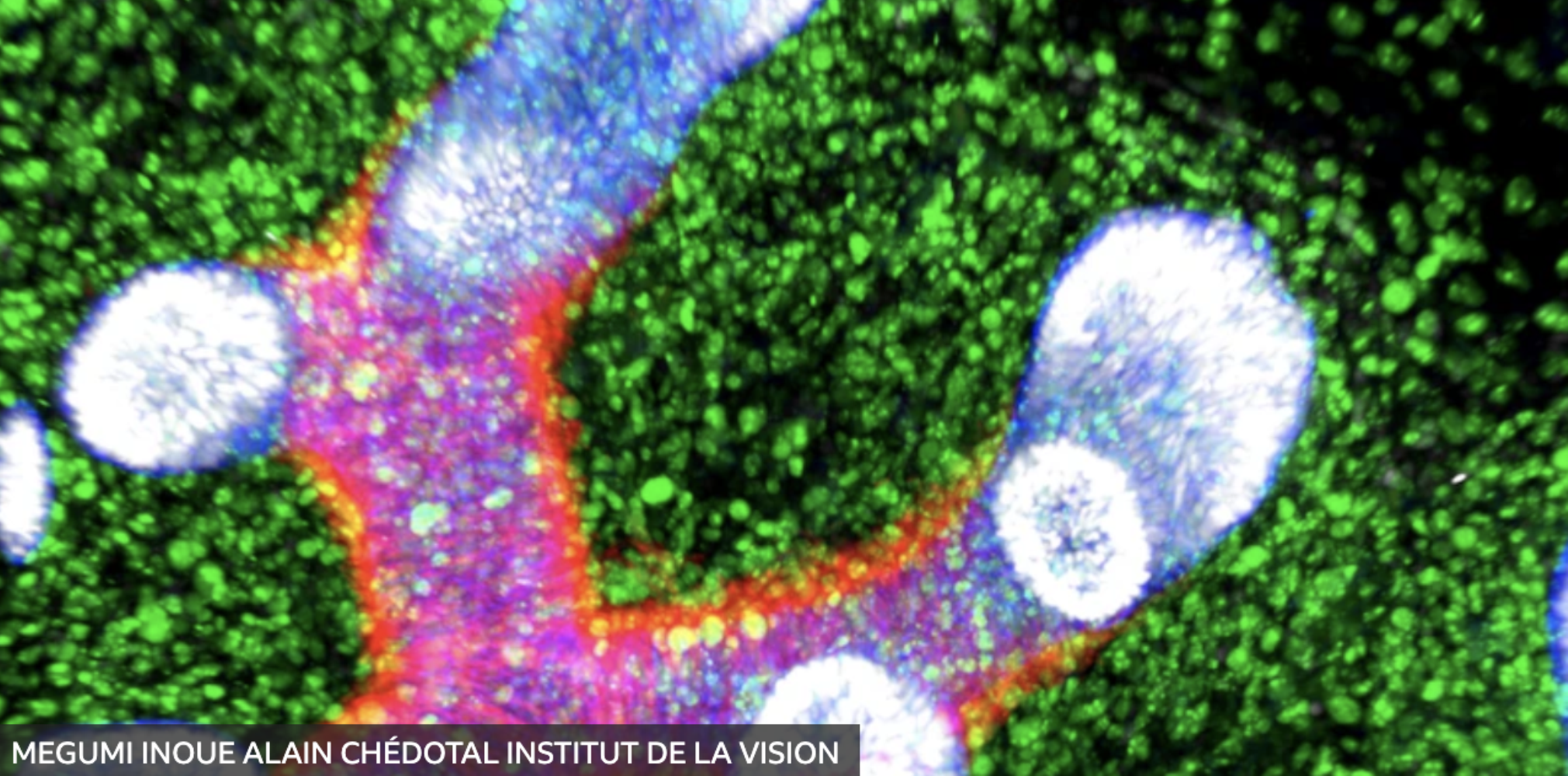
Researchers have identified which genes are activated at what times and in what places to form the skin, the body's largest organ. These are distinguished when colored using specific chemicals under a microscope. Genes that turn orange form the surface of the skin. Those that are yellow determine skin color. Apart from this, there are many other genes that grow hair, allow us to sweat, and form other structures that protect us from the outside world.
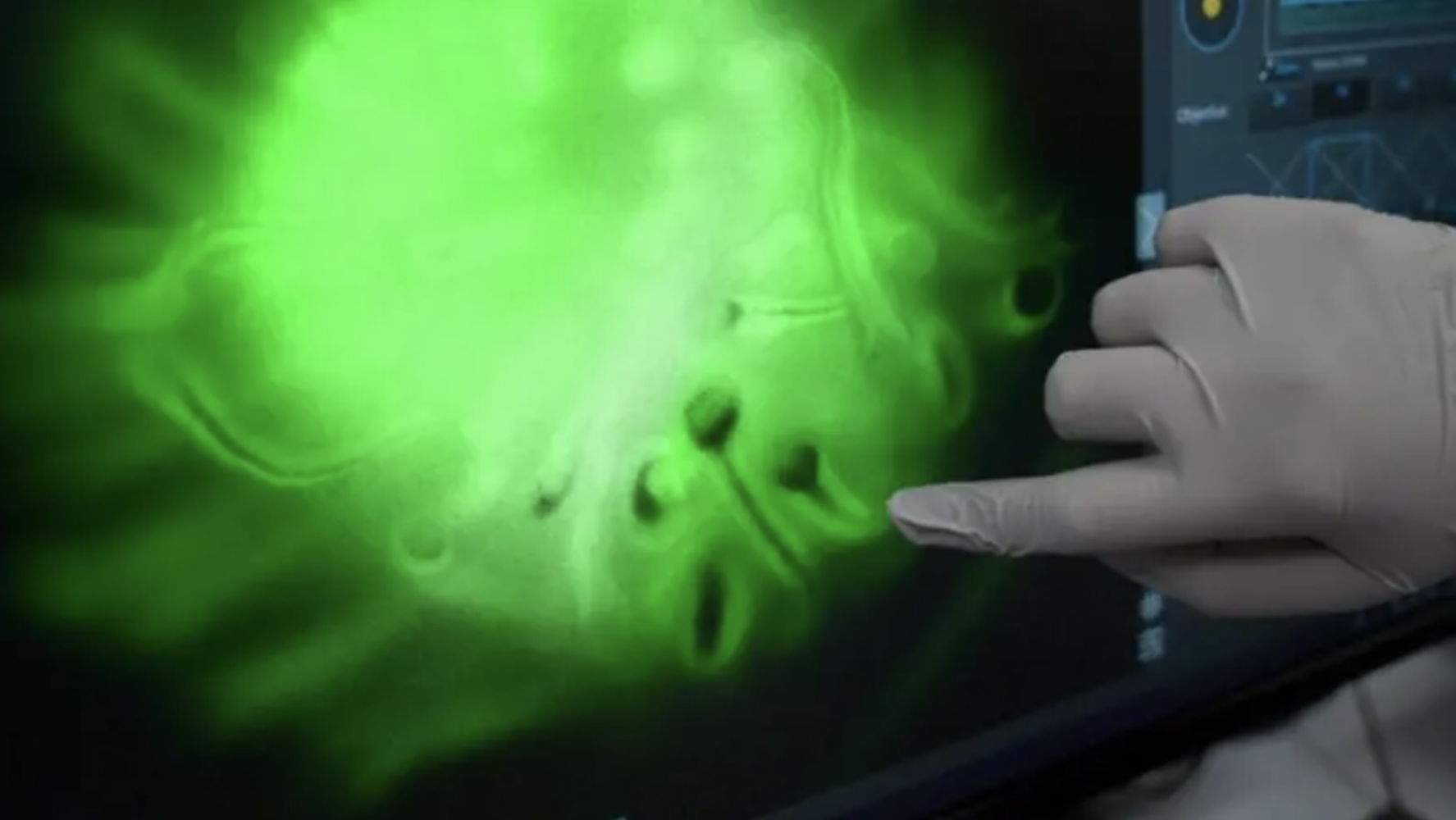
The research, published in the journal Nature, revealed the command sequence that stem cells use to create human skin. Being able to read these instructions brings exciting possibilities. Scientists already know that fetal skin heals without leaving a scar. The newly discovered instruction index details how this happens. The next area of research could be replicating this in adult skin for use in surgical procedures.
Another important development was that scientists discovered that immune cells play a critical role in the formation of blood vessels in the skin. Following this, they were able to mimic these instructions in the laboratory. By using chemicals that turn genes on and off at the right time and in the right place, they produced artificial skin from stem cells. So far, they have produced small pieces of skin, and small hairs have grown from them.
According to Prof. Haniffa, the ultimate goal is to perfect the technique. "If we know how human skin is made, we can use it for burn patients with tissue grafts, or if we can create hair follicles, we can enable bald people to grow hair," she says.
The skin in the laboratory can also be used to understand how hereditary skin diseases develop and to test potential new treatments.
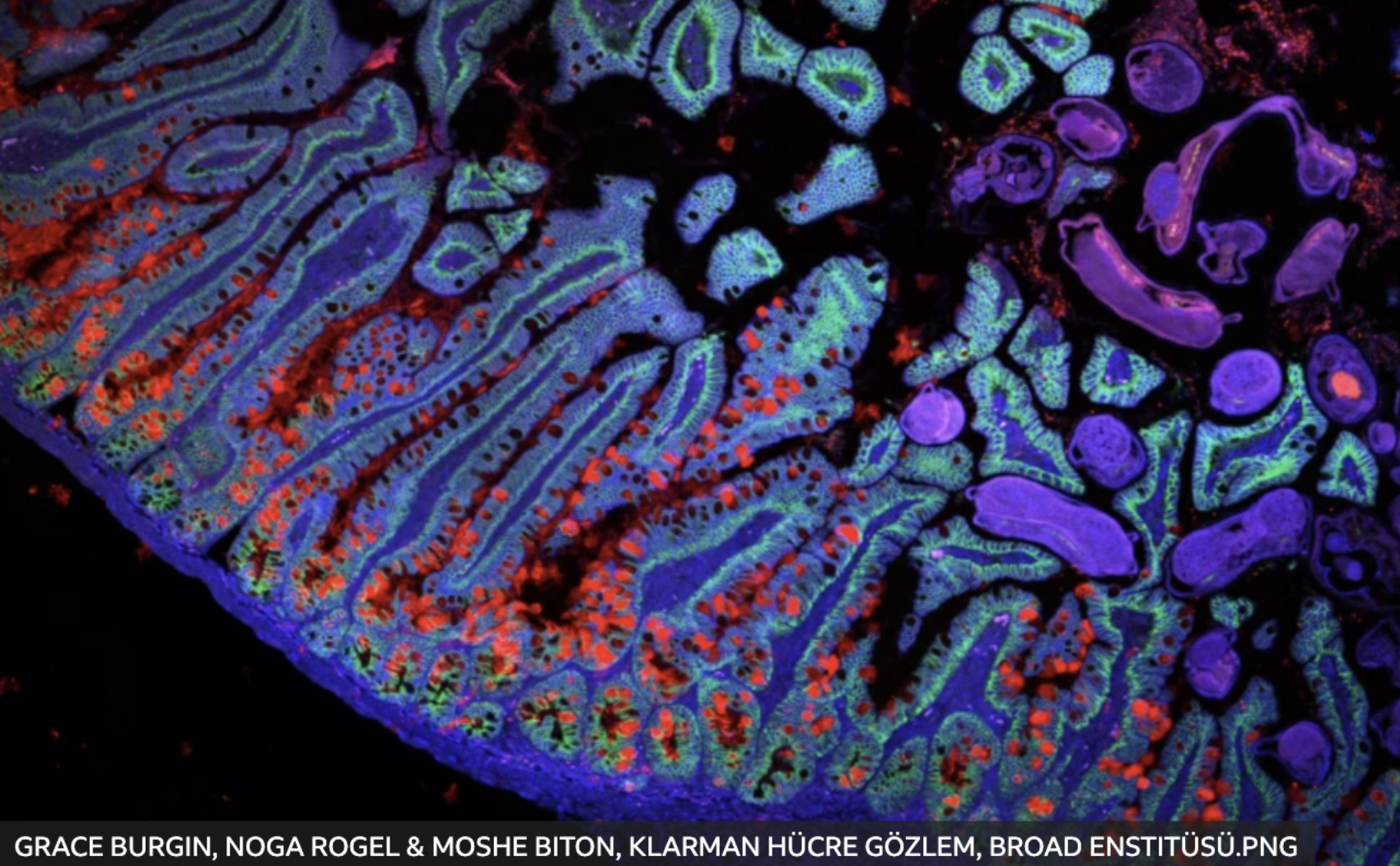
Instructions to activate and deactivate genes are sent from all over the developing embryo and continue from birth into adulthood, ensuring the development of all different organs and tissues. Since it began 8 years ago, the Human Cell Atlas project has analyzed 100 million cells from different parts of the body. It has produced draft atlases of the brain and lung. Researchers are working on the kidney, liver, and heart. According to Professor Sarah Teichmann of the University of Cambridge, one of the founders and leaders of the Human Cell Atlas Consortium, the next stage is to bring the separate atlases together.
"It's incredibly exciting because it provides us with new insights into physiology and anatomy and advances our understanding of humans.
"We will see the books being rewritten about ourselves, our tissues, our organs, and how they work."
Genetic instructions on how other parts of the body are formed will be published in the coming weeks and months, until we finally have a more complete picture of how humans are made.
News Source: 12punto
Most Read

Striking picture for Özgür Özel's 'New Party'

Özgür Özel gives a dated response regarding the number of resignations

Forest fire in Antalya brought under control

The PKK opening and Özgür Özel’s path!..

Houthis strike Saudi-owned tanker

How did the newspapers view Özgür Özel's farewell to the CHP?

What did the CHP do?

Özel’s new party move in the world press

The New CHP, against CEHAPE

From self-efficacy to despair