

Pay attention if you are experiencing any of these symptoms!
Cardiology Specialist Prof. Dr. Mehmet Vefik Yazıcıoğlu made important statements regarding heart attacks. Yazıcıoğlu stated that certain precautions can reduce the risk of a heart attack.



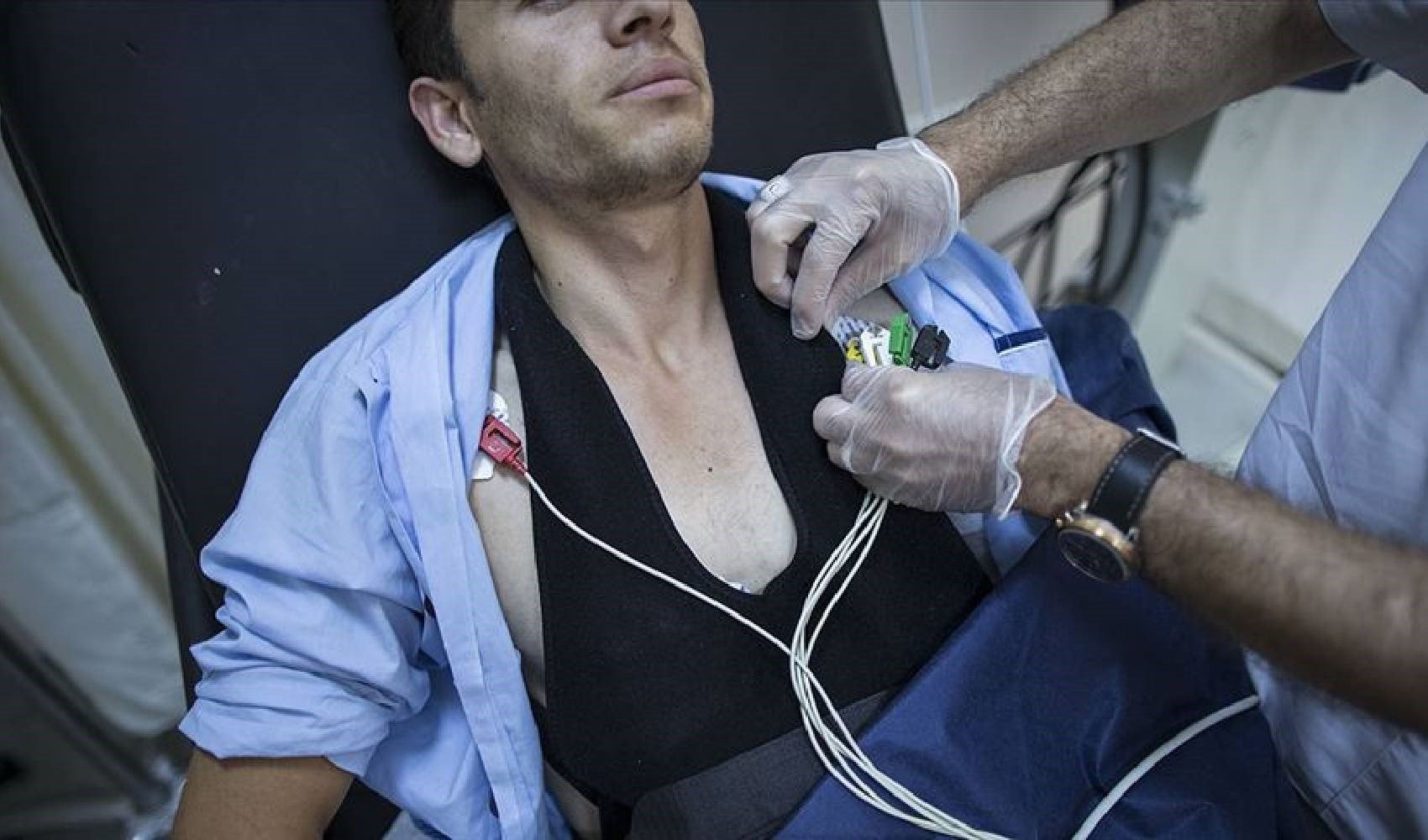
Cardiology Specialist Prof. Dr. Mehmet Vefik Yazıcıoğlu stated, "A healthy lifestyle, regular exercise, a balanced diet, and following medical advice are key factors in reducing the risk of a heart attack. These measures, in addition to improving overall health, can significantly lower the risk of a heart attack," and underscored that annual health check-ups play a critical role in identifying and managing risk factors.
PAY ATTENTION IF YOU ARE AT THESE AGES
"A heart attack is one of the most common health problems worldwide and can affect people of all ages. However, some age groups are at higher risk. Generally, men aged 45 and over and women aged 55 and over are considered to be at higher risk. This means that in addition to age, factors such as smoking, high blood pressure, high cholesterol, diabetes, obesity, a sedentary lifestyle, and a family history of early-onset heart disease also increase the risk of a heart attack.
HEART ATTACK RISK CAN BE ASSESSED USING MANY METHODS
There are many methods used to assess the risk of a heart attack, and the most well-known among these is the Framingham Risk Score. This method calculates the percentage risk of having a heart attack or developing heart disease within the next 10 years by taking into account a person's age, gender, cholesterol levels, smoking status, blood pressure values, and diabetes status.
CAN BE MILD AND VAGUE
Heart attack symptoms can sometimes be mild and vague, but some symptoms require emergency intervention. These include pain, tightness, a feeling of heaviness or fullness in the chest; pain spreading to the jaw, neck, back, or arms; nausea, indigestion, heart palpitations; cold sweats, and shortness of breath. It is vital for anyone experiencing any of these symptoms to seek immediate medical attention.
BALANCED DIET, PHYSICAL ACTIVITY, SMOKING, ALCOHOL
Precautions that can be taken against a sudden heart attack include adopting a healthy lifestyle. This includes a balanced diet, regular physical activity, quitting smoking, avoiding excessive alcohol consumption, and stress management techniques. Furthermore, it is important to regularly monitor risk factors such as high blood pressure, high cholesterol, and diabetes, and to manage them with medication if necessary.
RECOGNIZE THE SYMPTOMS
Individuals at high risk for a heart attack need to recognize the symptoms and make lifestyle changes to reduce risk factors so that they can identify a potential heart attack early and receive appropriate treatment. Annual health check-ups play a critical role in identifying and managing risk factors. A healthy lifestyle, regular exercise, a balanced diet, and following medical advice are key factors in reducing the risk of a heart attack. These measures, in addition to improving overall health, can significantly lower the risk of a heart attack."
News Source: 12punto
Most Read

Striking picture for Özgür Özel's 'New Party'

Özgür Özel gives a dated response regarding the number of resignations

Forest fire in Antalya brought under control

The PKK opening and Özgür Özel’s path!..

How did the newspapers view Özgür Özel's farewell to the CHP?

He killed his wife by slitting her throat: Their children witnessed the moments

What did the CHP do?

Özel’s new party move in the world press

The New CHP, against CEHAPE

Fire at TUSAŞ engine factory in Eskişehir under control