

Toxic chemicals detected in women's underwear
A study conducted in Hungary, Austria, and Slovenia has detected dangerous levels of toxic chemicals in 10 percent of women's underwear.



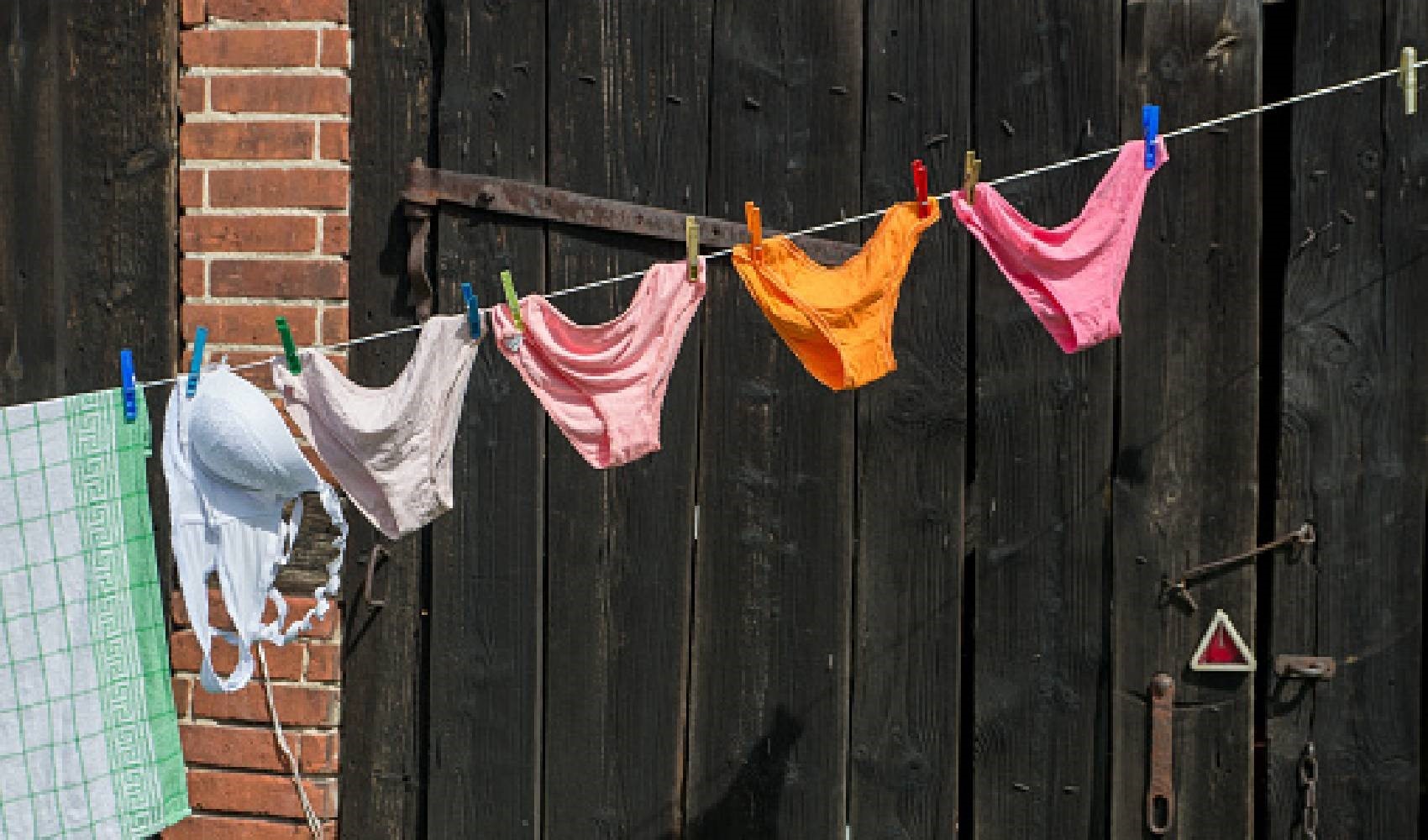
An environmental group has detected the chemical 'bisphenol' in women's underwear.
According to laboratory tests conducted by a group of consumer watchdogs in Hungary, Austria, Slovenia, and the Czech Republic, high levels of hormone-disrupting chemicals have been found in women's underwear.
The team, which includes the Czech environmental advocacy group Arnika, screened for bisphenols, which are chemical compounds used in plastic production that can be harmful to human health. Bisphenol is a synthetic chemical that negatively affects the endocrine system.
Bisphenol A (BPA), the most common form of bisphenols, is primarily used in industrial production such as food packaging, storage containers, medical devices, paper, ink, and textiles.
This compound is classified as a hazardous chemical in the European Union (EU).
Previous detections of bisphenols in synthetic clothing materials led the consumer watchdog group to test 166 types of women's underwear in Hungary, Austria, and Slovenia for this chemical compound.
Bisphenol was found in 10 percent of women's underwear at levels that could be harmful to human health.
HIGHER IN CHEAP UNDERWEAR
The study found higher levels of bisphenol in well-known brands compared to other cheap underwear brands.
Regardless of the brand, it is less likely for bisphenol to be found in cotton underwear.
Julia Denes, a chemist at the Association of Conscious Consumers in Hungary, said, “Although cotton products are available for women, our market research has shown that most women's panties are made from synthetic materials.”
Denes added, “This means the risk of exposure to bisphenols is higher.”
REGULATIONS LAG BEHIND SCIENTIFIC ADVANCEMENTS
According to the European Environment Agency, Bisphenol A is a chemical that can affect human fertility, eyes, lungs, skin, the hormonal system, and cognitive function and metabolism.
Although exposure to the chemical is mostly through food, it can also occur through skin absorption.
Last year, laboratory tests conducted in 11 European countries found Bisphenol A in 92 percent of human urine samples.
Many other tests conducted by the EU have also detected Bisphenol A above the safe threshold.
This chemical has already been banned in some products such as baby bottles and food packaging for toddlers, and restricted in others such as children's toys.
Last June, European countries approved a draft law to ban Bisphenol A in food and beverage packaging across the EU.
Based on the new test results, Arnika stated that bisphenols and other substances that could affect human health should be banned in all consumer products.
Karolina Brabcova, Manager of Consumer Campaigns for Arnika's Toxics and Waste program, said, “Unfortunately, manufacturers are using other types of bisphenols that may pose similar health risks and have not yet been banned instead of Bisphenol A.”
Brabcova added, “Regulations are lagging behind scientific advancements.”
News Source: 12punto
Most Read

Striking picture for Özgür Özel's 'New Party'

Özgür Özel gives a dated response regarding the number of resignations

Forest fire in Antalya brought under control

The PKK opening and Özgür Özel’s path!..

How did the newspapers view Özgür Özel's farewell to the CHP?

He killed his wife by slitting her throat: Their children witnessed the moments

What did the CHP do?

Özel’s new party move in the world press

The New CHP, against CEHAPE

Fire at TUSAŞ engine factory in Eskişehir under control