

What is anemia? Symptoms of anemia and treatment options
Anemia is becoming an increasingly common health problem due to the nutritional habits and health issues brought about by modern life. So, what is anemia? What are its symptoms?



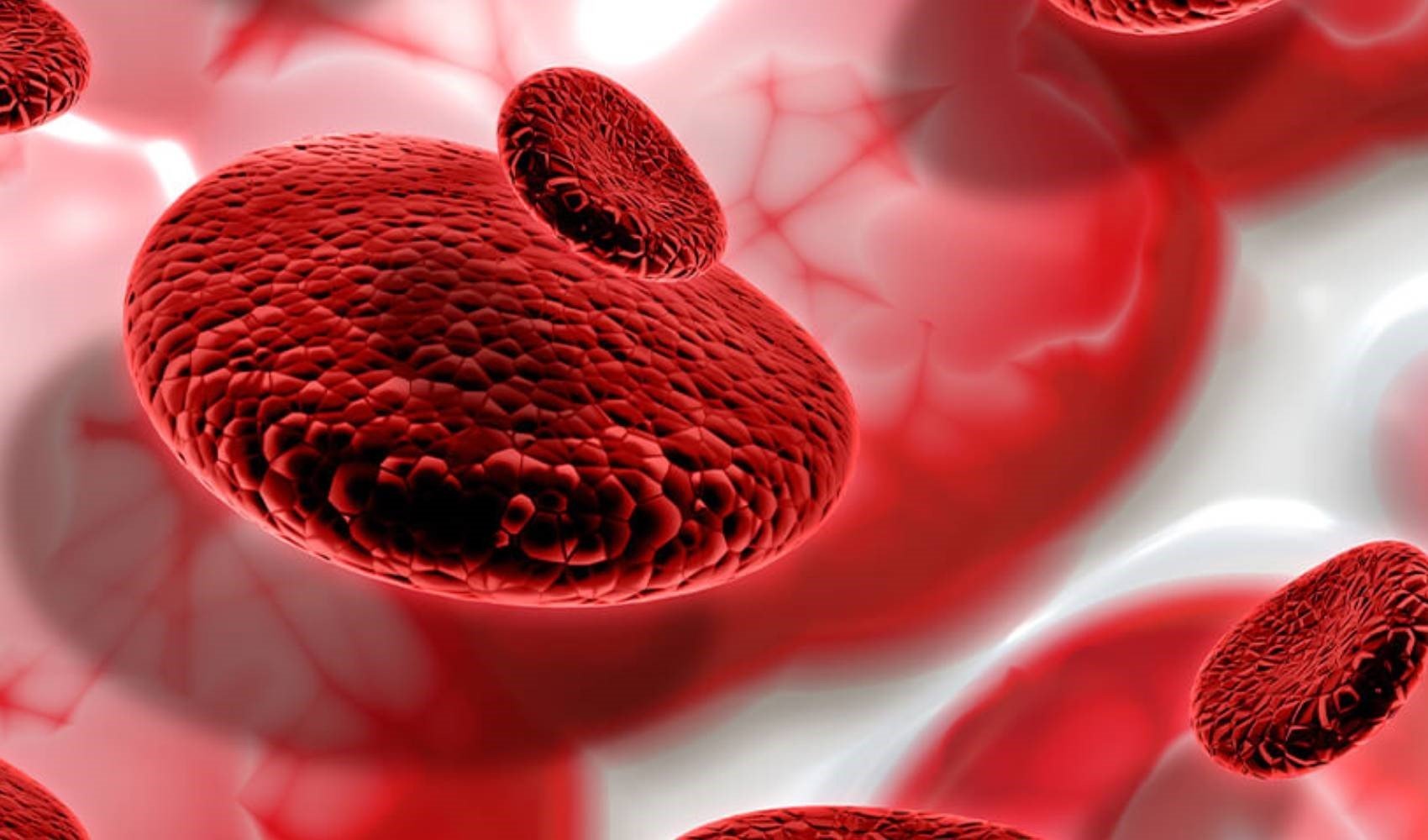
WHAT IS ANEMIA?
Anemia is a condition that occurs when there is an insufficient number of red blood cells, hemoglobin, or total blood volume in the blood. In other words, anemia is defined by the body not having enough healthy red blood cells or hemoglobin to carry sufficient oxygen to organs and tissues. Symptoms such as fatigue, pale skin, shortness of breath, dizziness, and rapid heartbeat are considered indicators of anemia.
A deficiency in red blood cell production and critical vitamin and mineral deficiencies are the primary causes of anemia. Hemoglobin levels in the blood below 130 grams per liter for men, 120 grams for women, and 140 grams for newborns are considered anemia.
Anemia can occur in both men and women, but iron deficiency due to anemia is more common in young women. This is because women lose a significant amount of blood during their menstrual periods.
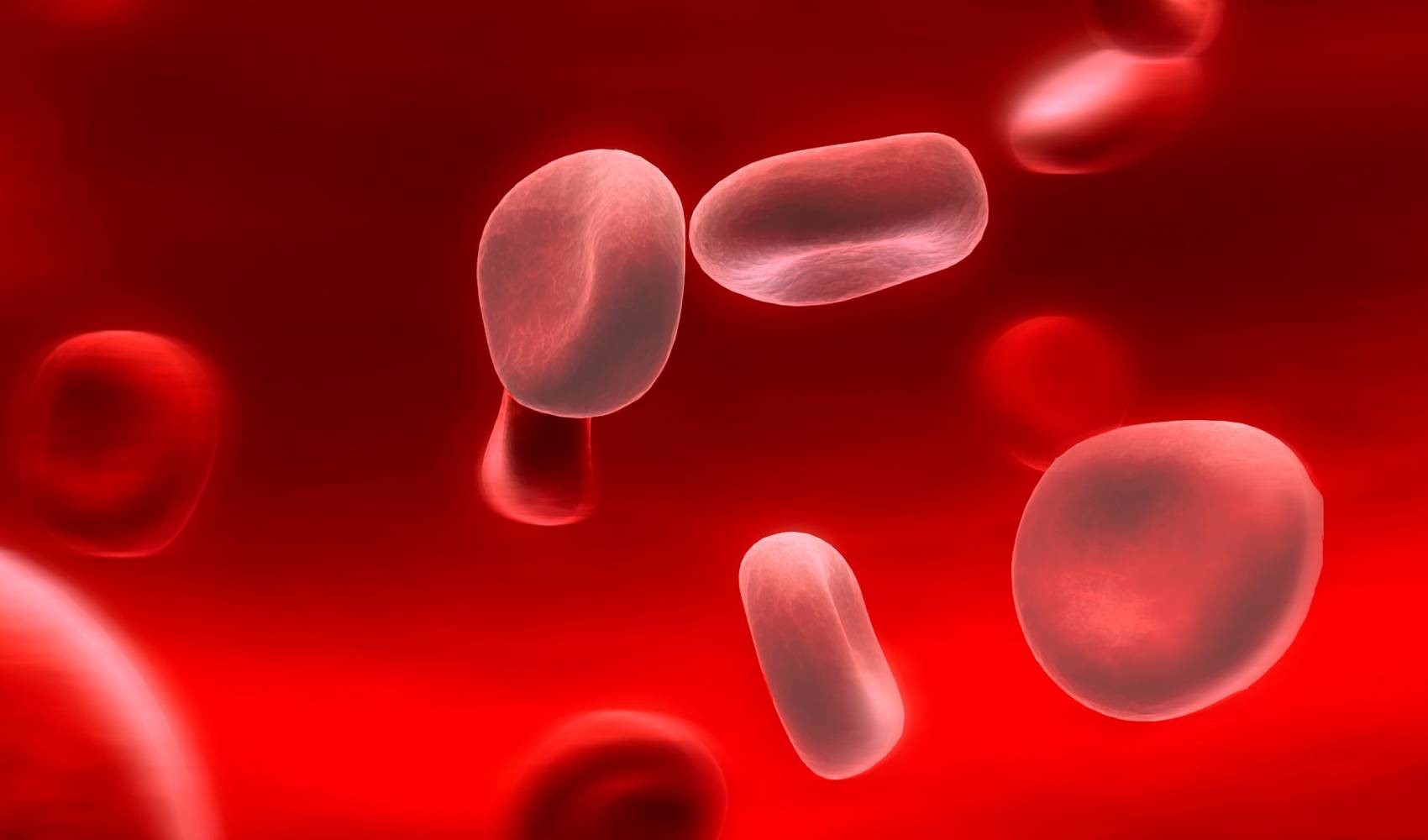
Anemia can be temporary or it can create a chronic condition. However, the effects of anemia can be reduced with various medications, treatment methods, and nutritional programs.
WHAT ARE THE SYMPTOMS?
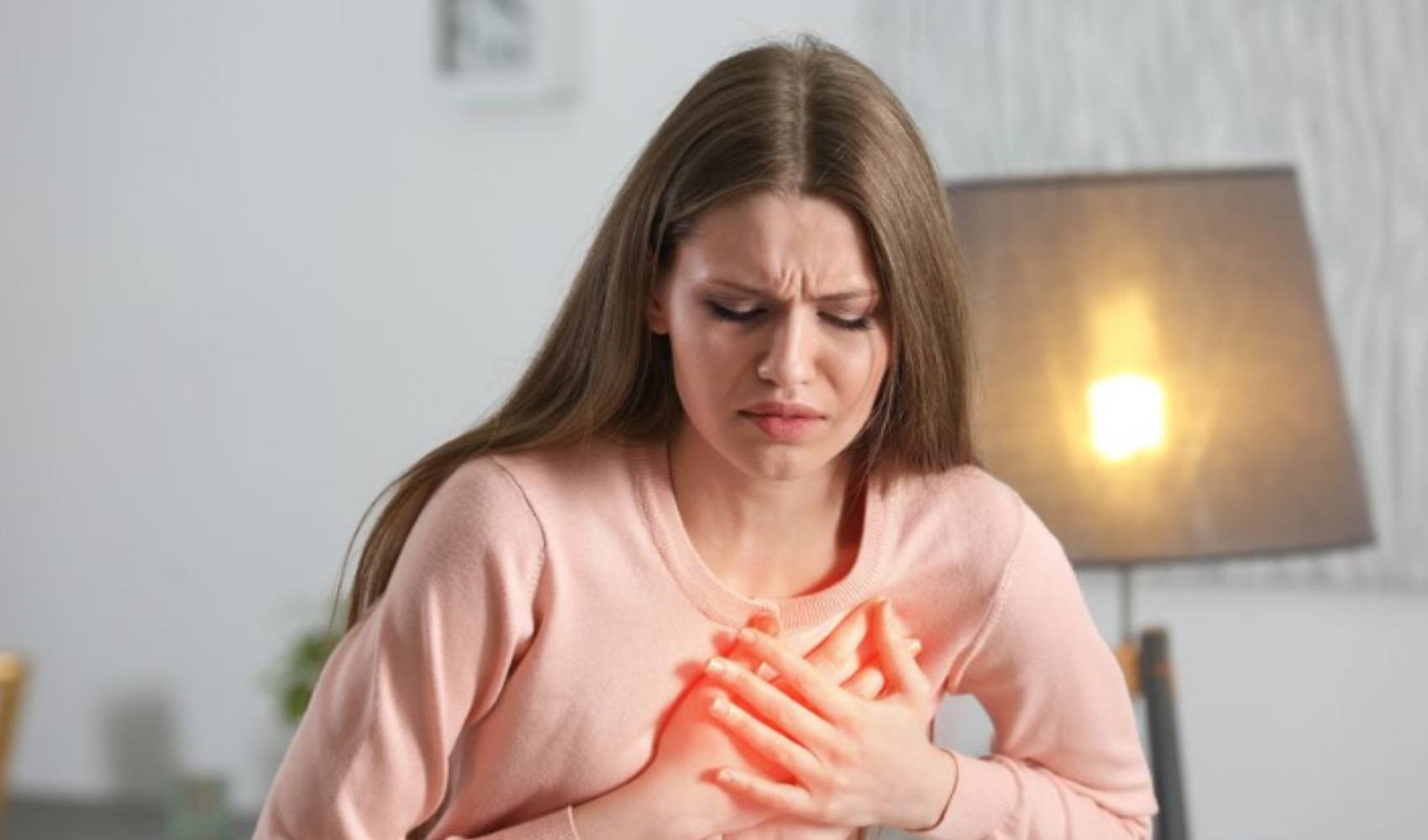
Feeling weak and exhausted, headaches, shortness of breath, rapid heartbeat, pale skin, and cold hands and feet are common symptoms of anemia.
Symptoms of anemia that arise from a deficiency of red blood cells and hemoglobin include:
Weakness and fatigue
Getting tired easily
Shortness of breath
Cold hands and feet and tingling sensations
Pale skin
Dizziness
Headache
Hair loss
Palpitations
Chest pain
Brittle nails
Weakness
Sleep problems
Inflammation and sores on the tongue
Cravings for non-food items (pica syndrome)
Difficulty concentrating
Aggression and irritability
Low libido

WHAT IS THE TREATMENT METHOD?
Anemia treatment can vary depending on the type of anemia a person has. For sickle cell anemia, treatment methods such as oxygen therapy, antibiotics, and folic acid supplements may be preferred. At the same time, medications may be prescribed to help maintain the shape of red blood cells and reduce pain. In the case of iron deficiency anemia, a doctor may recommend certain supplements and a nutritional regimen based on the condition. In the case of hemolytic anemia, your doctor may recommend medications and supplements to strengthen the immune system. In cases of aplastic anemia and thalassemia, especially if the condition is serious, procedures such as blood transfusions, bone marrow transplants, and surgery may be required.
Source: Memorial Group
News Source: 12punto
Most Read

Striking picture for Özgür Özel's 'New Party'

Özgür Özel gives a dated response regarding the number of resignations

Forest fire in Antalya brought under control

The PKK opening and Özgür Özel’s path!..

How did the newspapers view Özgür Özel's farewell to the CHP?

He killed his wife by slitting her throat: Their children witnessed the moments

What did the CHP do?

Özel’s new party move in the world press

The New CHP, against CEHAPE

Fire at TUSAŞ engine factory in Eskişehir under control