

What is gout? Symptoms and treatment methods
Gout is a metabolic disease that occurs due to the accumulation of uric acid in and around the joints, as well as an excessive amount of uric acid in the blood. Gout flares usually begin in the big toe or lower limbs. Known to affect 5% of the population, gout is not, contrary to popular belief, a disease that arises solely from excessive meat consumption.



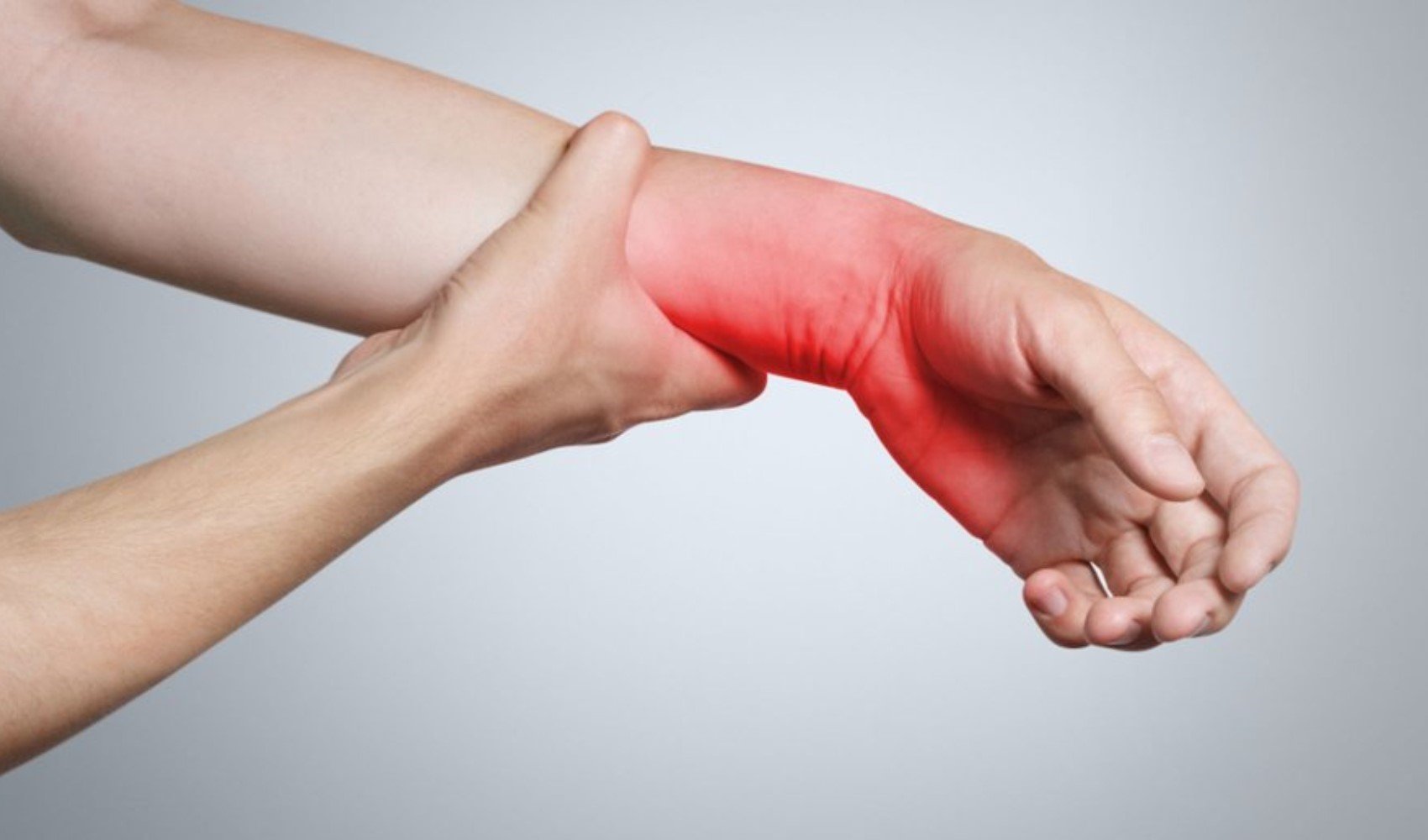
WHAT IS GOUT?
Gout is a painful type of arthritis that causes redness and tenderness in the joints due to the accumulation of uric acid crystals in and around them. In a healthy body, substances are converted into uric acid and excreted from the body. If uric acid, which is the way protein-based substances are excreted from the body, cannot be eliminated or if its production is too high, it accumulates in the body and its level in the blood increases. The formation of inflammation in the joints due to the accumulation of uric acid in the joints is called "gout disease."
Although gout is a rheumatic health problem, it is also a metabolic disease. Excessive amounts of uric acid accumulate in the body, especially in the joints and sometimes in the kidneys. Accumulation in the kidneys can lead to kidney stone disease or can damage the kidneys even without forming stones.
 WHAT ARE THE SYMPTOMS OF GOUT?
Gout causes swelling due to inflammation in the joints and pain, usually experienced in the toes and ankles, knees, and fingertips (especially the big toe), due to the accumulation of acid ions in the body, often in the early morning hours.
Symptoms of gout include:
Swelling and redness in the affected joints
Peeling and flaking of the skin
Joint pain that increases at night
Sensitivity even to slight contact
Burning sensation
Kidney-related abdominal and lower back pain, blood in the urine, and symptoms such as kidney stones
Chronic pain and deformation in the joints
These symptoms appear suddenly, usually lasting between 3 to 10 days, after which the pain subsides.
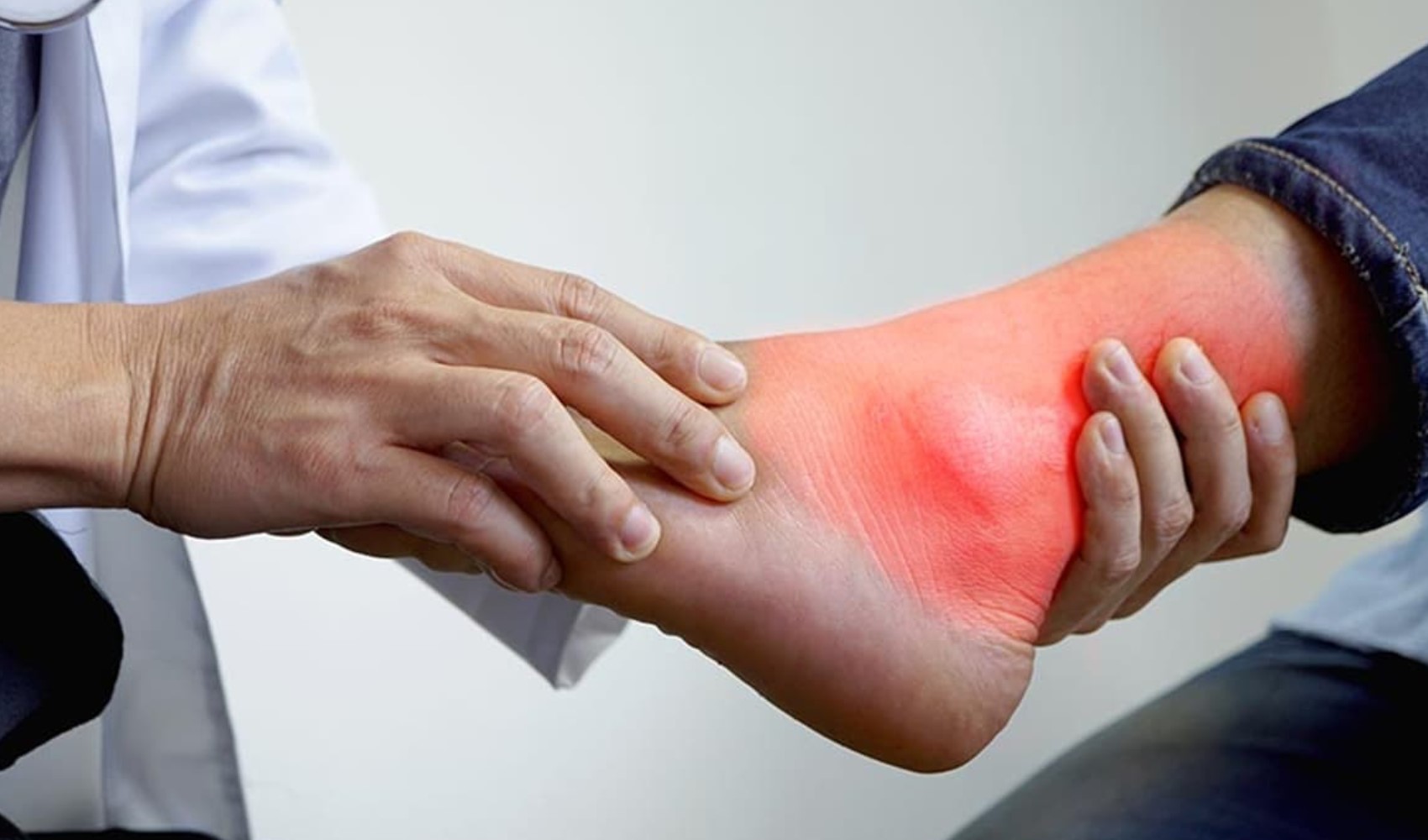 How is gout treated?
Regulating dietary habits plays a critical role in the treatment process. Since foods rich in purine can raise uric acid levels, it is recommended to avoid such foods. In particular, the consumption of red meat, seafood, organ meats, and alcohol should be limited. At the same time, drinking plenty of water facilitates the excretion of uric acid from the body through the kidneys.
Weight control and regular exercise have an important place in the management of gout. Excess weight can trigger gout attacks by increasing uric acid levels, so it is important to maintain an ideal weight. Exercise not only helps with weight loss but also supports joint health. However, excessive exercise should be avoided, and a light, regular program should be followed.
Herbal treatments and natural supplements can also support the treatment of gout. Natural products such as cherry juice, vitamin C, turmeric, and ginger can help lower uric acid levels and reduce inflammation. However, it is recommended to consult a doctor before using such treatments.
The combined application of medication and lifestyle changes in the treatment of gout ensures that the disease is brought under control and attacks are prevented. Regular doctor check-ups and adherence to treatment are very important to prevent complications that gout may cause.
Source: Acıbadem
News Source: 12punto
Most Read

Striking picture for Özgür Özel's 'New Party'

The PKK opening and Özgür Özel’s path!..

How did the newspapers view Özgür Özel's farewell to the CHP?

He killed his wife by slitting her throat: Their children witnessed the moments

What did the CHP do?

Özel’s new party move in the world press

Fire at TUSAŞ engine factory in Eskişehir under control

The New CHP, against CEHAPE

From self-efficacy to despair

Kılıçdaroğlu's first message on Özgür Özel's new party announcement