

Figure that will shed light on the Neolithic period discovered: Running wild donkey
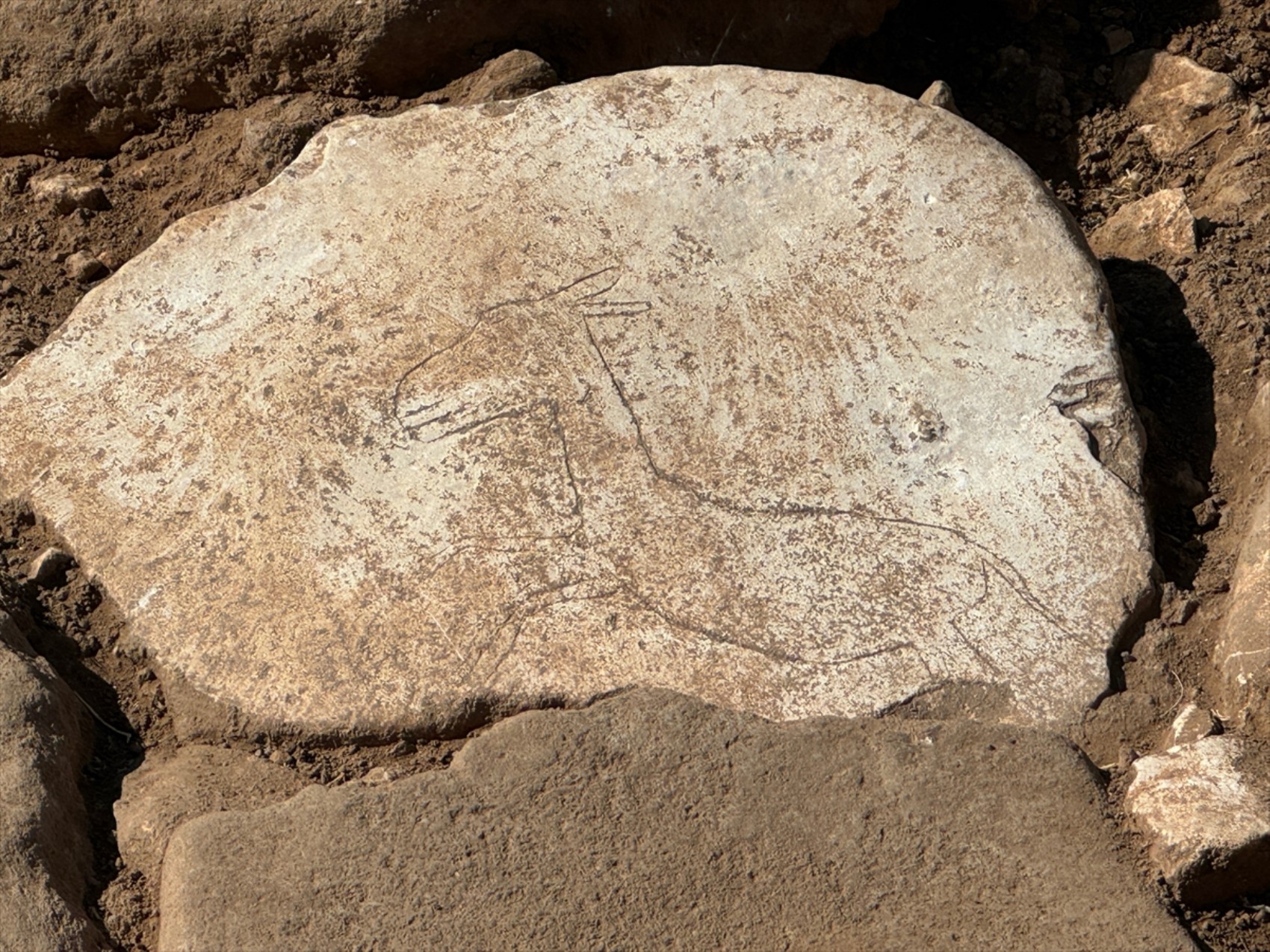
A figure of a running wild donkey carved into stone has been discovered during excavations at Karahantepe. This finding offers new insights into the relationship between humans and their environment during the Neolithic period.



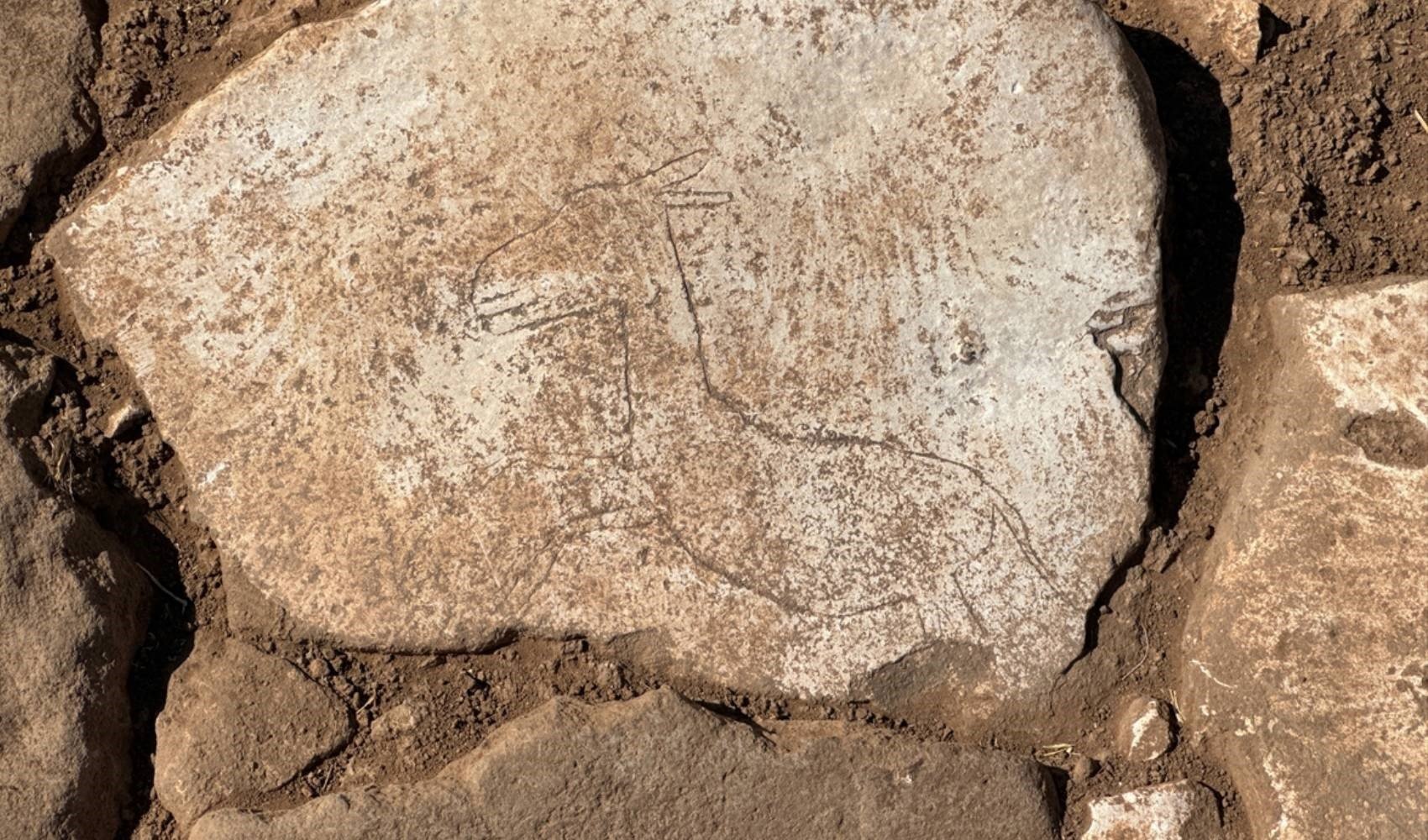
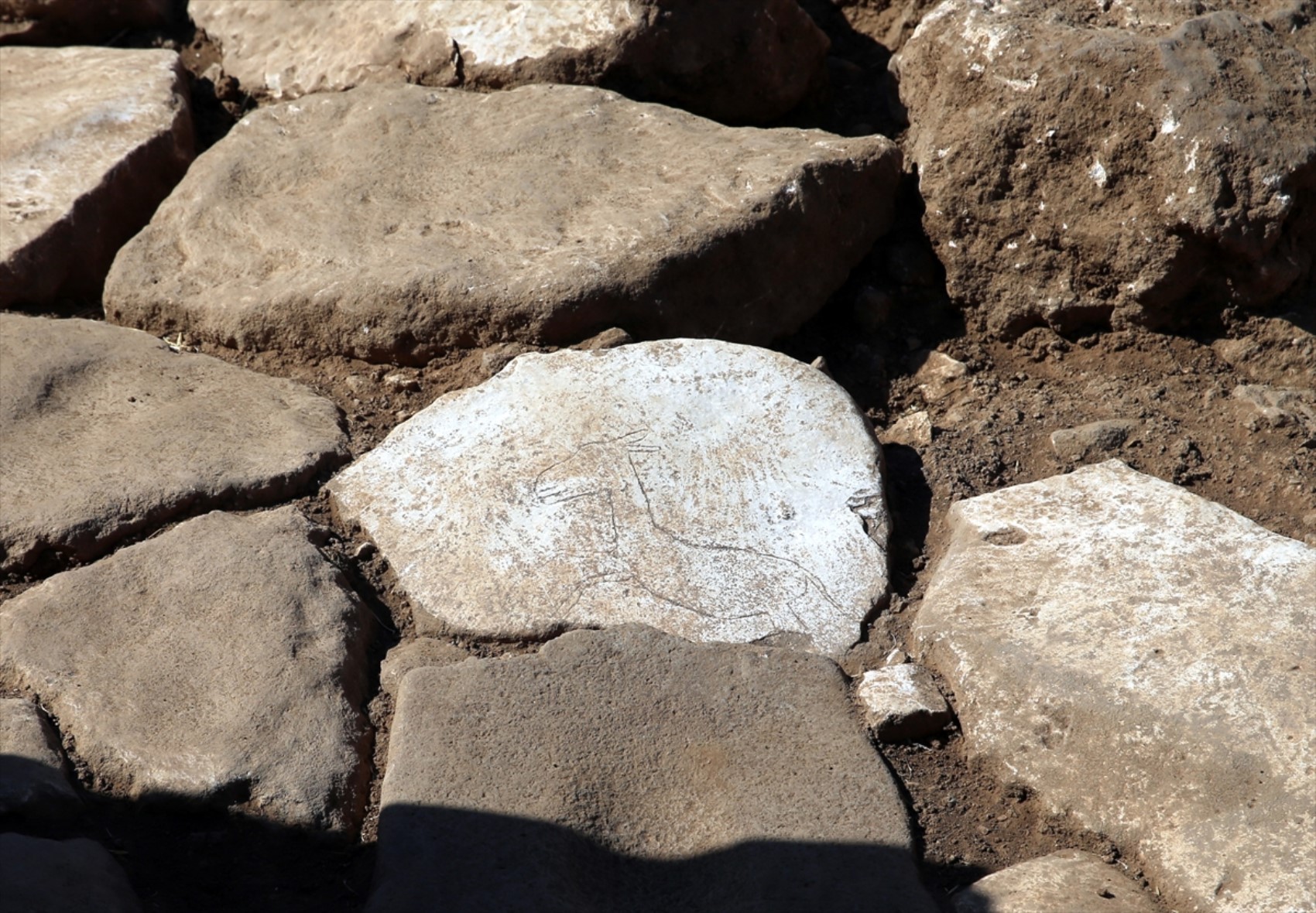
In Şanlıurfa, a figure of a running wild donkey carved into stone has been unearthed during excavations at Karahantepe, where over 250 "T"-shaped obelisks from the Neolithic period are located.
Regarding the work, Karahantepe Excavation Head Prof. Dr. Necmi Karul provided the following information:
"Among the stone floorings, we found that some were used as grinding stones, and on one of them, we encountered a wild donkey motif. There are animals that are defining in the iconography of this period. We divide these into 2 categories.
'WILD DONKEYS ARE ALSO AMONG THE CONSUMED ANIMALS'
The first consists of animals whose intimidating nature is emphasized; we see these especially on the obelisks. Another group is formed by birds and the most consumed animals, among which gazelles lead the way. Wild donkeys are also among the other consumed animals. We can say that these animals, compared to the intimidating ones, were animals that were around humans, consumed by them, and lived alongside them during this period.
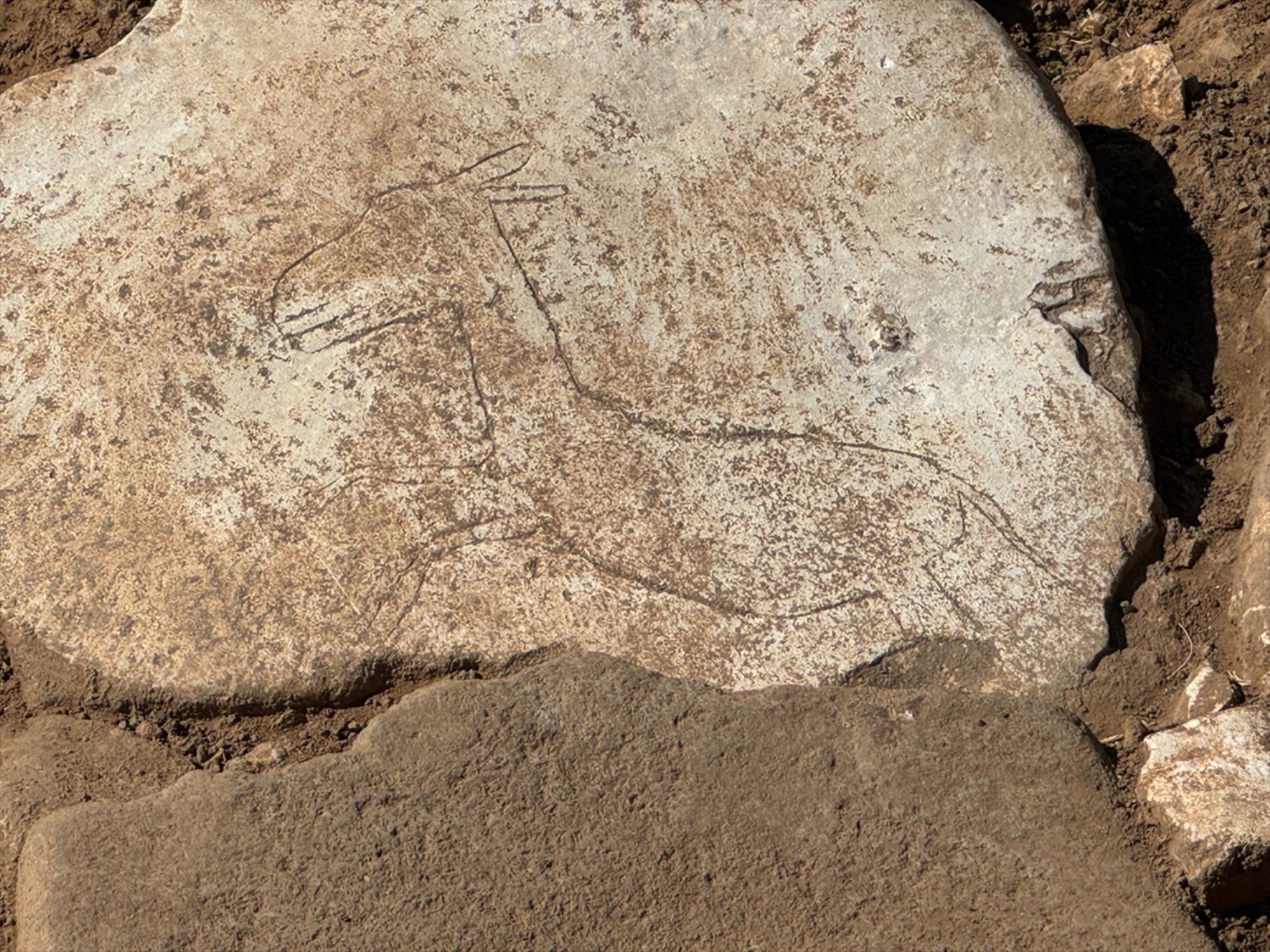
This wild donkey is a figure made with an engraving technique, placed in motion within a base that also serves as one of those grinding stones. In this respect, we have encountered certain figures in building foundations at Göbeklitepe before, but this is the first time we have encountered such a dynamic wild donkey motif. This has naturally become a finding that will contribute a little more to our understanding of the animal iconography here and the relationship between humans and their environment."
News Source: 12punto
Most Read

Striking picture for Özgür Özel's 'New Party'

Özgür Özel gives a dated response regarding the number of resignations

Forest fire in Antalya brought under control

The PKK opening and Özgür Özel’s path!..

How did the newspapers view Özgür Özel's farewell to the CHP?

He killed his wife by slitting her throat: Their children witnessed the moments

What did the CHP do?

Özel’s new party move in the world press

The New CHP, against CEHAPE

Fire at TUSAŞ engine factory in Eskişehir under control