

The reality of only-child syndrome: Psychological and social effects draw attention
While the trend of having only one child has increased in recent years, the effects of this situation on children's psychological development have also come under scrutiny. Research reveals that certain behavioral patterns are more frequently observed in children without siblings.




As the preference for having only one child becomes more common among families today, debates continue regarding the effects of this choice on children's psychological development.
Scientific research shows that certain behaviors are observed more frequently in children growing up alone. Known colloquially as 'only-child syndrome,' this situation is considered by experts not as a clinical disease, but as a behavioral syndrome.
Experts state that symptoms such as introversion, feelings of loneliness, overly egocentric attitudes, and anxiety and stress linked to family pressure are more frequently seen in children without siblings. Furthermore, it is observed that these children tend to act like adults. These symptoms become more pronounced, especially during periods of social development.
Experts state that a lack of interaction within the family and the absence of an environment for sharing trigger this situation.
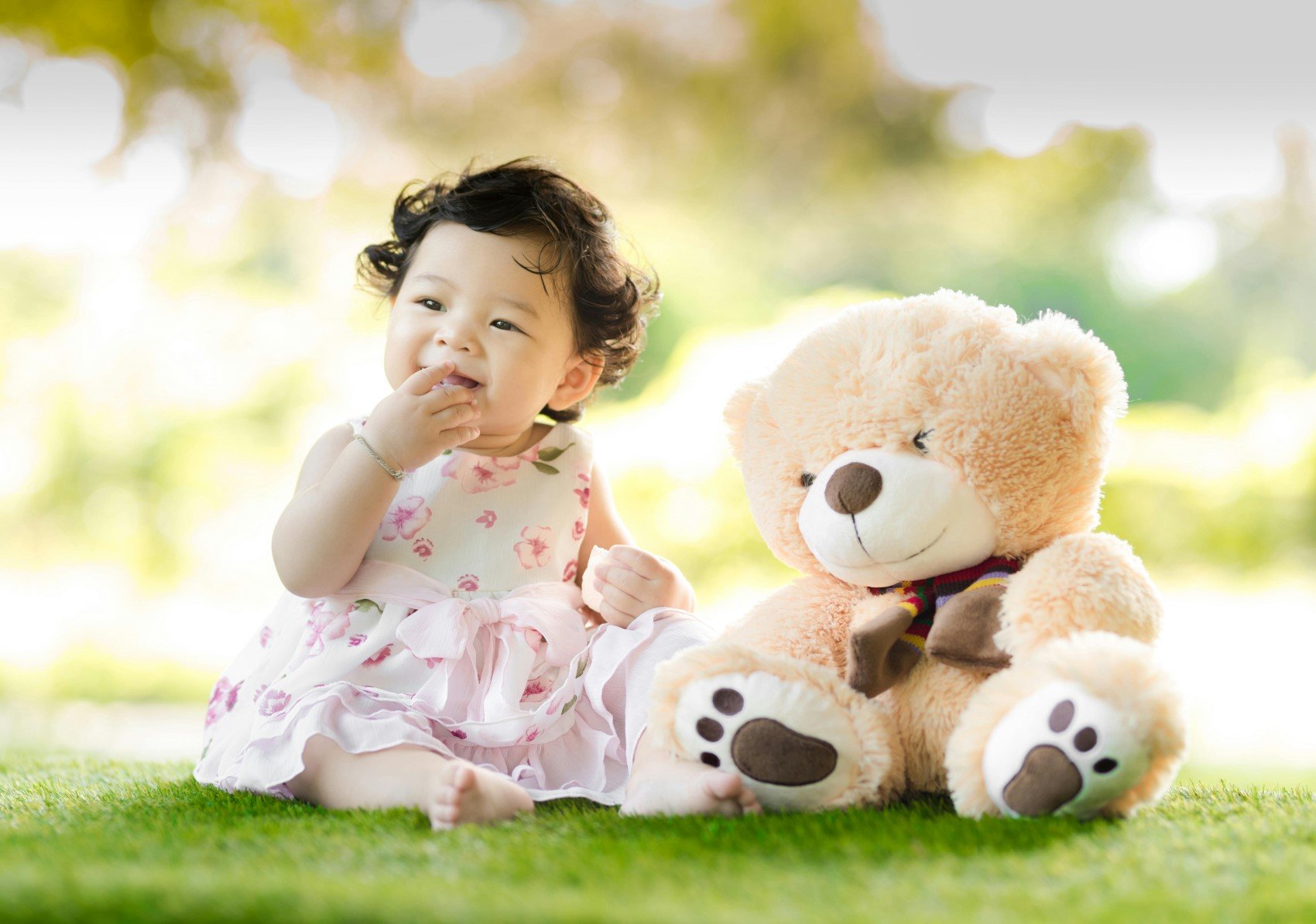
A long-term study conducted after the implementation of the one-child policy in China revealed that these children had high academic success but lagged behind their peers in terms of social skills and sharing. The American Psychological Association (APA), on the other hand, states that only children have high self-confidence and strong independence, but lower flexibility within groups.
News Source: 12punto
Most Read

Striking picture for Özgür Özel's 'New Party'

Özgür Özel gives a dated response regarding the number of resignations

Forest fire in Antalya brought under control

The PKK opening and Özgür Özel’s path!..

How did the newspapers view Özgür Özel's farewell to the CHP?

Houthis strike Saudi-owned tanker

What did the CHP do?

Özel’s new party move in the world press

The New CHP, against CEHAPE

From self-efficacy to despair