

Turkish researchers share findings! Stress found to disrupt 'time perception' in the brain
Scientists from Ankara University have revealed how stress and dopamine affect the brain's time perception processes.



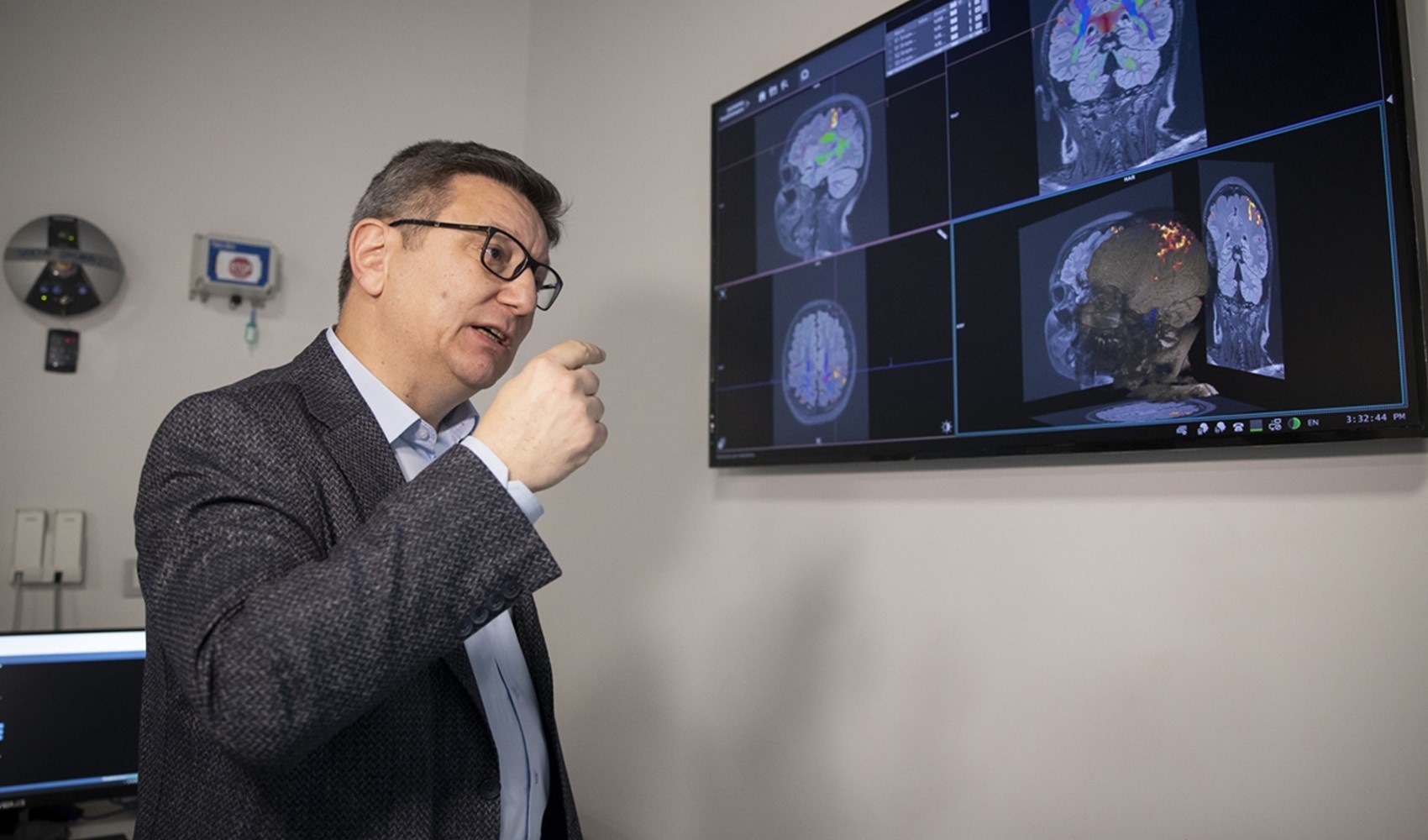
Scientists from Ankara University have determined that "dopamine" and "stress" factors create certain changes in the brain's "time" perception processes.
According to the research findings, which will be announced in an international article, it has been determined that stress disrupts the brain's executive control and that individuals with higher dopamine levels perceive time more accurately.
The study is expected to open new horizons in understanding the mystery of time perception disorders caused by diseases such as depression, schizophrenia, and Parkinson's, as well as in monitoring their diagnosis and treatment.
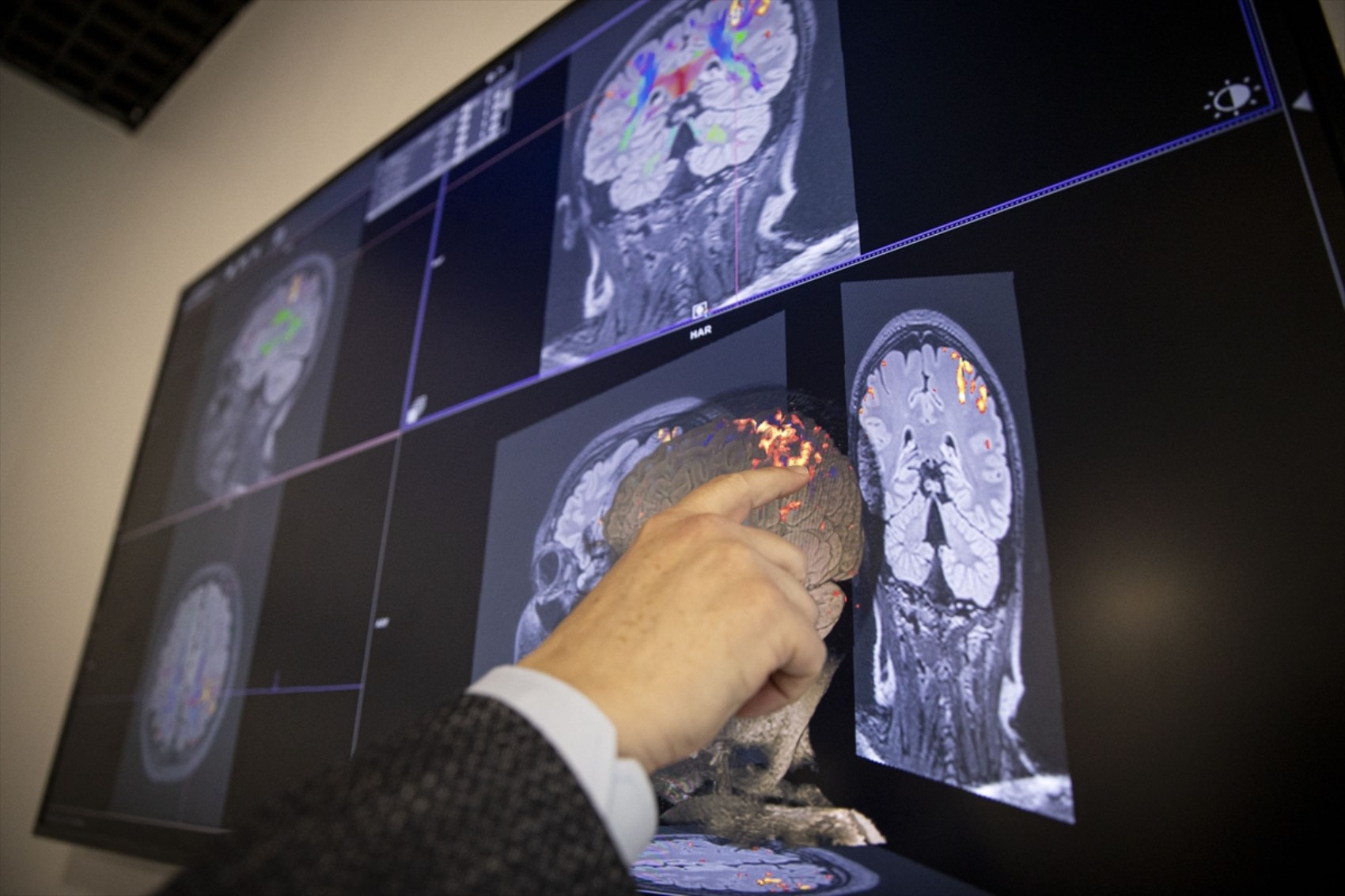
Prof. Dr. Metehan Çiçek, a faculty member at the Ankara University Faculty of Medicine, Department of Physiology, and head of the Human Neuroimaging Laboratory at the Neuroscience and Neurotechnology Center of Excellence (NÖROM), made statements regarding the results of the scientific project titled "The Effect of Social Stress on Time Perception: An Epigenetic and Brain Imaging Study."
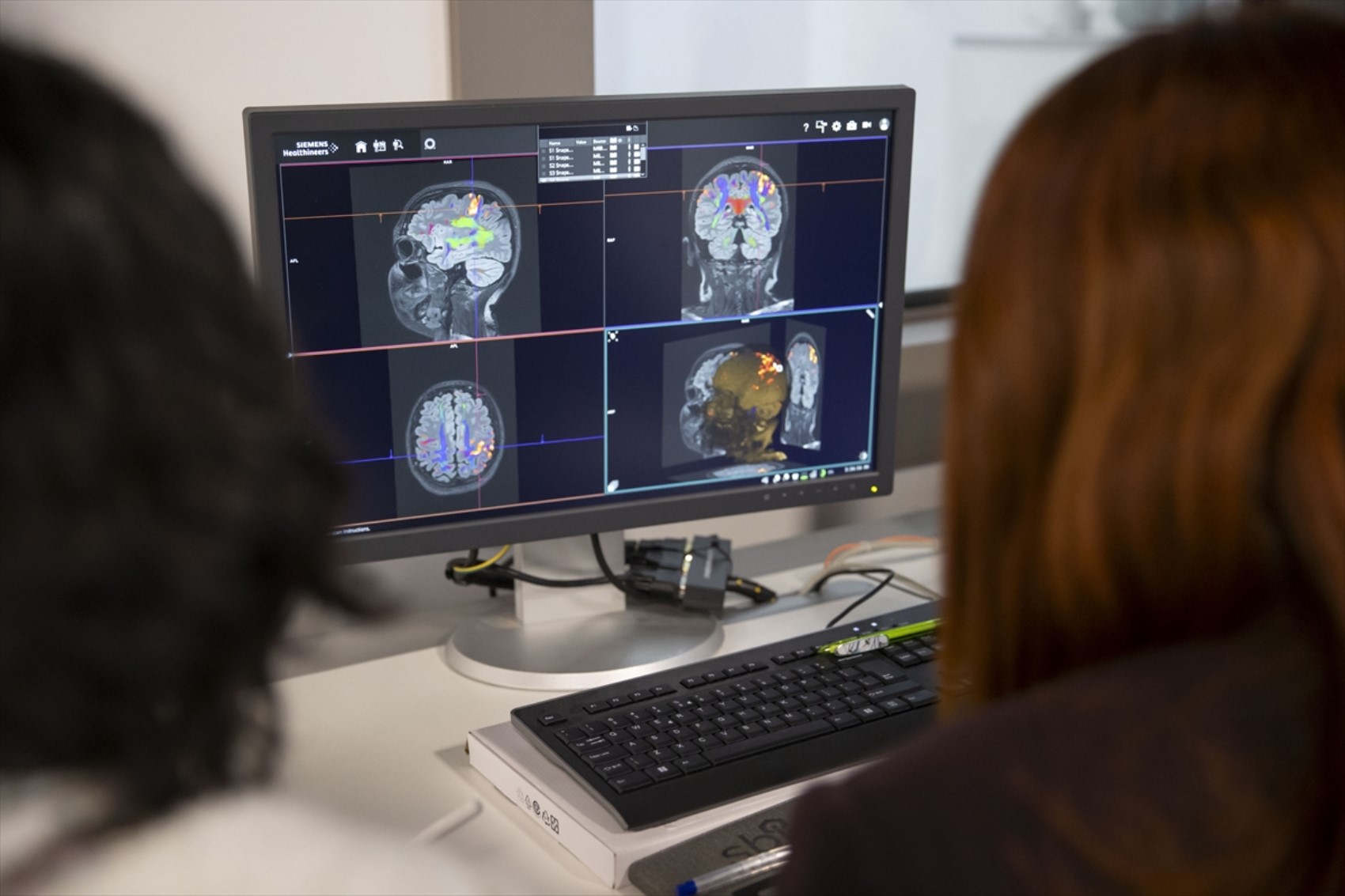
Çiçek stated that in their studies, they showed healthy adults images that induce social stress while under magnetic resonance (MR) imaging, and observed that stress causes changes in time perception.
Çiçek said, "Stress disrupts the brain's executive control in terms of time perception. In moments of stress, the brain involuntarily puts time into slow motion, as if the time window expands to make life-saving decisions."
Furthermore, noting that individuals with higher dopamine levels perceive time more accurately, Çiçek stated that this situation shows the dopamine system is related to reward.
Çiçek emphasized that the research results are important for understanding the cause of time perception disorders in diseases such as depression and schizophrenia, and for developing treatment methods.
He stated that the results of the study were written as physiology and neuroscience doctoral theses by Dr. Güvem Gümüş Akay and Dr. Gözde Vatansever, and that the article is currently in the preparation stage to be submitted to an international scientific journal.
News Source: AA
Most Read

Striking picture for Özgür Özel's 'New Party'

The PKK opening and Özgür Özel’s path!..

How did the newspapers view Özgür Özel's farewell to the CHP?

He killed his wife by slitting her throat: Their children witnessed the moments

What did the CHP do?

Özel’s new party move in the world press

The New CHP, against CEHAPE

Fire at TUSAŞ engine factory in Eskişehir under control

From self-efficacy to despair

Kılıçdaroğlu's first message on Özgür Özel's new party announcement