

What is Rheumatism? Everything you need to know about rheumatism!
Rheumatism, which emerges due to factors such as genetics, age, gender, and environmental influences, usually manifests itself with swelling and a feeling of warmth. So, what is rheumatism?




Rheumatism is a musculoskeletal disorder that affects one or more structures such as tendons, muscles, ligaments, bones, and joints, leading to pain and restricted movement. This disease can be seen in almost every age group and can cause various disorders in the immune system. The most dangerous type is considered to be rheumatoid arthritis.
Rheumatism usually manifests itself with pain, swelling, and restricted movement. Factors such as genetics, age, gender, environmental influences, and obesity contribute to the emergence of this disease.
In overweight individuals, rheumatism can lead to more pain; it shows symptoms of swelling, warmth, and pain in the joints. If left untreated, serious ailments and complications can develop.
What are the symptoms of rheumatism?
Pain, redness, swelling, and stiffness in multiple joints, along with muscle stiffness occurring in the mornings or while sitting, as well as tenderness, fever, fatigue, and restricted movement are cited among the common symptoms of rheumatism.
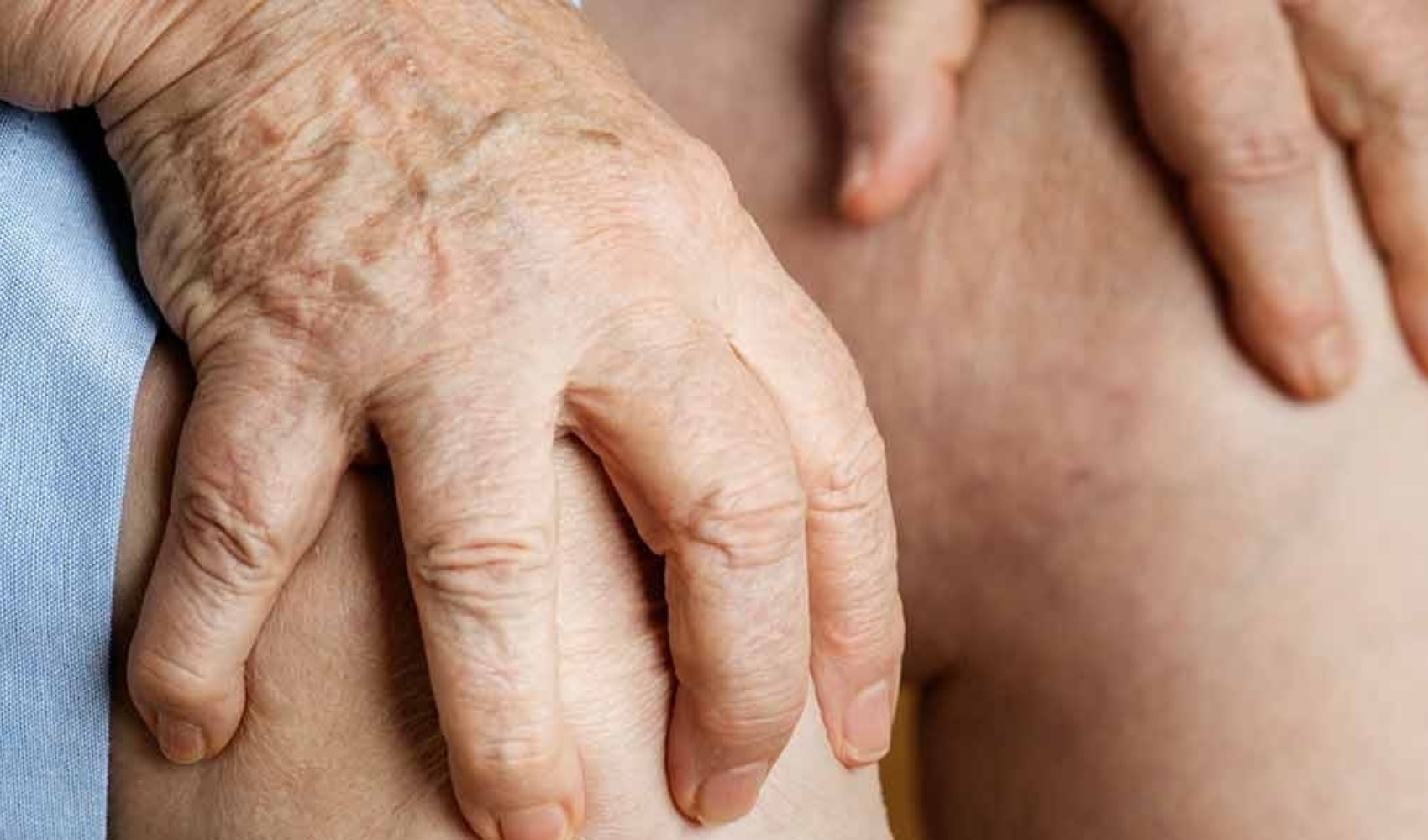 Commonly occurring symptoms of rheumatism include:
Pain, redness, swelling, and stiffness felt in multiple joints
Pain especially in the knees, ankles, elbows, and wrists
Chest pain and shortness of breath
Back pain radiating to the spine
Joint stiffness that lasts at least 1 hour, especially in the mornings
Sensitivity to the sun
Fever
Chronic fatigue and low energy
Hair loss
Back pain and stiffness when resting and standing up
Difficulty and stiffness when moving
Impairment of kidney functions
Loss of appetite and weight loss
Irritation and burning in the eyes
Dry mouth
Formation of lumps
Changes in fingernails and toenails
Rash

How is rheumatism treated?
In recent years, significant progress has been made in the treatment of rheumatism with the use of new drugs. However, it should not be forgotten that it is not possible to completely eliminate most rheumatic diseases.
Rheumatism treatment requires continuous doctor-patient cooperation. It should be kept in mind that the disease can flare up from time to time. Furthermore, it should be remembered that in some cases, rheumatism treatment may last a lifetime.

The goal in rheumatism treatment is to eliminate complaints, prevent potential organ involvement, and ensure the patient maintains their quality of life at the highest level. In the treatment of rheumatic diseases, it is necessary for a team including rheumatology, physical therapy and rehabilitation specialists, orthopedists, and other medical specialties as needed to work together.
Rheumatism is a chronic disease, like diabetes and hypertension. For this reason, rheumatism treatment may not last for a certain period, but for a lifetime. During treatment, it may be necessary to use less or more medication from time to time depending on the severity of the disease. Although it is not possible to completely eliminate rheumatism, it can be kept under control. Since rheumatism under control can flare up suddenly, continuous medical follow-up is essential even if there are no complaints.
Source: Memorial Group
News Source: 12punto
Most Read

Striking picture for Özgür Özel's 'New Party'

The PKK opening and Özgür Özel’s path!..

How did the newspapers view Özgür Özel's farewell to the CHP?

He killed his wife by slitting her throat: Their children witnessed the moments

What did the CHP do?

Özel’s new party move in the world press

The New CHP, against CEHAPE

Fire at TUSAŞ engine factory in Eskişehir under control

From self-efficacy to despair

Kılıçdaroğlu's first message on Özgür Özel's new party announcement