

What is vertigo? How is it treated?
Vertigo is a sensation that makes you feel as if you or the objects around you are spinning. This condition can often occur alongside nausea, vomiting, and loss of balance.




What are the causes of vertigo?
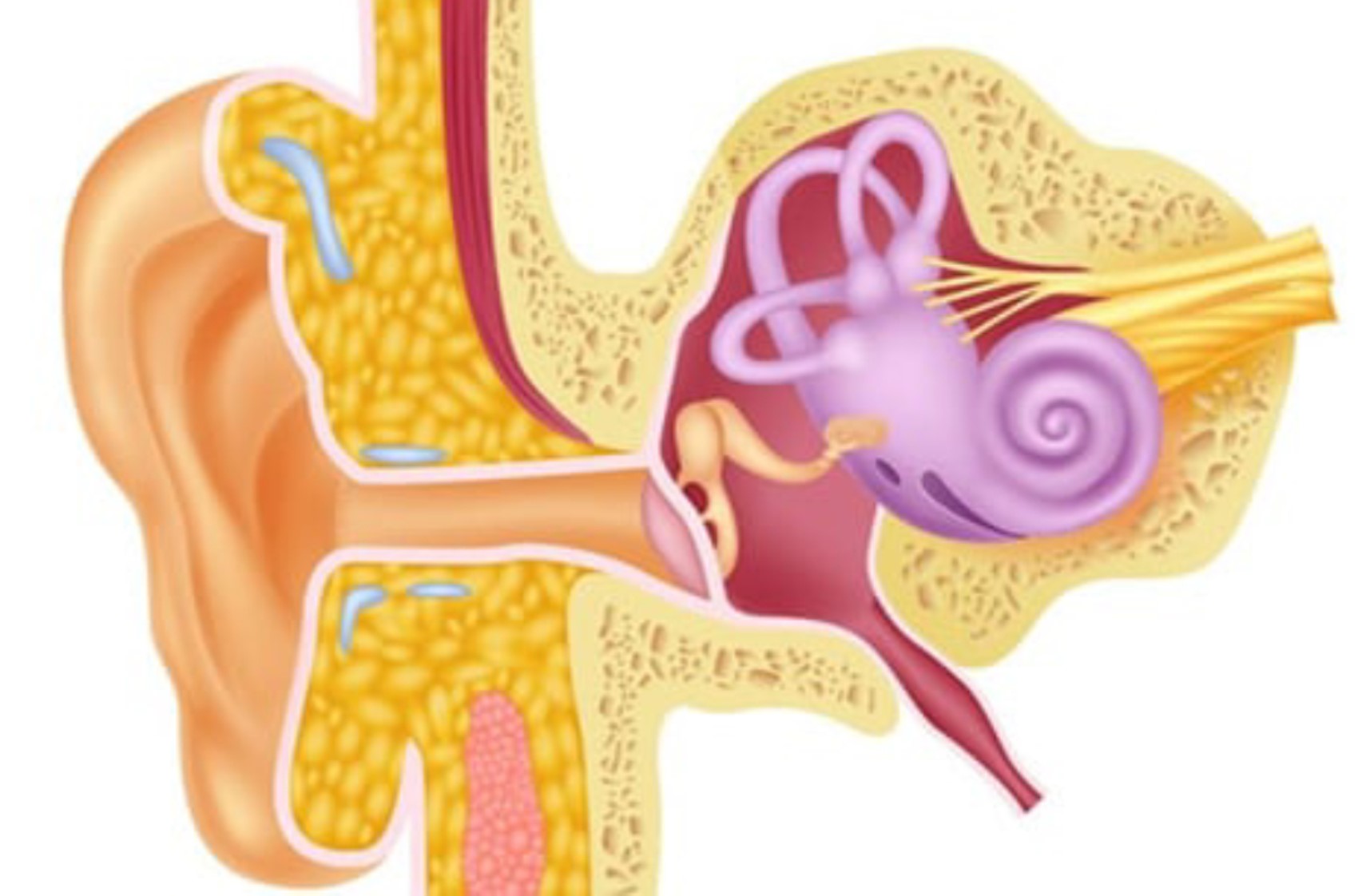
Vertigo is primarily caused by diseases of the central nervous system and the inner ear. Benign paroxysmal positional vertigo (BPPV) is the most common type of vertigo. In this type of vertigo, severe dizziness occurs, usually following head movement, lasting for 15 seconds or a few minutes. It can arise from tilting the head forward or backward or turning in bed. It is generally seen in the elderly. Respiratory diseases and reduced blood flow to the head region can lead to this condition. Although the symptoms are distressing, BPPV is a benign condition. It usually does not require treatment. Vertigo should not be confused with a classic headache or depression.
Vertigo can occur as a result of inflammation of the inner ear, known as labyrinthitis and vestibular neuritis. The causative agents are usually viruses. The most common agents are influenza, measles, rubella, herpes, mumps, polio, hepatitis, and EBV viruses. Hearing loss may also accompany the dizziness.
Another disease in which vertigo is observed is Meniere's disease. In Meniere's disease, tinnitus and hearing loss are seen in addition to vertigo symptoms. Meniere's disease progresses in cycles of attacks and remission periods. Although the exact cause of the disease is not known, head trauma, viruses, heredity, and allergies are cited among the causes.
Acoustic neuroma is a type of tumor of the nerve tissue of the inner ear. Tinnitus and hearing loss occur along with vertigo.
Vertigo can also occur as a result of blockage of brain vessels or a brain hemorrhage. Another disease in which vertigo is seen is multiple sclerosis (MS).
Vertigo can occur after head trauma and neck injuries. Diabetes, low blood sugar, anxiety, and panic disorder are other causes of vertigo.
What are the symptoms of vertigo?
In vertigo, the person gets the feeling that they or their surroundings are spinning. Vertigo can be accompanied by nausea, vomiting, abnormal eye movements, and sweating. Hearing loss and tinnitus may be observed. Visual impairment, difficulty walking, and changes in consciousness may accompany the clinical picture. Problems accompanying vertigo vary depending on the underlying disease causing the vertigo.
How is vertigo treated?
Vertigo treatment is carried out according to the underlying disease. If there is a middle ear infection, antibiotics are used. If there is an infection in the ear that does not heal, surgical treatment may be required. In Meniere's disease, patients are given a salt-free diet and diuretics. In benign paroxysmal positional vertigo (BPPV), the disease ends on its own in a few weeks or months. In this condition, physicians may perform certain positional maneuvers on the patient. For patients who do not improve, surgery targeting the inner ear may rarely be considered. Patients with BPPV should avoid sudden head movements, get plenty of rest, and consume plenty of fluids. They should avoid working at heights and using dangerous equipment. Physical therapy is also used in the treatment of vertigo. During vertigo treatment, it is necessary to stay away from caffeine, tobacco, and alcohol.

Source: Medical Park
News Source: 12punto
Most Read

Striking picture for Özgür Özel's 'New Party'

The PKK opening and Özgür Özel’s path!..

How did the newspapers view Özgür Özel's farewell to the CHP?

He killed his wife by slitting her throat: Their children witnessed the moments

What did the CHP do?

Özel’s new party move in the world press

The New CHP, against CEHAPE

Fire at TUSAŞ engine factory in Eskişehir under control

From self-efficacy to despair

Kılıçdaroğlu's first message on Özgür Özel's new party announcement