

Economic summit in Ankara: The energy equation and Turkey's safe haven strategy in light of US-Iran conflicts in the Middle East
At the economic summit held at Atılım University, the impacts of the US-Iran tension in the Middle East on energy, the budget, and global trade were discussed. Academics and high-level representatives of the economic bureaucracy evaluated critical strategic topics, highlighting Turkey's potential to become an energy hub, a financial center, and a safe haven for investment.



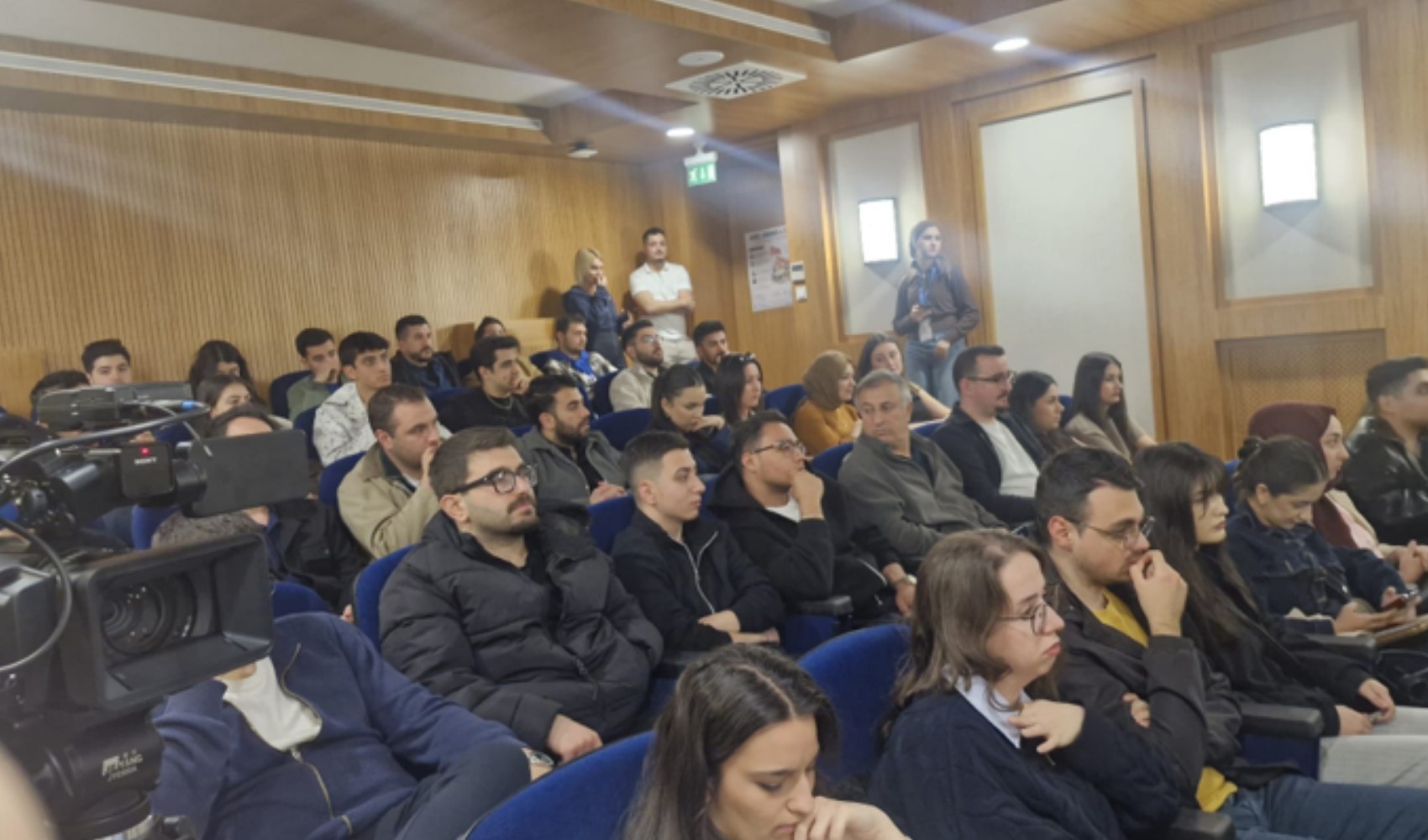
The Department of Finance at Atılım University's Faculty of Business Administration hosted a major event that blended academic depth with bureaucratic experience to address one of the hottest topics in the global economy and geopolitics. The conference, titled "Crisis, Energy, and Budget: Financial Reflections of Middle East Tensions on Turkey," turned into a brainstorming hub where Turkey's new fiscal and geostrategic roadmap was discussed, rather than just a panel.
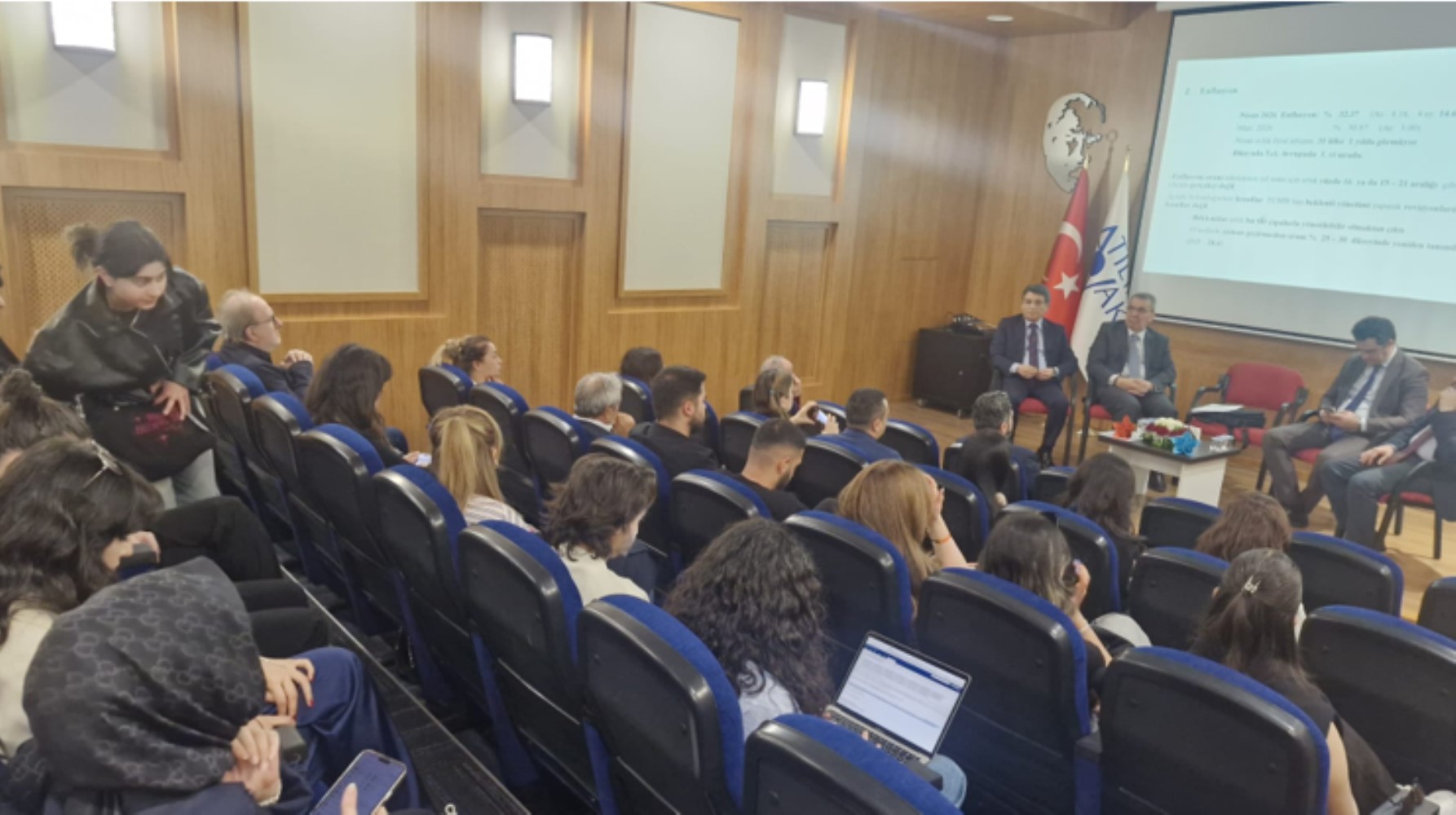
High Attendance and Academic Prestige
The high level of participation in the event held at the Cengiz Yenerim Conference Hall once again proved the vitality of the subject. The gathering of high-level representatives from critical institutions such as the Ministry of Treasury and Finance and the Presidency of Strategy and Budget, alongside academics, ensured that academic knowledge met directly with the state's decision-making mechanisms. The conference was recorded as a prestigious platform where concrete answers were sought regarding how Turkey can increase its economic resilience in the shadow of regional conflicts.
Strategic Analyses from the Perspective of Panelists
• Prof. Dr. Doğan Cansızlar: "The Opportunity to Become a Logistics Hub" Cansızlar stated that the crisis in the Middle East triggers global inflation through energy prices, but this situation opens a new door for Turkey. He emphasized that Turkey, located at the center of the Middle Corridor, could become an indispensable "distribution center" (hub) in energy trade with its pipelines, LNG terminals, and storage capacity.
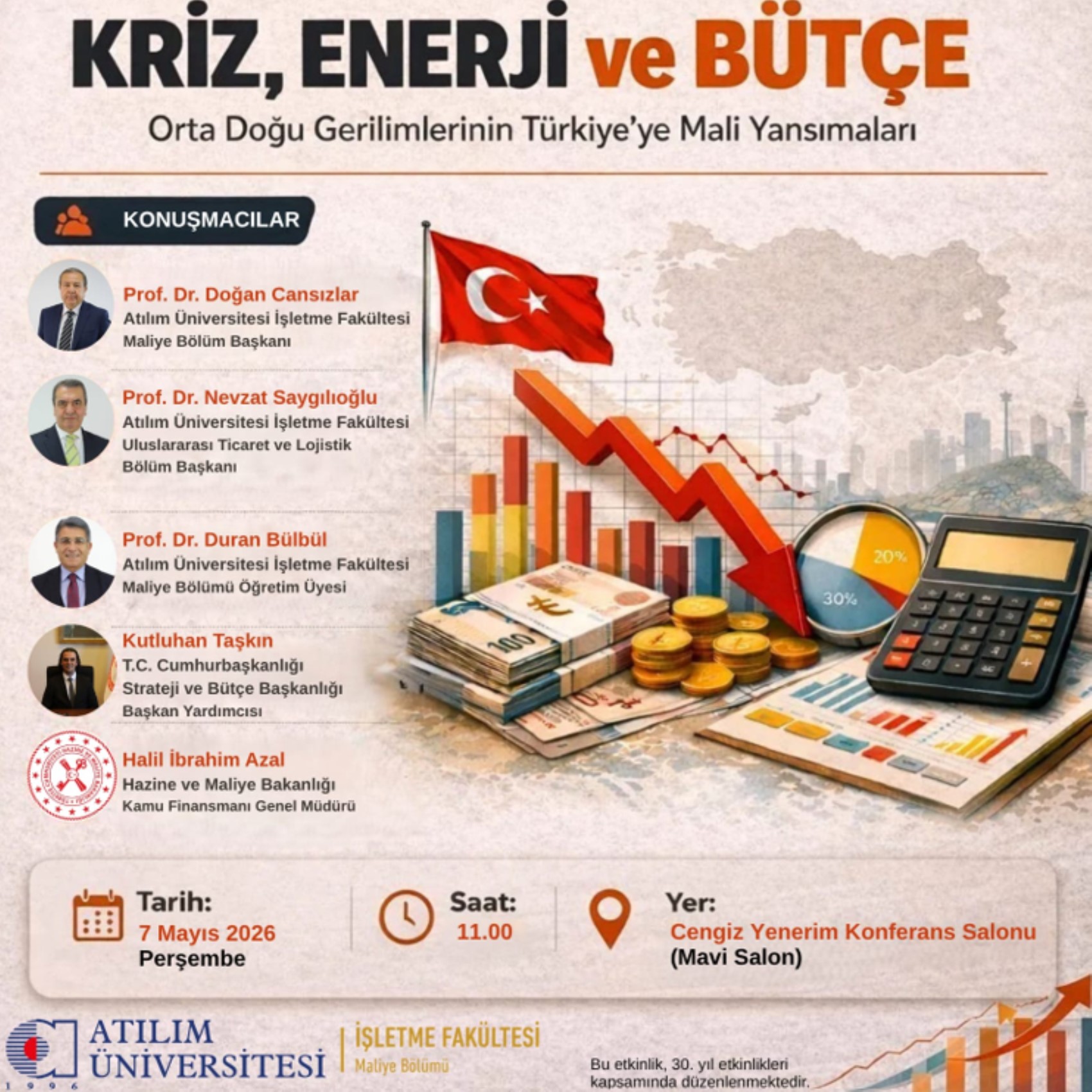
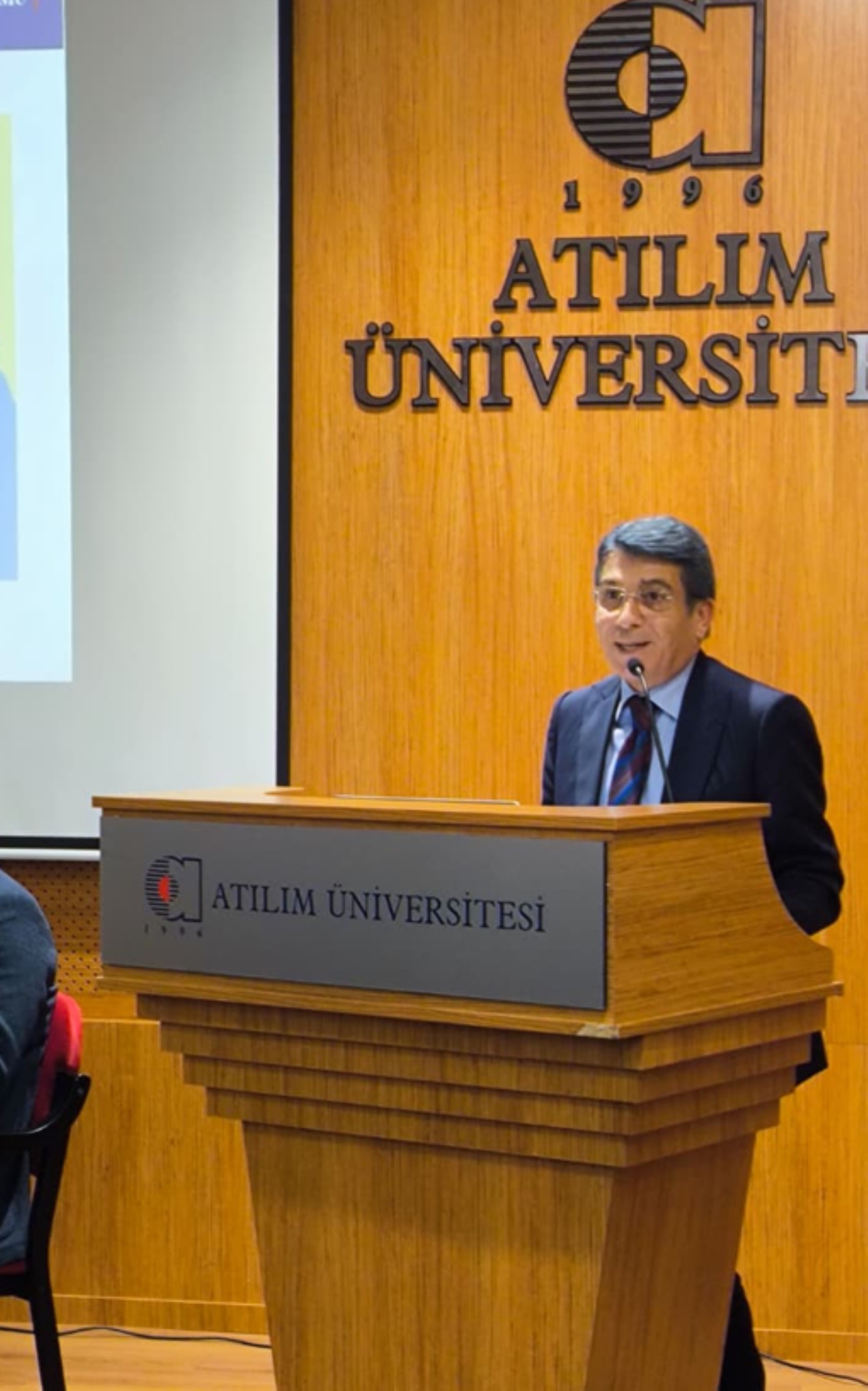
• Prof. Dr. Nevzat Saygılıoğlu: "Tax Incentives as a Financial Shield" Saygılıoğlu stated that new tax regulations focused on the Istanbul Financial Center (IFC) are critical in absorbing the effects of the war. He conveyed the message that the 100% corporate tax exemption offered if global companies move their management centers to Turkey, and the income tax exemptions introduced for qualified personnel, would make Turkey a management and financial fortress in the region.
• Prof. Dr. Duran Bülbül: "Energy and Food Supply Security" Bülbül drew attention to the potential of risks in the Strait of Hormuz to trigger food inflation by increasing freight and insurance costs. However, he noted that Turkey can maintain its physical supply security with alternative suppliers such as Russia and Iraq, and that this resilience is the greatest advantage for macroeconomic stability.
• H. İbrahim Azal and Kutluhan Taşkın: "Budget Discipline and International Trust" The messages from the Treasury and Strategy Presidency were quite clear: Turkey's risk premium (CDS) is at its lowest level since 2018. This shows that despite geopolitical shocks, access to international capital markets continues and budget discipline continues to act as an anchor of trust.
CONFERENCE FINAL DECLARATION: 4 CRITICAL CONCLUSIONS FOR TURKEY
The common conclusions that emerged at the end of the panel serve as a guide for Turkey's short- and medium-term political economy:
1. Energy Hub and Middle Corridor: In this period when the ties of the Western financial system with Gulf capital are shaken, Turkey should be positioned not just as a transit route, but as an energy production, storage, and logistics management center. Increasing pipeline and storage capacity is a strategic necessity.
2. Reconstruction and Defense Industry: The reconstruction process that will begin in the post-war period in the Middle East and Ukraine will create massive demand for Turkey's contracting and production capacity. Furthermore, the security need in the region will create a multiplier effect in the export of Turkish defense industry products.
3. Financial Attraction Center with IFC: In an environment where regional risks are increasing, attracting capital and the operational centers of global companies to Turkey by using the tax advantages and legal security ground offered by the Istanbul Financial Center will create a financial defense line.
4. Reducing Dependency on Imported Intermediate Goods: Accelerating the transition to high value-added and domestic production (with programs like HIT-30) to break the inflationary effect of the increase in freight and insurance prices is seen as the only way to protect the current account balance.
In conclusion, this conference held at Atılım University has revealed a strong academic and bureaucratic consensus that Turkey can not only manage geopolitical risks but also emerge from these crises as a regional leader and a safe financial haven.
News Source: 12punto
Most Read

Striking picture for Özgür Özel's 'New Party'

Özgür Özel gives a dated response regarding the number of resignations

Forest fire in Antalya brought under control

The PKK opening and Özgür Özel’s path!..

How did the newspapers view Özgür Özel's farewell to the CHP?
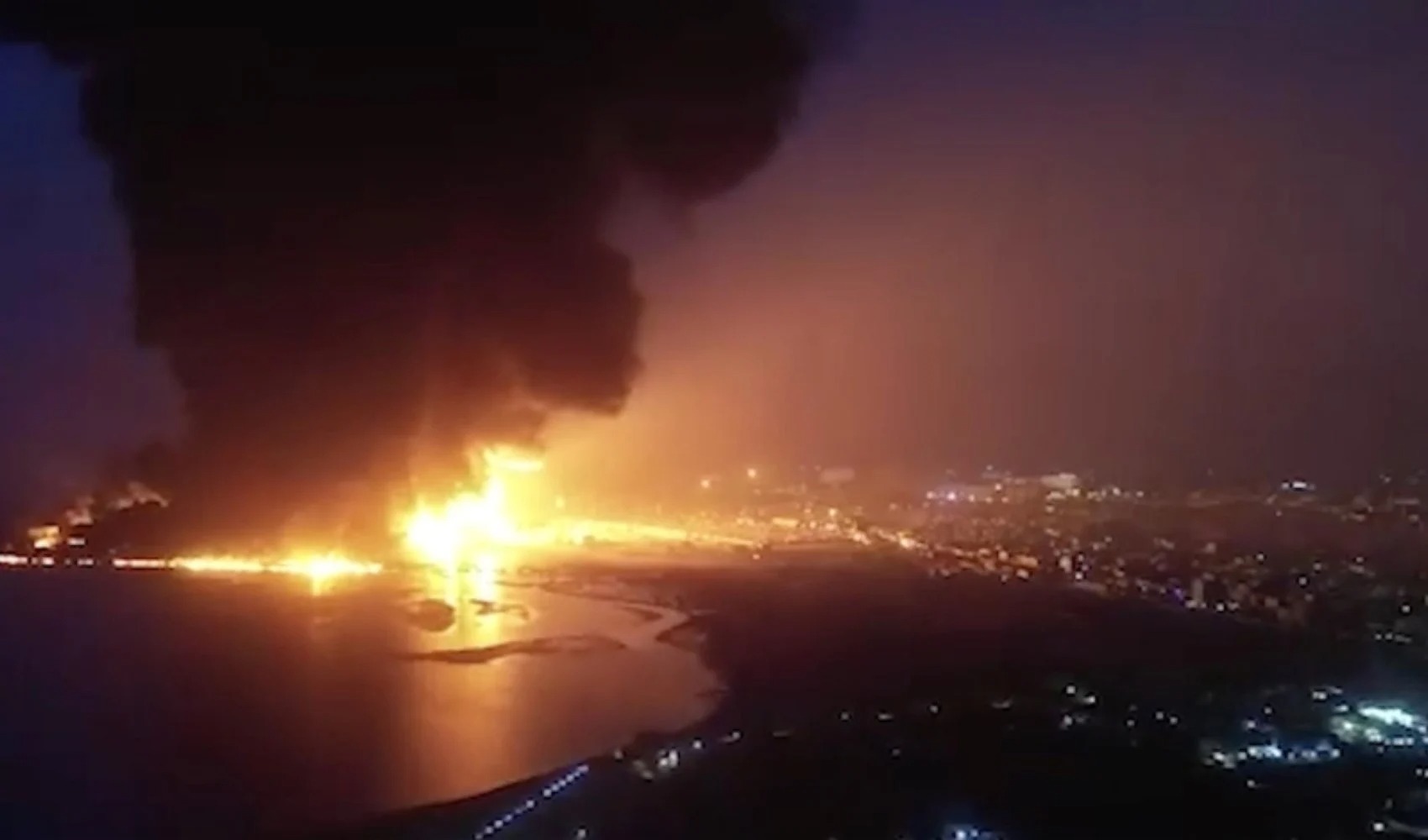
Houthis strike Saudi-owned tanker

What did the CHP do?

Özel’s new party move in the world press

The New CHP, against CEHAPE

From self-efficacy to despair