

Hilal Özdemir writes: Ila and Saajan meet on the mountain of the heart, as Neşet Ertaş would say
Hilal Özdemir writes... Ila and Saajan meet on the mountain of the heart, as Neşet Ertaş would say



Hilal ÖZDEMİR
In Mumbai, India's most populous city, thousands of housewives prepare lunch for their husbands every day and deliver these meals to them in tiffin carriers through a system that could be considered miraculous.
In this system, called Dabba, no technology is used; meals are delivered to the relevant people by bicycle or car solely through codes written on the tiffin carriers. The system, which has been in use since 1890, has a margin of error of only one in four million. The film takes this margin of error—a misplaced tiffin carrier—as its starting point and opens up vast doors into the human experience.
The Lunchbox is a 2013 Indian film written and directed by Ritesh Batra, starring Irrfan Khan, Nimrat Kaur, and Nawazuddin Siddiqui.
Ila appears to be in a happy marriage with her husband and daughter, but she is actually a lonely woman. Saajan is a civil servant who has lost his wife and lives alone.
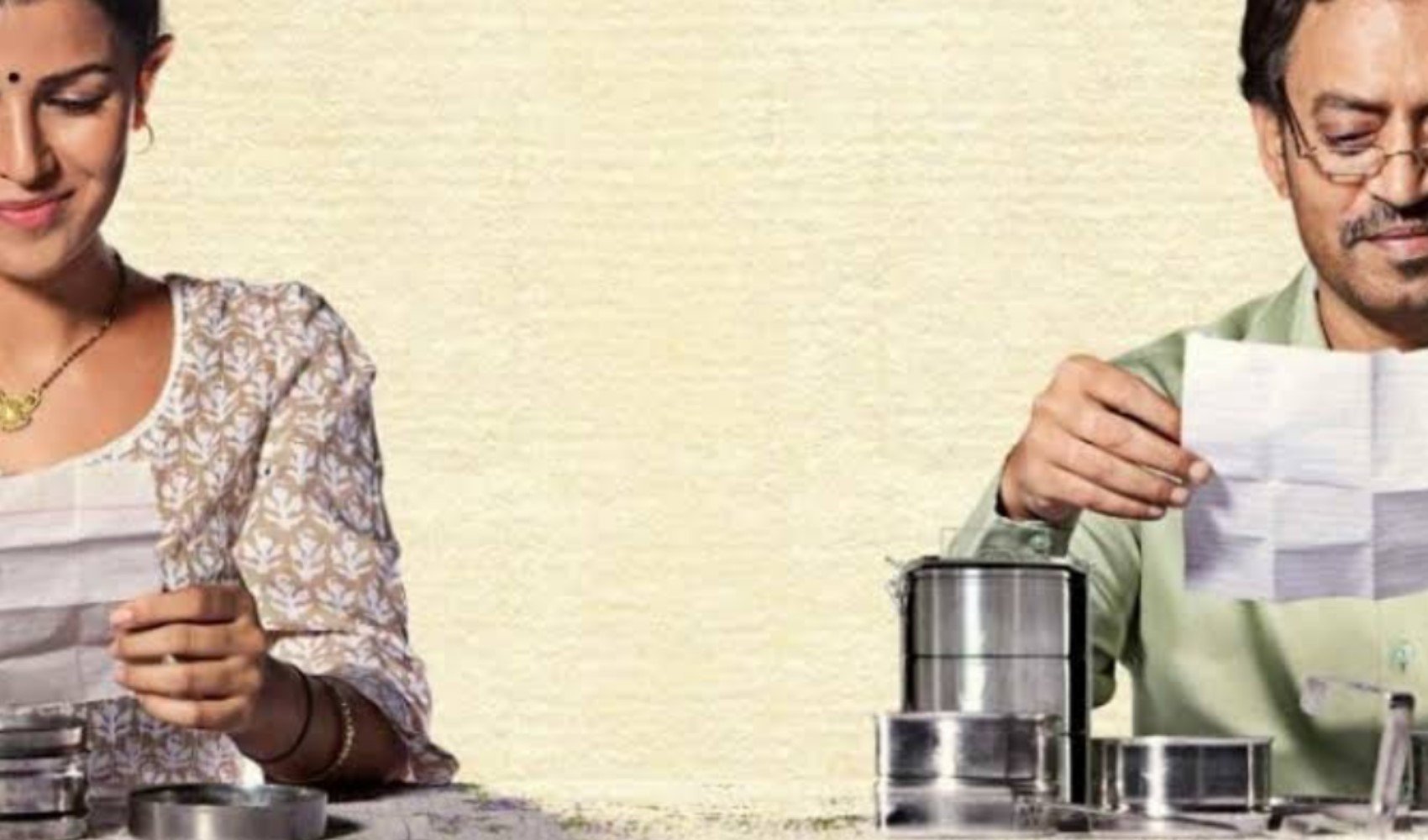
The correspondence between Ila, who tries to revive her relationship with her husband by cooking delicious meals, and Saajan, who has lost his wife, begins with a misplaced tiffin carrier. Rather than a classic love triangle, the film takes us on a journey into the inner worlds of the individuals. Through what the characters write in their letters, it moves beyond the classic narrative of India that has occupied our minds for years, touching on individual, social, and bureaucratic aspects.
Ila is a woman who devotes herself to her family, taking care of housework and her child. All she wants is a little attention from her husband. Ila, who begins to prepare the meals she makes every day with even more care, sends the food she packs into the tiffin carrier to her husband. When she sees that all the food is gone in the evening, she is happy. She thinks her husband liked the food very much and expects a thank you. However, when she talks to her husband, she realizes that the tiffin carrier went to the wrong person. Seeing that her husband cannot distinguish between the food she made and the food someone else made, she walks away from the room without saying anything.
Saajan, on the other hand, is someone who has been buried in loneliness after his wife died, moving between home and work. He realizes the wrong tiffin carrier he received when he finds a note the next day while eating the food that came from Ila again. Ila thanks Saajan for finishing all the food. Thus, the friendship between Ila and Saajan, who are condemned to loneliness in this huge and crowded city, begins.
In their letters, they talk about their daily work, their neighbors, and their expectations from life.
Ila talks about her husband's indifference, while Saajan talks about the loneliness he experienced after losing his wife, his commute to work on the crowded train, and his desire to buy a burial plot for himself. Along with the content of the letters, the audience also gains insight into the daily lives of middle-class families in India.
Saajan: Me and the smell of an old man...
Ila and Saajan, who decide to meet at the end of their correspondence, begin to prepare with excitement. Saajan first shaves and then puts on his best clothes. But when he returns to the bathroom to get something he forgot, the reality suddenly hits him in his reflection in the mirror. Although Saajan goes to the place they agreed to meet, he watches Ila from afar. And in the apology letter he writes afterward, he says, "I felt the smell of my grandfather in the bathroom; me and the smell of an old man."
Ila: Sometimes the wrong train will get you to the right station.
Ila, who is saddened because she could not meet Saajan, suddenly finds herself in a void with the death of her father. When she talks to her mother to console her, she also faces her own realities. She decides to give up being with someone who no longer thinks of her and is not happy with her presence, and she charts a new path for herself and her daughter.
Rumi: It is not those who speak the same language, but those who share the same feeling who understand each other.
The duo, who add an innocent excitement to their monotonous lives, is a beautiful example of how people who understand each other can improve their lives by writing and talking about even simple subjects and sharing their troubles, even if they are not side by side or even if they do not know each other.
The film proceeds with a habit peculiar to the past, like pen-palling, in an age where technology is developing. Ila is happy because her efforts are appreciated and what she tells about her daily life finds a response, and Saajan is happy because there is someone who thinks of him and shares his loneliness. Thus, we are reminded of Rumi's saying, "It is not those who speak the same language, but those who share the same feeling who understand each other."
The Lunchbox paints a portrait of the lonely individual. It tells the story of the lives of middle-class families in India in a simple way.
The Lunchbox is a film that should be watched by those who are hesitant about Indian films due to their long duration and classic dance scenes.
Every time I watch the film, it reminds me of the lyrics from Neşet Ertaş's folk song "Gönül Dağı": "There is a path from heart to heart that cannot be seen." This is actually what cinema is a little bit about. It brings you together in the same feeling with people from countries with different cultures who lived thousands of years before you or are thousands of kilometers away. Even if Saajan and Ila cannot come together, they meet on Neşet Ertaş's bridge of the heart.
News Source: 12punto
Most Read

Striking picture for Özgür Özel's 'New Party'

Özgür Özel gives a dated response regarding the number of resignations

Forest fire in Antalya brought under control

The PKK opening and Özgür Özel’s path!..

How did the newspapers view Özgür Özel's farewell to the CHP?

Houthis strike Saudi-owned tanker

What did the CHP do?

Özel’s new party move in the world press

The New CHP, against CEHAPE

From self-efficacy to despair