

Profit guarantees at the expense of public loss... Subsidize the people, not the companies
'In this system where public resources are transferred to energy monopolies under the name of subsidies, a price hike is not an economic necessity, but a political choice.'



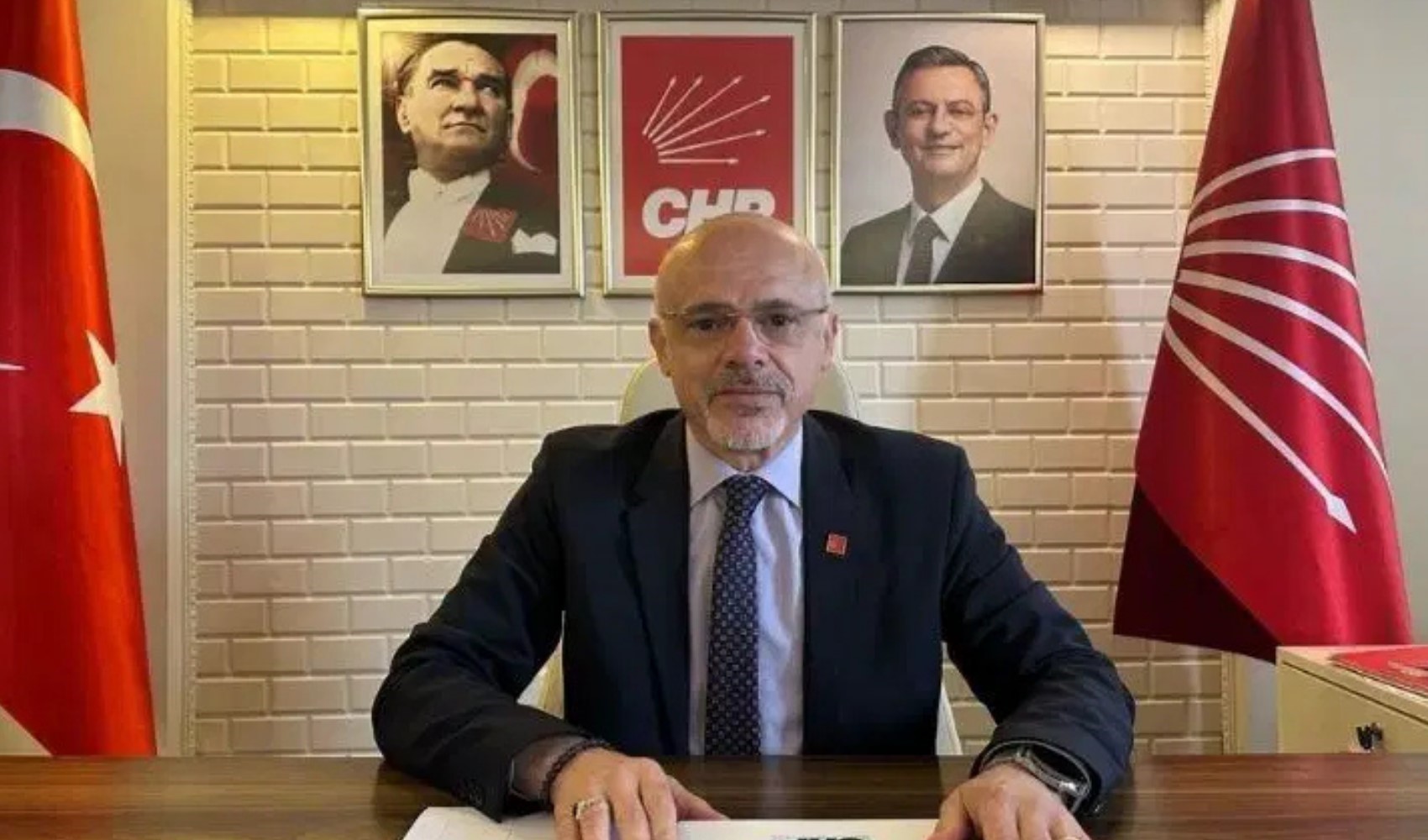
Mehmet Özdağ
Electronics Engineer - CHP Samsun Provincial Chair
The volatility in the oil market following the imperialist attack on Iran first turned into a wave of price hikes in our country. Following fuel prices, it is being stated that electricity and natural gas will also see price hikes in the 25-30 percent range as of April 1, 2026. The fact that the increase is being reflected at the pump despite the sliding scale system shows that the preference is to leave citizens vulnerable to sudden fluctuations and increases. Similarly, raising electricity prices will be more of a choice by the government than a necessity brought about by war. Indeed, even in countries that are directly parties to the war and have been struggling to carry out their basic economic activities for some time, a price increase of this magnitude has not been on the agenda.
The familiar picture displayed by the government in crisis management is repeating itself; citizens who have not been able to overcome the shock of the global pandemic and logistical disruptions are now being forced to pay the price for the war in the region. It is understood that a more overt price hike will be added to the implicit increases made by lowering the limit in the Last Resort Supply Tariff, which is one of the factors fueling inflation. The limit in question was lowered to 7 million kWh in 2020, to 1 million kWh in 2023, tragically to 5,000 kWh at the end of 2024, and to 4,000 kWh in 2026. With this change, which also covers all residences with an average monthly consumption exceeding 333 kWh, the “energy” cost reflected in bills began to be automatically increased. However, it seems this mechanism was found insufficient, as a price hike through a direct national tariff change is now being brought to the agenda. It would not be surprising if there is also a hike in the distribution fee in addition to the energy cost on the bills.
DIMENSIONS OF PROFIT GUARANTEE
Although separated on paper until today, market conditions with profit guarantees have been provided for electricity distribution and authorized supply companies that hold a monopoly position in their respective regions. The primary function of the EMRA (EPDK) has been reduced to securing profit guarantees through legislative changes. There is no other explanation for the fact that 70 percent of low-consumption residential bills in the national tariff consist of distribution fees today. Moreover, this guarantee is not limited only to the distribution side of the companies; a separate “guarantee” is also offered to the authorized supply companies that carry out retail sales.
PUBLIC LOSS AND SUBSIDY
While cost increases are directly reflected to the majority of citizens through the Last Resort Supply Tariff, the authorized supply companies, which are the twin siblings of electricity distribution companies and issue bills to citizens, are protected from cost increases by the public. It was revealed that the public institution EÜAŞ purchased electricity from the market at an average cost of 2.24 TL/kWh in 2024 and sold it to authorized supply companies for 0.48 TL. These figures, which Energy Minister Alparslan Bayraktar disclosed in a written response to a parliamentary question, created a public loss of 165 billion TL in 2024 according to the calculations of CHP İzmir Deputy Ednan Arslan. Moreover, the 0.48 TL price, which has been in effect since November 11, 2023, has not been raised for 28 months. It is estimated that the cost of the subsidy provided to authorized supply companies over the last three years to society exceeds 1 trillion liras.
This is the truth behind the “we are providing subsidies” rhetoric that never falls off the tongues of government spokespeople. The subsidy is not being maintained for low-income earners, but for electricity companies. These subsidies, financed with public resources, that is, with the taxes paid by citizens, are transferred to these companies as a second income. The public gives discounts to these companies, and the companies issue hefty bills to the citizens. While one of the payments is collected directly from the citizen's bill, the other is transferred to the companies by causing EÜAŞ to incur losses. Both of these sources come out of the citizen's pocket, either directly or indirectly.
Even if there is a temporary increase in imported energy sources during crisis periods, it should be essential for the public to dampen this wave before it is reflected in the bills. Increases in energy costs can always be balanced with temporary discounts on distribution fees. The burden of market volatility should be reflected not on the citizen, but on the distribution holdings that have been fed by public subsidies for years.
War conditions have once again revealed that it is mandatory for the public to break its dependence on imported sources through renewable energy investments in the medium term. In the short term, cost increases can be balanced by redirecting the subsidies transferred to electricity distribution companies to the public. This price hike is not inevitable. If you stop subsidizing electricity distribution companies, there is no need to raise the national tariff!
News Source: 12punto
Most Read

Striking picture for Özgür Özel's 'New Party'

The PKK opening and Özgür Özel’s path!..

How did the newspapers view Özgür Özel's farewell to the CHP?

He killed his wife by slitting her throat: Their children witnessed the moments

What did the CHP do?

Özel’s new party move in the world press

The New CHP, against CEHAPE

Fire at TUSAŞ engine factory in Eskişehir under control

From self-efficacy to despair

Kılıçdaroğlu's first message on Özgür Özel's new party announcement