

He did not remain silent on the Kurdish language debate: He shared it on his social media
Debates flared up after Parliament Speaker Numan Kurtulmuş concluded his speech with a poem in Kurdish and it was shared on the official accounts of the Grand National Assembly of Turkey (TBMM). Mansur Yavaş made an important post regarding the issue.



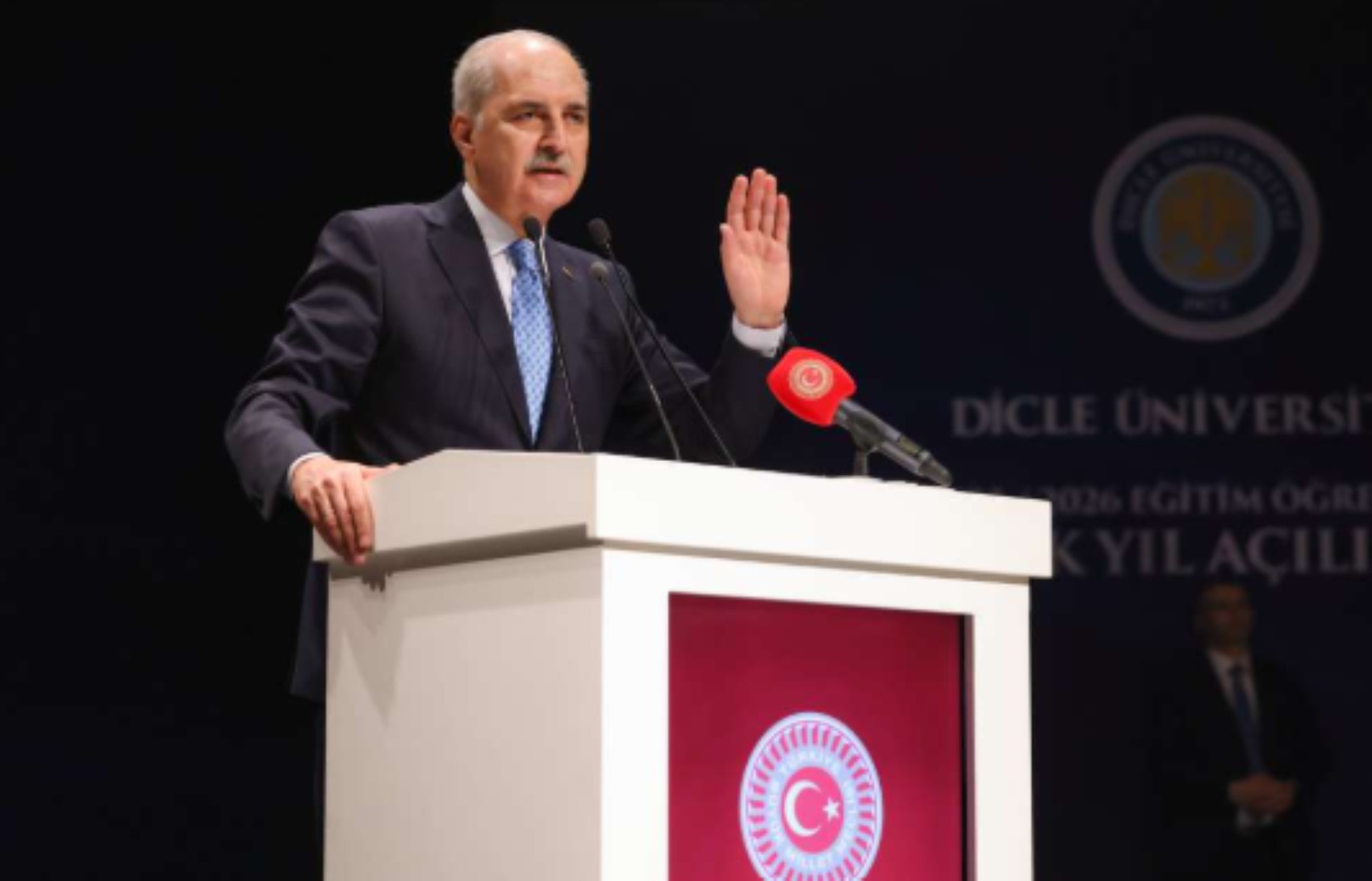
The speech that Parliament Speaker Numan Kurtulmuş concluded with Kurdish verses and the subsequent post on the official social media accounts of the TBMM have caused a major stir in public opinion. Kurtulmuş's use of a Kurdish poem during his speech at Dicle University in Diyarbakır has brought controversial topics such as the right to one's mother tongue and the right to education in the mother tongue back to the agenda.
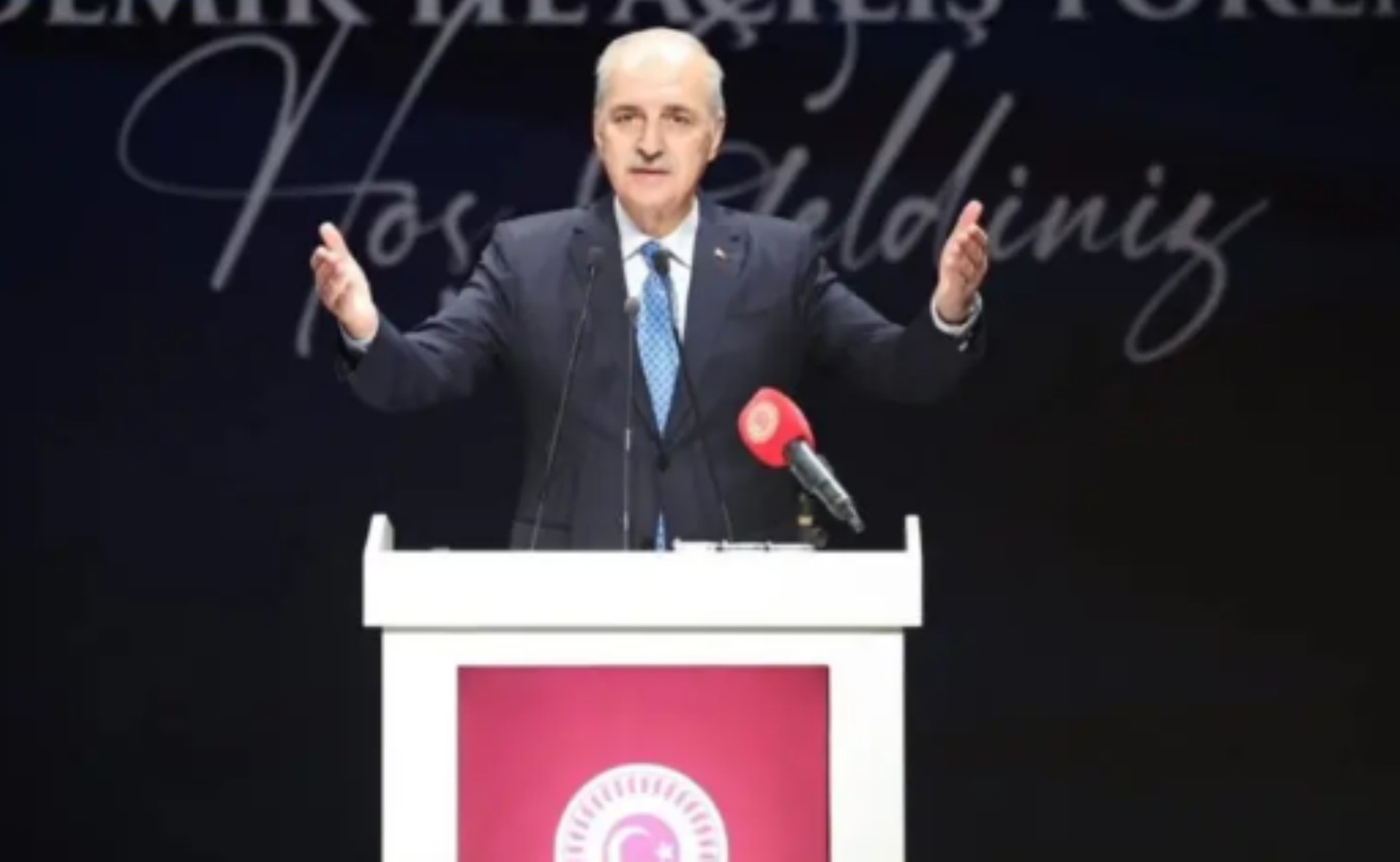
Parliament SpeakerKurtulmuş visited Diyarbakırwithin the framework of the Imralıprocess. During his visit, he gave a speech at Dicle University and read aKurdish poem at the end of hisspeech. These moments were shared via the official social media accounts of the TBMM. These moments were shared via the official social media accounts of the TBMM.
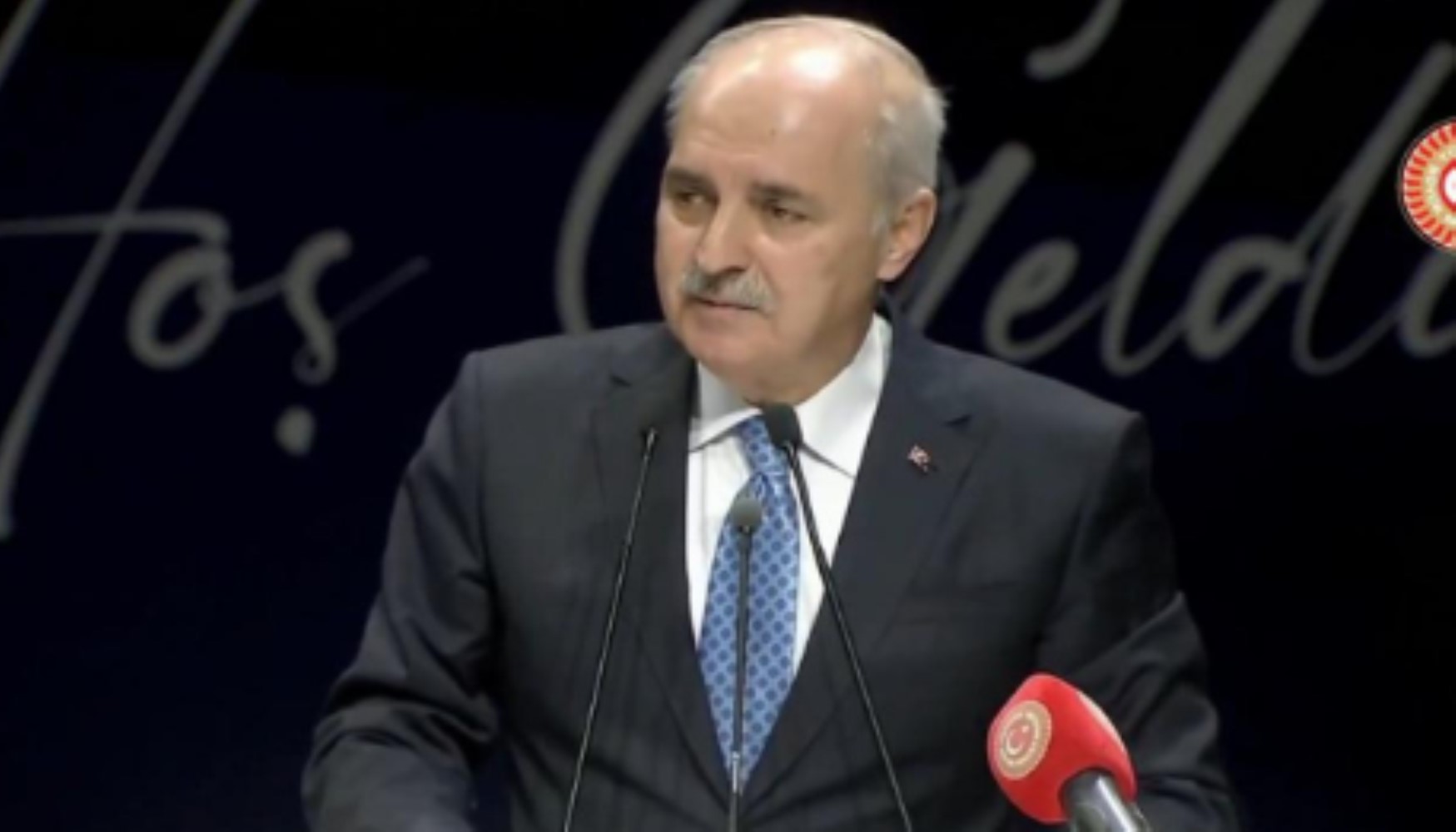
The DEM Party, one of the most important actors of the 'Resolution Process,' reacted last week to MHP Chairman Devlet Bahçeli's statement that 'maximalist demands should not be made.' In response to this statement, the DEM Party voiced its demand for education in the mother tongue, criticizing the process by asking, 'Which of these are maximalist?' This issue, which has caused debates in public opinion, has led to views that the difference between 'mother tongue education' and 'education in the mother tongue' should be emphasized and discussed further.
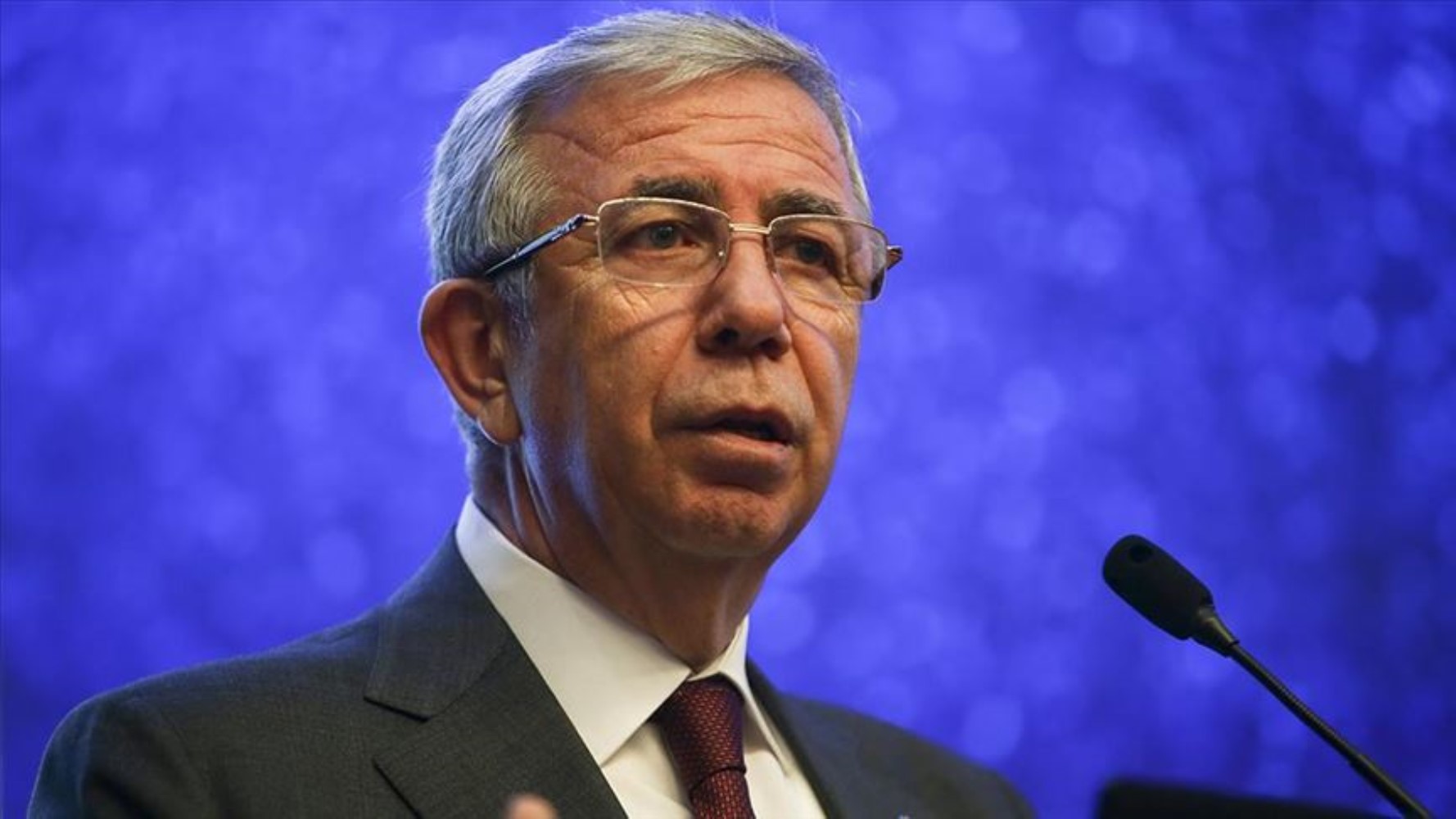
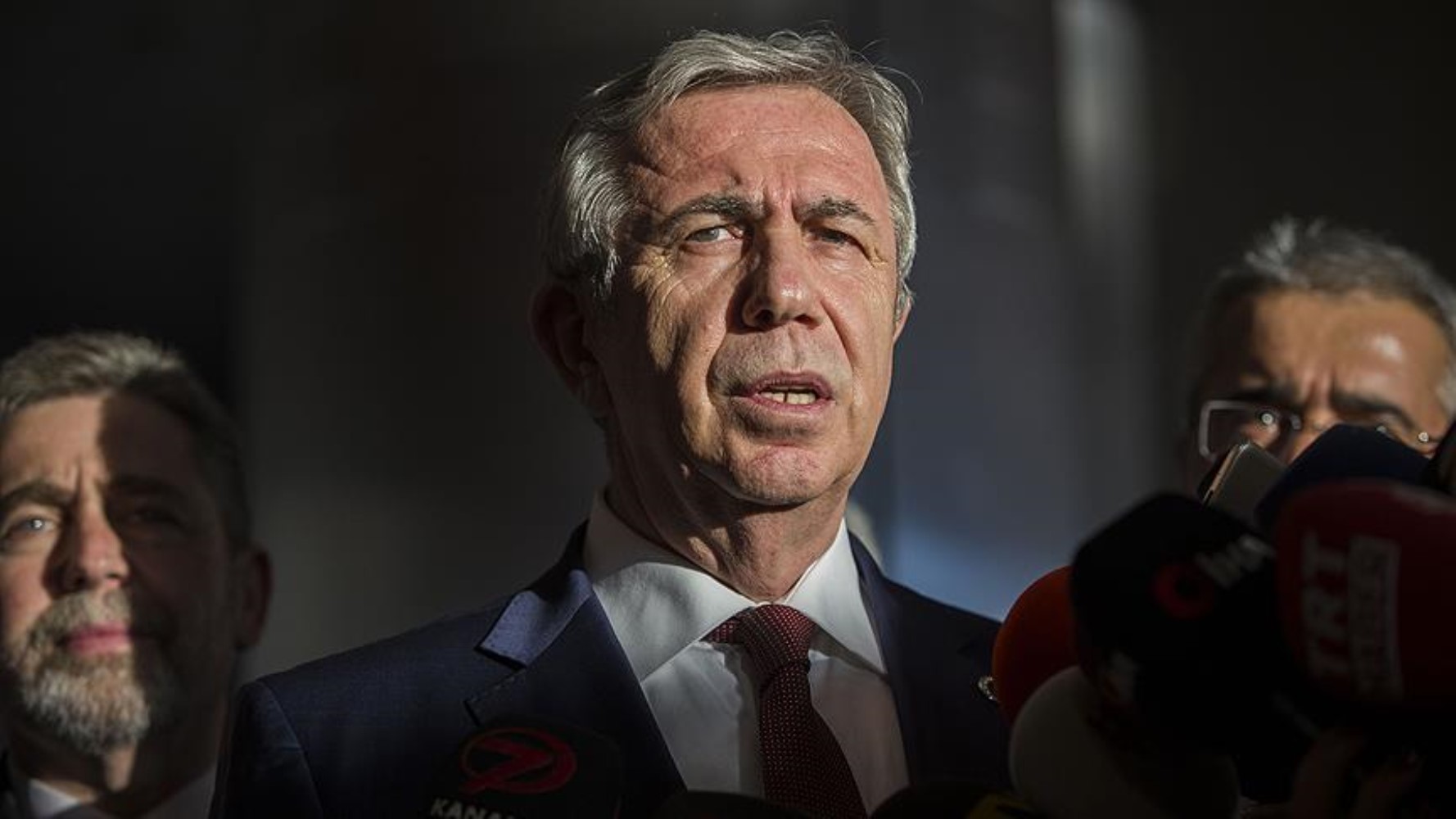
Ankara Metropolitan Municipality Mayor Mansur Yavaş also joined the debate. Yavaş shared journalist Gürbüz Evren's article titled 'The Distinction Between Mother Tongue and Official Language' on social media. In his post on his X account, Yavaş stated, 'Journalist Gürbüz Evren has written about world examples regarding the distinction between mother tongue and official language. I recommend you read it.'
Evren's report is as follows:
In the 40-year period since the terrorist organization PKK's first armed attack on August 14, 1984, the issue known as the Kurdish question has been brought to the public agenda every 10-15 years.
Within the scope of this issue, the topics of official language and education in the mother tongue are also opened for debate.
However, those who engage in this debate often handle the issue only within the context of Turkey and do not wonder what the situation is regarding official language and language of instruction in other countries.
I believe that by sharing examples from countries in different parts of the world, we can contribute to the formation of new perspectives.
In the meantime, let us remind you that immigrant-origin communities living in Europe are not included in the scope of this article because their situations in the countries where they reside are different.
The communities mentioned in the article are historical parts of the countries they live in and are therefore the subjects of the issue we are addressing.
Italy
In Italy, where German, French, Ladino, and Slovene-origin communities live and speak and learn their own languages, the official language and language of instruction is Italian according to Article 139 of the constitution.
France
In France and its overseas territories, where Breton, Catalan, Basque, Corsican, Alsatian (German), Creole (Caribbean), Melanesian, Kanak, Guyanese, Flemish, Occitan, and Italian-origin communities live and speak and learn their own languages, the official language and language of instruction is French according to Article 2 of the constitution.
Poland
In Poland, where German, Belarusian, Ukrainian, and Russian-origin communities also live and speak and learn their own languages, the official language and language of instruction is Polish according to the constitution.
Germany
In Germany, where Danish, Slavic-origin Sorbs, Germanic-origin Frisians, and Romani-origin Sinti also live and speak and learn their own languages, the official language and language of instruction is German.
Romania
In Romania, where Hungarian, Romani, German, Turkish, and Russian-origin communities also live and speak and learn their own languages, the official language and language of instruction is Romanian according to Article 13 of the Constitution.
Hungary
In Hungary, where Bulgarian, Greek, German, Croatian, Slovenian, Serbian, Slovak, and Ukrainian-origin communities also live and use and learn their mother tongues, the official language and language of instruction is Hungarian according to Article 1 of the constitution.
Brazil
In Brazil, where German, Dutch, Italian, Spanish, Japanese, Arab, Portuguese, and French-origin communities live and can speak their own languages (though the majority in these communities have forgotten their language) and where 252 indigenous tribal languages are also spoken, the language of instruction and official language is Portuguese according to the constitution.
Slovakia
In Slovakia, where Hungarian, Romani, Ukrainian, German, Czech, Ruthenian, Moravian, Polish, Russian, Bulgarian, and Croatian communities live and speak and learn their own languages, the official language and language of instruction is Slovak according to the constitution.
Mexico
In Mexico, where indigenous tribes live and around 80 native languages are spoken, the country's official language and language of instruction is Spanish according to Article 2 of the constitution.
Sweden
In Sweden, where Finnish, Sami (Lapp), Romani, Meänkieli, and Yiddish-origin communities also live and use and learn their own languages, the official language and language of instruction is Swedish according to the constitution.
Norway
In Norway, where Lapp, Finnish, and Romani communities also live and use and learn their own languages, the official language is Norwegian. In some municipalities, Finnish and Sami are used as second service languages.
Greece
In Greece, where Albanian, Macedonian, Pomak, and Turkish communities live and speak their own languages, the official language and language of instruction is Greek according to the constitution. However, Greece has recently been creating obstacles for the schools of other communities, especially Turks, and closing some of them.
Austria
In Austria, where Hungarian, Croatian, Slovenian, Czech, Slovak, and Romani-origin people live, speak, and learn their own languages, and where services are also provided in Hungarian, Slovenian, and Croatian in some municipalities, the official language and language of instruction is German according to Article 8 of the constitution.
Netherlands
In the Netherlands, where Germanic-origin Frisian and Caribbean-origin Papiamento communities live, speak, and learn their own languages, the official language and language of instruction is Dutch according to Article 23 of the constitution.
Ukraine
In Ukraine, where Russian, Romanian, Hungarian, and Moldovan-origin communities live and speak and learn their own languages, but where the war with Russia has upset the balance, Ukrainian is the official language and language of instruction according to the constitution.
Argentina
In Argentina, where German, Italian, Spanish, Japanese, French, Irish, Welsh, Arab, and Armenian-origin communities live and 13 indigenous tribes also speak their own native languages, the official language and language of instruction is Spanish according to Article 3 of the constitution.
Bulgaria
In Bulgaria, where Turkish, Vlach, Macedonian, Romani, and Armenian-origin communities live and can speak and learn their own languages, the official language and language of instruction is Bulgarian according to Article 4 of the constitution.
Denmark
In Denmark, where Eskimo, Faroese, and German-origin communities also live and speak and learn their own languages, the official language and language of instruction in the Faroe Islands and Greenland is Danish.
India
In India, the world's most populous country with a population of 1.43 billion, where more than 2,000 ethnic groups live and 1,369 different languages are spoken, the official languages are Hindi and English according to Article 343 of the constitution. The constitution has recognized 22 languages spoken in certain regions as scheduled languages.
Philippines
In the Philippines, which consists of 7,641 islands and has a population of 110 million, there are 183 living languages, the vast majority of which are local or regional. According to Article 7 of the constitution, the Philippines has 2 official languages. These are Filipino and English. One-third of Filipino consists of 4,000 'loanwords' derived from Spanish words. The reason for this is that the Philippines was under Spanish colonial rule for 300 years in the past.
When we look at the official language and language of instruction practices in Germany, France, and Sweden, which particularly pressure Turkey regarding education in the mother tongue, we can see what kind of double standard it creates for them to demand from us what they do not have themselves.
Let us conclude by evaluating the concepts of 'education in the mother tongue' and 'mother tongue education,' which are frequently confused with each other.
Those who insist on education in the mother tongue in Turkey must surely know what kind of harm this demand would cause to the unitary state structure.
'Mother tongue education' is the best option for the preservation of Turkey's unitary state structure, and this can be enriched.
There are many examples in the world regarding mother tongue education.
We can discuss, develop, and benefit from these.
In future articles, we will continue to provide new examples from other countries to broaden the perspective on the subject.
News Source : 12punto
Most Read

Striking picture for Özgür Özel's 'New Party'

The PKK opening and Özgür Özel’s path!..

How did the newspapers view Özgür Özel's farewell to the CHP?

He killed his wife by slitting her throat: Their children witnessed the moments

What did the CHP do?

Özel’s new party move in the world press

The New CHP, against CEHAPE

Fire at TUSAŞ engine factory in Eskişehir under control

From self-efficacy to despair

Kılıçdaroğlu's first message on Özgür Özel's new party announcement