

Over 100 earthquakes in 3 days: Seismic activity in the region does not look normal
Residents of Simav have been anxious due to a series of tremors over the past 3 days. Prof. Dr. Cafer Özkul pointed out an interesting detail, stating that the earthquakes are occurring in an unidentified and unmapped location.



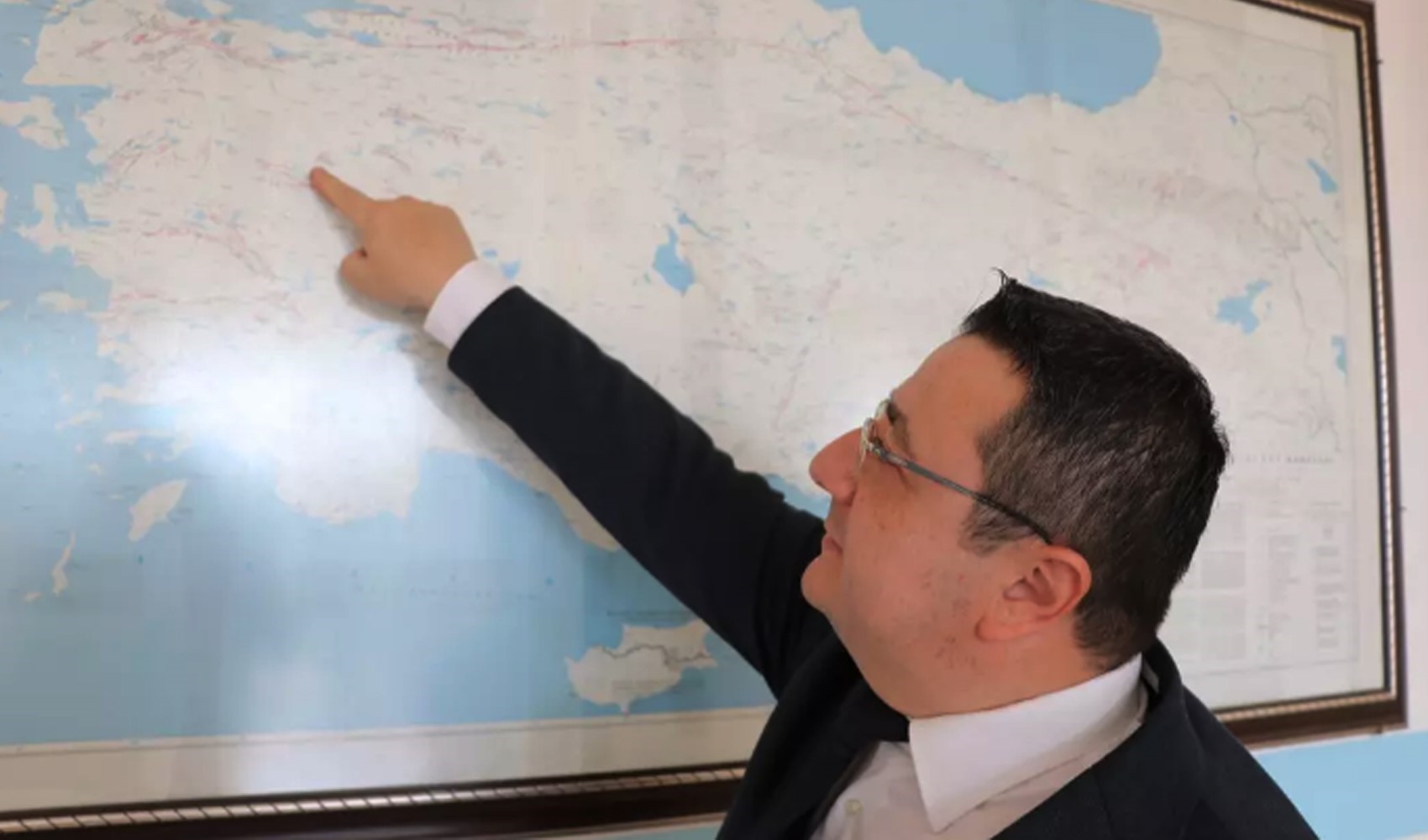
The Simav district of Kütahya has been shaking like a cradle in recent days. A detail regarding the earthquakes has emerged that raises questions.
It is particularly surprising that the seismic activity experienced over the last 3 days is occurring in a location that had not been previously identified or mapped. Kütahya Dumlupınar University faculty member Prof. Dr. Cafer Özkul stated, "Seismic activity in the region does not look normal."
Özkul stated that the Simav district is located in one of Turkey's active tectonic regions. Noting that there has been seismic activity in the region for the last 3 days, Özkul said the following:
"More than 100 earthquakes have occurred in Simav since April 19. The largest of these earthquakes was a 4.3 magnitude tremor last night. When we look at these earthquakes, we see that their magnitudes increased from April 19 to April 21. Since April 21, we have seen the earthquake magnitudes begin to decrease."
Prof. Dr. Özkul stated that the seismic activity near Yemişli village is located between 3 important fault zones capable of producing large earthquakes, adding, "The earthquakes around Yemişli are located in a region between the Simav Fault Zone, the Emet-Gediz Fault Zone, and the Naşa Fault Zone. These small-scale earthquakes occurred in a place that had not been previously identified or mapped."
"BETTER SCIENTIFIC DATA CAN BE OBTAINED THROUGH DETAILED FIELD STUDIES"
Özkul emphasized that small earthquakes in the region could cause cracks in the walls of structurally unsound buildings.
Stating that the seismic activity in the region can be evaluated as foreshocks and aftershocks, Özkul made the following assessment:
"There were approximately 50 tremors before the 4.3 magnitude earthquake that occurred last night. We can evaluate these earthquakes as foreshocks. We can evaluate the subsequent tremors as aftershocks. Seismic activity in the region does not look normal. Better scientific data regarding the earthquakes occurring in the region can be obtained through detailed field studies to be conducted here."The Simav district of Kütahya has been shaking like a cradle in recent days. A detail regarding the earthquakes has emerged that raises questions. It is particularly surprising that the seismic activity experienced over the last 3 days is occurring in a location that had not been previously identified or mapped. Kütahya Dumlupınar University faculty member Prof. Dr. Cafer Özkul stated, "Seismic activity in the region does not look normal."
Özkul stated that the Simav district is located in one of Turkey's active tectonic regions. Noting that there has been seismic activity in the region for the last 3 days, Özkul said the following:
"More than 100 earthquakes have occurred in Simav since April 19. The largest of these earthquakes was a 4.3 magnitude tremor last night. When we look at these earthquakes, we see that their magnitudes increased from April 19 to April 21. Since April 21, we have seen the earthquake magnitudes begin to decrease."
Prof. Dr. Özkul stated that the seismic activity near Yemişli village is located between 3 important fault zones capable of producing large earthquakes, adding, "The earthquakes around Yemişli are located in a region between the Simav Fault Zone, the Emet-Gediz Fault Zone, and the Naşa Fault Zone. These small-scale earthquakes occurred in a place that had not been previously identified or mapped."
"BETTER SCIENTIFIC DATA CAN BE OBTAINED THROUGH DETAILED FIELD STUDIES"
Özkul emphasized that small earthquakes in the region could cause cracks in the walls of structurally unsound buildings.
Stating that the seismic activity in the region can be evaluated as foreshocks and aftershocks, Özkul made the following assessment:
"There were approximately 50 tremors before the 4.3 magnitude earthquake that occurred last night. We can evaluate these earthquakes as foreshocks. We can evaluate the subsequent tremors as aftershocks. Seismic activity in the region does not look normal. Better scientific data regarding the earthquakes occurring in the region can be obtained through detailed field studies to be conducted here."
News Source: AA
Most Read

Striking picture for Özgür Özel's 'New Party'

Özgür Özel gives a dated response regarding the number of resignations

Forest fire in Antalya brought under control

The PKK opening and Özgür Özel’s path!..

How did the newspapers view Özgür Özel's farewell to the CHP?

He killed his wife by slitting her throat: Their children witnessed the moments

What did the CHP do?

Özel’s new party move in the world press

The New CHP, against CEHAPE

Fire at TUSAŞ engine factory in Eskişehir under control