

Another danger to human health: Water in plastic bottles
Researchers have detected approximately 240,000 "nanoplastics" in a liter of bottled water, which could potentially clog human cells.



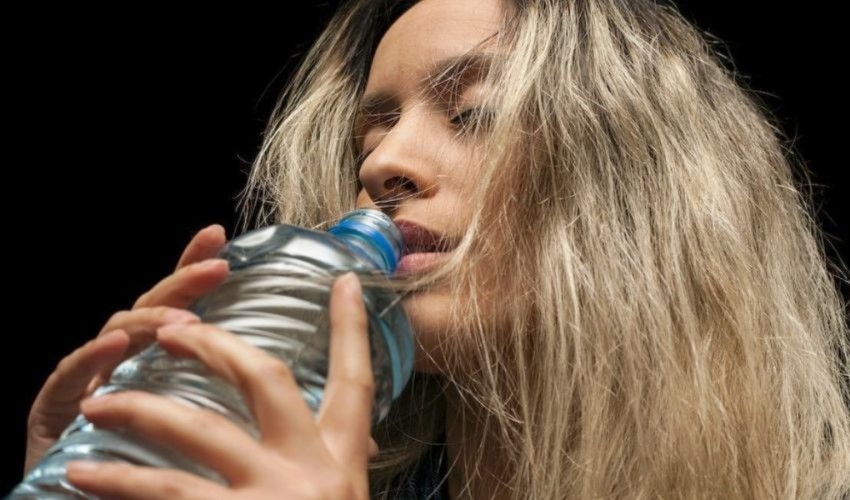
According to a report by The Hill, researchers from Columbia University have examined nanoplastics in plastic bottles using a new laser imaging method.
The researchers, who succeeded in identifying particles at the scale of one billionth of a meter with the new method, determined that there are approximately 240,000 nanoplastics in a liter of bottled water.
Beizhan Yan, one of the researchers, stated that the danger increases as the size of the plastic decreases, because the smaller the particle size, the higher the probability of it entering the human body.
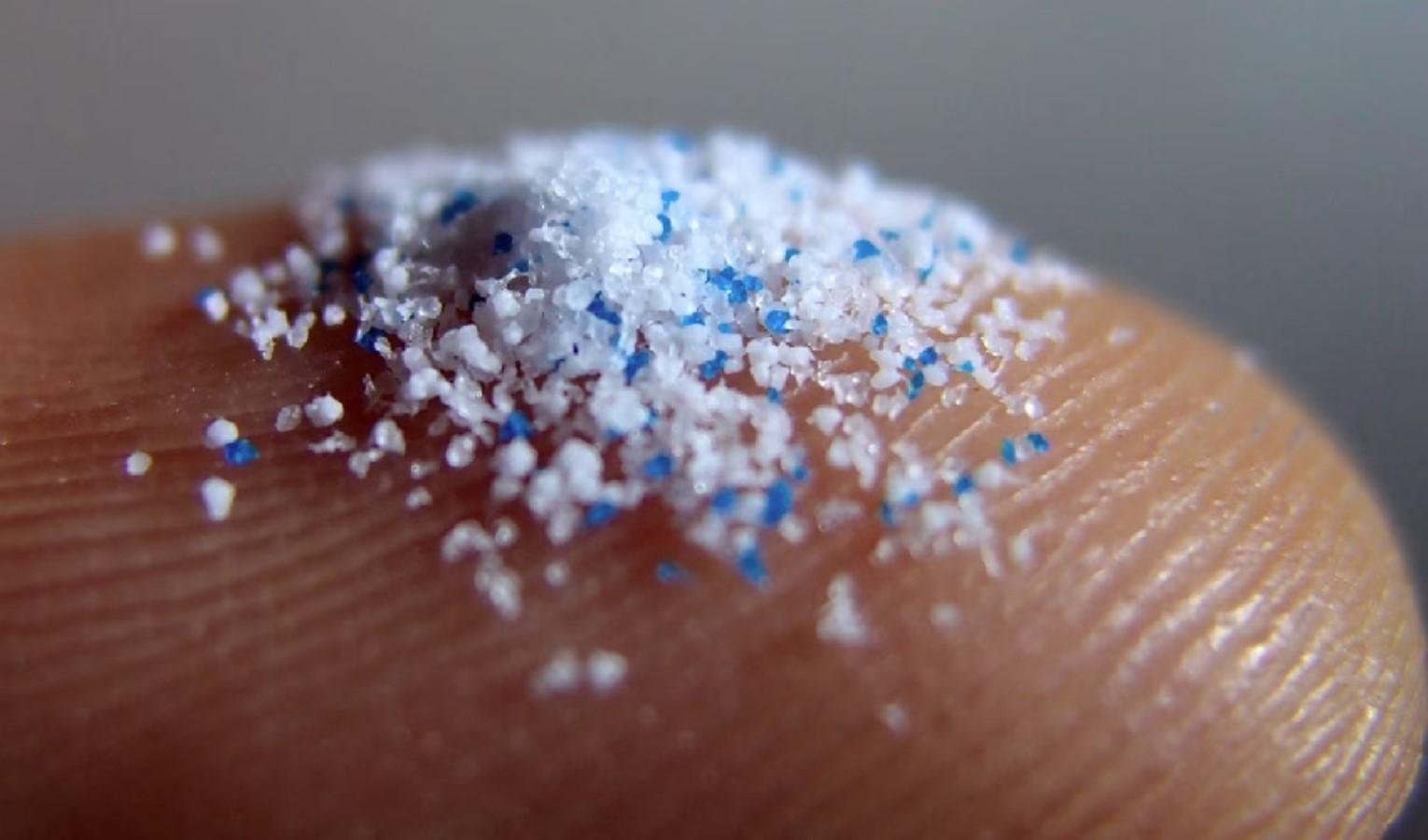
Stating that the plastic particles found in bottled water are small enough to cross the blood-brain barrier, Yan said that this could therefore lead to the loss of cells in certain regions of the brain in later ages.
Yan also assessed that these tiny plastics "can enter the blood, reach cells, and subsequently cause organs to lose their functions."
The researchers, who believe that these plastics show rapid effects because they enter the body through drinking water, stated that the small plastics could lead to the impairment of microbes in the intestines that help digest food.
Furthermore, it is assessed that the plastics could cause health risks such as increased mortality rates and birth defects.
The researchers believe that these plastics are released from the materials in the packaging or emerge during the production of the water.
On the other hand, it is not yet known which plastics humans ingest in what quantities and how much plastic enters the body.
The research was published in the journal "Proceedings of the National Academy of Sciences (PNAS)."
News Source: AA
Related News
Most Read

Striking picture for Özgür Özel's 'New Party'

Özgür Özel gives a dated response regarding the number of resignations

Forest fire in Antalya brought under control

The PKK opening and Özgür Özel’s path!..

How did the newspapers view Özgür Özel's farewell to the CHP?
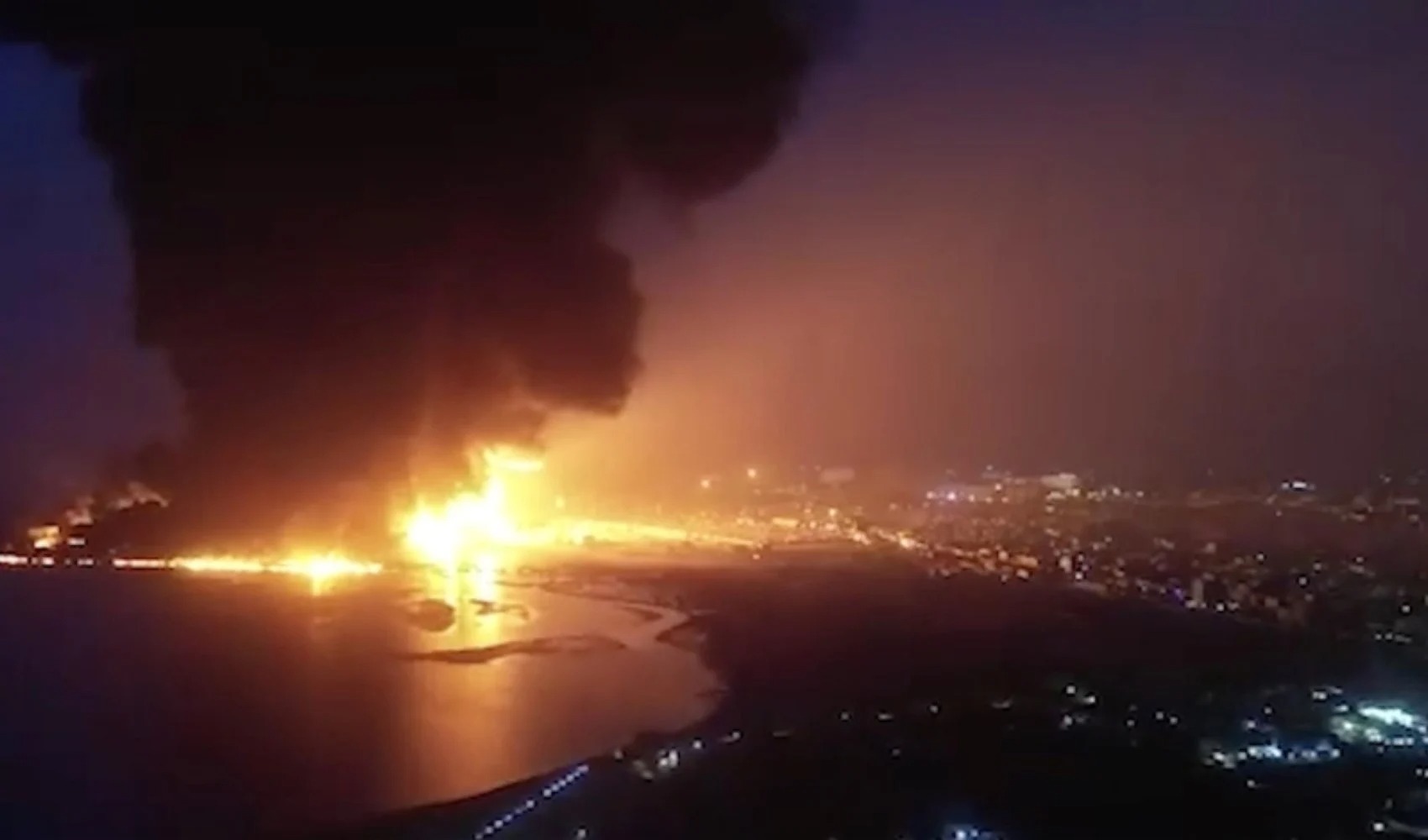
Houthis strike Saudi-owned tanker

What did the CHP do?

Özel’s new party move in the world press

The New CHP, against CEHAPE

From self-efficacy to despair