

Fake Facebook messages trap users
Facebook users have recently become the target of a spreading new wave of scams. The goal is to steal personal information, particularly through messages claiming that "your account will be suspended" or "your page is being shut down."



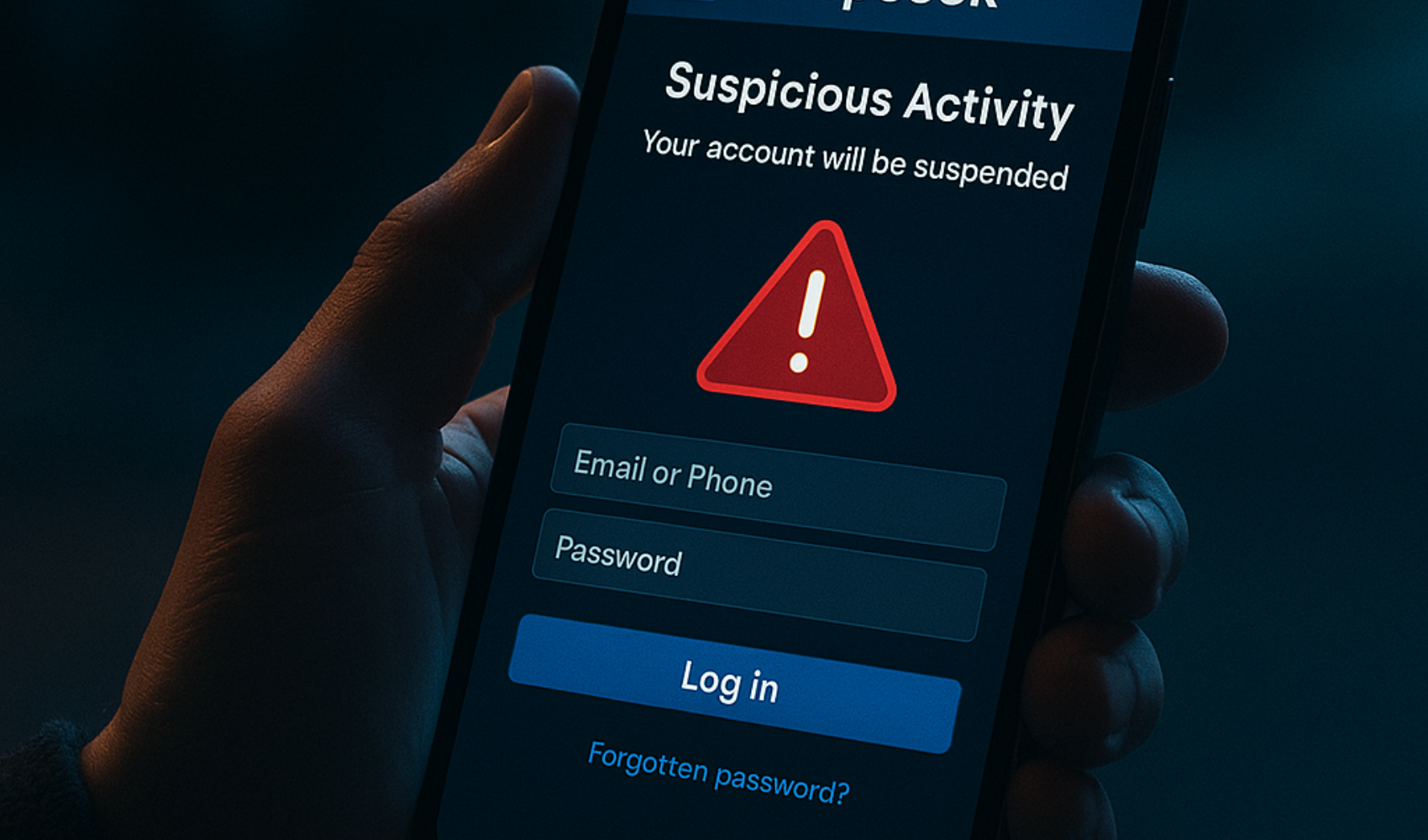
A new scam method emerging on the social media platform Facebook is threatening the security of user accounts. In fake messages sent to numerous users in recent days, it is claimed that community guidelines have been violated or that the account will be closed shortly, and a link is provided for users to click.
The scammers pose as Facebook's support team, using professionally prepared visuals, the Facebook logo, and official-sounding language. As a result, many people believe the messages and click on the link.
With a single click, users are redirected to a fake login screen that looks almost identical to Facebook. It is reported that the information of those who enter their username and password there is transferred to cybercriminals.
The attackers do not just seize the account; additional financial losses can also occur through the compromised accounts. Users who manage business pages and those with advertising accounts are at greater risk. It is reported that after obtaining credentials, the attackers seize advertising budgets and cause significant losses in the accounts.
IMPORTANT RECOMMENDATIONS AGAINST THE SCAM
Experts state that users should not click on any links contained in such messages and should only log in to Facebook via the official application or website. When encountering a suspicious situation, it is recommended to verify account security through Facebook's own platforms.
Additionally, it is emphasized that enabling two-factor authentication and immediately reporting messages from unknown individuals will provide extra protection for personal and corporate accounts. It is noted that these and similar attacks, which have been affecting Europe in recent weeks, are on the rise.
Cybersecurity experts also point out that Facebook never sends messages requesting passwords via Messenger. Users are urged to be extra cautious against unknown or suspicious messages to prevent potential victimization.
News Source: 12punto
Most Read

Striking picture for Özgür Özel's 'New Party'

Özgür Özel gives a dated response regarding the number of resignations

The PKK opening and Özgür Özel’s path!..

Forest fire in Antalya brought under control

How did the newspapers view Özgür Özel's farewell to the CHP?

He killed his wife by slitting her throat: Their children witnessed the moments

What did the CHP do?

Özel’s new party move in the world press

The New CHP, against CEHAPE

Fire at TUSAŞ engine factory in Eskişehir under control