

Mental illnesses may have been introduced through interbreeding with Denisovans
It is known that when Homo sapiens, also referred to as modern humans, migrated out of Africa approximately 60,000 years ago and moved into Eurasia, they interbred with other human species.



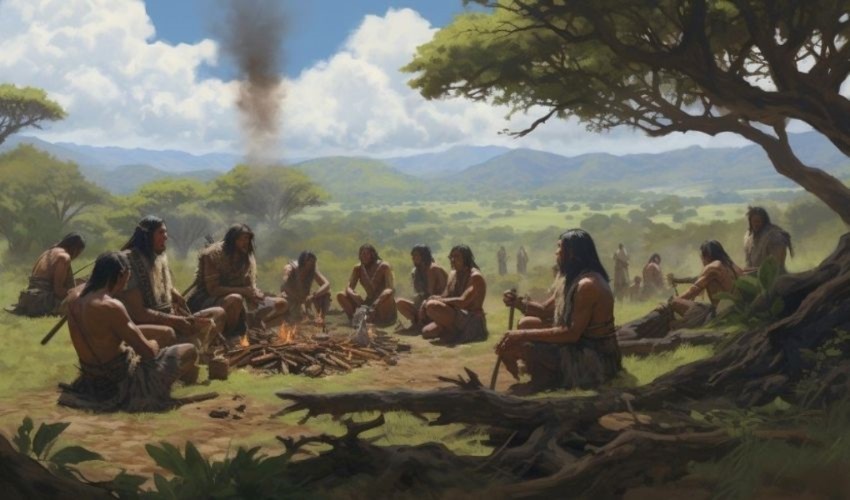
Among these species were Neanderthals and Denisovans. While some genes transferred during these hybridizations enabled modern humans to adapt to cold climates, others are the cause of certain existing diseases.
A new study has determined that genes inherited from Denisovans also increase modern humans' susceptibility to schizophrenia and other mental health disorders.
According to the researchers' analyses, populations in all regions outside of Africa possess a specific variant of a gene called SLC30A9.
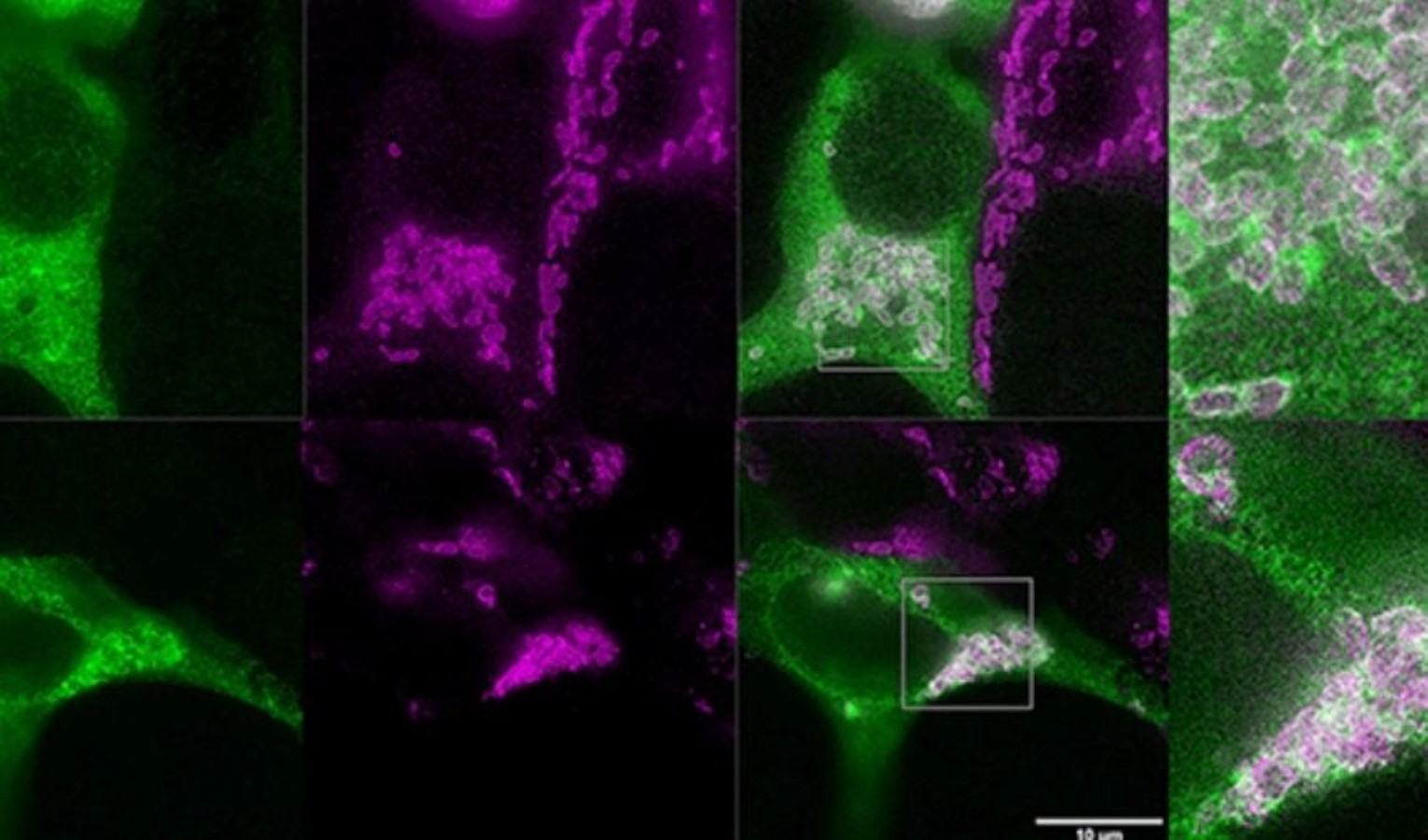
As reported by Independent Türkçe, this variant appears to have been acquired as a direct result of interbreeding with Denisovans in the distant past.
The variant is not present in the Neanderthal genome, so that species is not considered to be the source of the gene.
Ana Roca-Umbert, co-author of the study published in the peer-reviewed scientific journal PLOS Genetics, stated, "We have determined that the observed genetic variant originated from our interbreeding with archaic humans in the past, likely Denisovans."
Another co-author, Jorge Garcia-Calleja, added:
It seems the change was beneficial and proved to be a selective advantage for humans. Ultimately, this variation in the SLC30A9 gene was selected and has reached today's populations.
The team also conducted various experiments to examine how the Denisovan variant affects human physiology.
The findings showed that the gene in question leads to certain changes in cellular metabolism, preventing "zinc overload" and increasing functionality.
Based on this observation, the team believes that this variant enabled the ancestors of Homo sapiens to better adapt to the cold.
However, since zinc imbalances can cause neurological disorders, it is also possible that it has left a mark on our mental health.
News Source: 12punto
Related News

Most Read

Striking picture for Özgür Özel's 'New Party'

Özgür Özel gives a dated response regarding the number of resignations

Forest fire in Antalya brought under control

The PKK opening and Özgür Özel’s path!..

How did the newspapers view Özgür Özel's farewell to the CHP?

He killed his wife by slitting her throat: Their children witnessed the moments

What did the CHP do?

Özel’s new party move in the world press

The New CHP, against CEHAPE

Fire at TUSAŞ engine factory in Eskişehir under control