

Price shock in memory chips: AI demand challenges the era of cheap technology
The sharp rise in memory chip prices is increasing cost and price pressure on consumer electronics due to demand from artificial intelligence data centers.



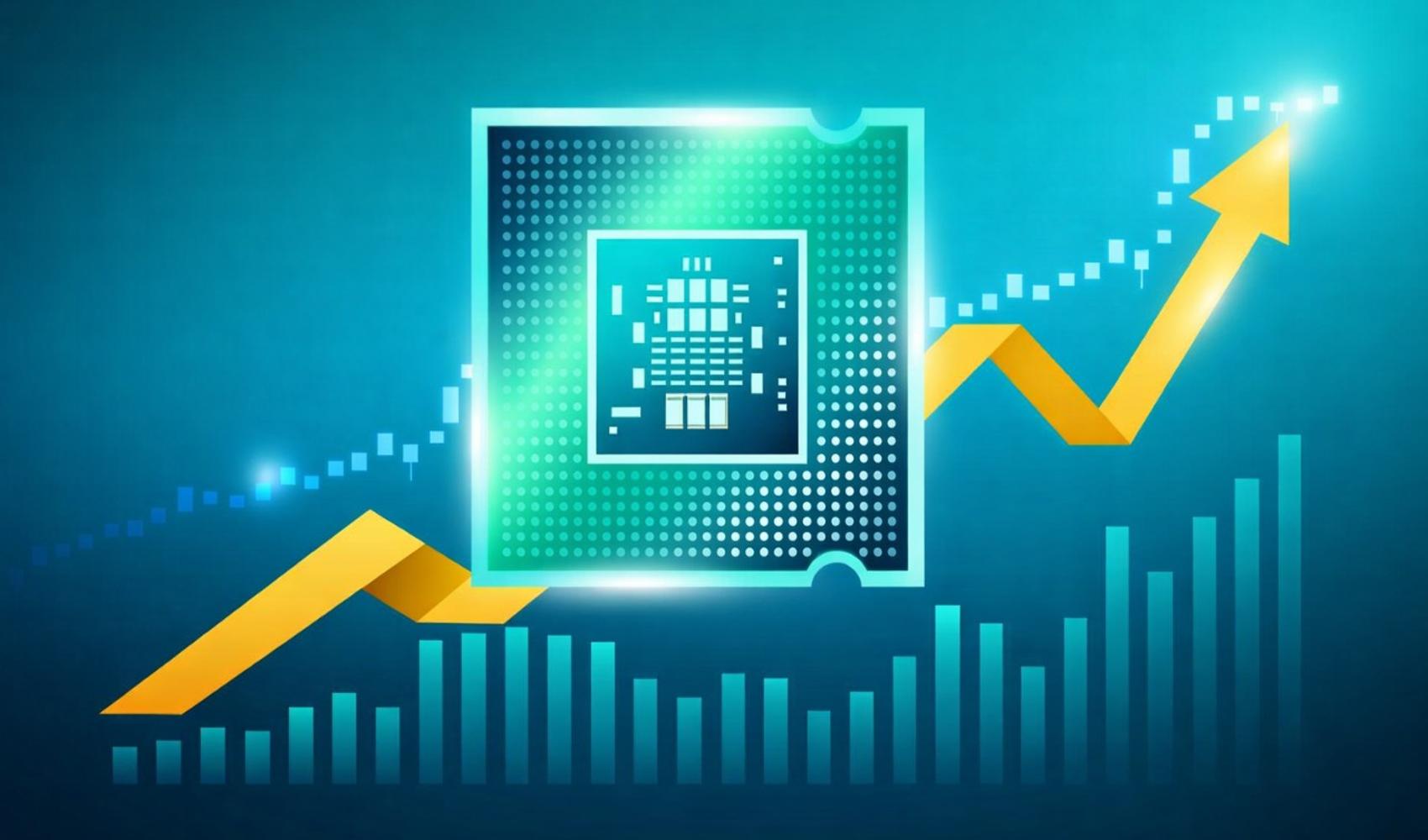
The cycle of cheap memory chips, which has driven down prices in the global technology sector for years, is reversing. While it is noted that prices for standard memory units have increased more than 6-fold over the last year, this rise is considered to signal a much deeper cost pressure than a temporary supply-demand fluctuation.
According to assessments based on Morgan Stanley's financial reviews, the rapid wave of investment in artificial intelligence infrastructure is at the heart of the disruption in the memory market. Major technology companies are turning to high-bandwidth chips that are more complex to produce in order to run advanced artificial intelligence models.
AI DEMAND TIGHTENS CAPACITY
The hardware required by artificial intelligence data centers is also changing the capacity plans of chip manufacturers. The fact that manufacturers are prioritizing new-generation memory and accelerator systems that yield higher profits is narrowing the production space allocated for traditional memory used in smartphones, personal computers, and game consoles.
Sources report that in some production lines, over 30 percent of capacity has been shifted to artificial intelligence-focused systems. This situation limits the supply of standard consumer electronics components and drives up the price of the remaining products in the market.
It does not appear easy for the problem to be solved in the short term with new factories. Establishing new-generation chip production facilities and clean rooms generally requires major investment processes that take 2 to 3 years. Furthermore, the limited supply of advanced lithography machines restricts the ability of manufacturers to increase supply rapidly.
The reflection of the cost increase on the consumer may be more expensive models and more limited hardware options in technology products. It is stated that some computer manufacturers are planning price increases of between 15 and 20 percent, while some brands are considering reducing memory capacity in new models.
These developments indicate that the era of cheap and easily upgradeable technology may weaken, at least in the near term. If memory costs remain high, manufacturers' profit margins will remain under pressure, and consumers may face higher prices for the same performance.
News Source: 12punto
Most Read

Striking picture for Özgür Özel's 'New Party'

Özgür Özel gives a dated response regarding the number of resignations

Forest fire in Antalya brought under control

The PKK opening and Özgür Özel’s path!..

How did the newspapers view Özgür Özel's farewell to the CHP?

What did the CHP do?

Özel’s new party move in the world press

The New CHP, against CEHAPE

From self-efficacy to despair

The return of craftsmanship in the age of artificial intelligence