

Professions that AI cannot perform have been identified
As technological changes shake the business world, experts point out that professions requiring empathy, creativity, and strategy will continue to be performed by humans in the long term. It is reported that labor demand will persist, especially in fields where human relations and rapid decision-making are at the forefront.



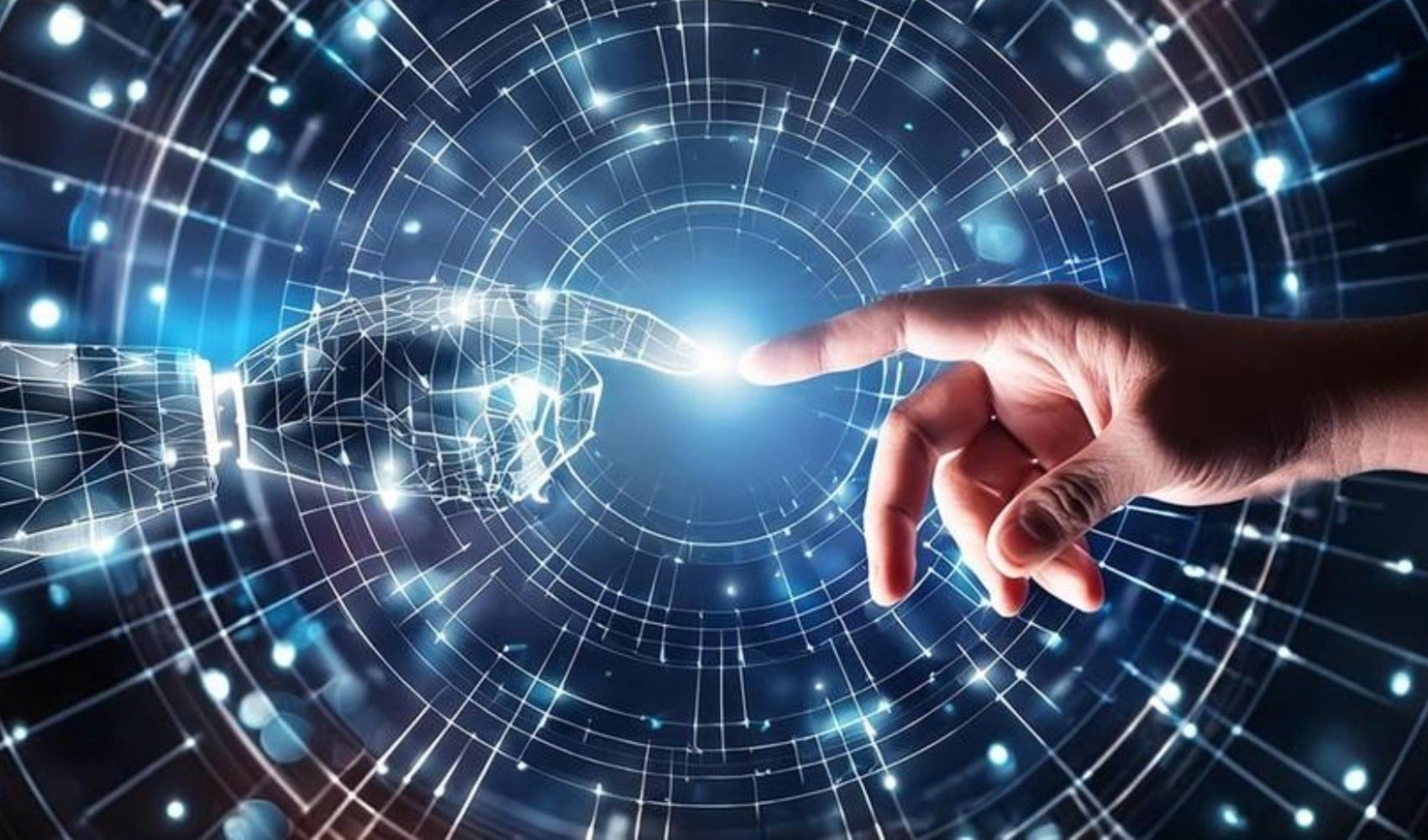
Automation and artificial intelligence applications are transforming professions on a global scale. However, human expertise and emotional intelligence remain critically important in many fields.
Experts acknowledge that algorithms and automation facilitate routine tasks, but state that it is not possible for them to completely eliminate the need for humans. According to expert opinion, some professions where human values, creativity, and adaptation to unpredictable situations are essential will maintain their importance in the coming periods.
FIELDS WHERE HUMAN CREATIVITY TAKES THE LEAD
The importance of human imagination and emotions is emphasized in jobs requiring creativity, such as artists, musicians, writers, and advertising industry workers. It is underlined that artificial intelligence, which performs analyses using existing data, falls short in original art production or developing new perspectives, and that design and art-based professions remain safe in this sense.
HEALTH AND SOCIAL SERVICES: THE ESSENTIALS OF EMPATHY AND ETHICAL DECISIONS
In the healthcare sector, experts such as doctors, nurses, and surgeons make a difference not only in diagnosis but also in moments requiring a trust-based relationship with the patient and rapid human intervention during crises. Similarly, psychological counselors, therapists, and social workers make decisions that require deep emotional understanding beyond the data analysis of artificial intelligence. It is emphasized that ethics and empathy are important for responding to the diverse and unexpected needs of society.
PROFESSIONS REQUIRING PHYSICAL AND PRACTICAL SOLUTION EXPERTISE
Professions such as electricians, plumbers, and carpenters continue to remain human-focused in order to respond quickly to changing conditions in the field and produce practical solutions. Although machines succeed in standard operations, the resolution of unexpected problems encountered in the field is still possible through human manual dexterity.
In research and development fields, it is argued that the curiosity and creative idea-generation ability of scientists are limited by the data processing capacity of artificial intelligence. It is conveyed that scientific progress is still possible through human cause-and-effect questioning.
THE HUMAN FACTOR IN CARE AND EDUCATION
A compassionate and patient approach tailored to individual needs plays an important role in elderly and disability care. It is pointed out that as the world ages, there will be a greater need for such human support. In the education sector, the guidance of teachers and the one-on-one bond they establish with students stand out as critical elements that technology cannot provide.
While many professions are expected to be supported by artificial intelligence and automation in the future, it is predicted that jobs requiring empathy, ethical values, and creativity will always need humans. While technology assists with data analysis, routine, and repetitive tasks, the unique qualities of humans will continue to make some job fields resistant to automation.
News Source: 12punto
Most Read

Striking picture for Özgür Özel's 'New Party'

The PKK opening and Özgür Özel’s path!..

How did the newspapers view Özgür Özel's farewell to the CHP?

He killed his wife by slitting her throat: Their children witnessed the moments

What did the CHP do?

Özel’s new party move in the world press

Fire at TUSAŞ engine factory in Eskişehir under control

The New CHP, against CEHAPE

From self-efficacy to despair

Kılıçdaroğlu's first message on Özgür Özel's new party announcement