

Research shows who brought genes that increase MS risk to Europe
Researchers from the universities of Cambridge, Copenhagen, and Oxford have revealed that the genes increasing the risk of multiple sclerosis (MS) entered Northwestern Europe 5,000 years ago with pastoralists known as the "Yamnaya."



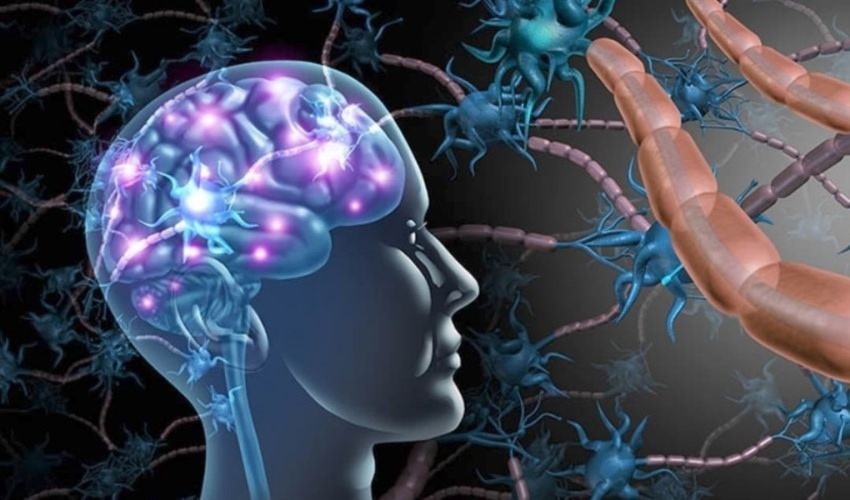
According to a BBC report, researchers from the universities of Cambridge, Copenhagen, and Oxford conducted a study on the relationship between genes and MS, a disease that affects the central nervous system.
The study, which noted that MS is more common in Northern Europe compared to Southern Europe, compared genetic information taken from human remains found in Europe and Western Asia with the genes of thousands of people living in the UK.
BROUGHT TO EUROPE 5,000 YEARS AGO BY THE MIGRATION OF PASTORALISTS CALLED YAMNAYA FROM RUSSIA
In the study, which lasted more than a decade, it was determined that the genes increasing the risk of MS entered Northwestern Europe approximately 5,000 years ago with the migration of pastoralists known as the "Yamnaya" from Western Russia.
The research also determined that the effect of these genes on the disease is approximately 30 percent.
It was noted that these genes previously protected humans against diseases transmitted from animals, but increased the risk of MS due to changes in lifestyle.
Professor Lars Fugger of the University of Oxford, one of the researchers, stated, "MS is not caused by mutations; it is related to normal genes that protect us against pathogens."
The results of the research were published in the journal "Nature."
News Source: AA
Related News



Most Read

Striking picture for Özgür Özel's 'New Party'

The PKK opening and Özgür Özel’s path!..

How did the newspapers view Özgür Özel's farewell to the CHP?

He killed his wife by slitting her throat: Their children witnessed the moments

What did the CHP do?

Özel’s new party move in the world press

The New CHP, against CEHAPE

Fire at TUSAŞ engine factory in Eskişehir under control

From self-efficacy to despair

Kılıçdaroğlu's first message on Özgür Özel's new party announcement