

Some early-life diseases affect the ability to have children
A study conducted in Finland and Sweden has revealed that certain diseases contracted at an early age may increase the likelihood of not having children.



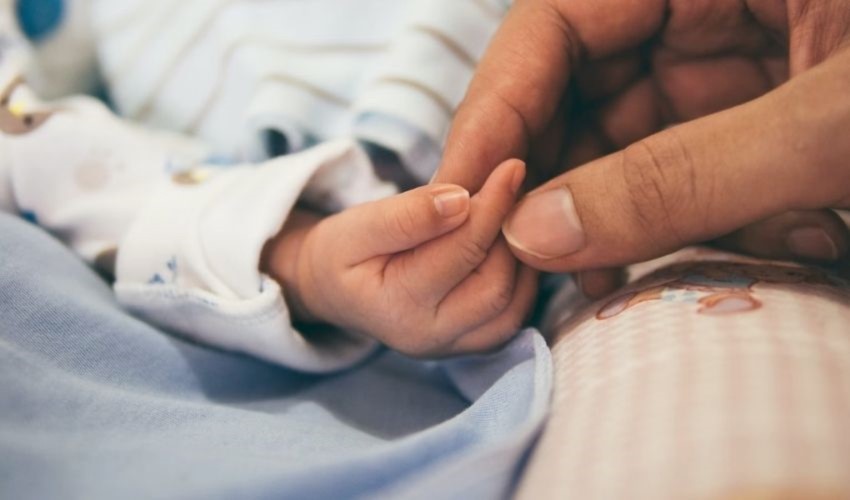
The study, published in the journal Nature Human Behaviour, examined the link between 414 early-life diseases and having children.
In the study, which involved approximately 1.4 million women and 1.1 million men in Finland and Sweden, it was determined that 74 of the diseases examined had significant effects on not having children, and 33 of them affected both women and men.
It was reported that nearly half of the diseases, which are stated to increase the likelihood of not having children later in life when contracted before the peak reproductive years, consist of mental health conditions, while the remainder consist of conditions such as autoimmune disorders.
It was noted that nearly 15 percent of the men and 16.6 percent of the women who participated in the study were childless.
On the other hand, the study emphasized that more research is needed to distinguish whether childlessness is voluntary or involuntary and to understand the effects of this situation.
Aoxing Liu, one of the authors of the study, said, "Our study is the first to systematically investigate how early-life diseases are associated with lifelong childlessness in both men and women."
News Source: AA
Related News

Most Read

Striking picture for Özgür Özel's 'New Party'

The PKK opening and Özgür Özel’s path!..

How did the newspapers view Özgür Özel's farewell to the CHP?

He killed his wife by slitting her throat: Their children witnessed the moments

What did the CHP do?

Özel’s new party move in the world press

The New CHP, against CEHAPE

Fire at TUSAŞ engine factory in Eskişehir under control

From self-efficacy to despair

Kılıçdaroğlu's first message on Özgür Özel's new party announcement