

The Black Sea's extraordinary color change: Captured from space
The surface of the Black Sea is painted turquoise from late spring to early summer each year due to the influence of billions of microscopic organisms; experts state that this natural phenomenon reveals the health of the marine ecosystem.



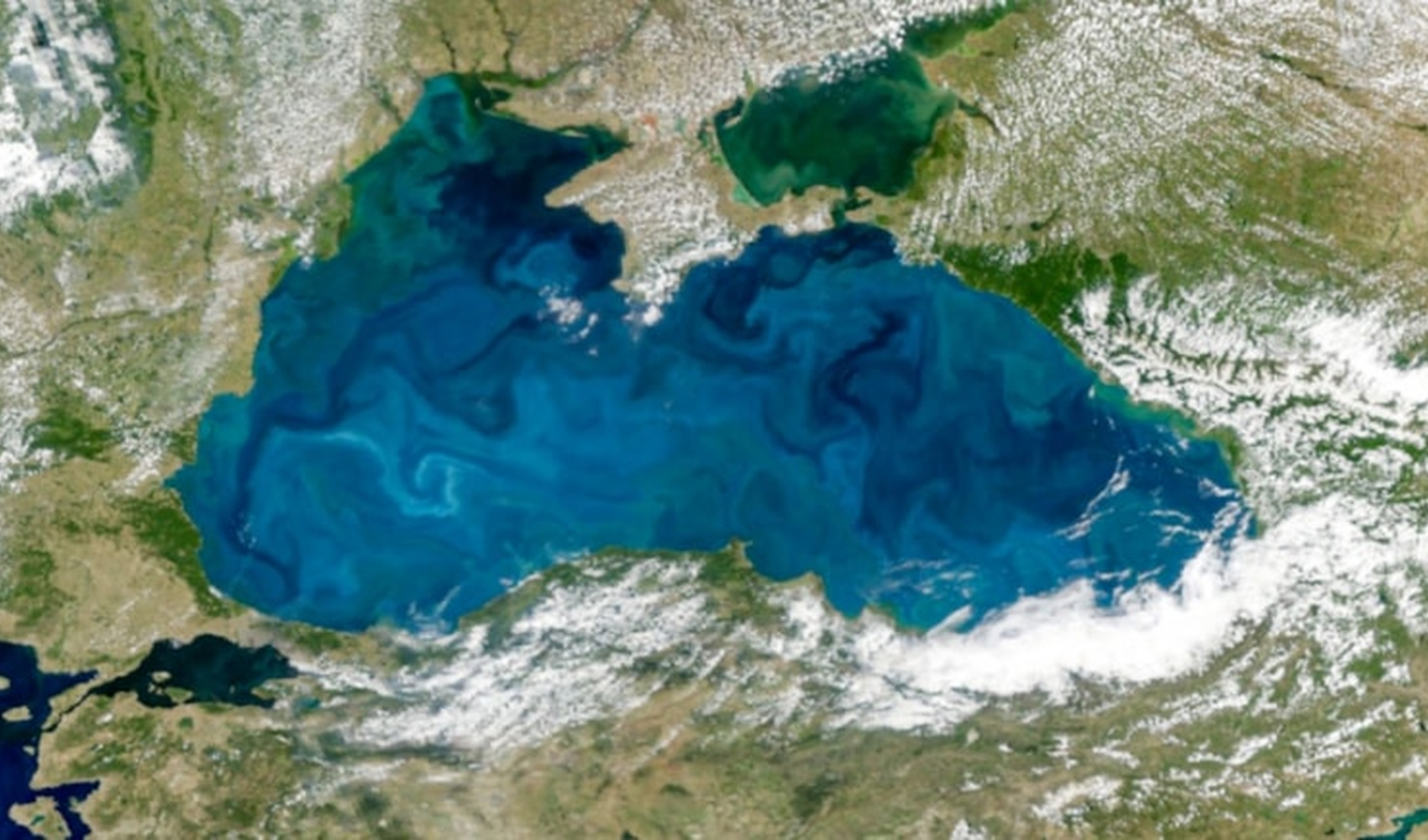
While satellite images show the Black Sea in unusual colors, experts have stated that there is a complex biological process behind this eye-catching view. The reason the Black Sea shifts from its usual dark tones to different shades of blue during certain months of the year is not pollution, as is often thought, but the rapid proliferation of phytoplankton on the sea surface.
Recently, photographs taken with comprehensive satellite technology have revealed that large areas in and around the Black Sea are covered in a turquoise color. The main actor in this visual feast is microscopic phytoplankton called "coccolithophores." Coccolithophores form colonies numbering in the billions in environments with suitable temperatures, abundant sunlight, and rich nutrients.
CALCAREOUS SHELLS REFLECT LIGHT
These organisms, called coccolithophores, strongly reflect sunlight thanks to their white calcareous shells made of calcium carbonate. When viewed from space, this effect is perceived as if a turquoise or milky blue carpet has been laid across the surface of the Black Sea. Although they cannot be seen individually with the naked eye, the color change they create collectively on the sea covers an area of hundreds of kilometers.
Ecosystem experts emphasize that phytoplankton not only provide color but also perform a vital function. Just as they form the foundation of marine life by sequestering carbon through photosynthesis, they also play a significant role in transporting carbon from the atmosphere to the ocean floor.
THE SPREAD OF COLOR REACHED THE STRAITS
In the shared satellite photos, it was noted that not only the Black Sea but also the Bosphorus turned turquoise along the currents. This colorful image extending from the Bosphorus toward the Sea of Marmara revealed the presence of microscopic organisms carried by the currents.
Thanks to the latest technological ocean observation satellites, scientists can track phytoplankton density, water movements, and seasonal changes more precisely than ever before. Experts noted that this information plays a critical role in monitoring the health of the seas and assessing the effects of climate change.
News Source: 12punto
Most Read

Striking picture for Özgür Özel's 'New Party'

Özgür Özel gives a dated response regarding the number of resignations

Forest fire in Antalya brought under control

The PKK opening and Özgür Özel’s path!..

Houthis strike Saudi-owned tanker

How did the newspapers view Özgür Özel's farewell to the CHP?

What did the CHP do?

Özel’s new party move in the world press

The New CHP, against CEHAPE

From self-efficacy to despair