

The scientific world met in Istanbul
Hosted by the Yeditepe University Biotechnology Society, the Genetics and Bioengineering Congress attracted great interest from the international academic community.



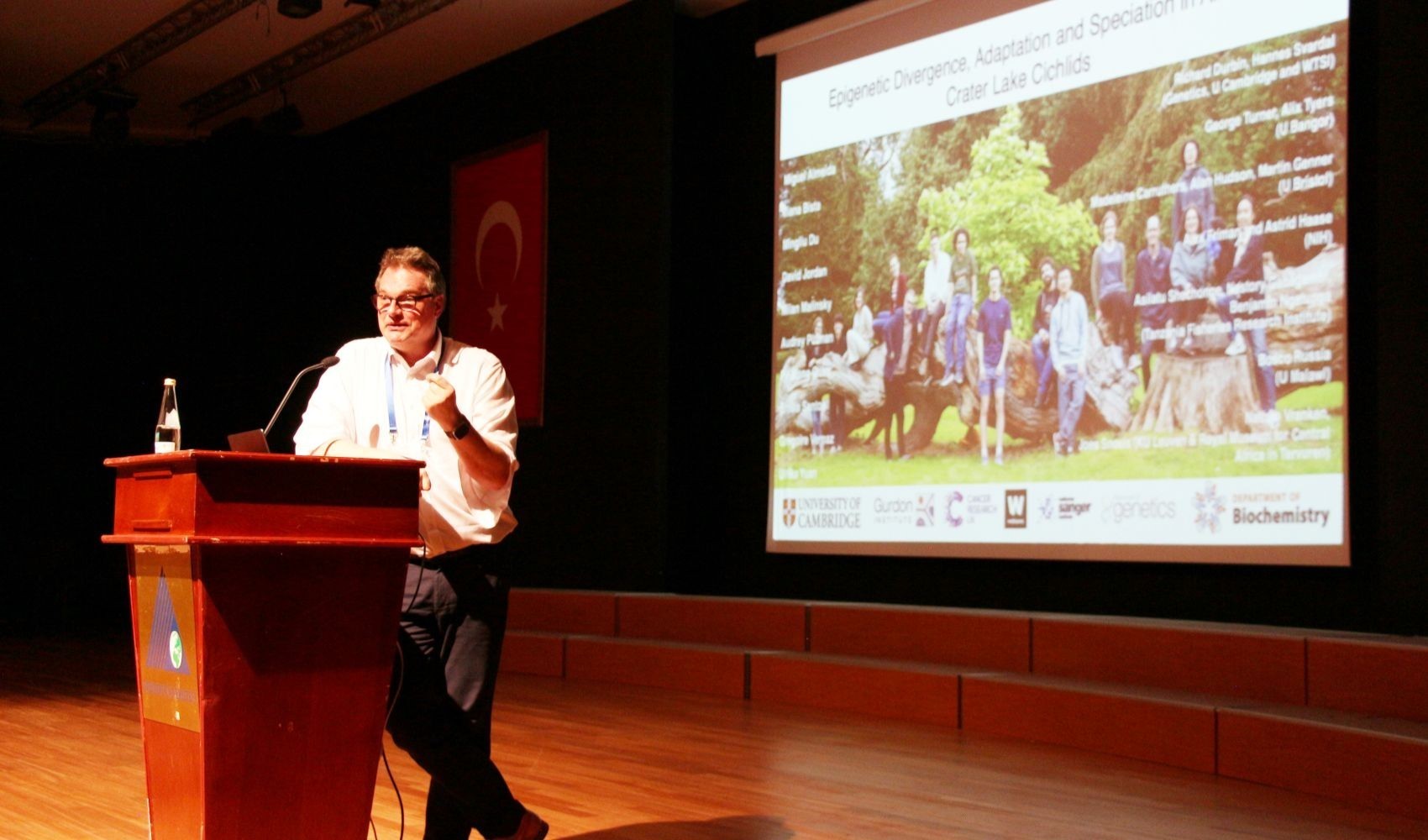
The Genetics and Bioengineering Congress, hosted by the Yeditepe University Biotechnology Society, brought together scientists from the world's leading universities in Istanbul. Researchers from universities such as Oxford, Cambridge, Princeton, Kyoto, and KU Leuven shared their most recent work on topics including evolutionary biology, epigenetics, biomedical artificial intelligence, and cancer biology.
Featured Talks:
Dr. Naveed Akbar (University of Oxford) – The Role of the Immune System in Heart Disease
Dr. Akbar stated that they are investigating the effect of the immune system on the healing process following a heart attack. "Immune cells can sometimes overreact and damage the heart. By deciphering this process, we aim to develop new treatments for heart diseases," he said. Noting that cells communicate by sending information packets and that early diagnosis can be achieved by reading these messages, Dr. Akbar added that the immune systems of diabetic patients function differently, which can affect heart recovery.
Dr. Eleonora Leucci (KU Leuven) – Flushing Cancer Out of Hiding
Dr. Leucci, who researches how cancer cells hide from the immune system, stated that they are working on skin cancer (melanoma). "Cancer cells can become invisible to the immune system thanks to the 'Rosalind' and 'Lisrr' molecules. By targeting these structures, we can make treatment more effective," she said. She emphasized that this discovery could open new doors in cancer treatment in the future.
Prof. Dr. Michael S. Levine (Princeton University) – The Evolution of Vertebrates
Prof. Levine addressed the evolution of the head and nervous system from a genetic perspective. "Understanding how the nervous system evolved can help us solve the genetic foundations of neurological diseases," he said. Examining which genetic changes occurred during the transition from simple invertebrates to advanced vertebrates, Prof. Levine stated that environmental factors play an important role in the evolution of the nervous system.
Prof. Dr. Cantas Alev (Kyoto University) – Embryonic Development and Artificial Intelligence
Prof. Alev stated that they are analyzing the development of babies in the womb using artificial intelligence-supported models. "We are able to observe how genes work and how cells communicate much better. In this way, we contribute to understanding the causes of genetic diseases and developing treatment methods," he said.
Prof. Dr. Eric Miska (University of Cambridge) – The Limits of Epigenetic Inheritance
Prof. Miska, who works in the field of epigenetics, stated that genes are shaped not only by DNA sequencing but also by environmental factors and cellular mechanisms. "Some molecules can change gene expression, altering the genetic structure of individuals over time," he said. He also emphasized that genetic material called 'transposons' can sometimes lead to beneficial changes while at other times causing diseases.
News Source: 12punto
Most Read

Striking picture for Özgür Özel's 'New Party'

The PKK opening and Özgür Özel’s path!..

How did the newspapers view Özgür Özel's farewell to the CHP?

He killed his wife by slitting her throat: Their children witnessed the moments

What did the CHP do?

Özel’s new party move in the world press

Fire at TUSAŞ engine factory in Eskişehir under control

The New CHP, against CEHAPE

From self-efficacy to despair

Kılıçdaroğlu's first message on Özgür Özel's new party announcement