

What Is Pragmatism? What Does Pragmatism Advocate?
Pragmatism is a philosophical movement that attracts significant attention and interest today. What is pragmatism? What does pragmatism advocate? Who are the representatives of this movement?




What is pragmatism?
Pragmatism is a philosophical movement based on the outcomes of events. Looking at its etymological roots, 'pragma' means benefit or interest. In terms of its literal meaning, 'pragmatic' refers to being action-oriented. In philosophy, pragmatism is also defined as utilitarianism or instrumentalism. It is also referred to as the theory of the good or the theory of the true.
What does pragmatism advocate?
It argues that an action or thought is considered good and true based on the benefit it ultimately provides. However, the concept of 'benefit' is a subjective one that varies from person to person. Therefore, we know that good and truth are also relative. So, how will benefit be measured? According to pragmatic thought, what needs to be done in this case is to look at the benefit of the majority. Knowledge that provides benefit to the majority is the true and good knowledge.
According to pragmatism, a thought is as true as it is applicable. A thought that has no practical equivalent in life is not accepted as true. For a thought to be considered true or good, it must be applicable. For example, the existence of God is not considered true according to pragmatism. Since the existence of God cannot be proven empirically, there is no definitive knowledge. For this reason, a pragmatic person might be closer to atheism. Because the existence of God cannot be proven and has no practical equivalent, it is not evaluated as true or good.
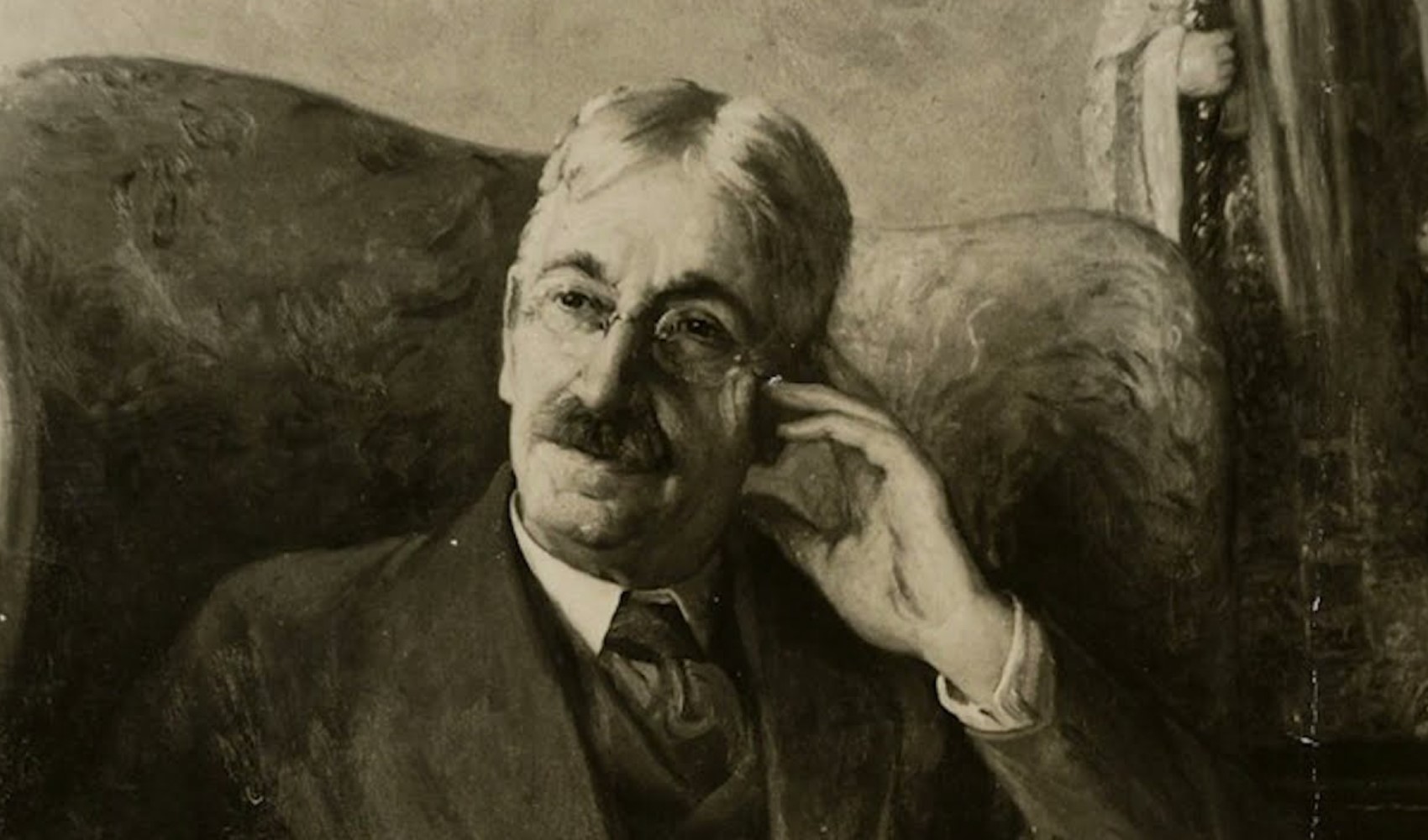
Who are the representatives of pragmatism?
When the history of philosophy is examined, pragmatism can be traced back to the Ancient Greek philosopher Epicurus. However, those who first proposed it under the concept of 'utilitarianism' were the 18th-century British philosopher Jeremy Bentham and other philosophers of the time. From the moment it was first introduced, pragmatic thought has undergone changes within itself. Initially, the good was defined as that which provides the greatest happiness to the greatest number of people. But later, this was simply called the greatest happiness principle.
William James (1842-1910): According to this American philosopher, what matters in pragmatism is not the beginnings, but the results. He argues that pragmatism is not dogmatic. The philosopher states that applicability is more important than theory. Therefore, he accepts everything that can be put into practice as true.
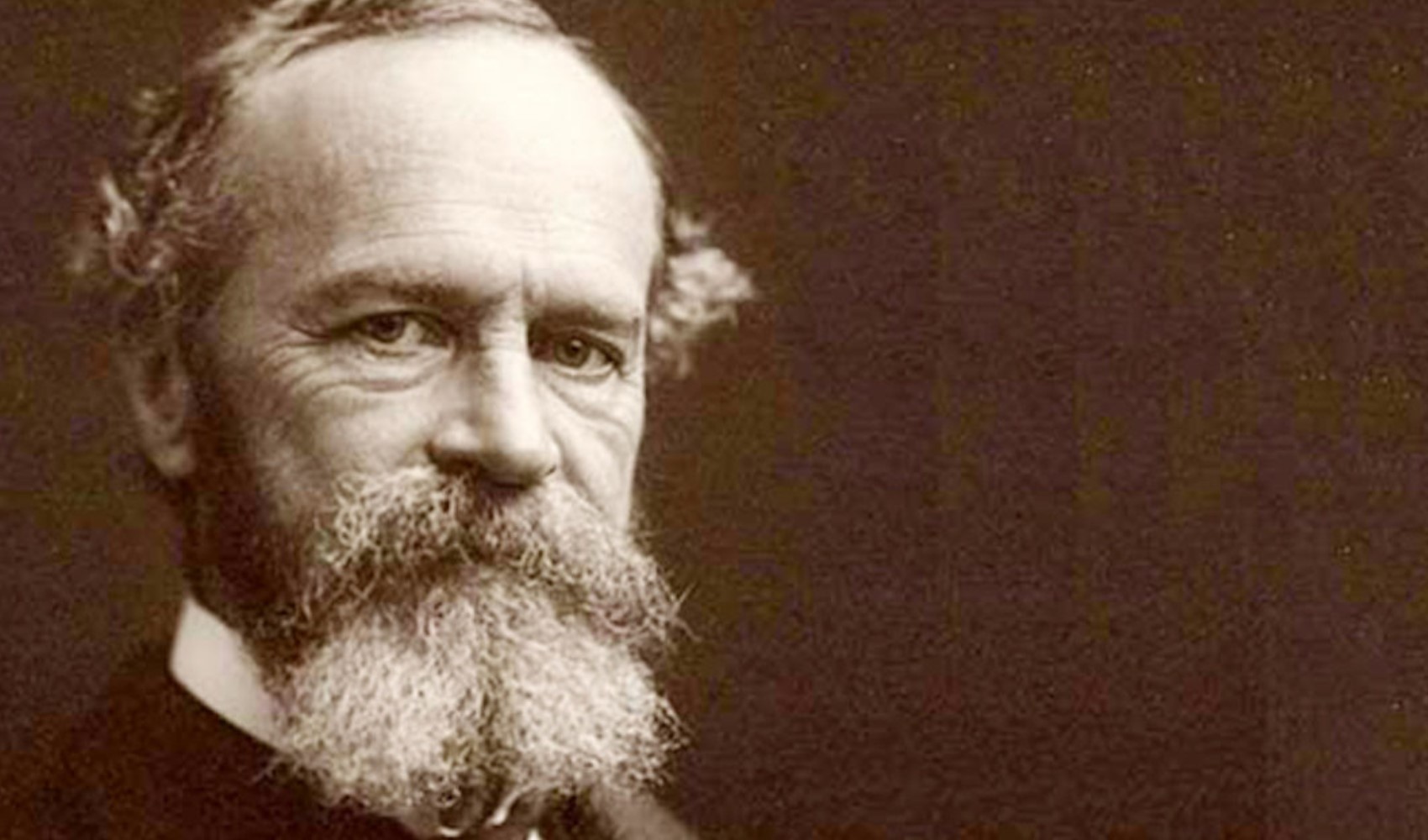
Charles Sanders Peirce (1839-1914): The American pragmatist philosopher is the namesake of the movement. He outlined the main principles of pragmatism.
John Dewey (1859-1952): The American philosopher synthesized the arguments of William James and Charles Sanders Peirce. He ensured the development of pragmatism as a theory of moral and logical analysis.
News Source: 12punto
Most Read

Striking picture for Özgür Özel's 'New Party'

The PKK opening and Özgür Özel’s path!..

How did the newspapers view Özgür Özel's farewell to the CHP?

He killed his wife by slitting her throat: Their children witnessed the moments

What did the CHP do?

Özel’s new party move in the world press

The New CHP, against CEHAPE

Fire at TUSAŞ engine factory in Eskişehir under control

From self-efficacy to despair

Kılıçdaroğlu's first message on Özgür Özel's new party announcement