

Dreams of military victory against Iran overshadowed
US President Donald Trump's rhetoric of an easy victory in Iran has become controversial in light of recent satellite imagery and military activity in the region. Iran is increasing the risks of a potential operation by strengthening its nuclear facilities and defense capabilities.



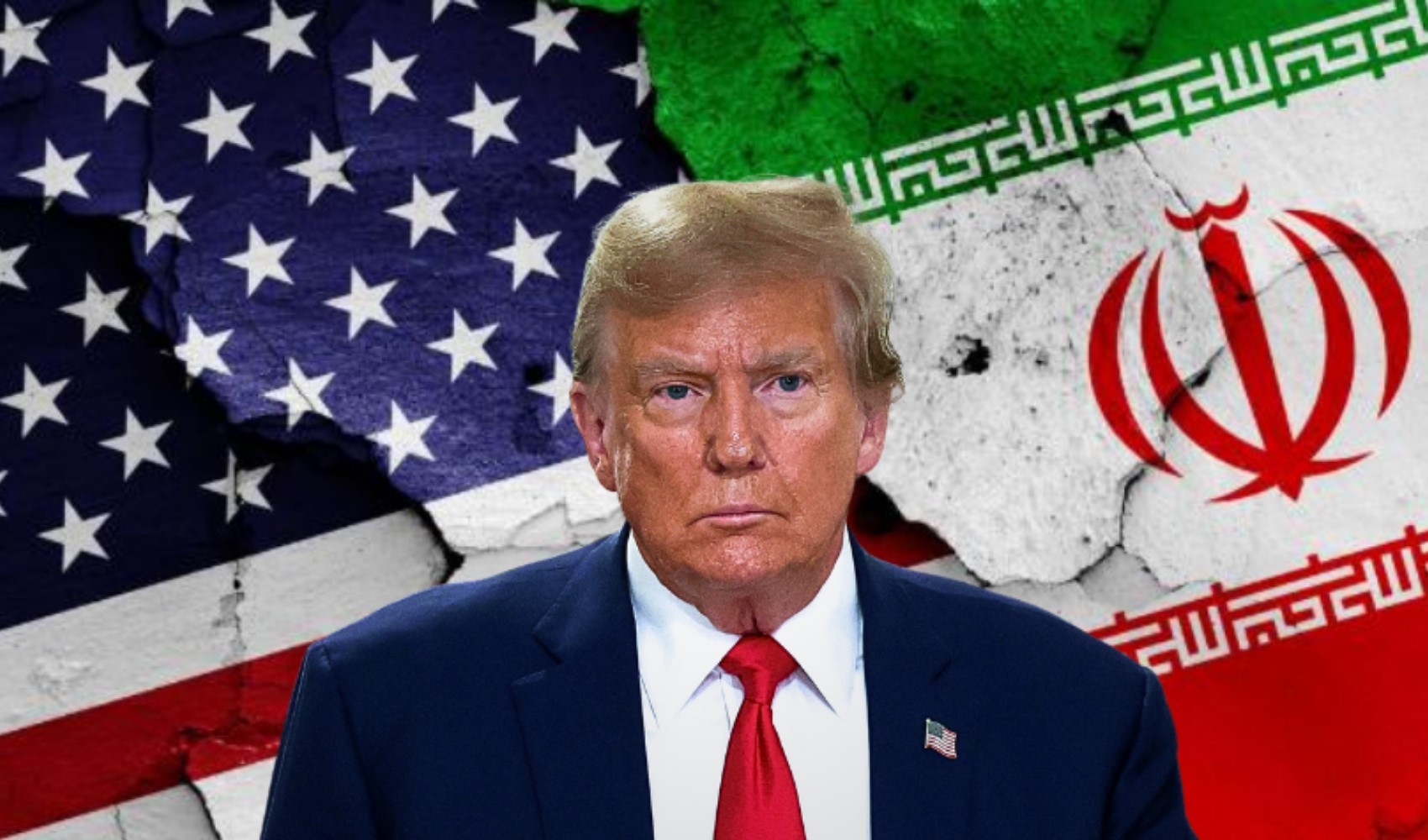
Despite ambitious statements from the US administration, recent developments are shaking expectations that Washington would achieve a quick success in a military intervention against Iran. Satellite imagery and observations show that Iranian officials are rebuilding their damaged nuclear infrastructure, taking protective measures, and equipping the country with new defense systems.
In recent weeks, US President Donald Trump had suggested that they would "win easily" in a military operation against Iran. However, analyses indicate that this claim is far from reality. Some of the nuclear and military facilities on the Pentagon's potential target list have been made more resistant to counterattacks through extensive renovations and reinforcements.
Satellite photos show that the nuclear complexes in Isfahan, which were hit by a US airstrike last year, and the surrounding tunnel entrances have been sealed with heavy concrete and fill materials. It was reported that Iran is prioritizing the protection of its highly enriched uranium stockpiles at these facilities and that these sites have been converted into deeper and more secure underground bunkers.
These infrastructure reinforcements are not limited to Isfahan. It was noted that ventilation shafts and entry points at other critical nuclear sites in Natanz and Fordow have also been sealed, and that they have been brought to a virtually "bomb-proof" level with advanced reinforced concrete and additional protective measures.
Darya Dolzikovo assessed the situation, stating, "This level of preparation after the attacks is a sign of real resistance. We are facing a country that has the capacity to rebuild everything if it wants to."
NEW DEFENSE SYSTEMS AND INTERNATIONAL SUPPORT
Another important element in Iran's military preparations has been the next-generation air defense systems the country has procured from Russia and China. S-300 batteries, domestic launch ramps, and short-range portable missile platforms have been deployed to different regions to protect strategic points.
In particular, the distribution of Russian-made Verba-type shoulder-fired rockets to infantry creates a deterrent that will complicate potential US airborne operations. Furthermore, it is stated that the Chinese-origin YLC-8B radar systems delivered to Iran facilitate the detection of enemy aircraft and threaten the stealth capabilities of US aircraft equipped with stealth technology.
Even in previous attacks carried out by the US with the B-2 stealth bomber, the targeted destruction of Iran's infrastructure could not be fully achieved. Nuclear complexes built under mountains, such as Fordow, are particularly more insulated against airstrikes.
INCREASING THREAT TO US NAVAL FORCES
There is also a critical development regarding the military balance at sea. The impending delivery of CM-302 supersonic anti-ship missiles to the region, which Iran ordered through an agreement with China, is seen as a risk factor that will limit the mobility of the US Navy. When combined with kamikaze UAVs, these missiles pose an unprecedented threat to US aircraft carrier fleets.
Although it remains unclear whether these missiles have actually entered Iran's inventory, this possibility, which has caused concern within the US military, has brought about a new reckoning in military planning, especially in the Middle East.
TRUMP'S TIGHTENING STRATEGY
Following recent developments, a gradual shift is being observed in the Trump administration's rhetoric and threats toward Iran. The initial talk of a comprehensive military operation has gradually been replaced by more limited intervention options. In US domestic politics, concerns are being raised about the military casualties and high costs that a potential war would bring.
Conversely, the Israeli government's pressure on the US continues. While the US administration seeks room for maneuver for a diplomatic solution despite the risk of attack, it is also trying to balance the demands of its allies. In political circles, scenarios are emerging where Israel taking direct action and the US shifting to a defensive position could provide an advantage for Trump in domestic politics.
News Source: 12punto
Most Read

Striking picture for Özgür Özel's 'New Party'

Özgür Özel gives a dated response regarding the number of resignations

Forest fire in Antalya brought under control

The PKK opening and Özgür Özel’s path!..

How did the newspapers view Özgür Özel's farewell to the CHP?

He killed his wife by slitting her throat: Their children witnessed the moments

What did the CHP do?

Özel’s new party move in the world press

The New CHP, against CEHAPE

From self-efficacy to despair