

3 years have passed in the Russia-Ukraine War: What will be the fate of the region?
The invasion of Ukraine, which Russia launched on February 24, 2022, has left its third year behind. During this process, millions of people were forced to leave their homes, tens of thousands of people lost their lives, and the country's infrastructure suffered heavy damage. The effects of the war have left deep scars, both from a humanitarian and economic perspective.



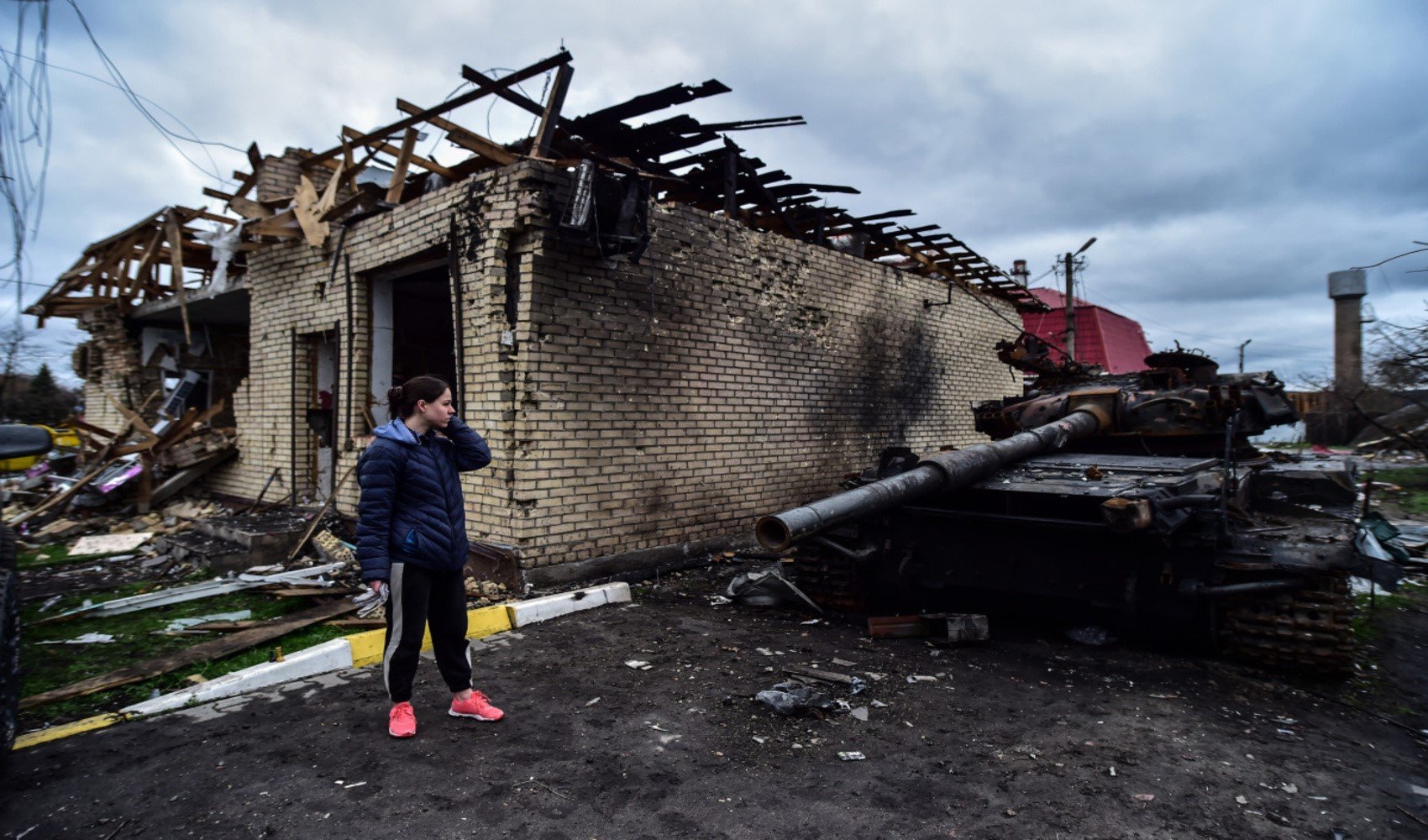
The war between Ukraine and Russia has entered its 4th year. While peace talks are being held between the US and Russia to end the war, intense clashes continue on the fronts in Ukraine. Ukrainian President Volodymyr Zelenskyy stated that he could step down from his post in exchange for his country becoming a NATO member. Russia, which firmly opposes Ukraine's NATO membership, has made the removal of this option from the table a condition for ending the war.
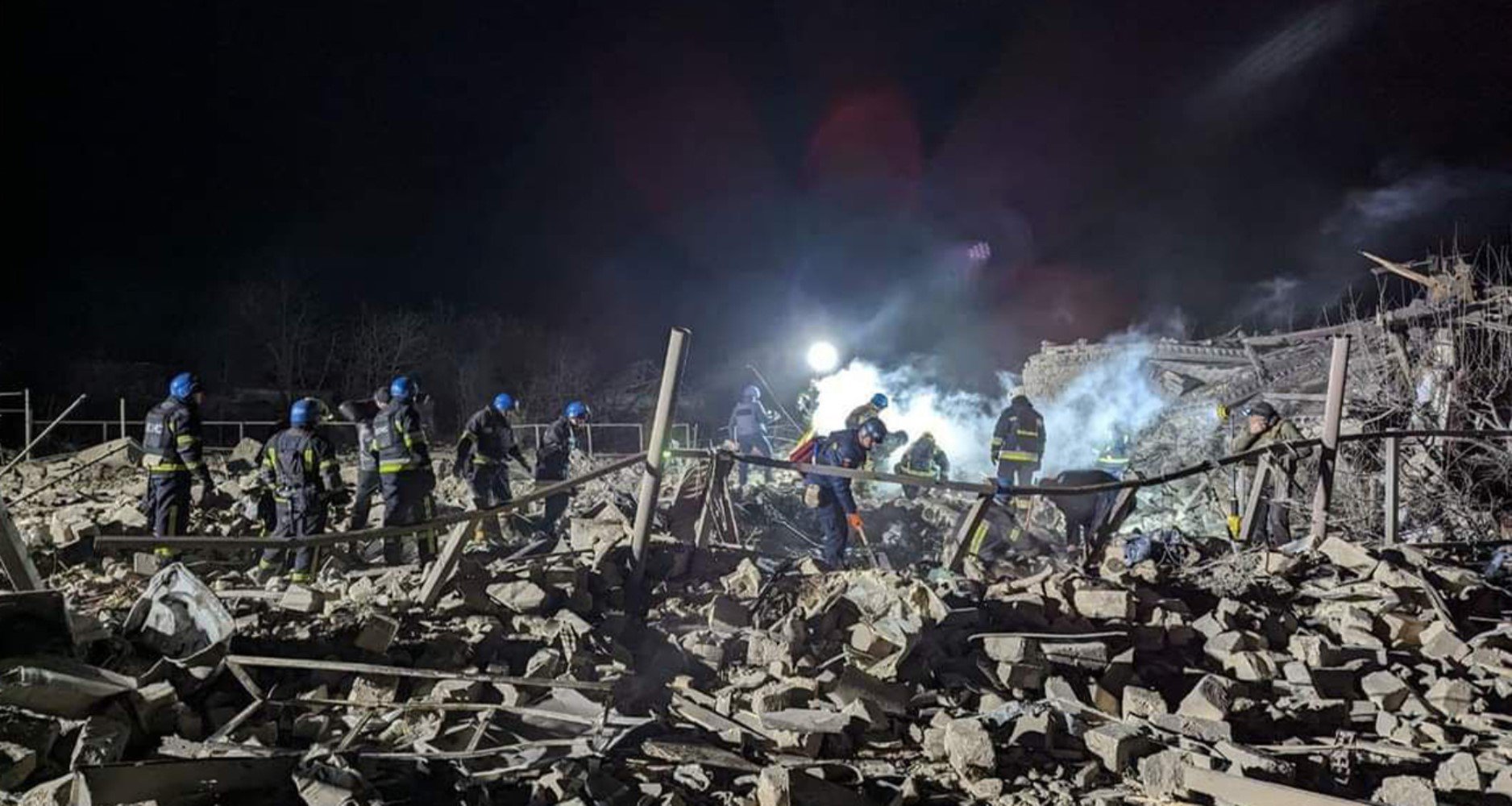
Russia has taken control of approximately 11 percent of Ukrainian territory. When including Crimea, which was annexed in 2014, and the regions in eastern Donbas controlled by Russian separatists, it is stated that Russia dominates 20 percent of Ukraine.
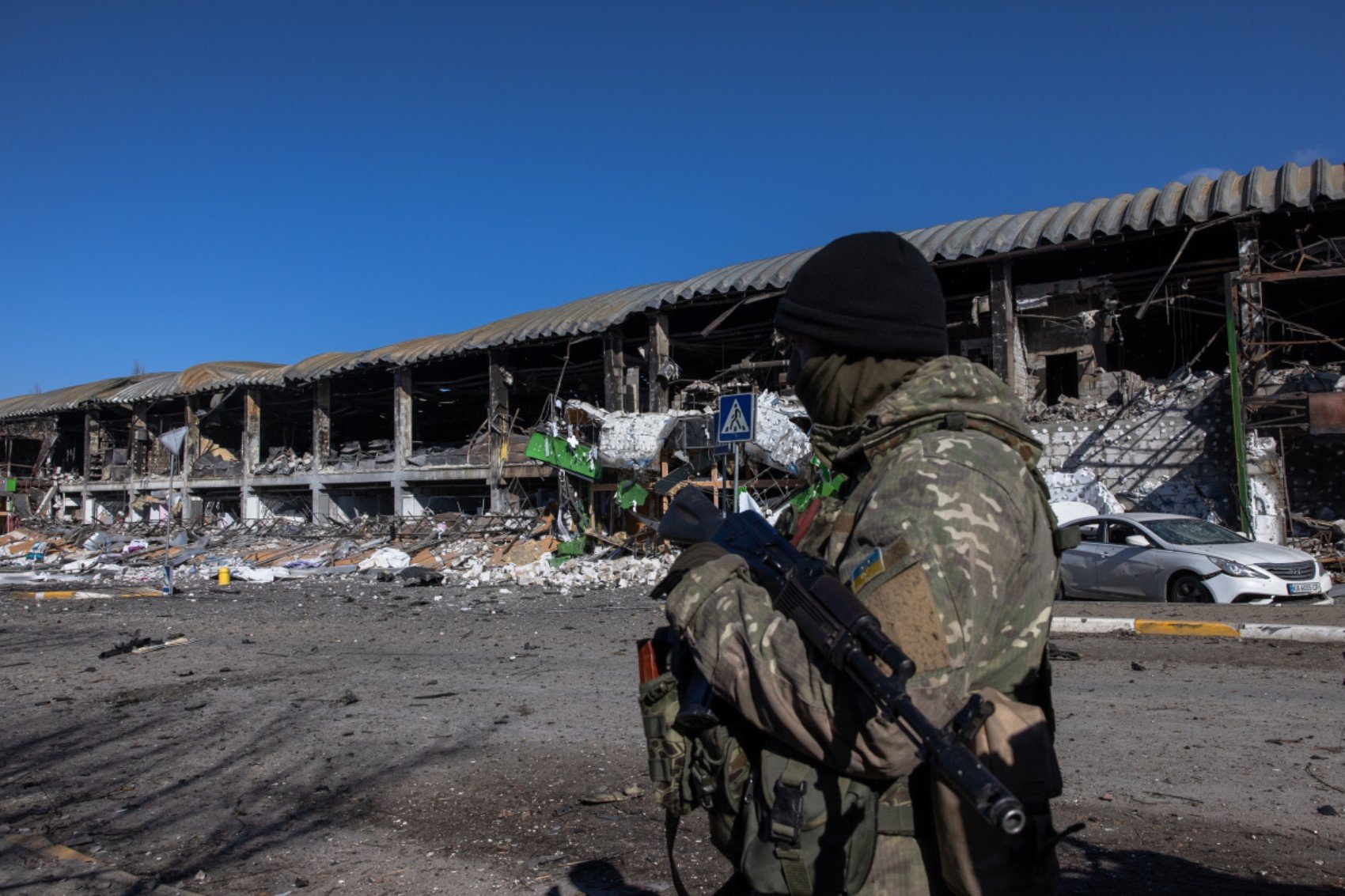
While there is no definitive data on the military losses of the parties, Zelenskyy stated in an interview with the American channel NBC that approximately 46,000 Ukrainian soldiers have lost their lives and 360,000 soldiers have been wounded.
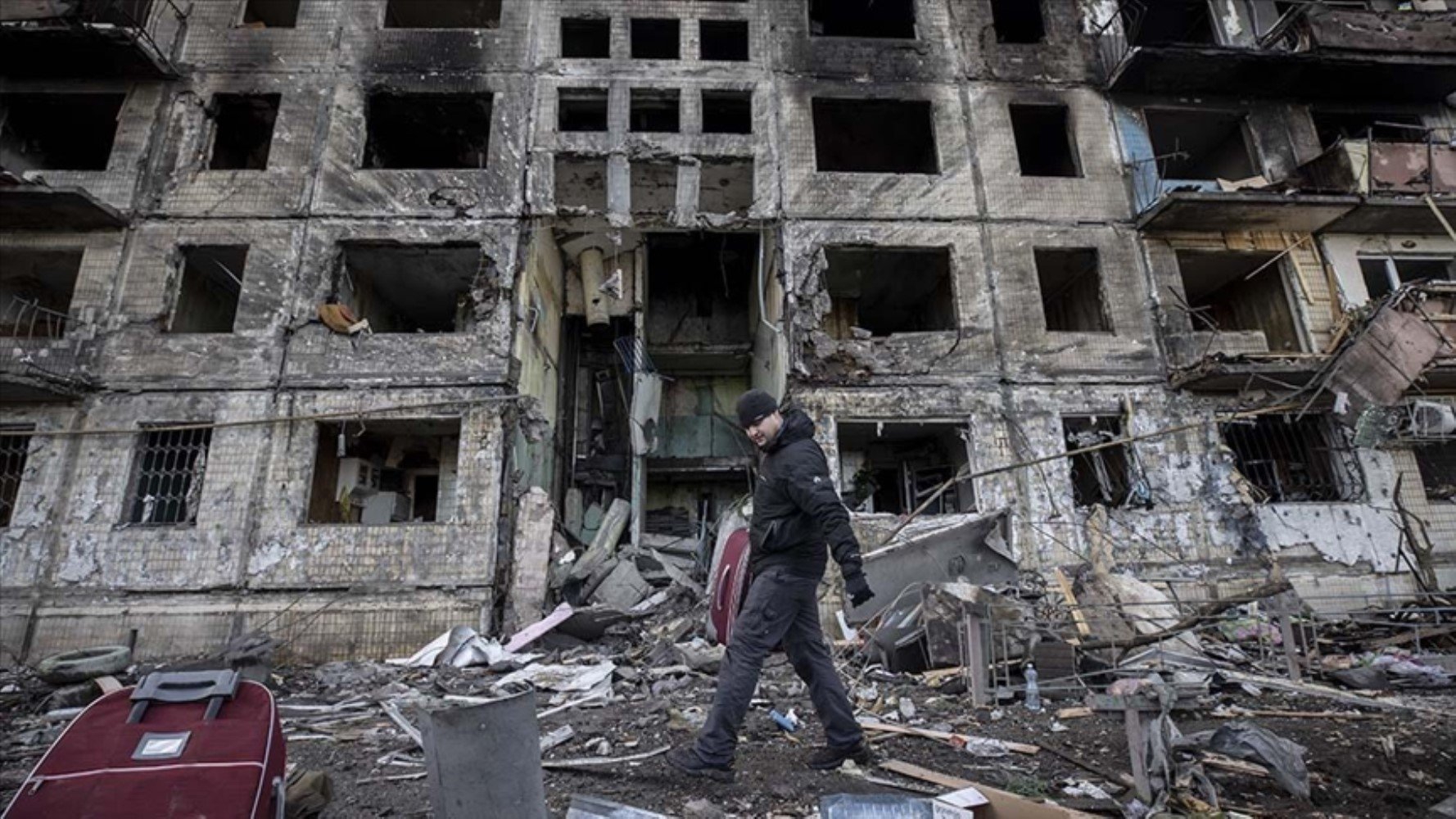
Independent research estimates that Ukraine's military losses are between 50,000 and 100,000. On the Russian side, despite the 6,000 soldier loss figure announced in September 2022, independent sources have suggested that this number is between 140,000 and 200,000, and that approximately 500,000 soldiers have been wounded.
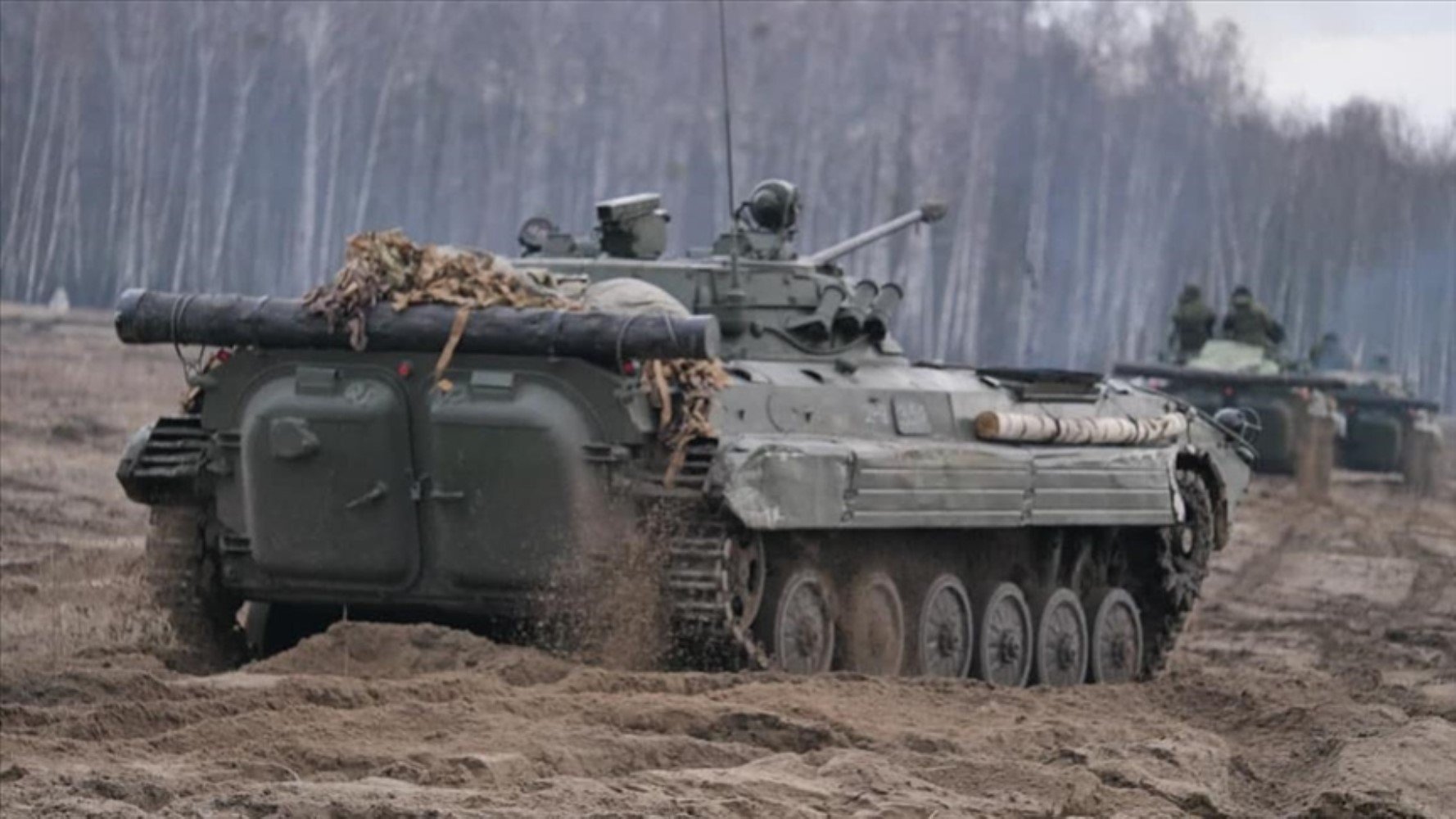
The impact of the war on civilians has also been quite severe. According to United Nations (UN) data, 6.8 million Ukrainians have left their country, while 3.7 million people have been internally displaced.
Of the Ukrainians who have taken refuge abroad, 1.2 million are in Germany, 1 million in Poland, and 400,000 in the Czech Republic.
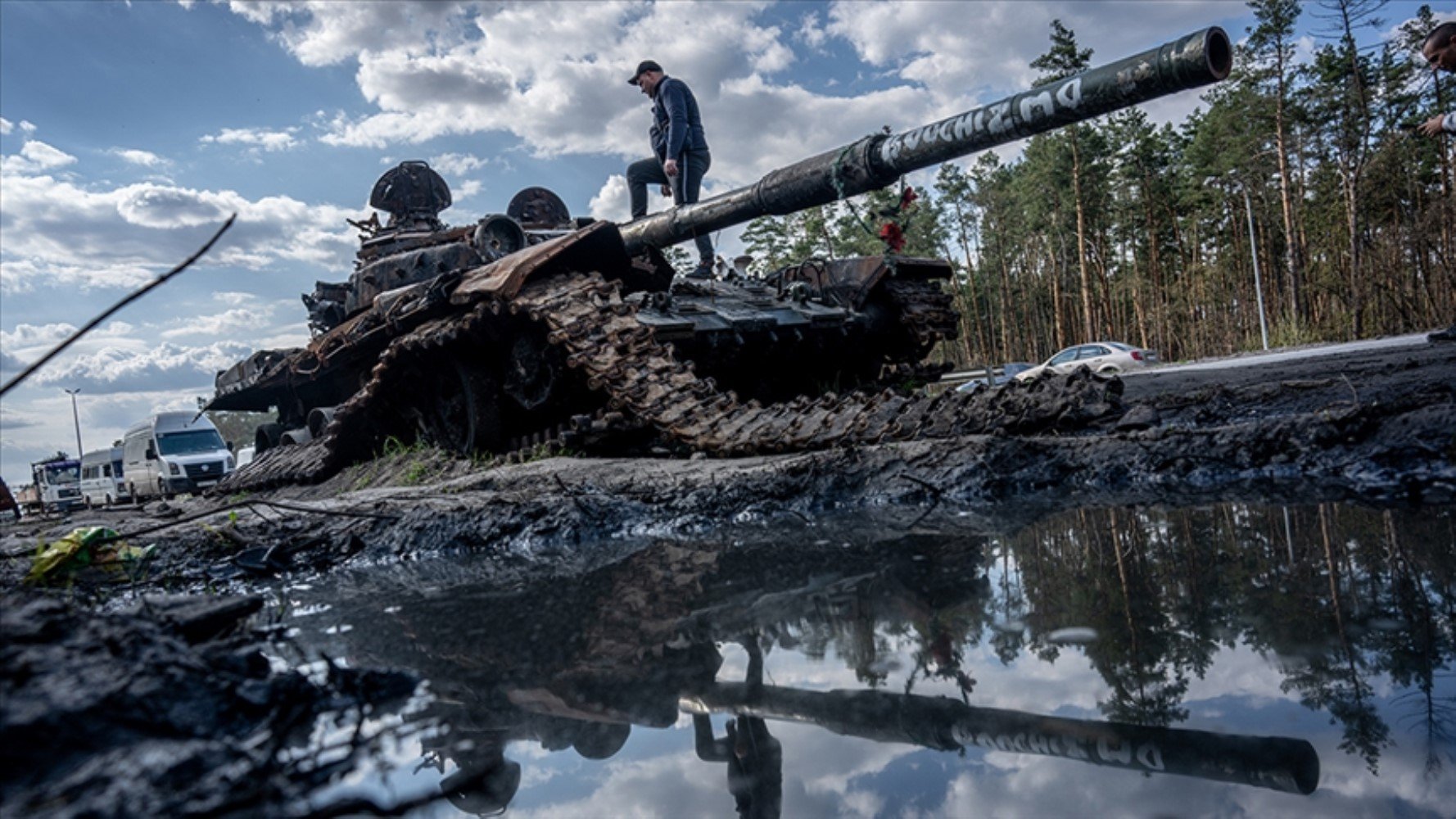
The UN Human Rights Office announced that more than 40,000 civilians have been killed or wounded in the war. Children account for 669 of the approximately 12,000 civilians who have lost their lives.
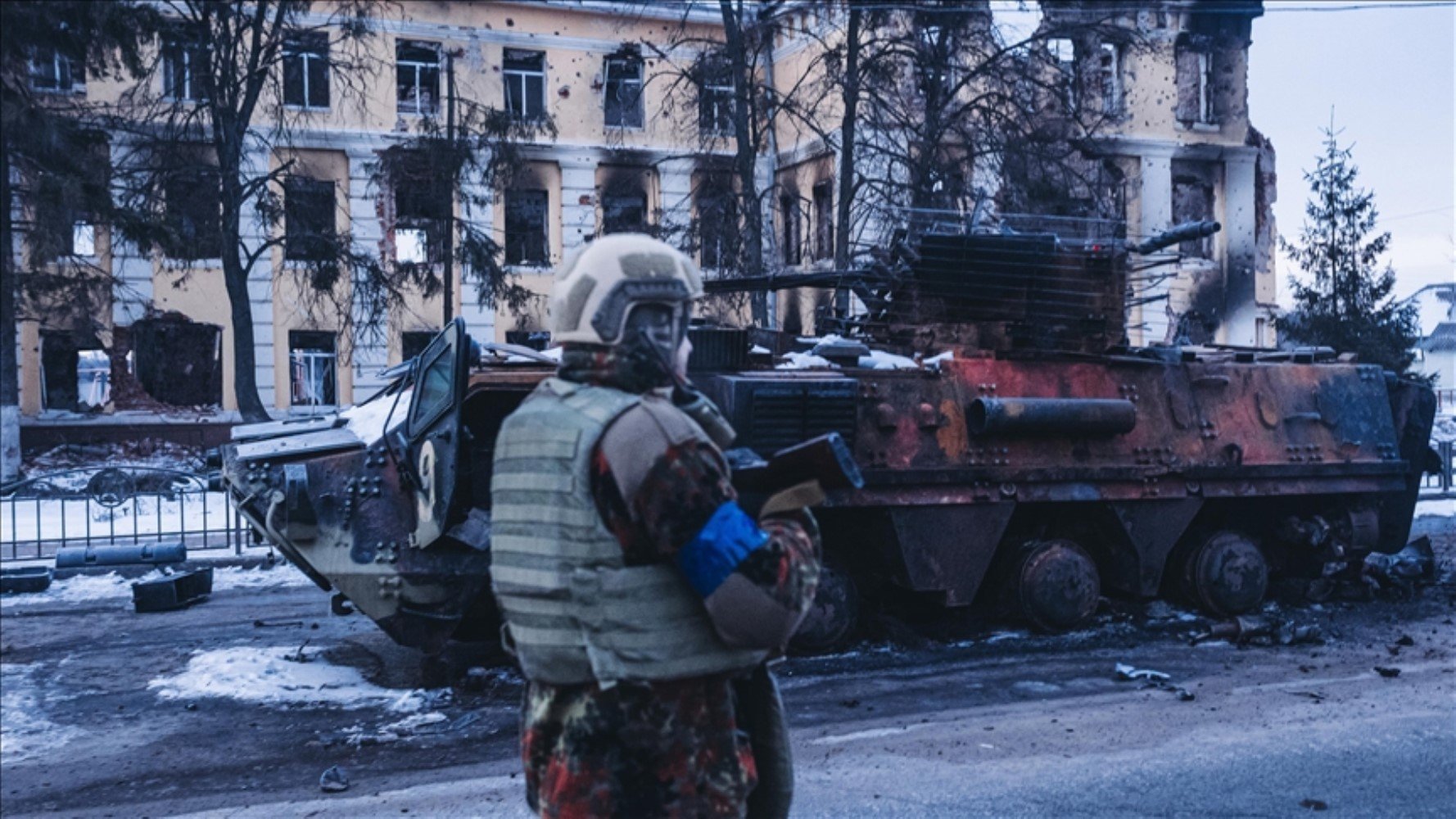
Ukraine's infrastructure has also suffered great damage from the war. According to data from the Kyiv School of Economics, the cost of the war to infrastructure has reached 170 billion dollars.
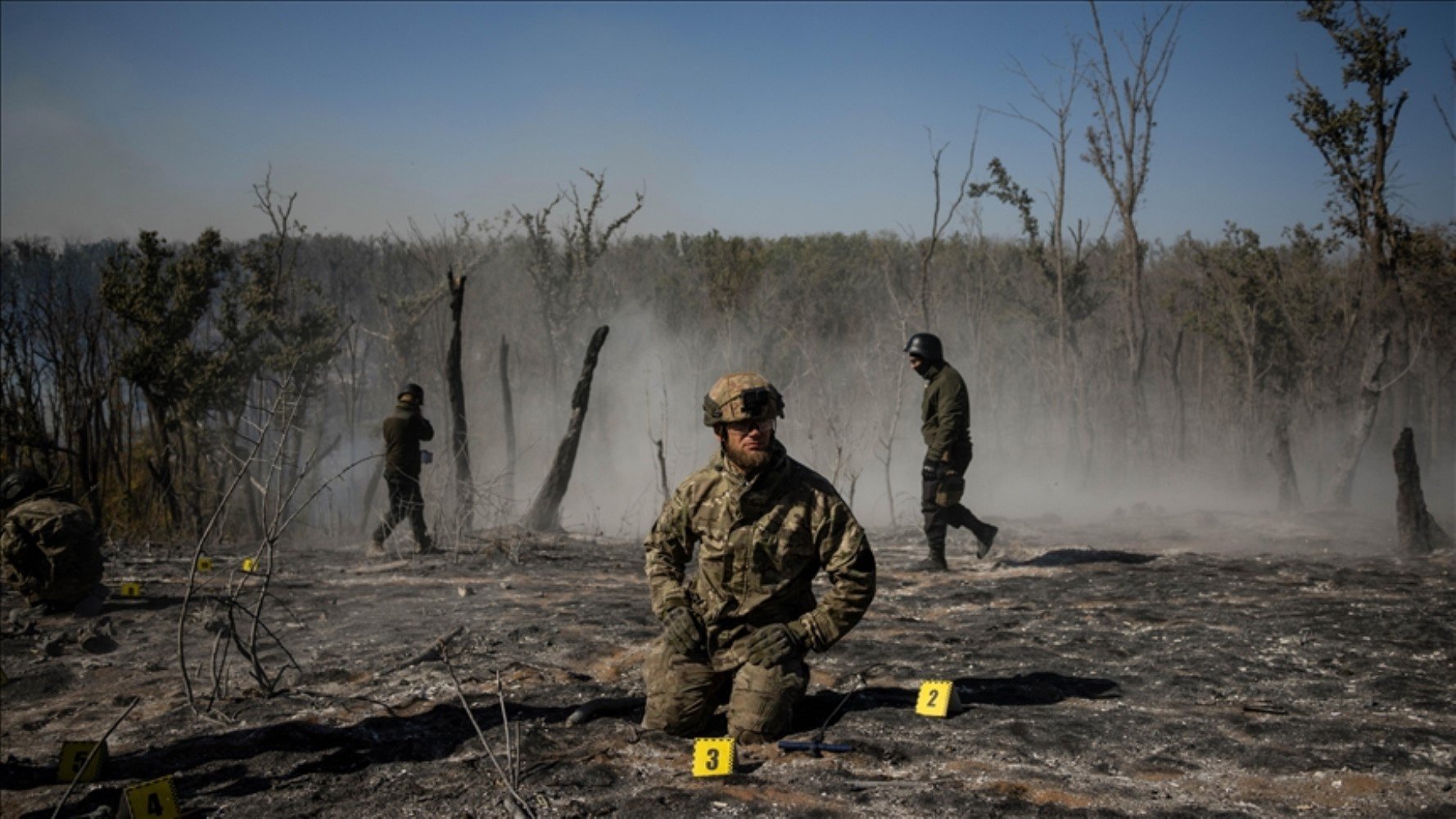
In the country, 294,000 residential buildings, 26,000 kilometers of roads, at least four power plants, more than 4,000 educational institutions, and more than 1,500 health facilities have either been destroyed or heavily damaged.
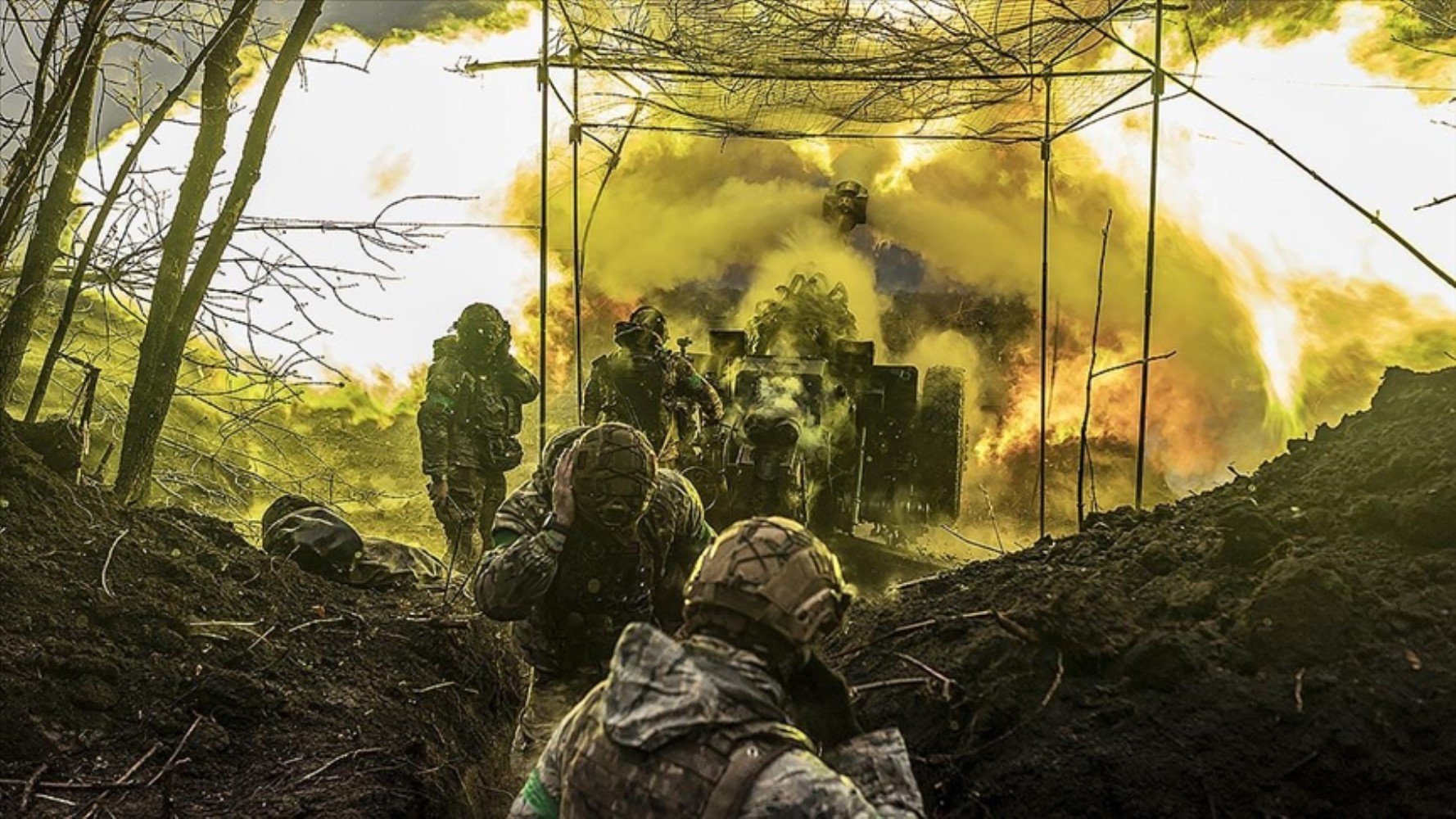
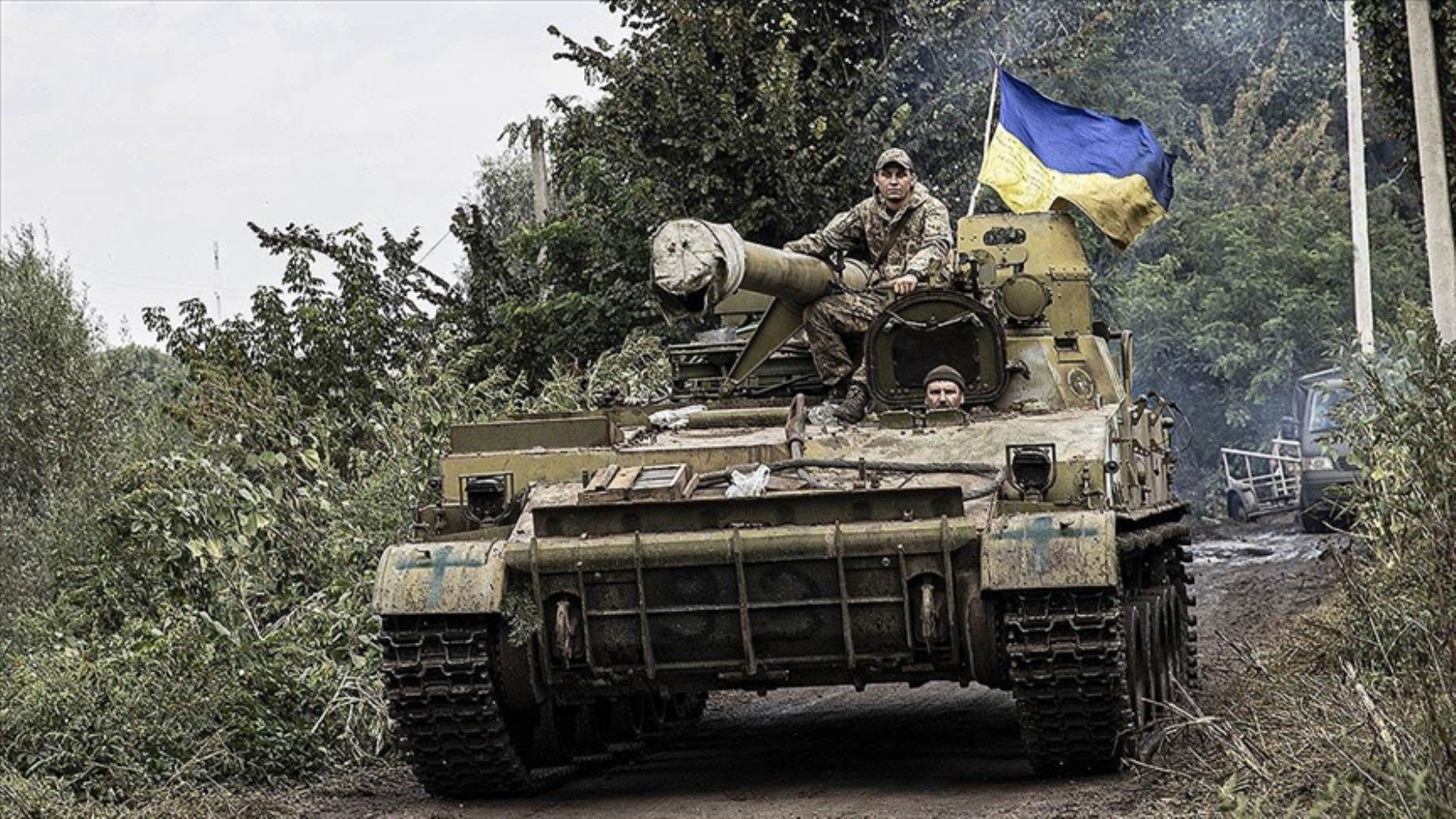
Russia has taken control of approximately 20 percent of Ukrainian territory, including Crimea, which it annexed in 2014. This area is equivalent to the size of the US state of Ohio. 75 percent of the Donetsk, Zaporizhzhia, and Kherson regions, and more than 99 percent of the Luhansk region have come under Russian rule.
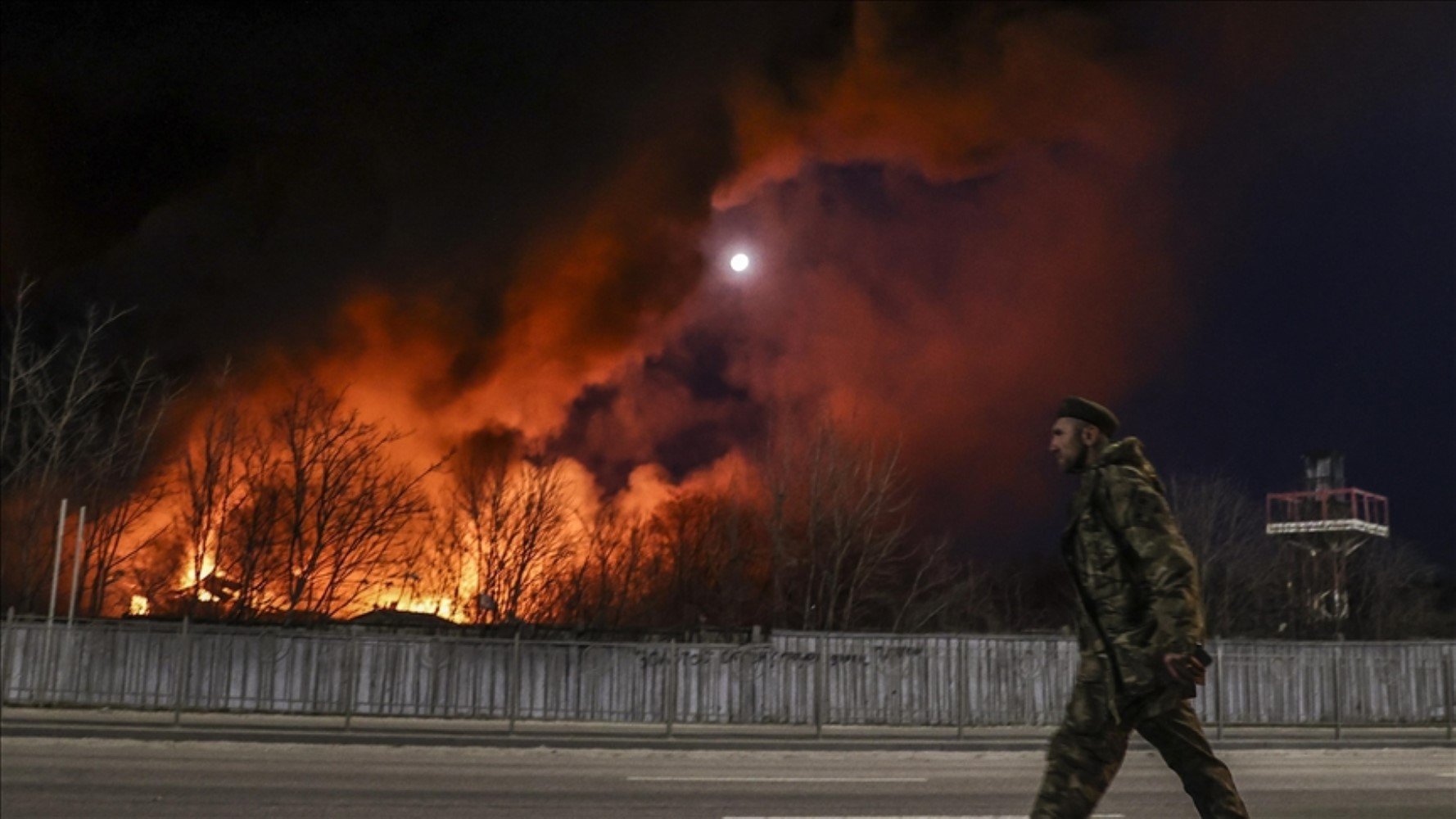
In the third year of the war, the clashes in Russia's Kursk region drew attention. The Ukrainian army captured a large area in Kursk with a surprise attack. Russia managed to retake most of these regions with counter-attacks. North Korean soldiers also joined the clashes. However, the North Korean troops, who suffered heavy losses due to their lack of experience, were forced to withdraw within three months.
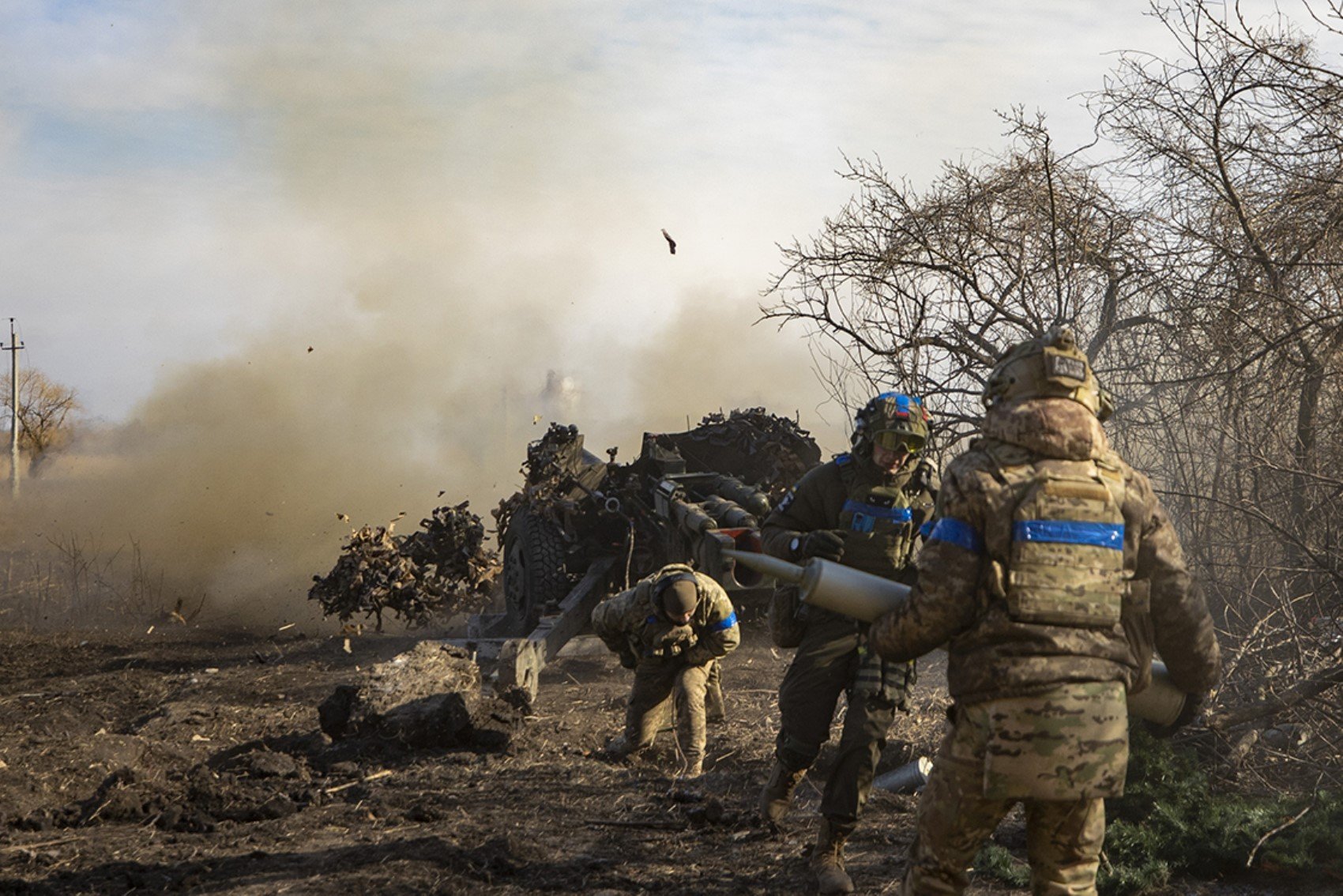
International support for Ukraine also affected the course of the war. Former US President Joe Biden gave permission for the use of long-range missiles in Ukraine. Following this decision, the Kyiv administration began hitting Russian territory with American-made ATACMS missiles.
The US has provided approximately 95 billion dollars in military, humanitarian, and financial aid to Ukraine.
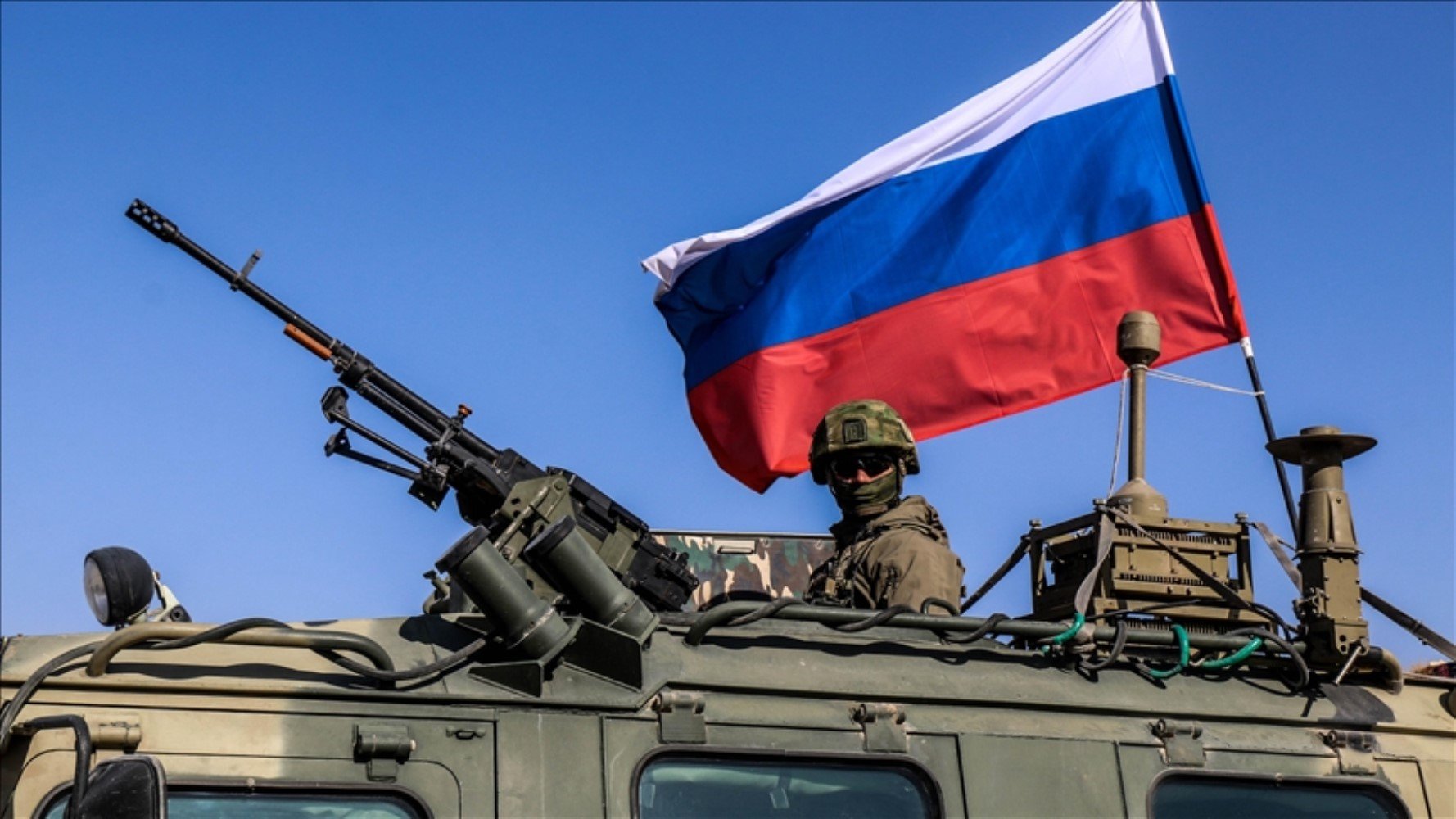
In response to these developments, Russia changed its nuclear weapons doctrine. Russian President Vladimir Putin announced that he responded to the attacks with Oreshnik missiles, which he claimed were 'unstoppable'.
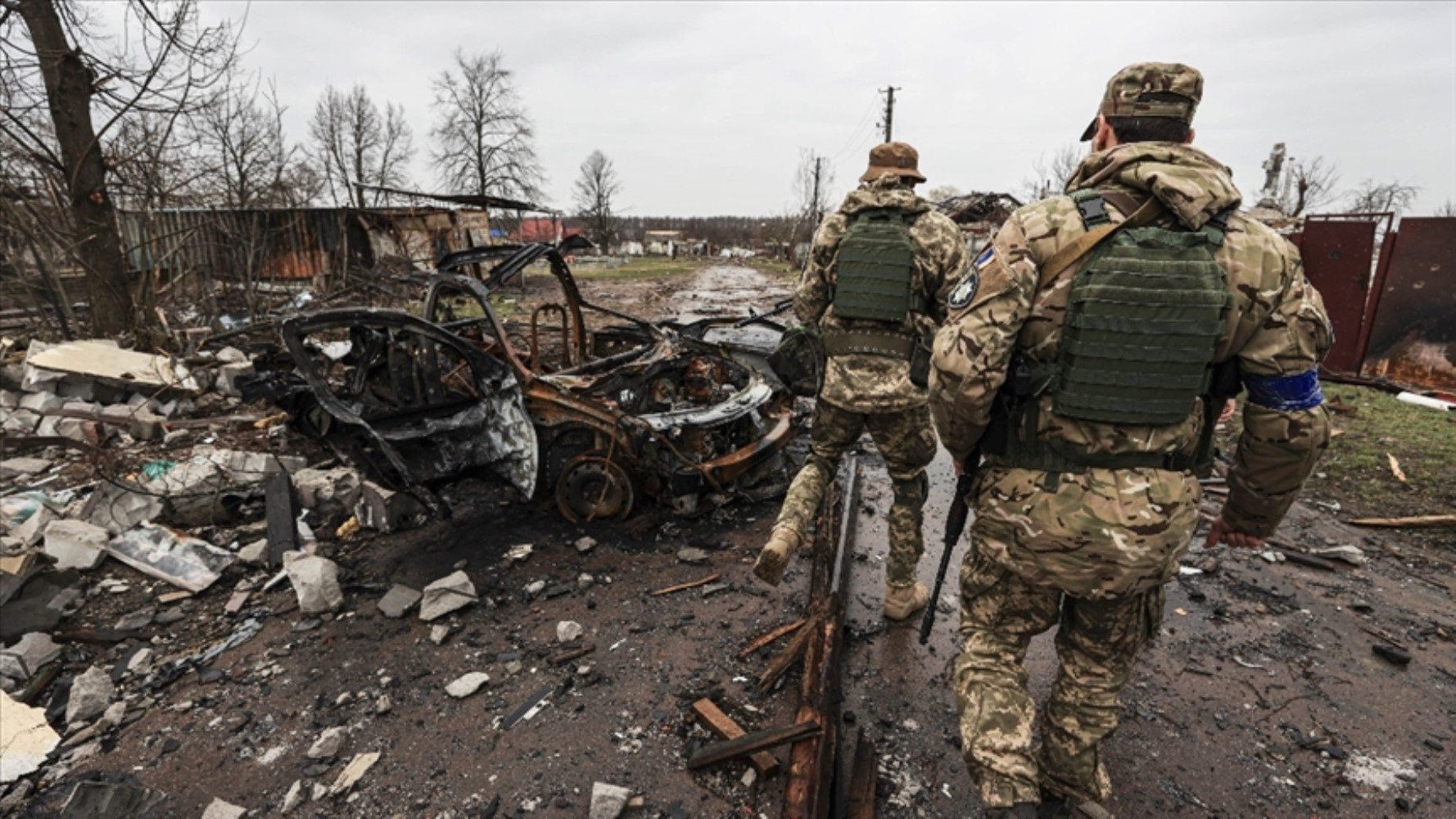
As the war entered its third year, the political change in the US also affected Ukraine. With Donald Trump becoming president again in January, relations with the US, Ukraine's largest military supporter, weakened. Trump's efforts to impose peace created uncertainty for Ukraine.
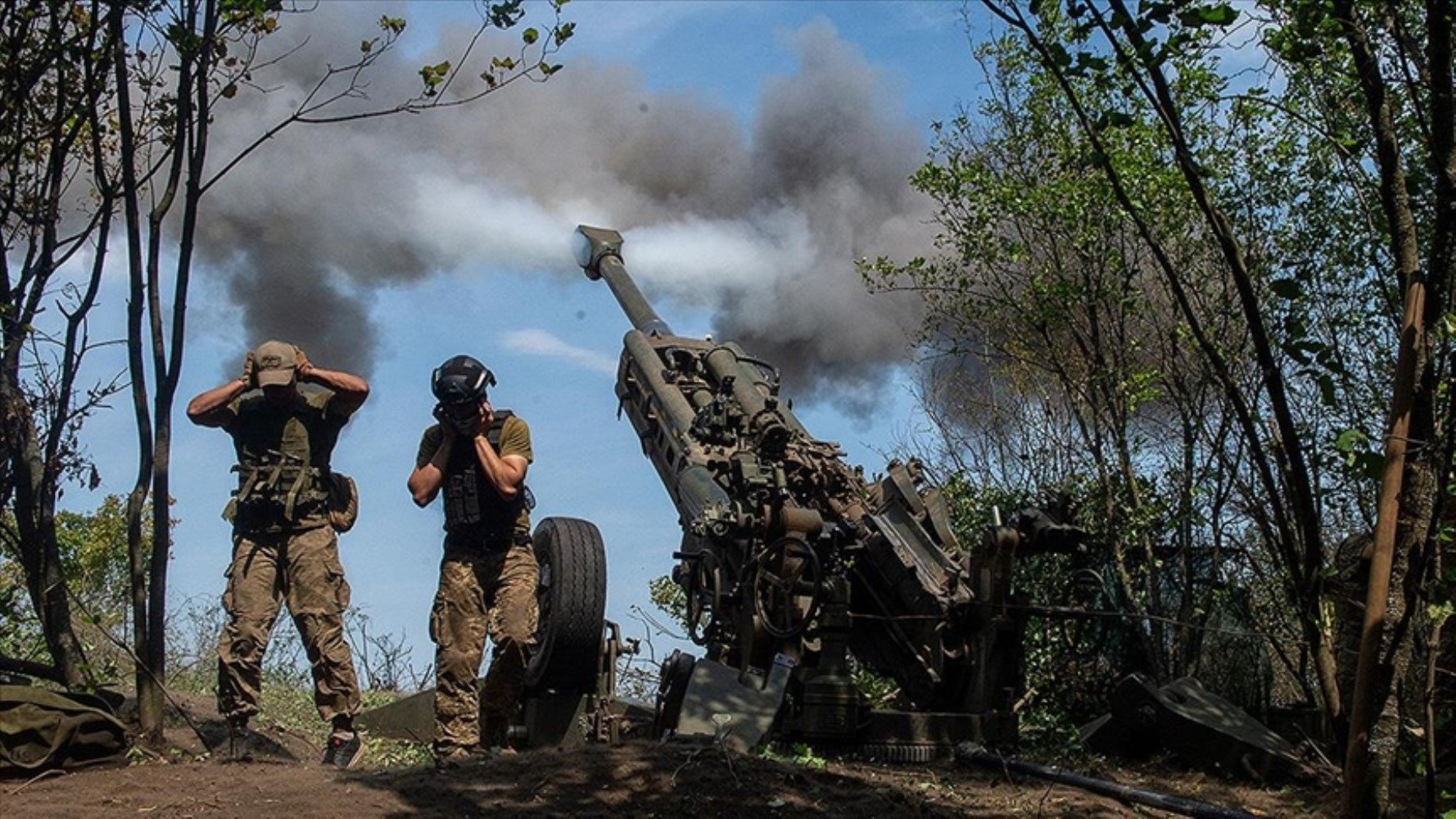
Trump's rapprochement with Russian officials and his attempts to hold peace talks without Kyiv's approval made the situation even more complicated. Zelenskyy strongly opposed the US-Russia talks. Zelenskyy stated, ''There will be no negotiations behind Kyiv's back.''
While Zelenskyy criticized Trump by saying he 'lives inside a Russian disinformation bubble,' Trump described his Ukrainian counterpart as a 'dictator' and a 'moderately successful comedian.'
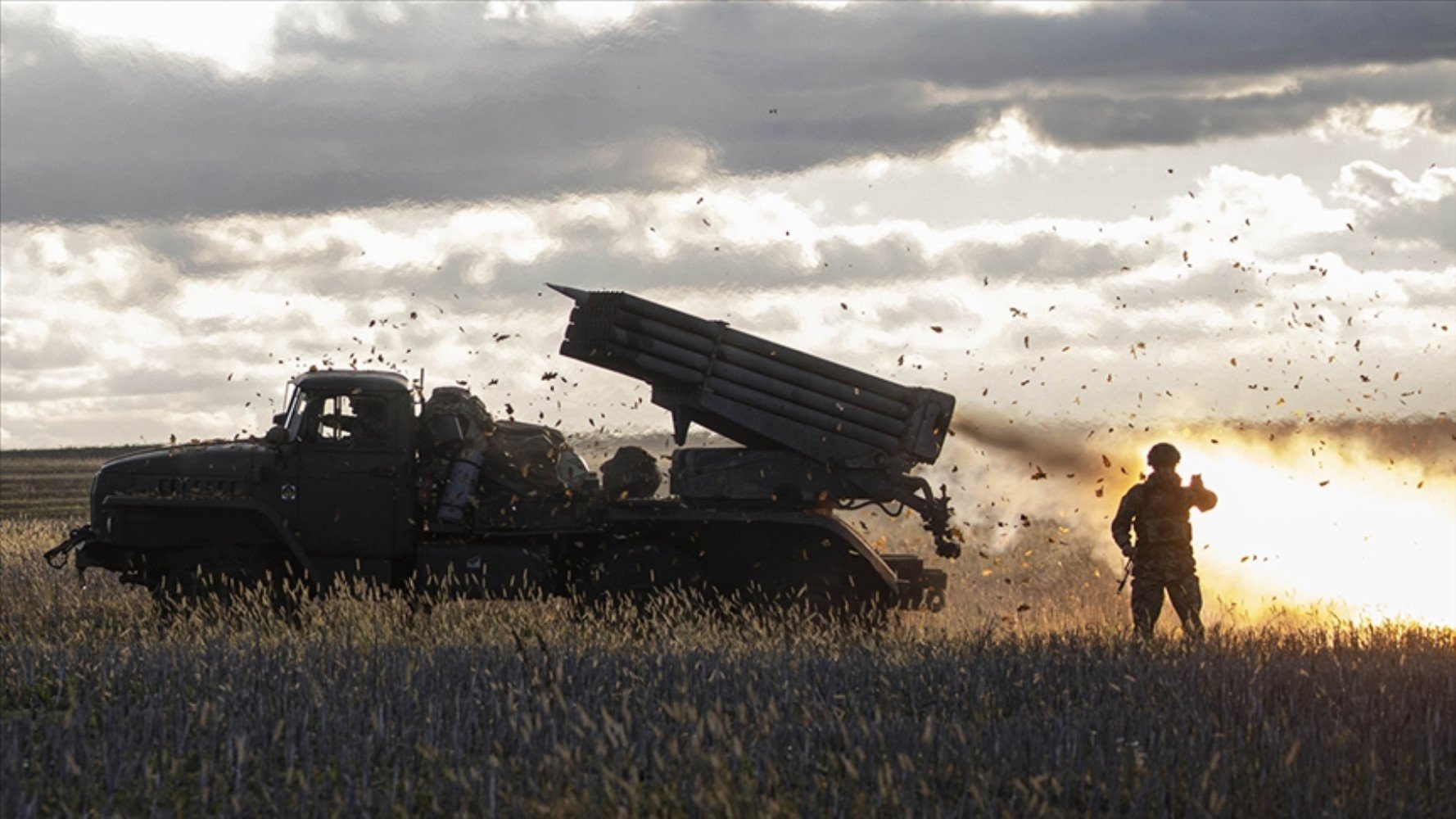
Emphasizing that the US, Russia, and European countries, as well as Ukraine, should participate in peace talks, Zelenskyy also clarified the amount of aid received from the US. He said that Ukraine received 100 billion dollars in aid from the US, not 350 billion dollars.
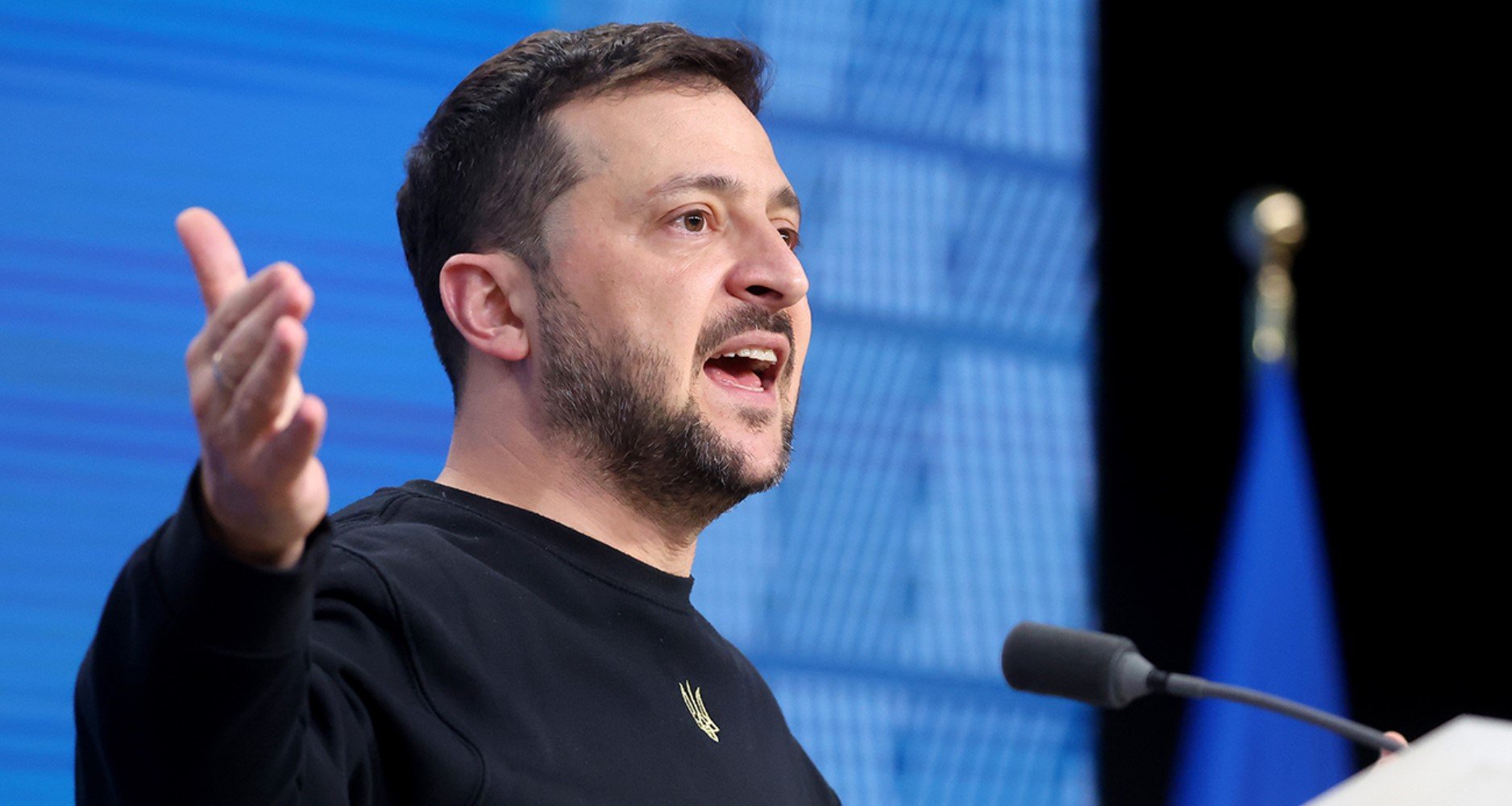
Zelenskyy stated that he is ready for peace talks to end the war. The Ukrainian leader expressed that he could step down from the presidency in exchange for NATO membership.
Most Read

Striking picture for Özgür Özel's 'New Party'

The PKK opening and Özgür Özel’s path!..

How did the newspapers view Özgür Özel's farewell to the CHP?

He killed his wife by slitting her throat: Their children witnessed the moments

What did the CHP do?

Özel’s new party move in the world press

Fire at TUSAŞ engine factory in Eskişehir under control

The New CHP, against CEHAPE

From self-efficacy to despair

Kılıçdaroğlu's first message on Özgür Özel's new party announcement