

Behind the scenes of the conflicts in Syria: What are the strategies of Turkey, Russia, and Iran?
In his article for Independent Türkçe, Nevzat Çiçek examines the goals of various actors behind the scenes of the conflicts in Syria and the shifting balance of power in the region. The war in Syria is a process that reflects the conflicting interests of many internal and external actors. Çiçek explains this complex picture and the objectives of different groups in 9 questions. Here are the key actors and their goals in the article...



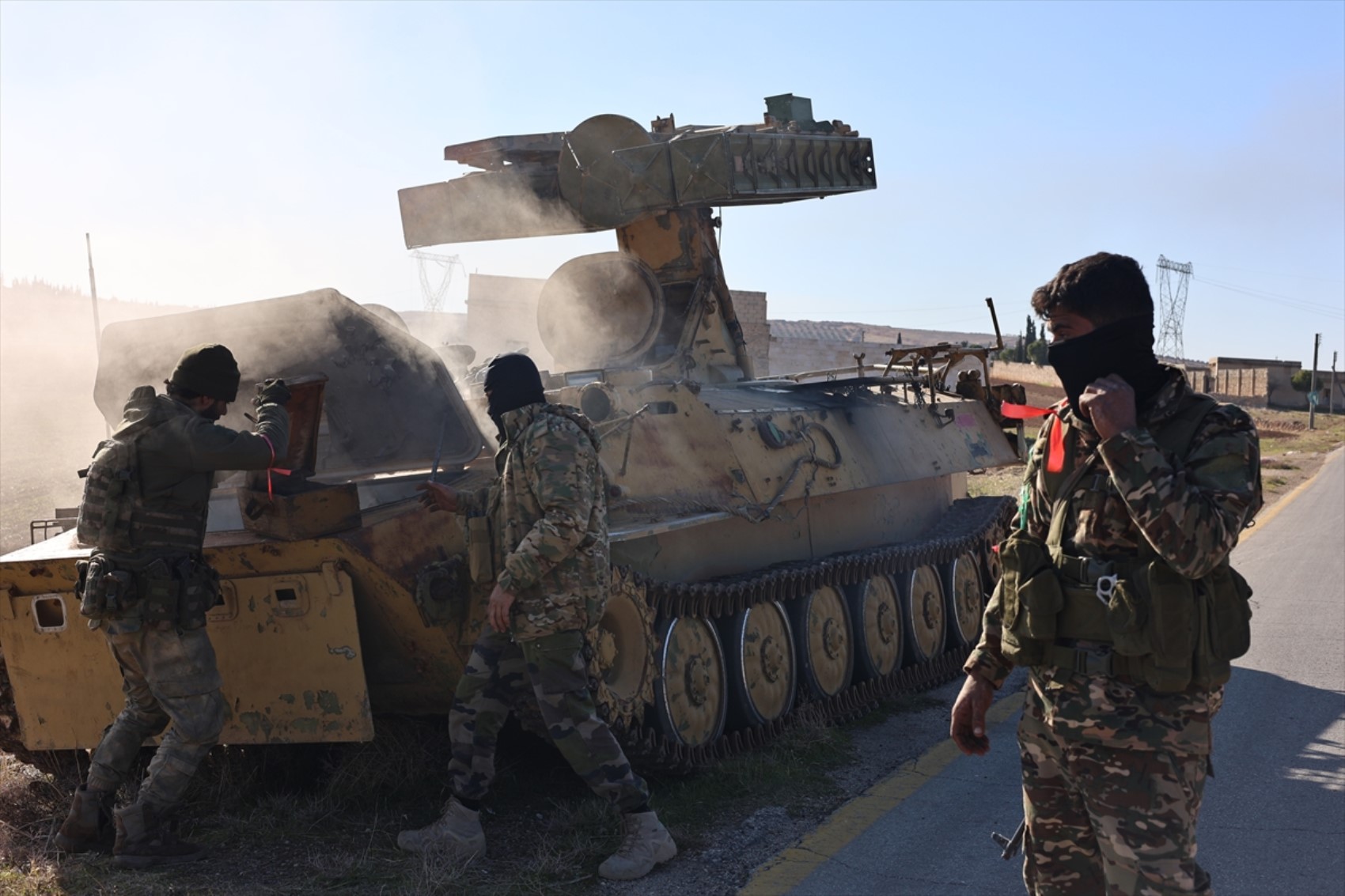
In Nevzat Çiçek's article for Independent Türkçe titled "Behind the scenes of what is happening in Aleppo in 9 questions," the current situation in Syria, including the goals and expectations of various groups and countries in Syria, including Turkey, was discussed.
The article touched upon the future of Syria and its potential changes.
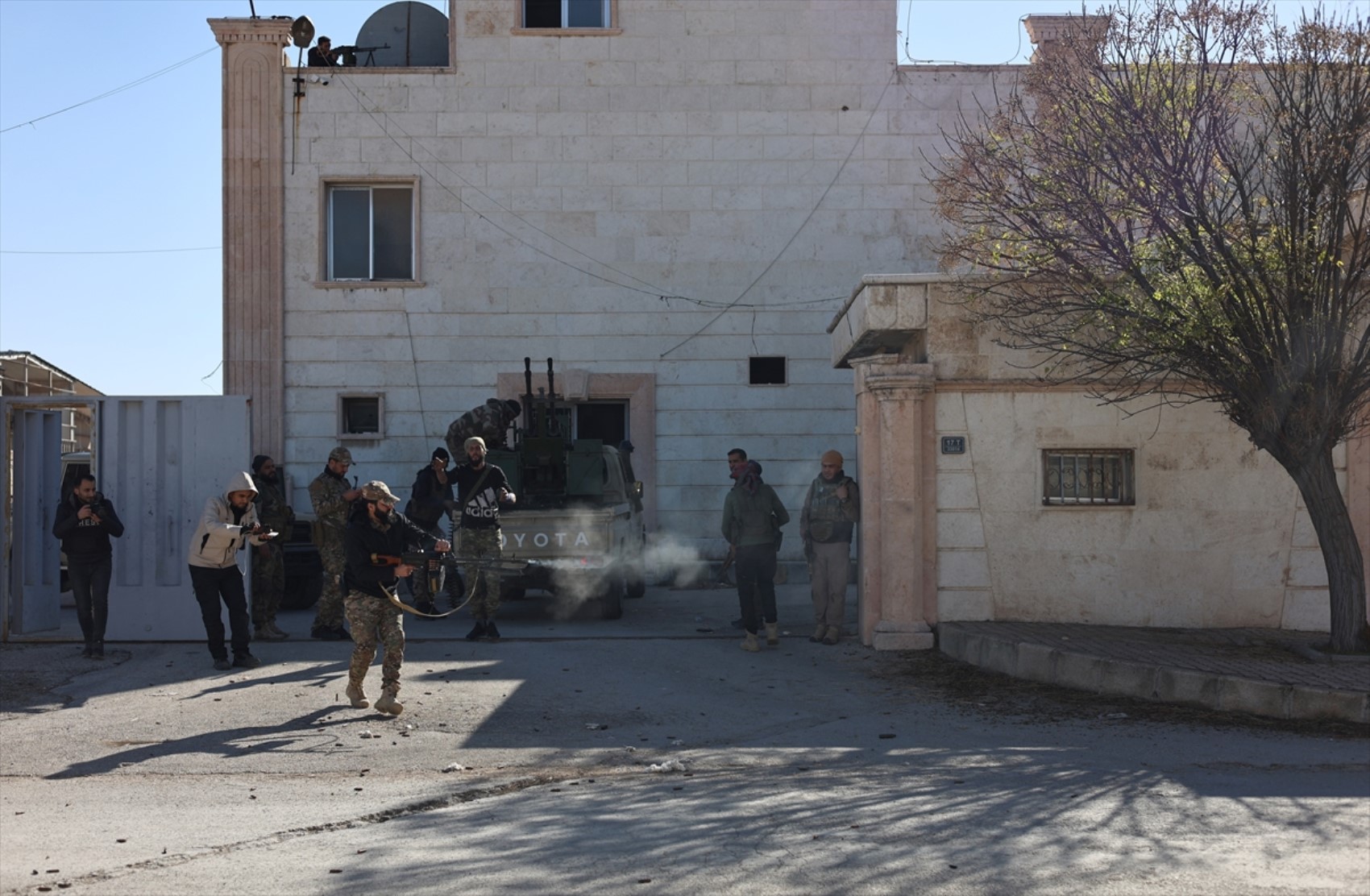
So, who wants what in Syria? How much more can the map change?
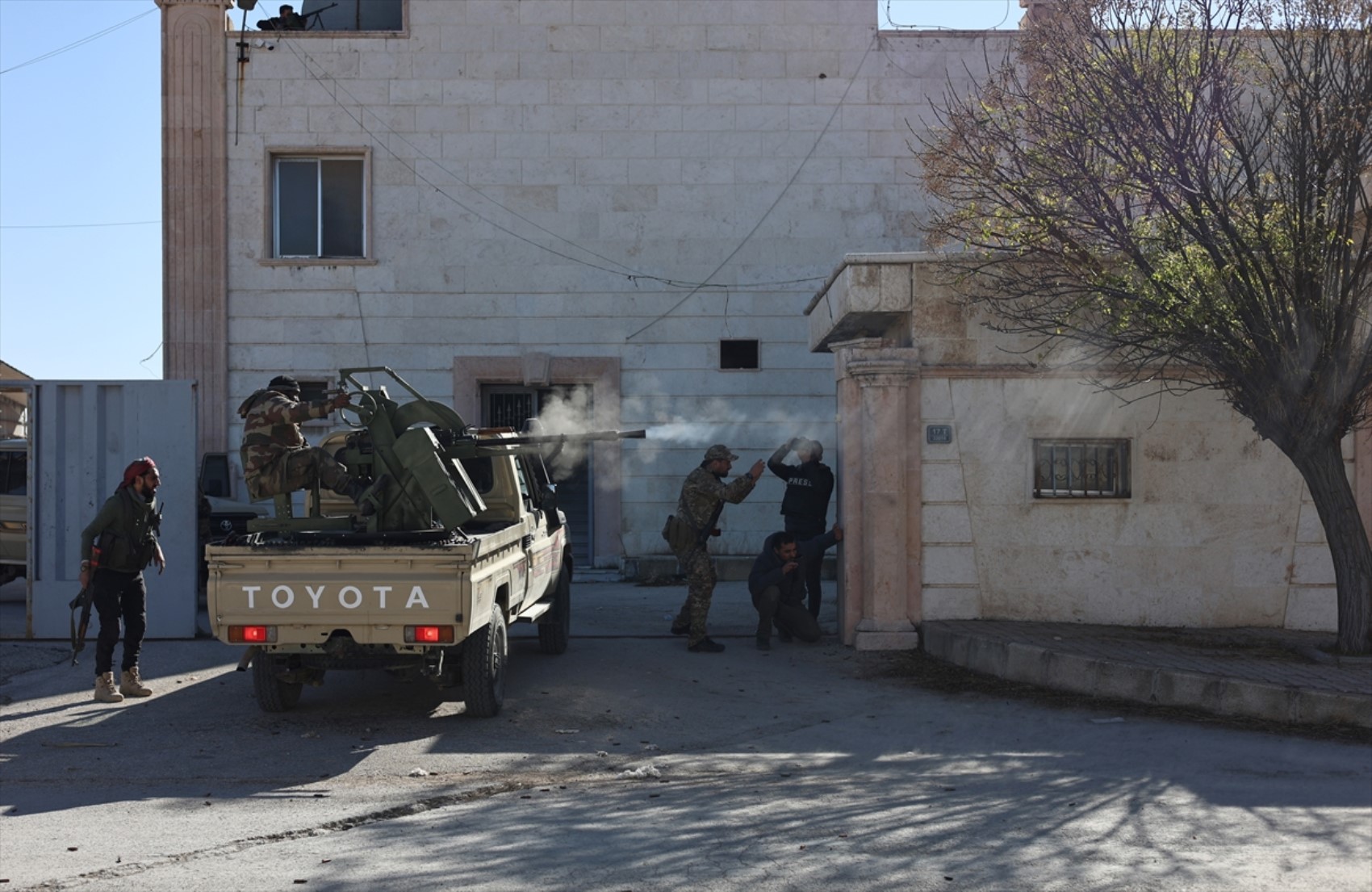
HAY'AT TAHRIR AL-SHAM
"The Organization for the Liberation of the Levant" (HTS) is managing the Fath al-Mubin Operations Room as part of the "Deterrence of Aggression Operation."
Militant groups such as Ahrar al-Sham, Jaish al-Izza, Faylaq al-Sham, the Turkistan Brigades, and Jaish al-Nasr, as well as the Nour al-Din al-Zenki Movement, the National Front for Liberation, and the Joint Forces, which have united under the leadership of HTS, form the coalition that has achieved major gains in Aleppo.
Currently, this coalition continues to fight on the outskirts of the city of Hama under the leadership of HTS.
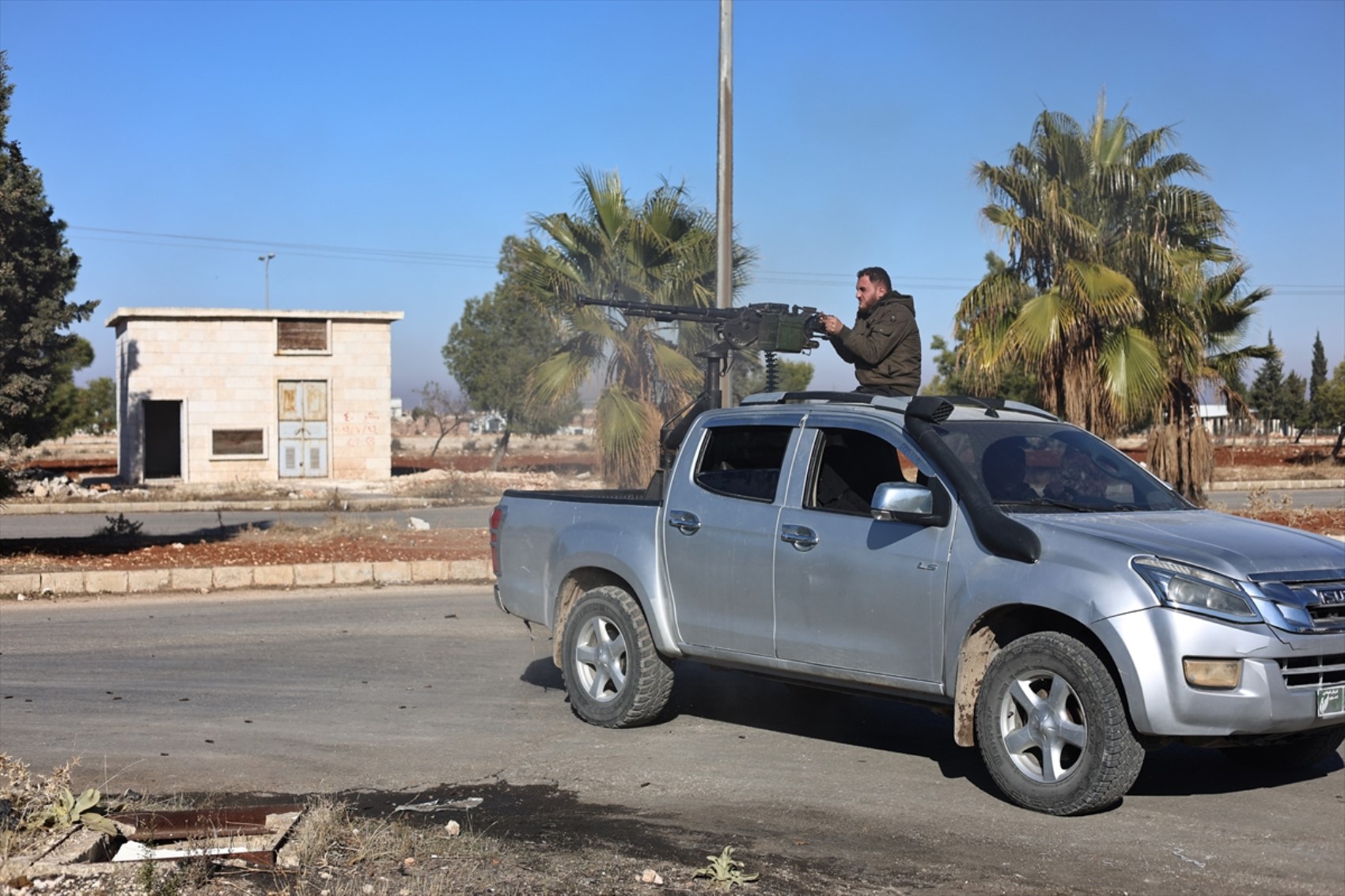
The Syrian National Army, supported by Turkey, also worked together with HTS, particularly in eastern Syria and regarding the capture of Aleppo.
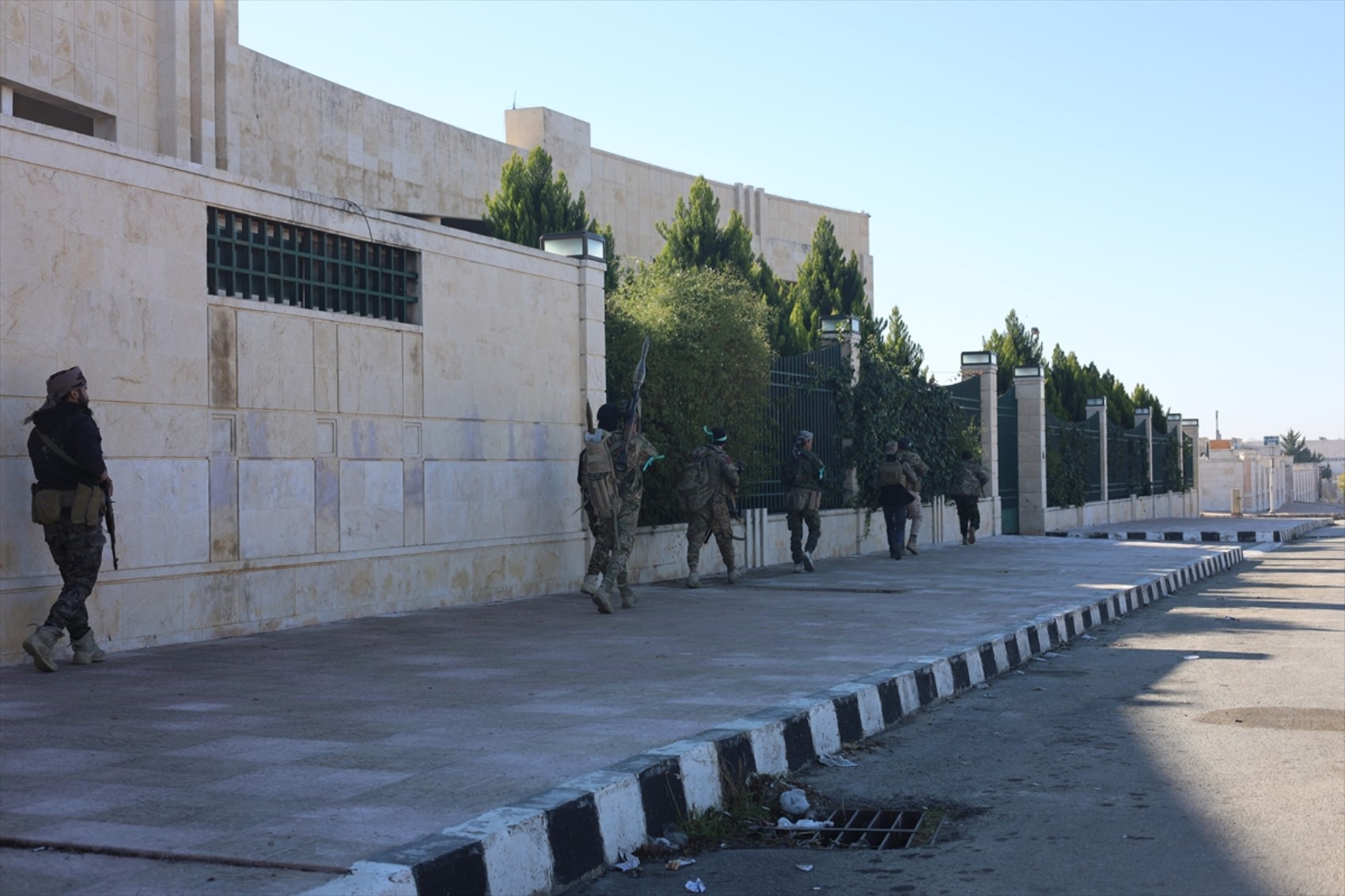
HTS is recognized as a terrorist group by Western countries, the US, and Turkey.
The goal expressed by HTS is "to create an independent Syria where Iran, Russia, and the US have no say. In this regard, HTS points to Afghanistan, ruled by the Taliban and governed by Sharia law, as a model country.
Indeed, HTS, formerly known as the Al-Nusra Front, is a radical Islamist organization that emerged from past disputes between Al-Qaeda and ISIS.
A clear success for HTS in Syria and the establishment of a government that is a neighbor to Turkey could be a threat to Turkey.
SYRIAN NATIONAL ARMY
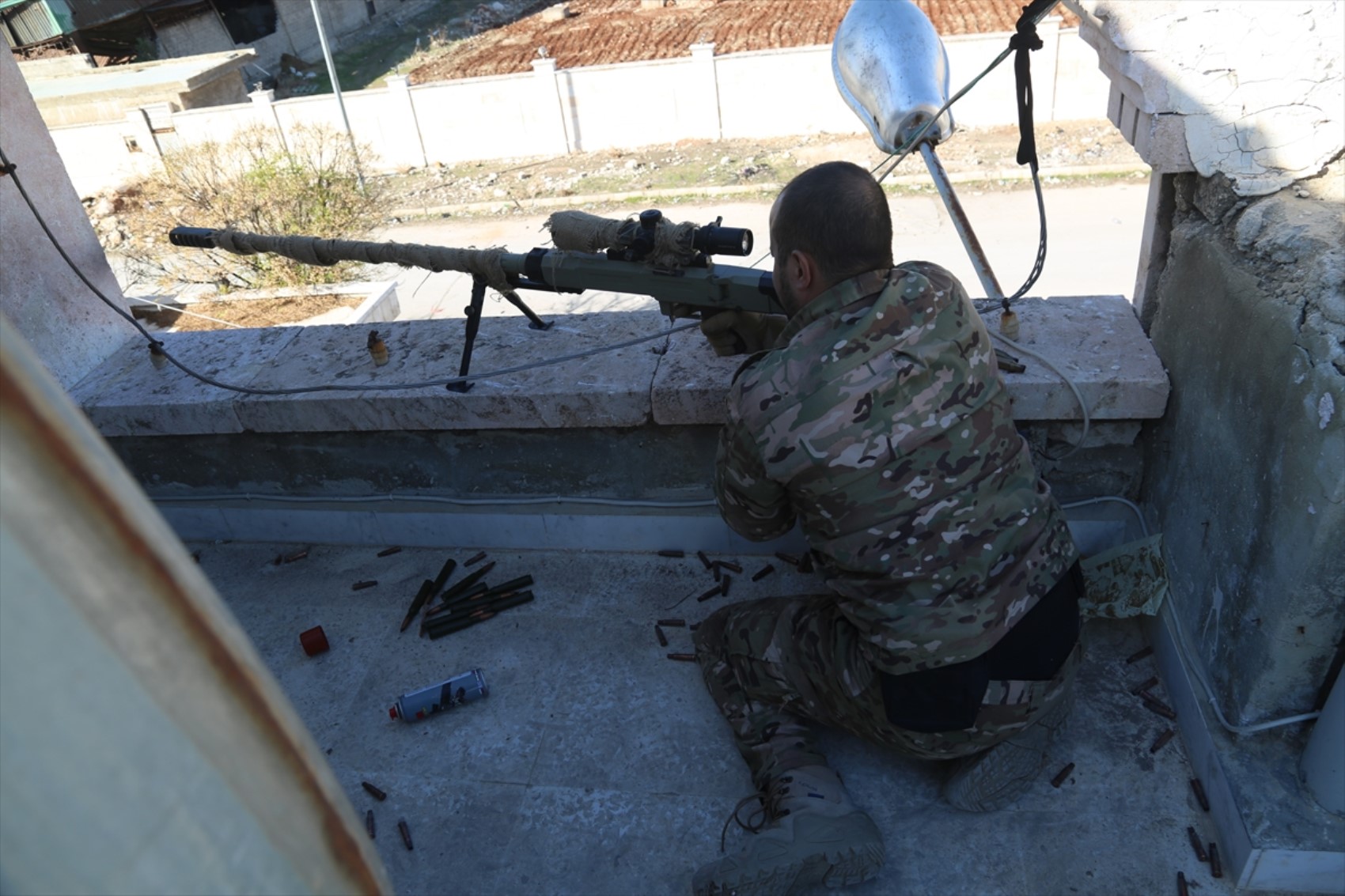
The Syrian National Army (SNA), supported by Turkey, which is currently fighting against the YPG/PKK in northern and northeastern Syria as part of the "Dawn of Freedom" operation that liberated Tel Rifaat, continues its clashes.
The SNA, which receives ammunition, infrastructure, and logistical support from Turkey, also continues to fight against the Assad regime.
The SNA had clashed with HTS militants in recent months. Turkey's support for the SNA had ensured the repulsion of HTS attacks and the protection of areas in northern Syria by the SNA. However, the successful operations carried out by HTS in Aleppo and on the outskirts of Hama raise concerns that it could pull the SNA into the orbit of the radical Salafist HTS.
However, despite the alliance resulting from current operations on Tuesday, the clashes between the SNA and HTS and Turkey's support for the SNA reduce the possibility of the organization entering the orbit of the radical Islamist HTS.
SYRIAN REGIME
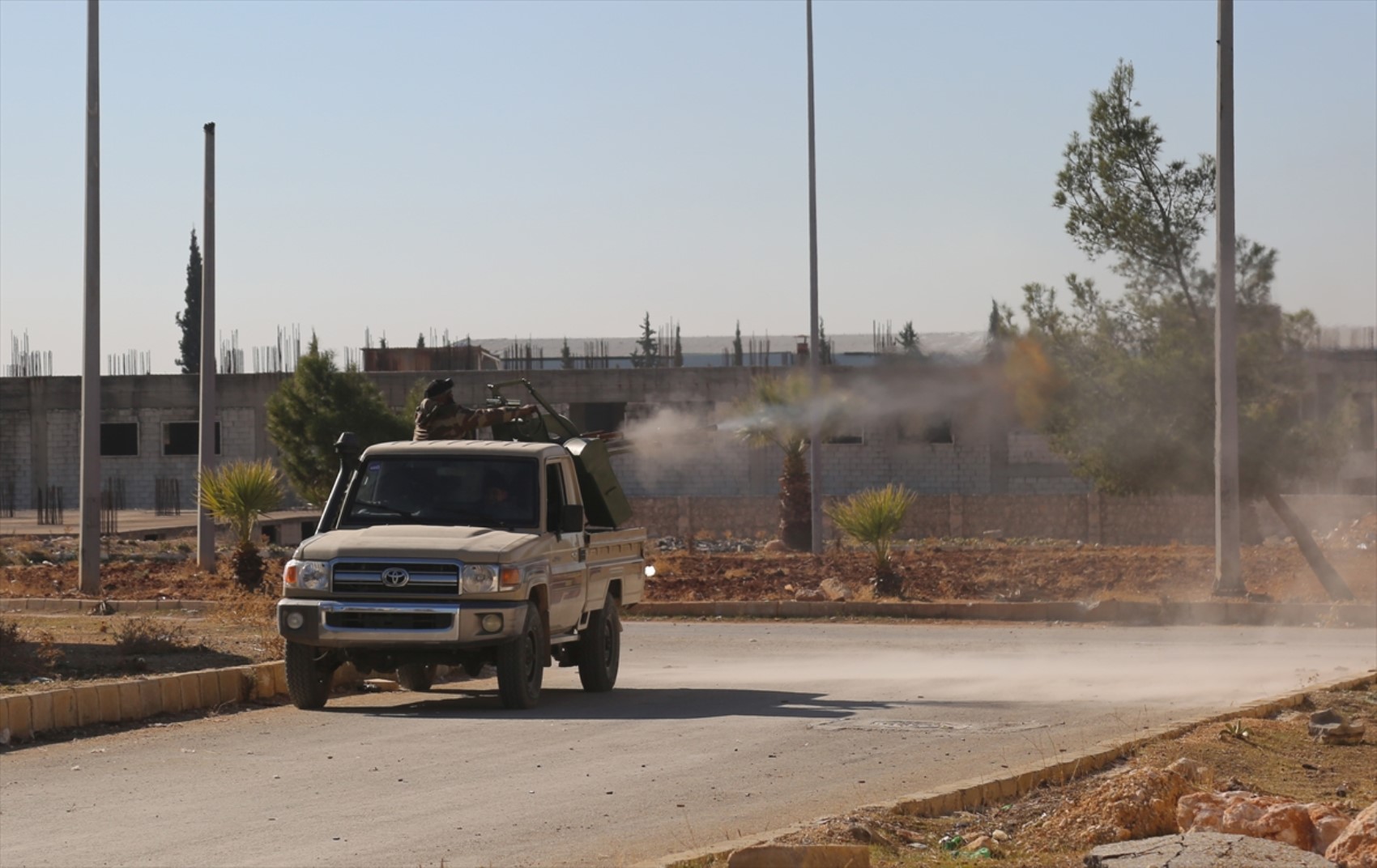
The Assad regime has largely continued its political isolation since the Astana process in 2016. However, the Syrian regime's rapprochement with Iran has provided stability in the southeast of the country. Indeed, Assad has positioned himself as part of the 'Axis of Resistance' led by Iran.
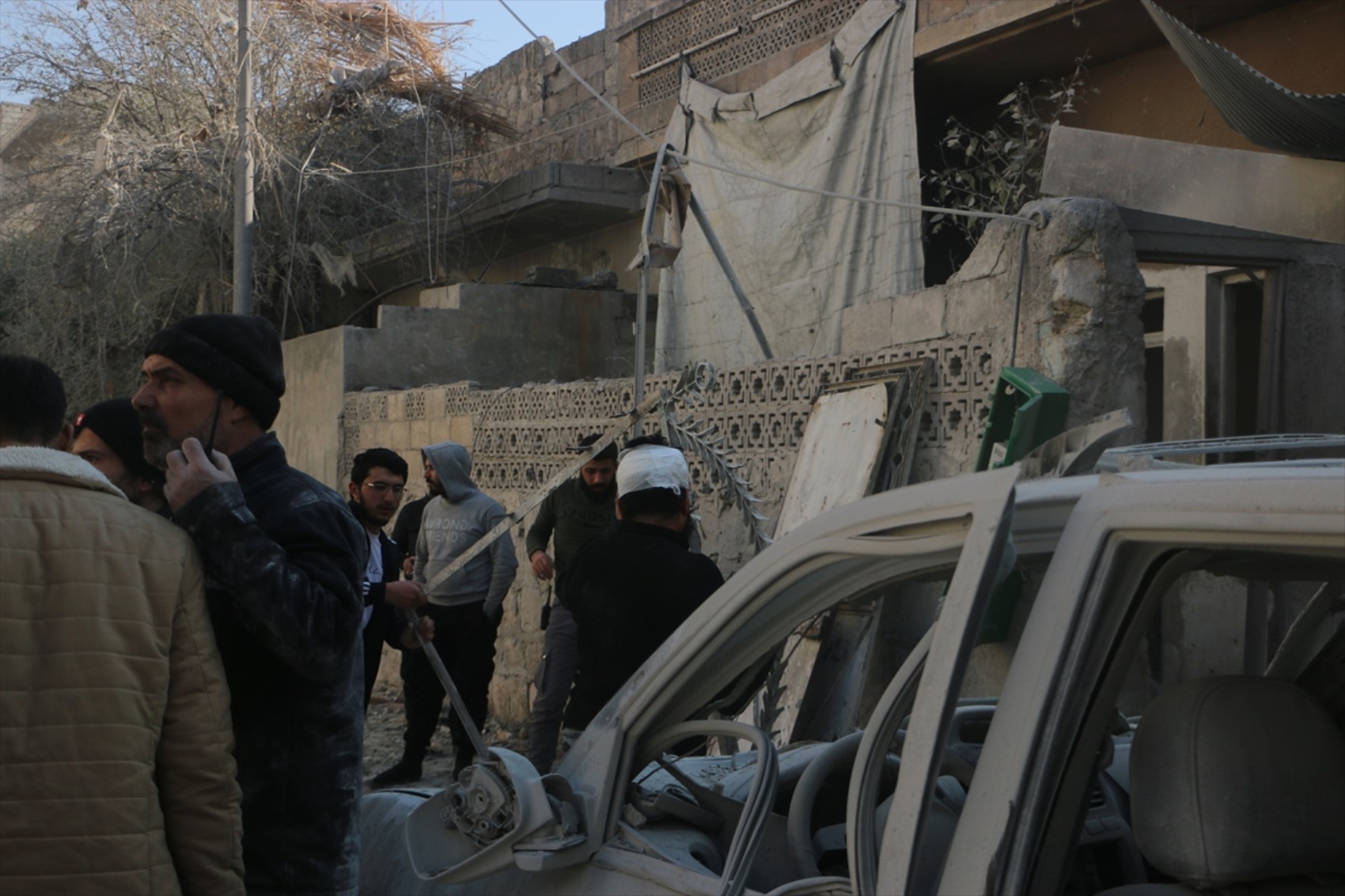
Syria, which provides arms support to Hezbollah from the Lebanese border, has drawn the reaction of the US and Israel in the region. So much so that it was alleged that Israel's strikes on weapons depots in Syria within this context laid the foundation for today's operations.
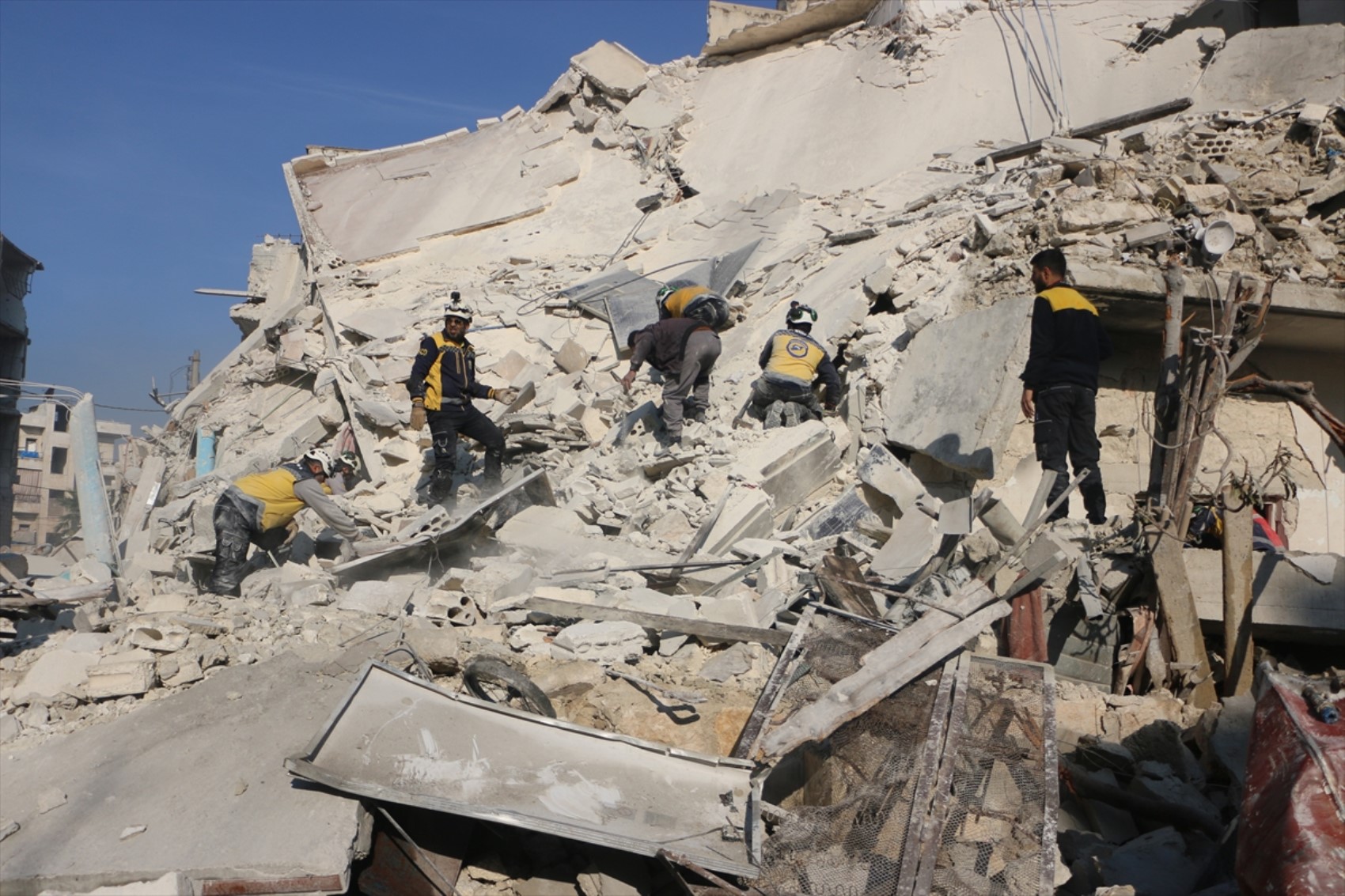
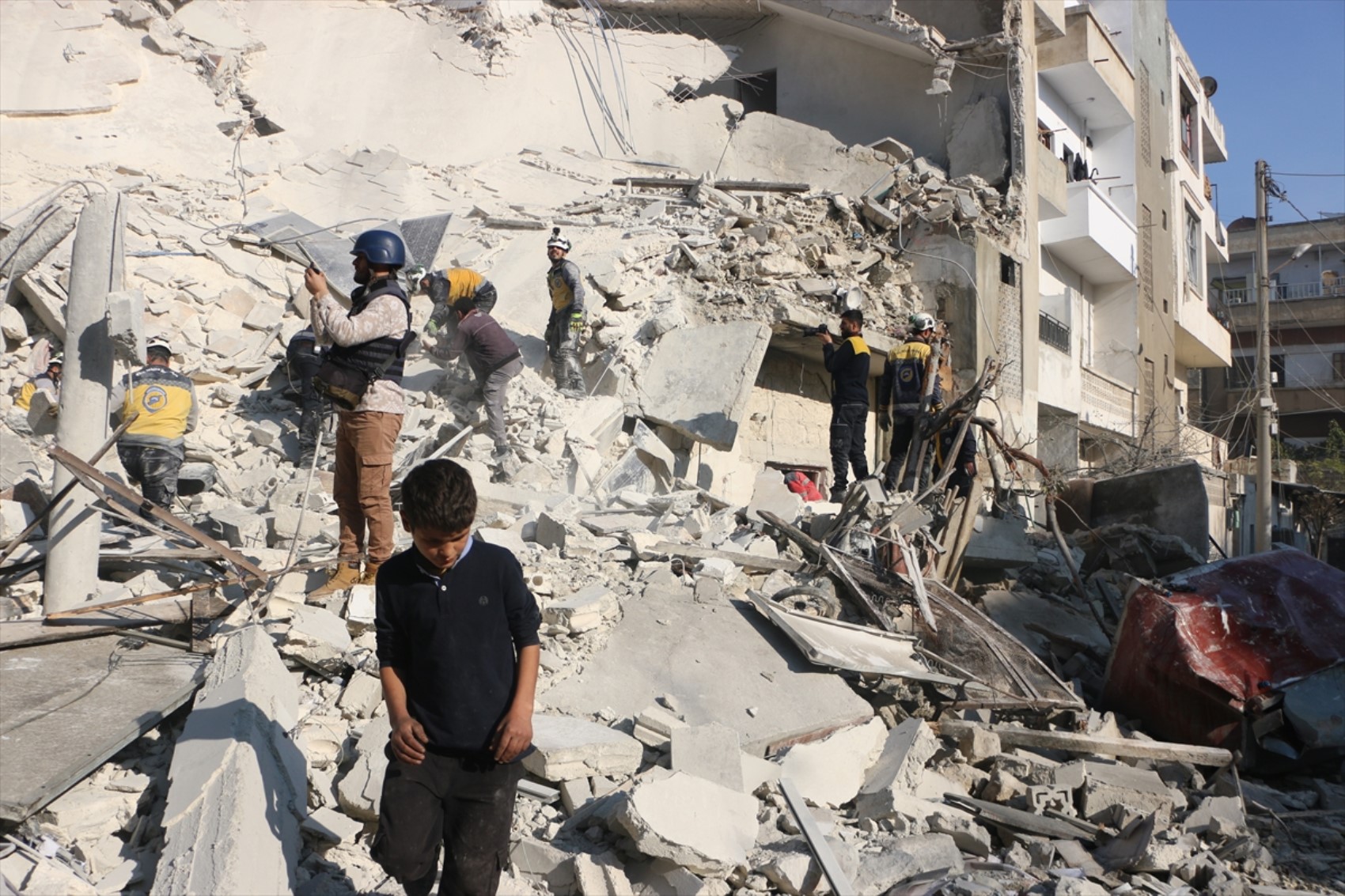
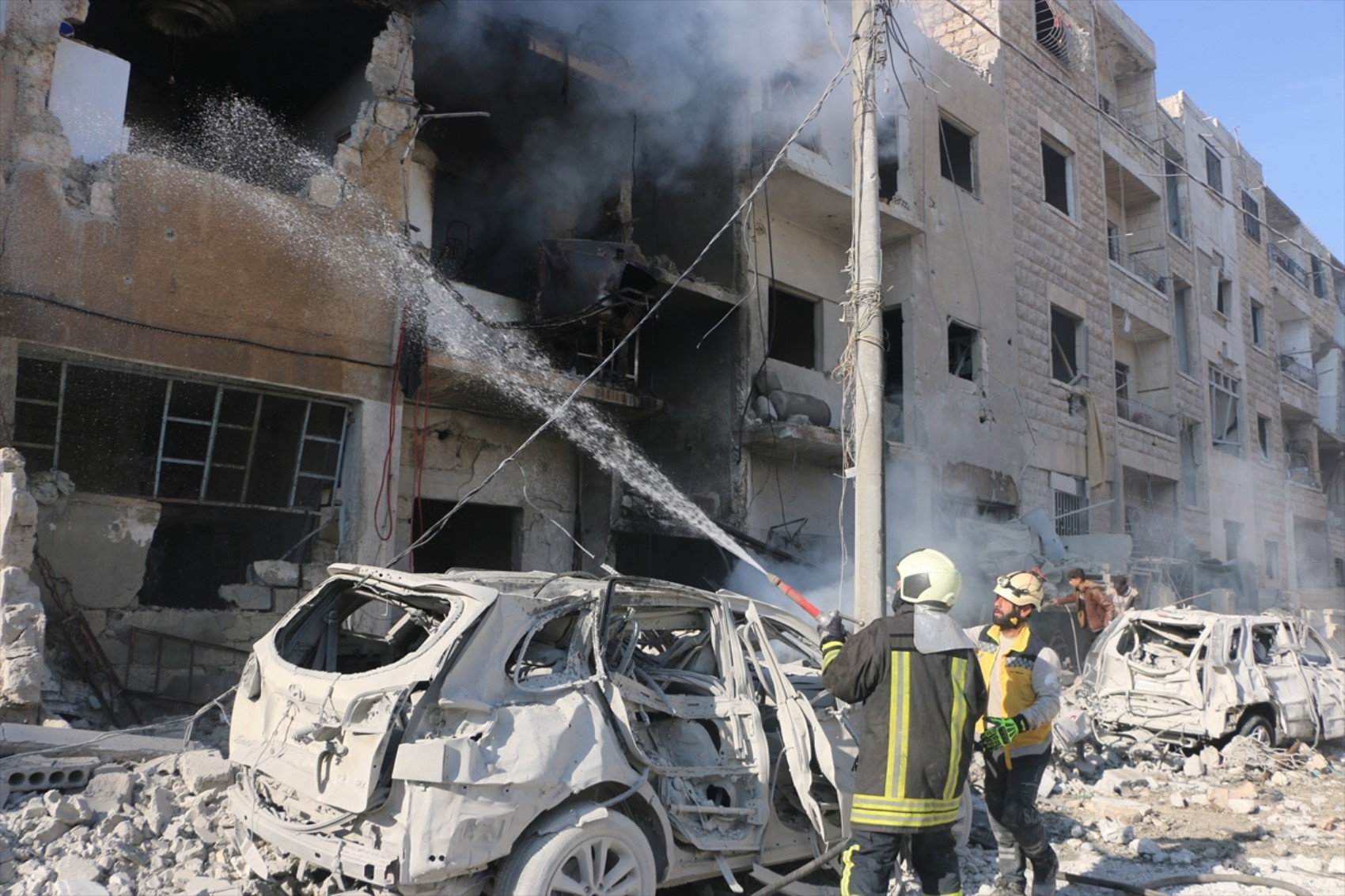
Furthermore, the Syrian regime's bombing of civilians in Idlib caused a migration crisis. The global crisis created by Syrian citizens migrating from Syria to Turkey and through Turkey to Europe is also an important reason for today's operations.
The situation in Syria being organized by the US or another power is not a sufficient explanation. Foreign Minister Hakan Fidan stated on this matter: "It would be wrong at this stage to try to explain the events in Syria with any external intervention. This is a refuge and a mistake for those who do not want to understand the facts about Syria."
RUSSIA/IRAN
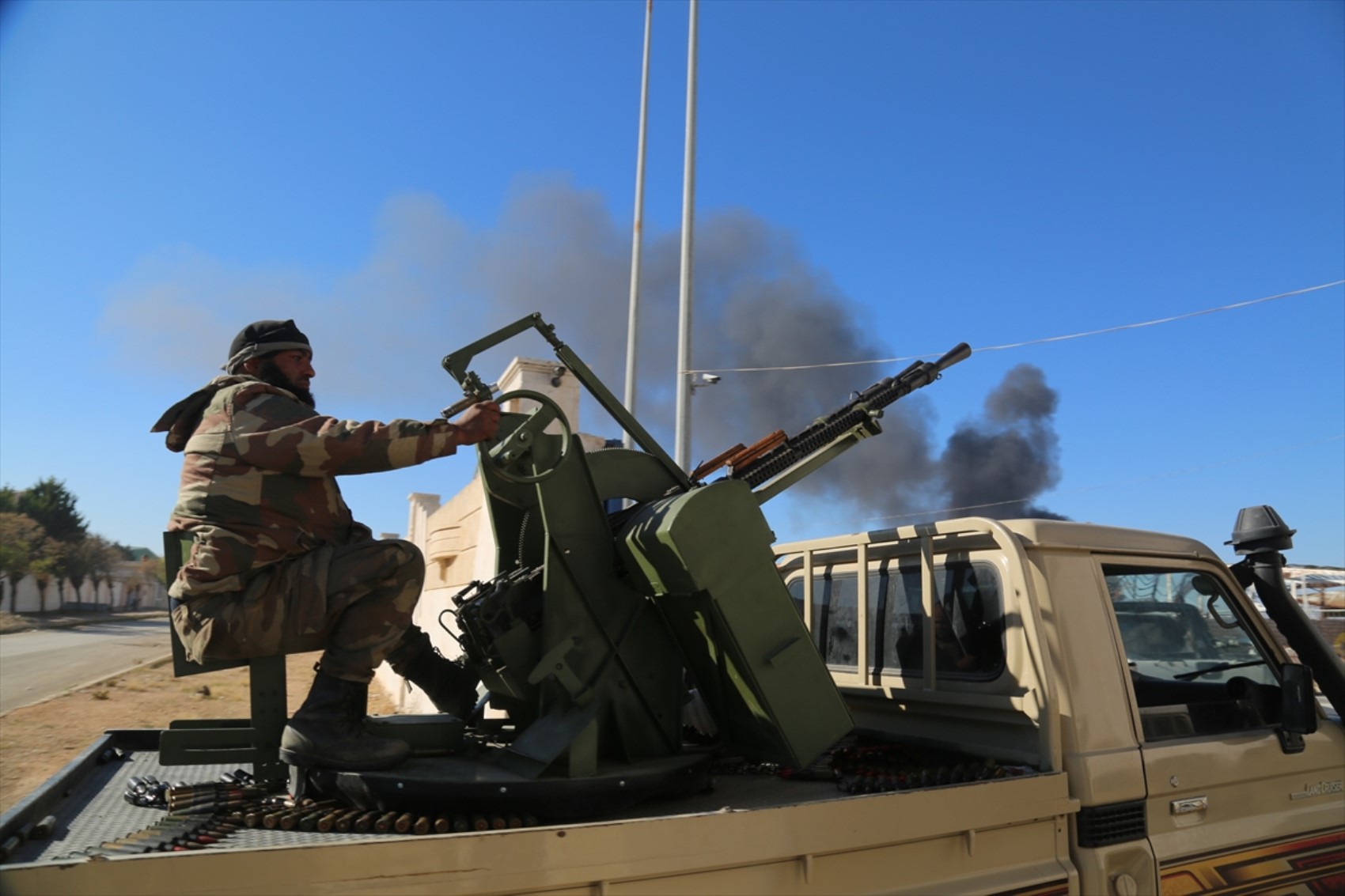
Russia has clearly stated that it supports the regime in Syria. However, it appears that Russia, which delegates its military operations in Syria to its air forces and has not opened an official front in Syria, has the priority of protecting its military bases in Syria.
Russia, which has withdrawn much of its military presence in Syria throughout the Ukraine war and redirected it to the Ukrainian front, is not expected to maintain a large military presence in Syria as long as its bases are not threatened. Indeed, Russia believes it can reach an agreement with the opposition just as it has with Assad. Russia wants to protect its resources in the region in the event of Assad's fall.
In addition, Syria's failure to listen to Turkey regarding the YPG and its failure to provide the necessary commitments have created an antipathy in Russia against the Assad regime.
Iran, on the other hand, continues to actively support Syria. However, Iran, which has weakened due to the war in Lebanon and is struggling to support the Houthis in Yemen, Hezbollah, and Syria at the same time, is having difficulty providing sufficient support for the defense of Syria.
US/ISRAEL
The US had previously defined Bashar al-Assad as "a dictator" and recently stated that their stance has not changed. Similarly, the US insisted that it had no hand in the HTS offensive and reiterated that it recognizes HTS as a terrorist organization.
The US stated that a solution should be sought through diplomatic channels. However, at the same time, it supported the YPG's clashes against the Assad regime in the direction of Deir ez-Zor. The US position here is that it would be beneficial for Syria to be cut off from its 'Axis of Resistance' role.
The article published in Independent stated: "The Assad regime's constant refusal to participate in the political process specified in UN Security Council Resolution 2254 and its reliance on Russia and Iran have created the conditions for the events currently taking place in northwestern Syria, especially the collapse of regime lines. At the same time, the United States is in no way connected to this attack led by Hay'at Tahrir al-Sham (HTS); HTS is recognized as a terrorist organization. The US, together with its partners and allies, calls for de-escalation, the protection of civilians and minority groups, and a serious and credible political process consistent with UN Security Council Resolution 2254 that can end this civil war once and for all."
Israel also reported that it was neutral on this issue because "both sides are worse than each other." However, the destruction of Syria's weapons depots as a result of Israeli attacks and the weakening of Iran's weapons inventory through wars supported today's attacks.
TURKEY
According to the article in Independent, Turkey is essentially saying, "You blocked the political process in Syria, Assad, and now you are paying the price in Aleppo. The YPG is aware of what you are doing, and we will not allow it."
Foreign Minister Hakan Fidan had said regarding the recent developments in Syria: "It would be wrong at this stage to try to explain the events in Syria with any external intervention. This is a refuge and a mistake for those who do not want to understand the facts about Syria."
Turkey believes that it has fulfilled all the promises it made, especially the Astana agreements, but that the opposition should not be attacked according to the Astana agreement, that the Syrian regime does not comply with this, and that Russia and Iran have not fulfilled their obligations. Turkey states that it has made the necessary warnings and calls upon the increase of attacks on Idlib, but that this was answered with an increase in attacks.
It is underlined that the 32-kilometer withdrawal promise given by the US to the YPG has not been realized, and it is stated: "Turkey attaches importance to the territorial integrity of Syria. Turkey's priority is the fight against terrorism. Turkey will not allow terrorist groups in Tel Rifaat and Manbij to take advantage of the instability."
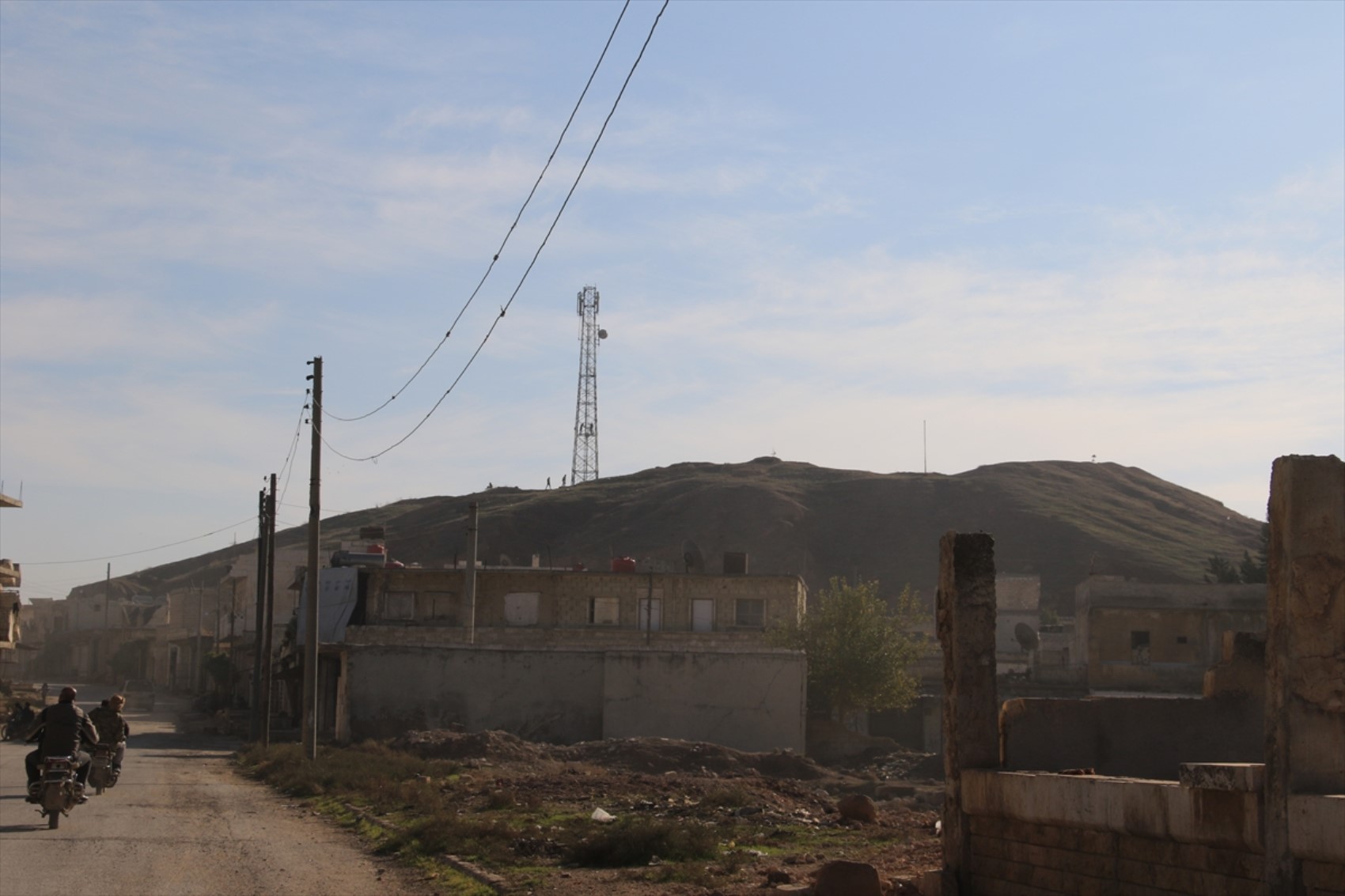
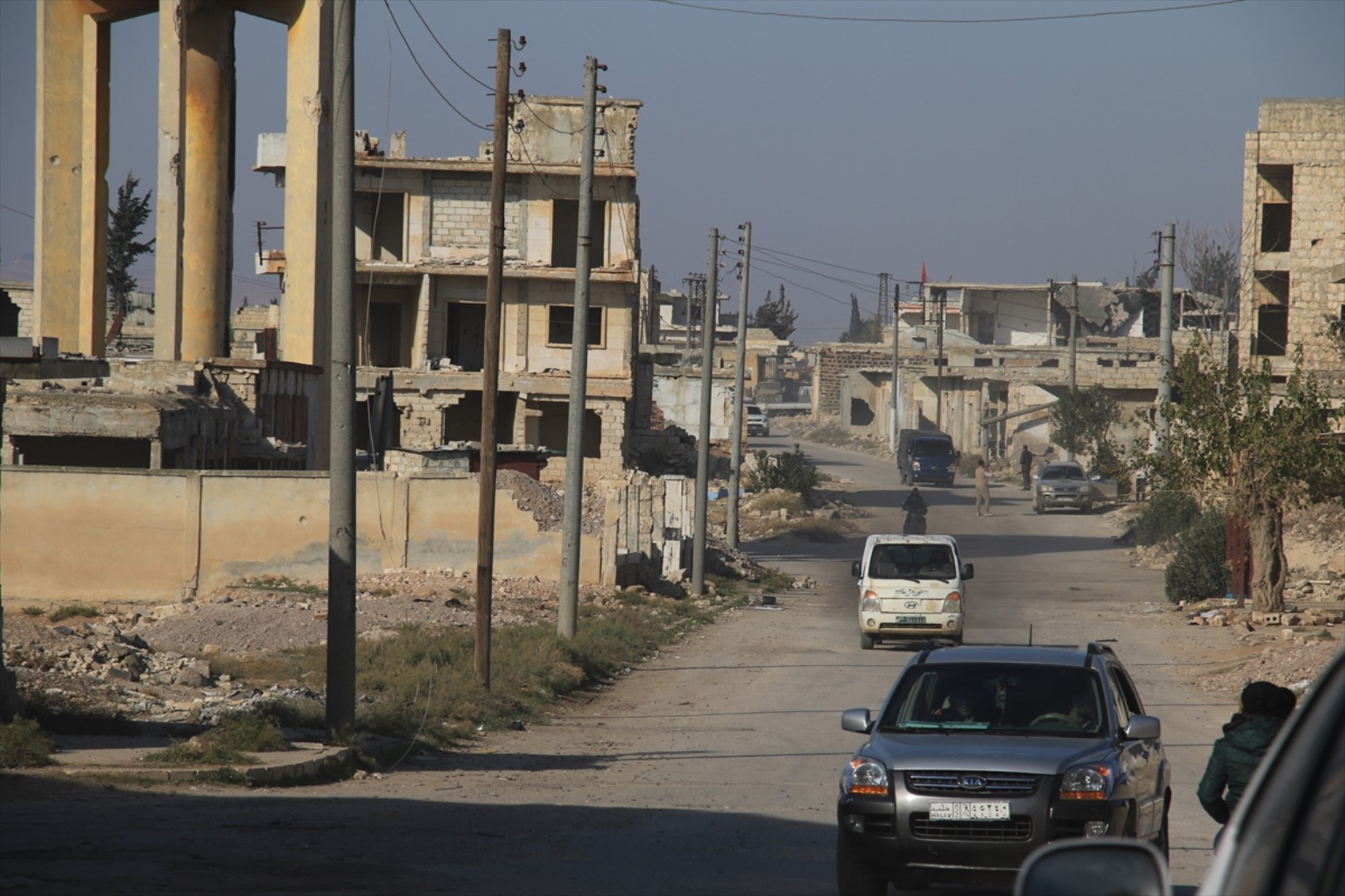
The fall of the town of Tel Rifaat and its surroundings, which the YPG uses to attack TSK and SNA elements in Afrin, and the possibility of clearing this region, is developing as a situation in Turkey's interest. From Turkey's perspective, sweeping the YPG to the east of the Euphrates and creating a buffer zone is in line with the "Terror-Free Turkey" goal. Developments on the ground are currently in Turkey's favor, but it must be emphasized that there are also serious risks for Turkey.
The view is frequently expressed that since the main group carrying out the attack is HTS, this group is recognized as a terrorist organization by many countries in the world, including Turkey, and because the organization emerged from within the Syrian Al-Qaeda, HTS becoming this strong along the Turkish border and capturing Aleppo, Syria's second-largest city, could pose a risk for Turkey in the long term.
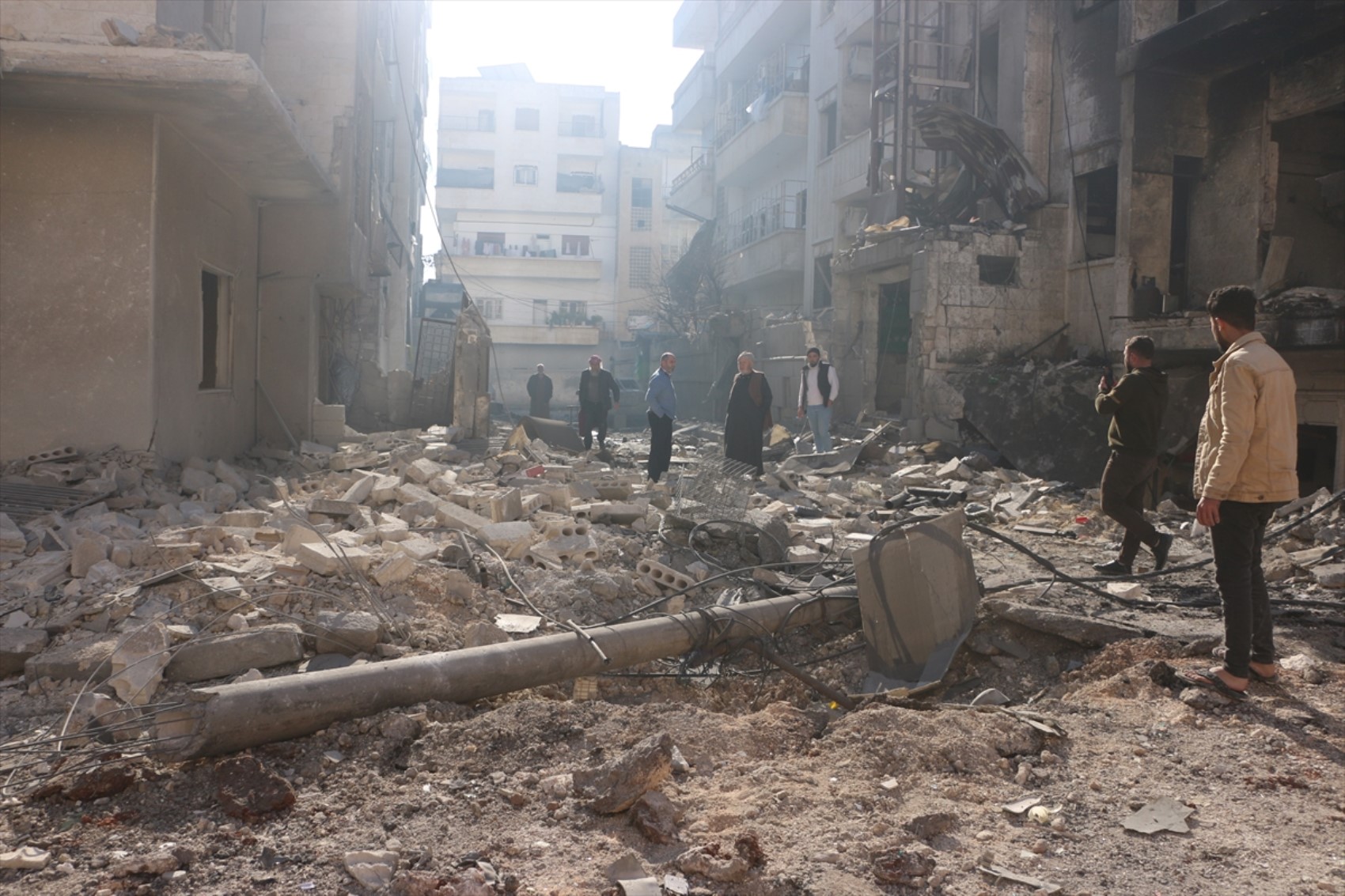
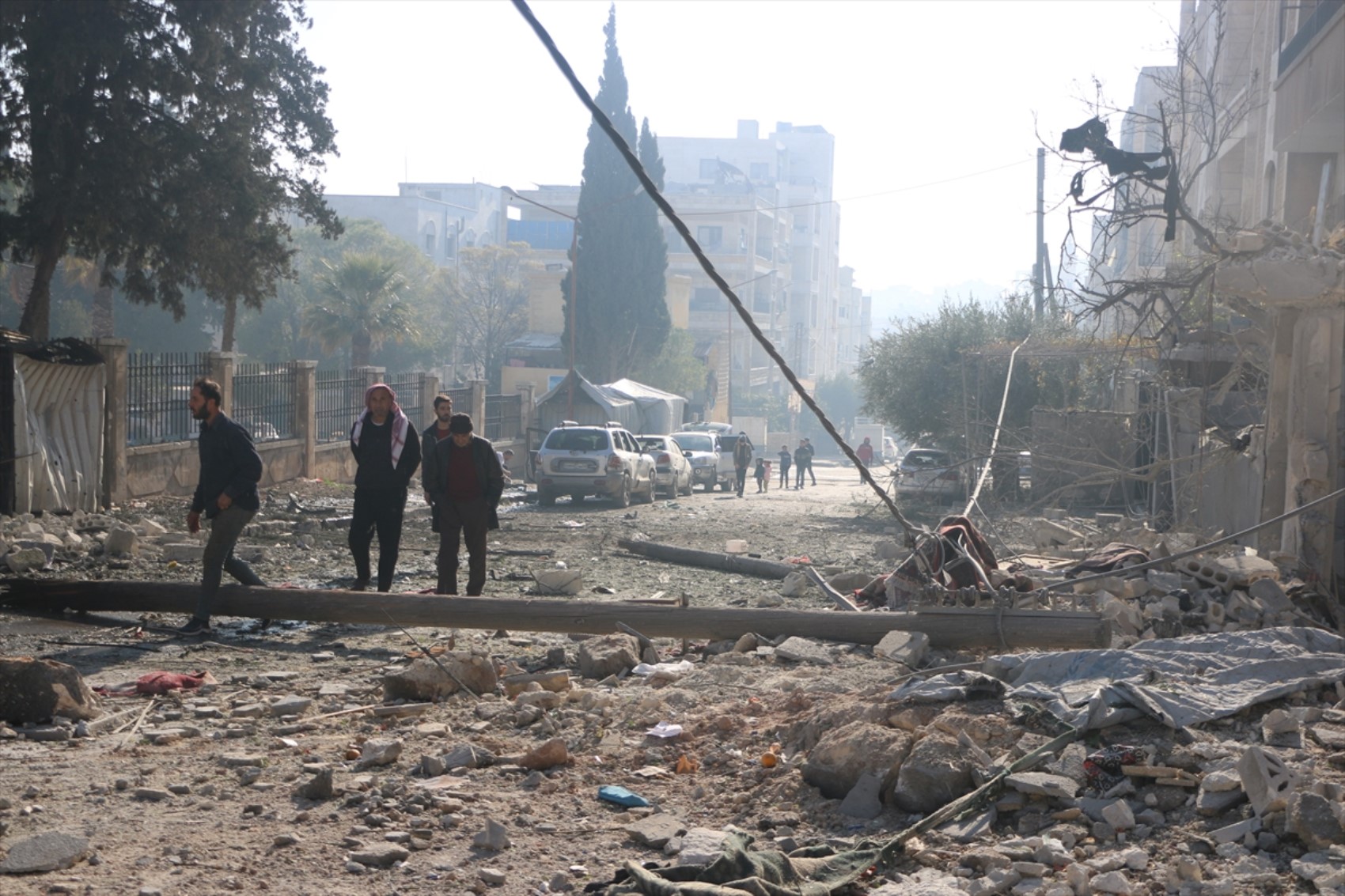
Another threat for Turkey is Russia. Due to the end of the ceasefire and the reignition of the war, Russian planes could restart the classic cycle of aerial bombardment and civilian massacres in Syria. This could make the region, where living conditions are already difficult, even worse and further increase the migration towards Turkey that is already continuing little by little; this could create serious pressure on Turkey.
News Source : 12punto
Most Read

Striking picture for Özgür Özel's 'New Party'

The PKK opening and Özgür Özel’s path!..

How did the newspapers view Özgür Özel's farewell to the CHP?

He killed his wife by slitting her throat: Their children witnessed the moments

What did the CHP do?

Özel’s new party move in the world press

The New CHP, against CEHAPE

Fire at TUSAŞ engine factory in Eskişehir under control

From self-efficacy to despair

Kılıçdaroğlu's first message on Özgür Özel's new party announcement