

What measures are countries taking against the problem of overtourism?
The rising number of tourists in Europe is putting popular destinations in a difficult position. This issue, known as "overtourism"—which occurs when a region receives more visitors than its capacity—has emerged post-pandemic, leading to various protests and measures.



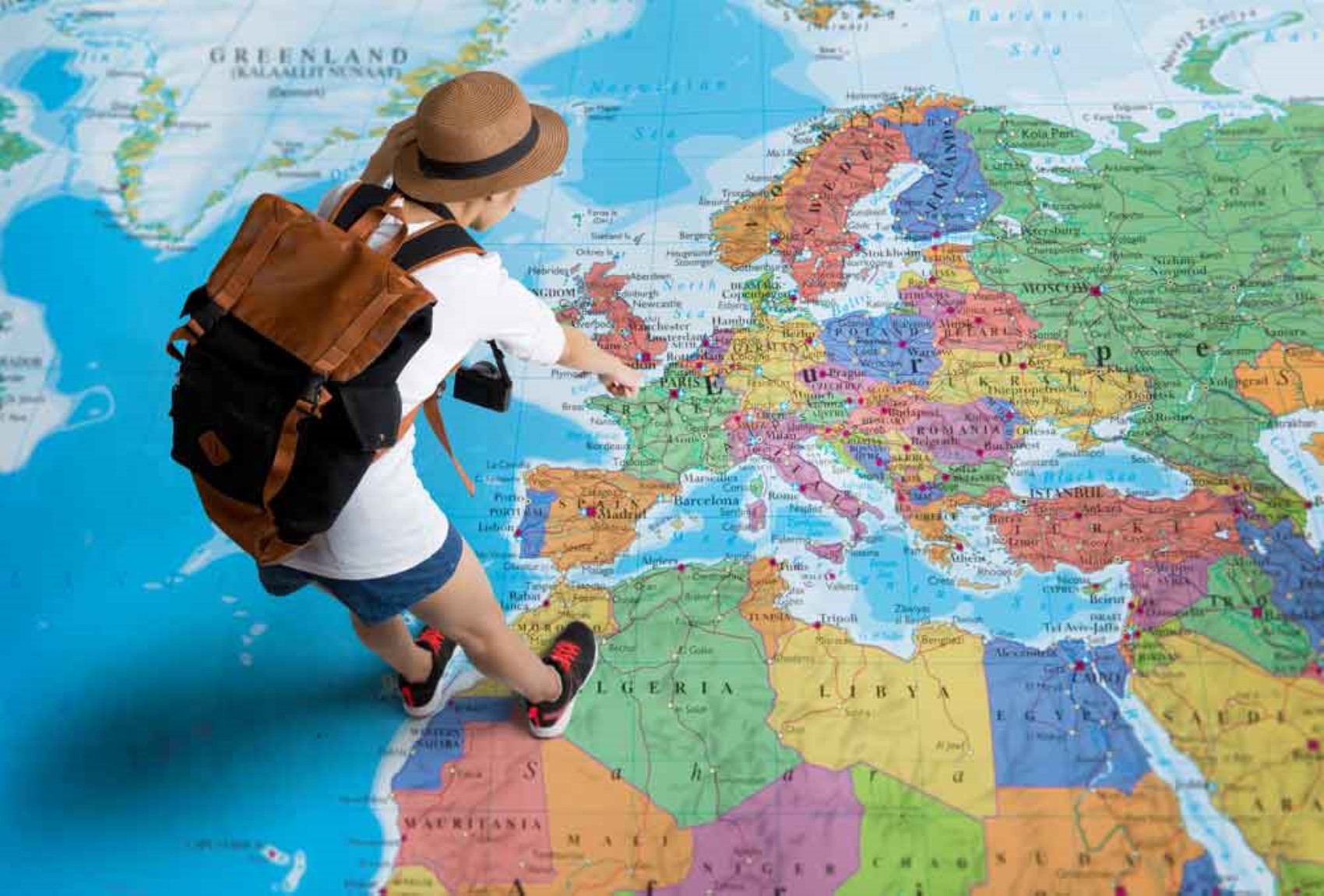
The rising number of tourists in Europe is putting popular destinations in a difficult position. This issue, known as "overtourism"—which emerges when a region receives more visitors than its capacity—has led to various protests and measures following the pandemic.

'Overtourism,' a term we have heard frequently, especially since the pandemic, refers to a destination receiving more visitors than its capacity at certain times or exceeding its carrying capacity.
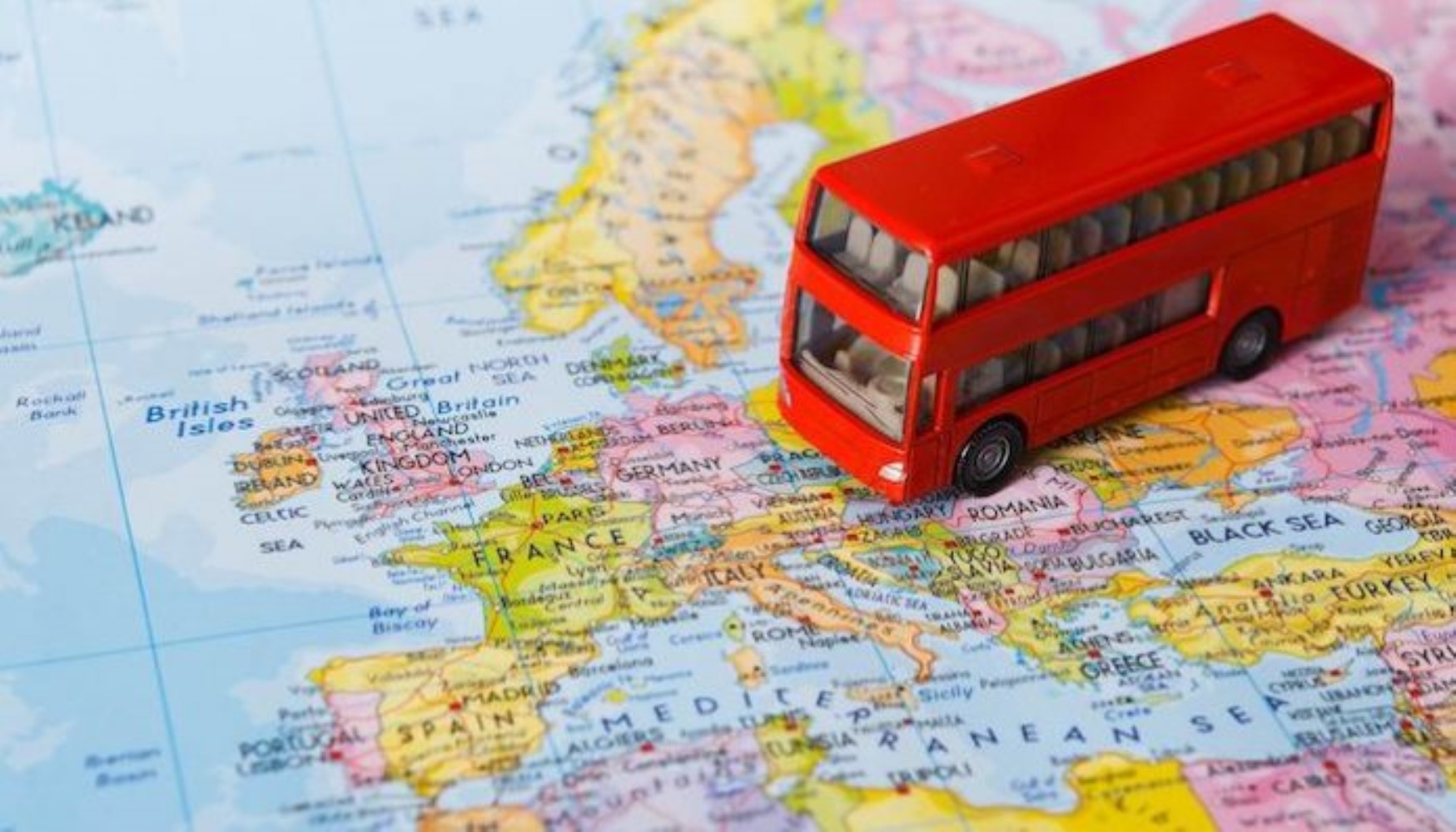
Europe's most popular tourist destinations, such as Barcelona and Venice, have recently been in the spotlight due to measures taken against tourism. Many other cities suffering from overtourism are also preparing to take action.
Barcelona Mayor Jaume Collboni announced that rents have increased by 68 percent over the last 10 years.
It was observed that similar increases had occurred in other European cities as well. Local residents, meanwhile, sprayed visitors in Barcelona's city center with water pistols on July 6, an incident that drew international attention.

In the Spanish city of Mallorca, participants of the 'Occupem Les Nostres Platges' (Occupy Our Beaches) movement gathered in the Balneario area of a beach in Palma, calling for solutions to problems such as the inadequacy of public services and rising housing costs caused by overtourism.

Residents of the Austrian town of Hallstatt had blocked the tunnel in the region to traffic to protest 'overtourism.' Demanding a limit on the number of daily tourists due to noise pollution and traffic, the public carried banners reading "Radical limits for mass tourism," "World culture is ending," and "Yes to tourism, No to mass tourism."
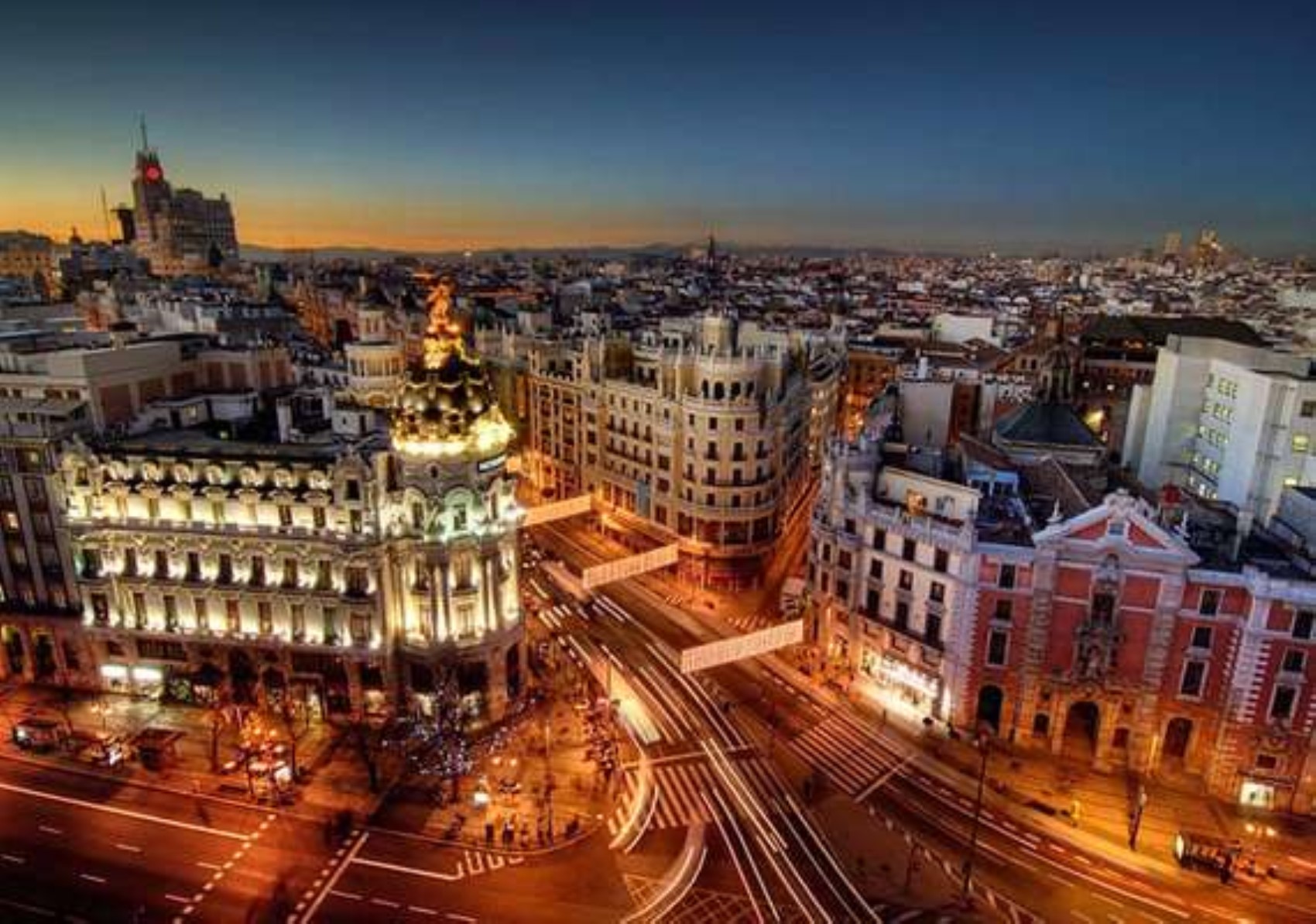
SPAIN
Following complaints from local residents in Barcelona, measures were taken against illegal accommodations. The city had introduced restrictions on short-term rental services.
An additional tax is being requested from tourists in the city, with the aim of using the revenue to strengthen urban infrastructure and invest in sustainable tourism projects. The regulation, implemented to help control the number of visitors, increased the tourist tax by €0.50 per night.
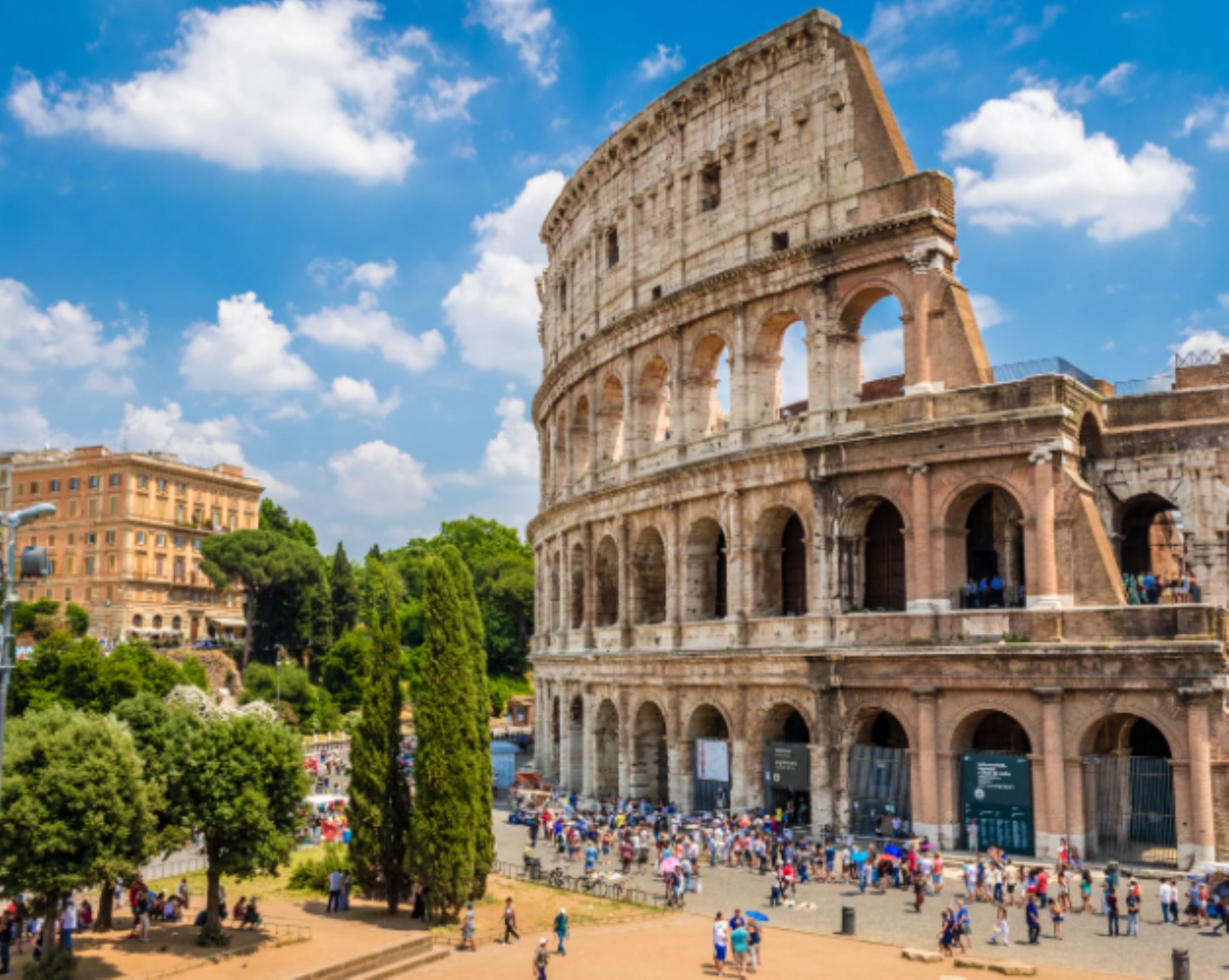
ITALY
The number of international tourists visiting Venice increased significantly in 2023, reaching approximately 4.9 million. Following this, as of 2024, Venice began implementing an entry fee for the city center.
This new regulation aims to keep the number of tourists under control, especially during peak seasons, and to protect local infrastructure. The entry fee in the city is applied as 6 euros on weekdays, and 8-10 euros on busier days.
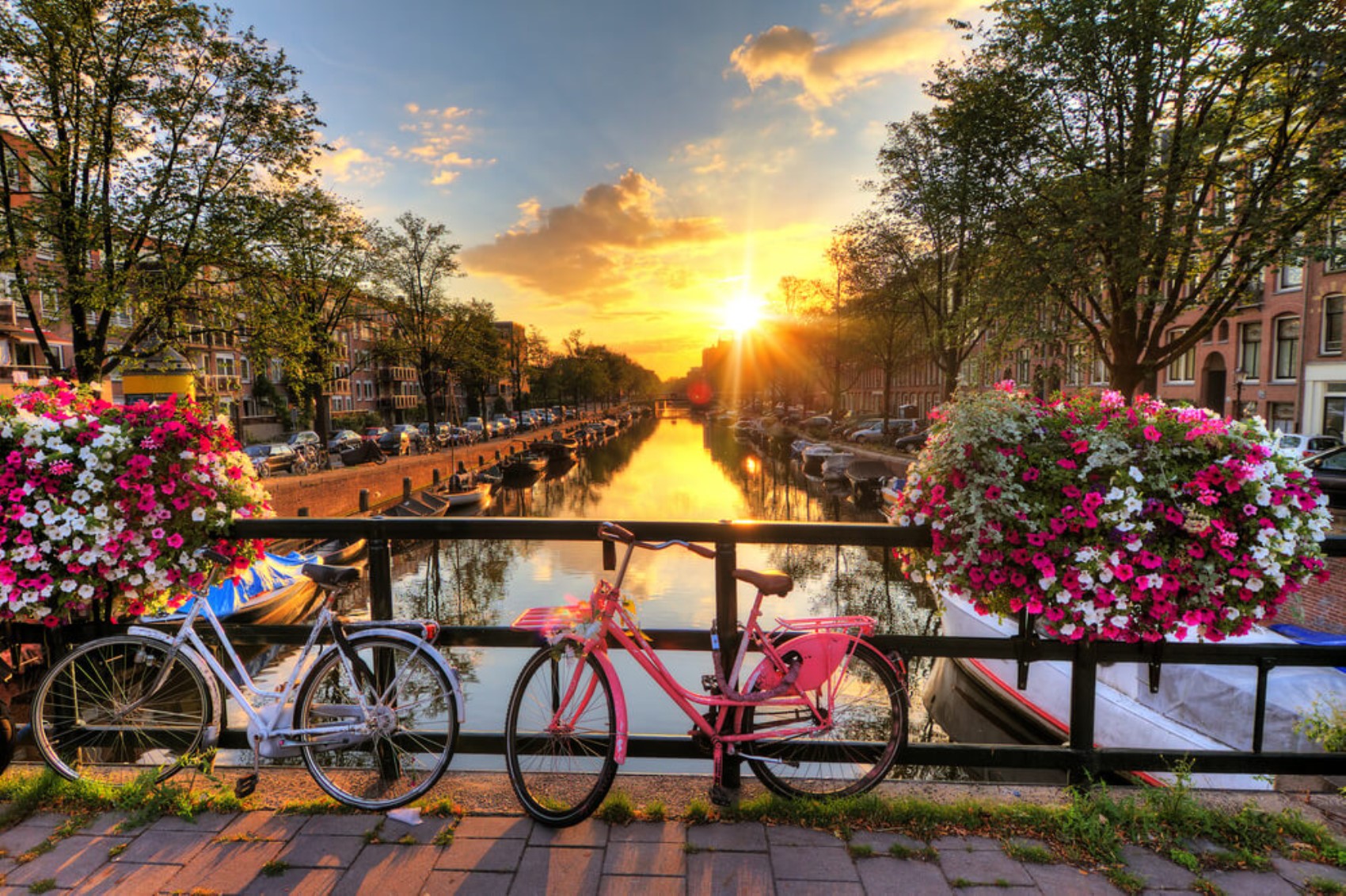
NETHERLANDS
Amsterdam, the capital of the Netherlands, is introducing new restrictions against overtourism. Planning to limit the annual number of cruise ships to 100 and move the terminal outside the city, Amsterdam aims to reduce the environmental impact of the vessels.
While 190 ships are currently permitted to dock at the Passenger Terminal Amsterdam, a maximum of 100 ships will be accepted starting in 2026. Even if passengers are not dropped off in the city center, they will still be able to continue their visits thanks to the public transportation system.
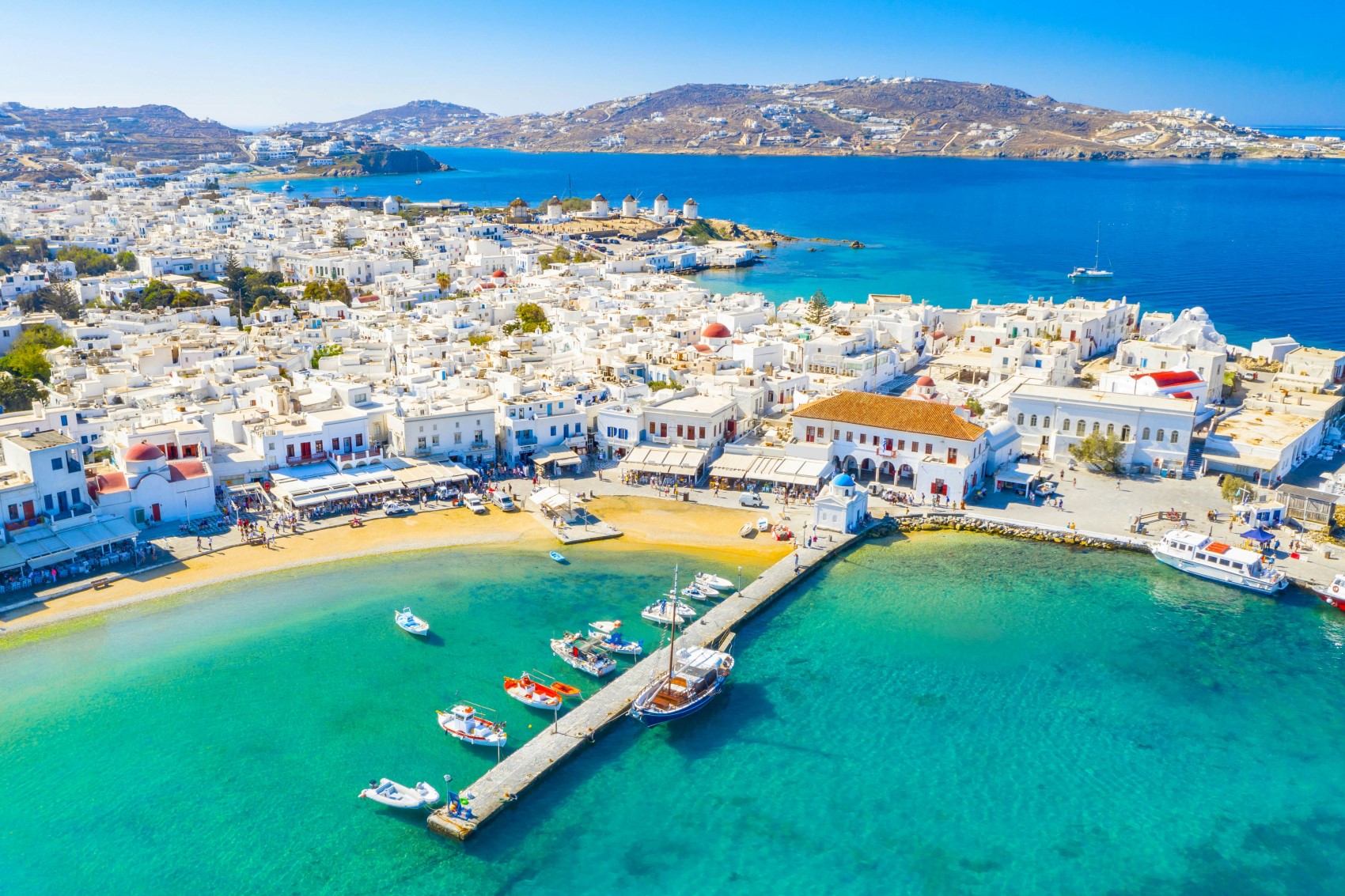
GREECE
Greek Prime Minister Mitsotakis stated that restrictions will be imposed on cruise ships. In 2023, Santorini hosted approximately 1.3 million cruise passengers. The new policy, expected to come into effect by 2025, aims to reduce the number of passengers.
It was stated that the primary goal of the policy to be implemented is to balance the economic benefits of tourism with the demands of the local population and the need to protect the environment.
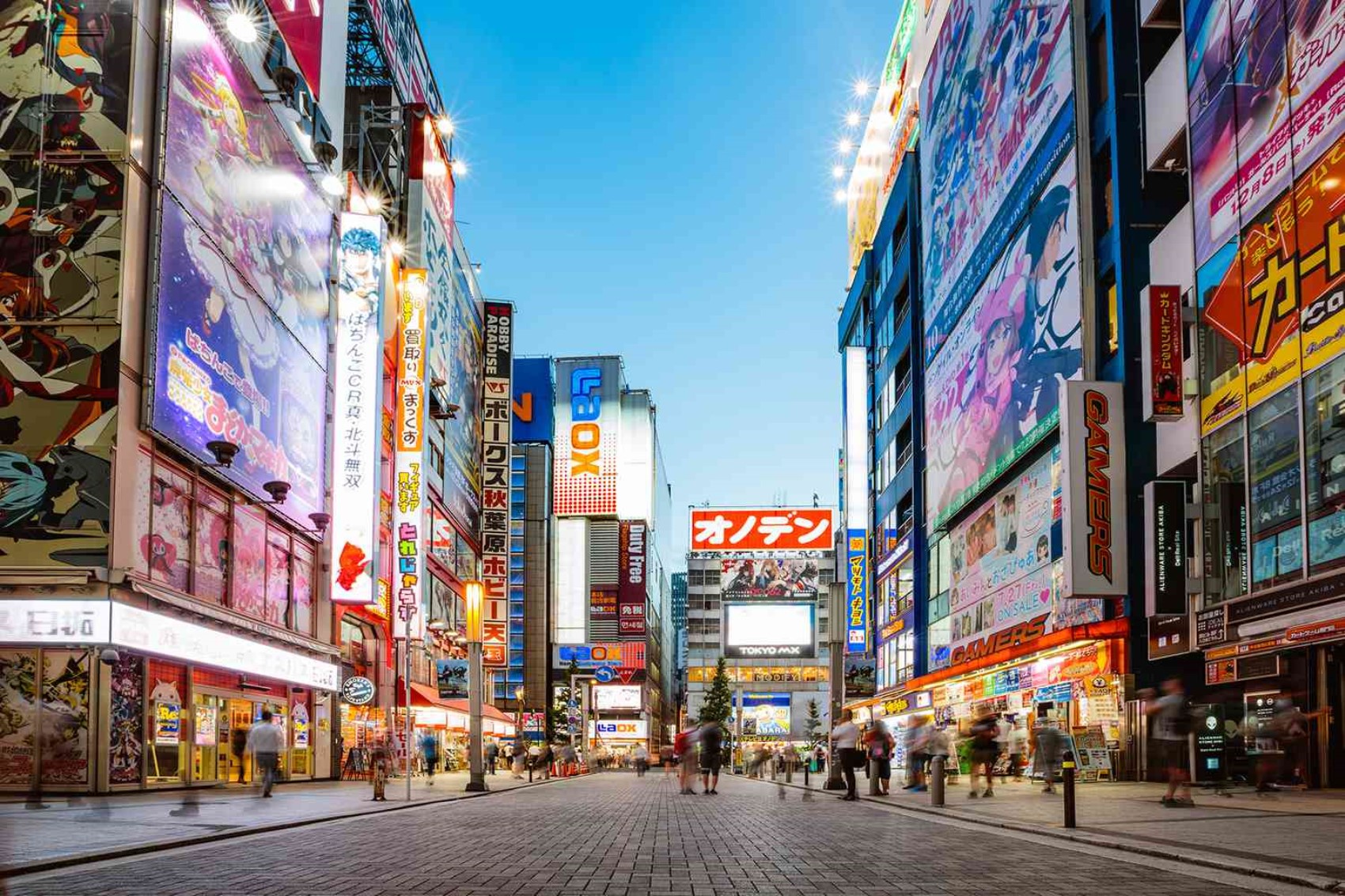
JAPAN
Japan lifted its pandemic-era travel restrictions in the autumn of 2022. In the first half of 2024, the number of tourists broke records, exceeding 17 million. Businesses have begun testing various practices to mitigate the effects of 'overtourism'.
Restaurants in the country have turned to dynamic pricing models that vary based on the customer. Meanwhile, a screen was erected at a popular photo spot overlooking Mount Fuji, Japan's highest peak, following complaints caused by the influx of foreign tourists.
News Source : 12punto
Most Read

Striking picture for Özgür Özel's 'New Party'

The PKK opening and Özgür Özel’s path!..

How did the newspapers view Özgür Özel's farewell to the CHP?

He killed his wife by slitting her throat: Their children witnessed the moments

What did the CHP do?

Özel’s new party move in the world press

The New CHP, against CEHAPE

Fire at TUSAŞ engine factory in Eskişehir under control

From self-efficacy to despair

Kılıçdaroğlu's first message on Özgür Özel's new party announcement