

Iran's new defense move: 'Porcupine strategy' against the US
As the Tehran administration prepares for potential US attacks, it has begun to radically change its military strategy, prioritizing flexibility and decentralized structures in its defense. This approach has led to a reassessment of military plans in Washington.



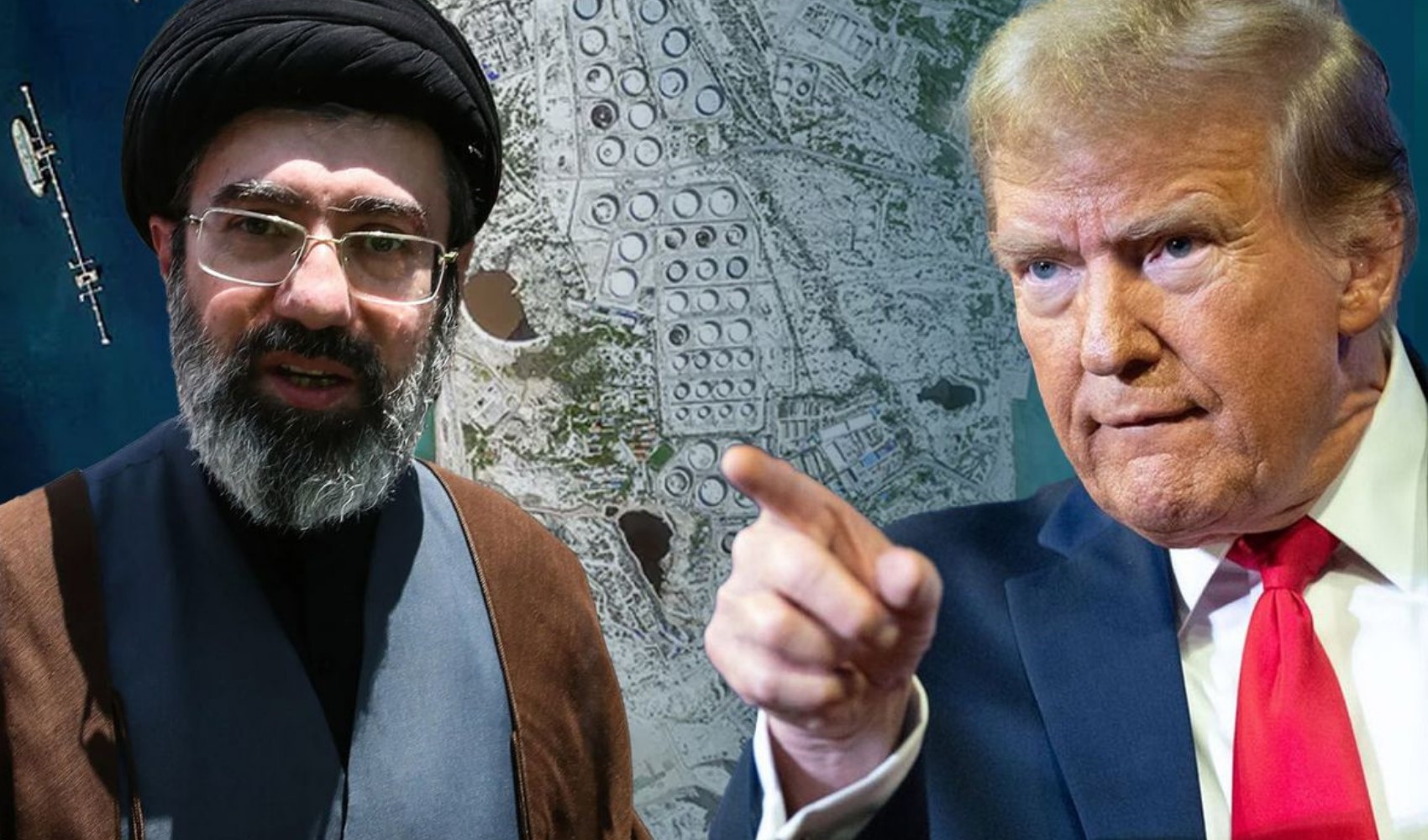
The US Department of Defense has updated its list of military targets to be used in potential military operations against Iran. While the possibility of President Donald Trump making a decision for a comprehensive operation is being discussed, officials emphasize that Iran has recently made significant changes to its defense system. Pentagon officials state that new intervention scenarios will face a much more complex picture than the first wave of attacks.
The Iranian military has moved its critical targets underground to protect its military potential, while making them harder to detect by dispersing its forces over a wide and mobile area. At the center of these changes are camouflage, high maneuverability, and the autonomous deployment of small units.
IRAN'S "PORCUPINE STRATEGY" COMES TO THE FORE
According to American military analysts, Iran has recently strengthened its defense framework with a new doctrine called the "porcupine strategy." In this approach, Iran prefers a defense that forces the enemy to suffer heavy losses rather than an aggressive structure. In this context, Shahab, Sejjil, and Khorramshahr-type mobile ballistic missile systems stand out on Washington's target lists. Additionally, fast-attack boats and anti-ship missile batteries are also considered part of Iran's asymmetric power projection.
CRITICAL STRATEGIC BALANCE IN THE STRAIT OF HORMUZ
Eyes are once again turned to the Strait of Hormuz amid rising tensions between the US and Iran. While approximately 20 percent of global energy traffic passes through this narrow waterway, Iran maintains its deterrent power, which could jeopardize maritime traffic in the strait even after an initial attack, by transforming its military capacity into a flexible structure.
In Washington, the current administration is debating two different roadmaps. While diplomatic efforts to restore regional security continue on one hand, it is suggested that military, political, and diplomatic risks must be evaluated in a delicate balance on the other. Whether the US will resort to a large-scale attack again will depend on the balance between these factors.
News Source: 12punto
Most Read

Striking picture for Özgür Özel's 'New Party'

The PKK opening and Özgür Özel’s path!..

How did the newspapers view Özgür Özel's farewell to the CHP?

He killed his wife by slitting her throat: Their children witnessed the moments

What did the CHP do?

Özel’s new party move in the world press

The New CHP, against CEHAPE

Fire at TUSAŞ engine factory in Eskişehir under control

From self-efficacy to despair

Kılıçdaroğlu's first message on Özgür Özel's new party announcement