

Safest countries in a potential global war revealed: Turkey's role draws attention
Following analyses conducted amidst rising global tensions, five countries considered the safest in the event of a global war have been ranked. The reasons why Turkey is not among these countries, which experts identified based on criteria such as geographical isolation and social resilience, have also been revealed.



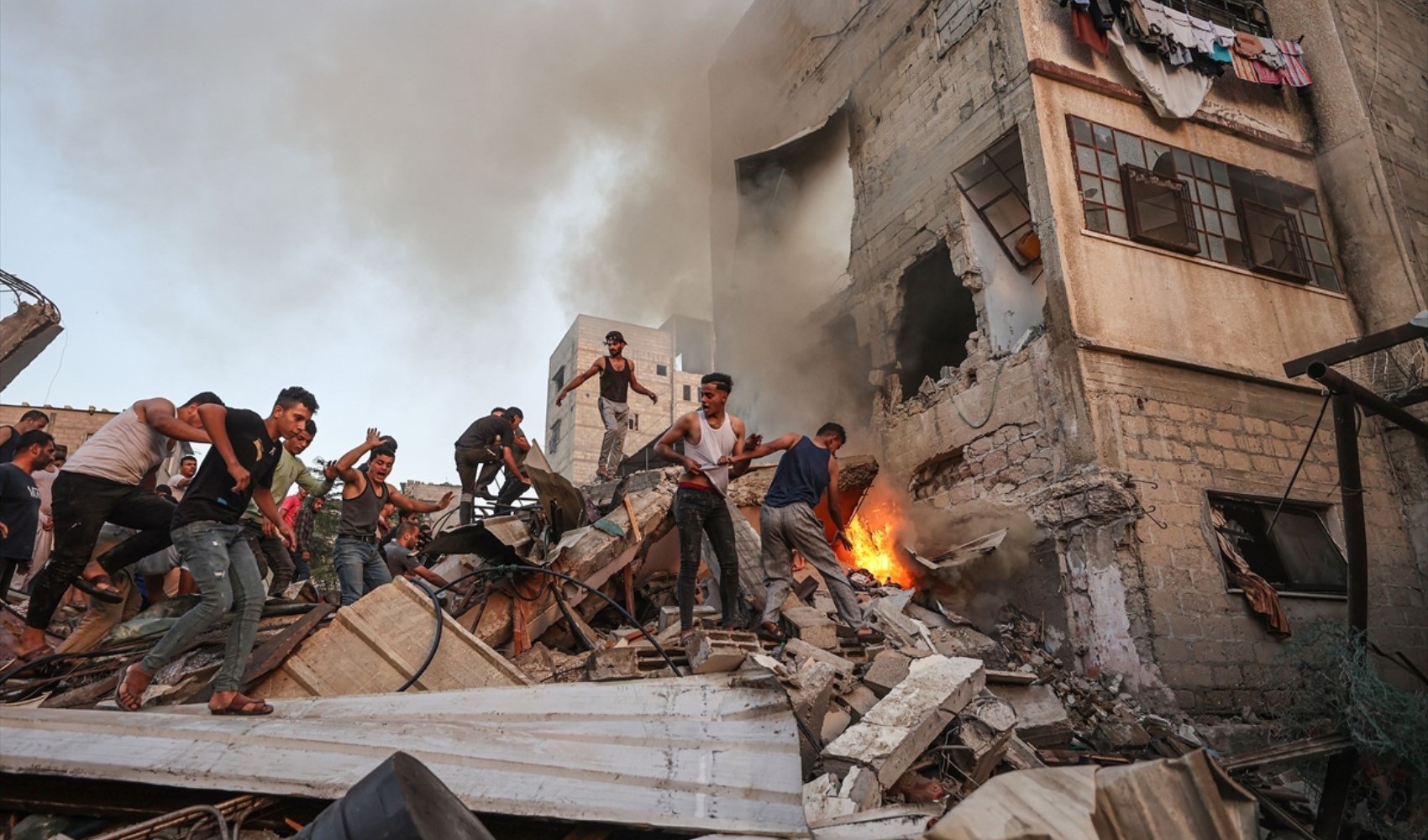
With the intensification of geopolitical crises and regional conflicts, strategic analysts have evaluated which countries might be at lower risk in a global war. While experts emphasize that no country is completely safe given the current reach of modern warfare technology, they have categorized the advantages and disadvantages of different nations.
In current war strategies, it is no longer just classic military fronts that play a role, but also long-range missiles, cyberattacks, and economic sanctions. For this reason, it is stated that the effects of a potential conflict will not be limited to hot zones; they are expected to threaten many areas, from financial systems and energy pipelines to food supply chains and digital infrastructure.
As a result of research conducted by various global analysis centers, five safe countries have emerged where natural isolation, self-sufficiency, and social resilience stand out:
New Zealand topped the list due to its hard-to-reach location in the South Pacific and its own food production capacity.
Iceland is noted for its advantage of being far from continental conflicts and providing almost all of its energy needs from renewable sources. Switzerland, in the heart of Europe, was counted among the safe countries due to its policy of neutrality, protected geography, and advanced civil defense systems. Chile and Argentina stood out for being in the Southern Hemisphere and possessing rich agricultural resources.
TURKEY'S STRATEGIC POSITION
Following the announcement of the list, the question of why Turkey was not among these countries was frequently asked. Experts stated that Turkey's location in a geopolitically strategic region creates both advantages and disadvantages. Due to being at the intersection of energy routes and its geographical proximity to global conflict zones, Turkey was evaluated as a potential target and a decisive actor rather than an isolated safe zone.
Experts also pointed out that in times of crisis, social cohesion and infrastructure capacity are more decisive for a country's resilience than geographical location. The health of public institutions, social harmony, and domestic production capabilities developed to meet basic needs significantly affect the resilience level of every country. It is also emphasized that Turkey has strong advantages in this area, but it is not included in the "safest countries" ranking due to the weight of risk factors.
In conclusion, in the face of global threats, the level of preparedness and infrastructure capacity of societies are as important as geographical advantages.
News Source: 12punto
Most Read

Striking picture for Özgür Özel's 'New Party'

The PKK opening and Özgür Özel’s path!..

How did the newspapers view Özgür Özel's farewell to the CHP?

He killed his wife by slitting her throat: Their children witnessed the moments

What did the CHP do?

Özel’s new party move in the world press

The New CHP, against CEHAPE

Fire at TUSAŞ engine factory in Eskişehir under control

From self-efficacy to despair

Kılıçdaroğlu's first message on Özgür Özel's new party announcement