

Tehran's strategic reserves have fallen to critical levels
The halt in exports due to the US blockade in the Strait of Hormuz has caused Iran's oil reserves to fill up rapidly; extraordinary alternatives are on the agenda to maintain production in the country.



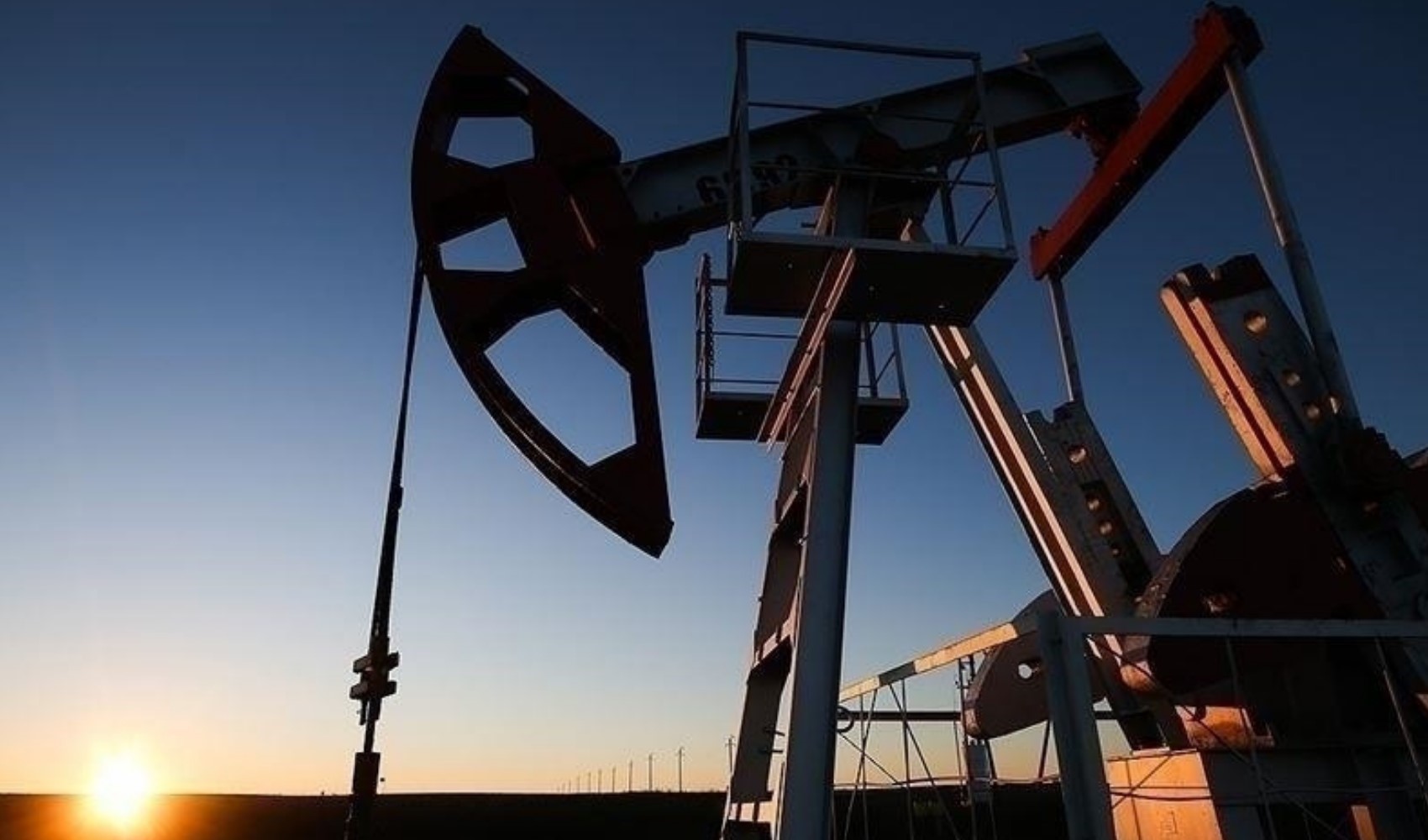
Following the blockade imposed by the United States in the Strait of Hormuz, Iran's crude oil exports have been largely disrupted. With tanker traffic coming to a standstill, the Tehran administration is facing the risk of its storage capacities being exhausted in a short time and is taking new measures to maintain production.
Since the accumulation of oil in the wells increases the risk of infrastructure damage, Iran has reactivated previously idle storage facilities and unused tankers. According to information obtained from energy sector sources, the state has begun using old silos and tanker ships for emergency storage. However, these facilities are also expected to be filled within a short time.
Energy analysts state that the time until Iran's storage capacity is exhausted is less than two weeks. Some estimates even predict that current storage areas will reach full capacity within just a few days. It is noted that oil remaining underground could lead to the closure of wells and make restarting production costly.
Alternative methods are on the agenda to prevent disruptions in production. Tehran plans to ship crude oil directly to China by rail. Authorities have also reopened old storage areas in strategic southern regions such as Ahvaz and Asaluyeh. However, experts warn that transport by road and rail will be costly and slow compared to maritime transport. It remains unclear how Chinese refineries will approach this method.
The uncontrolled increase in the amount of oil in the wells could lead to the complete closure of the wells, and it is stated that the cost of bringing each well back into production could be up to 200 thousand dollars. Furthermore, it is emphasized that such disruptions are expected to cause permanent damage in low-pressure oil fields.
According to data, due to the crisis in the Strait of Hormuz, Iran's daily oil loading dropped from 2.1 million barrels at the beginning of April to 567 thousand barrels by the middle of the month. This decline has affected not only regional but also global energy markets. On Monday, the price of a barrel of Brent crude rose by 3 percent to 108 dollars, putting pressure on international markets. As fuel and jet fuel costs rise, the cost burden on consumers and the business world has increased further.
Iran's current storage capacity is estimated at approximately 95 million barrels. However, it is noted that due to technical and operational limitations, this capacity cannot be fully utilized and safe limits must be observed. This makes it imperative for the country to produce quick and permanent solutions to emerge from the current crisis.
News Source: 12punto
Most Read

Striking picture for Özgür Özel's 'New Party'

Özgür Özel gives a dated response regarding the number of resignations

Forest fire in Antalya brought under control

The PKK opening and Özgür Özel’s path!..

How did the newspapers view Özgür Özel's farewell to the CHP?

He killed his wife by slitting her throat: Their children witnessed the moments

What did the CHP do?

Özel’s new party move in the world press

The New CHP, against CEHAPE

From self-efficacy to despair