

Unresolved issues in Iran-US talks: Strait of Hormuz, Lebanon, and the fate of the 300 billion dollar fund
Although the draft agreement reportedly reached between Iran and the US envisions significant developments in the economic and security spheres, critical issues such as ending the Israeli military presence in Lebanon, creating resources for Iran's reconstruction, and the status of the Strait of Hormuz remain unclear.



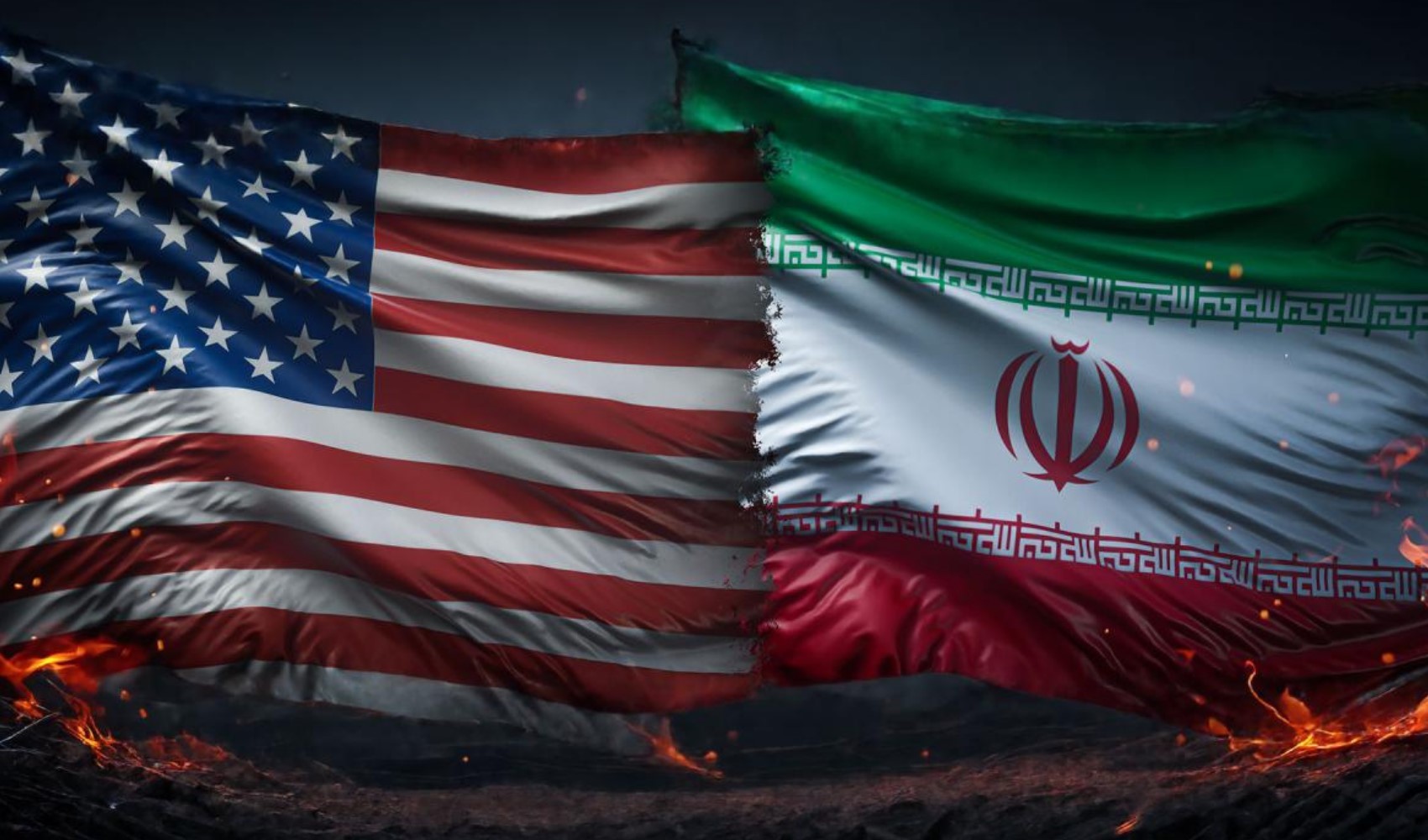
The draft agreement that has emerged from the negotiations between Iran and the US signals that the parties have made significant progress, yet it is reported that some key issues remain a mystery. The draft, which opens the door for Iran to gain economic advantages, contains serious uncertainties regarding points related to regional security.
Although the draft, which is claimed to contain significant steps in favor of Iran in the economic field, was prepared as a solution against the presence of Israeli troops in Lebanon, how this arrangement will be implemented on the ground remains controversial. Furthermore, where and how the massive 300 billion dollar fund that will contribute to Iran's reconstruction will be provided is not clearly set out in the draft.
It is noted that no clear mechanism has been established in the negotiations regarding the future status of the Strait of Hormuz, which creates question marks about how this will affect the balance in the region.
In the document, the US commits to lifting all economic sanctions imposed on Iran. Within this framework, restrictions based on the decisions of the United Nations Security Council and the International Atomic Energy Agency, as well as US primary and secondary sanctions, will be lifted.
Additionally, it is stated that with the entry into force of the agreement, the US Department of the Treasury plans to exempt Iran's oil, petrochemical, and related financial transactions. At this point, Iran's frozen assets will be released and the authority to use them will be granted to the Central Bank of Iran.
One of the most striking parts of the document is the fund of at least 300 billion dollars, which is stated to be created for Iran's economic development. Although it is stated that the US and its regional partners will contribute to the creation of this fund, details regarding the source of the money are not included in the draft. It has not been finalized whether the fund will be provided directly by the US, Gulf countries, or international organizations. Furthermore, the method regarding whether the fund will be a grant, a loan, or an investment has not been explained. Qatari Foreign Ministry Spokesperson Majed Al-Ansari stated that no payment has been made from Qatar in this context.
In the draft agreement, Iran's commitment not to develop nuclear weapons stands out as an important gain for Washington. However, there is no declaration that Iran will completely abandon its uranium enrichment capacity or close its facilities. Until the agreement is finalized, Iran will maintain the level of its current nuclear activities; the US will also not take any new sanction steps.
THE ISSUE OF LEBANON AND ISRAELI MILITARY PRESENCE REMAINS UNCLEAR
Iranian Foreign Minister Abbas Araghchi announced that the negotiations include the goal of ending the Israeli occupation in Lebanon. However, there is no explicit reference to this issue in the draft reflected in Bloomberg. There is only a statement that with the signing of the agreement, the war will end on all fronts of the Iran-US conflict. For this reason, a border or status arrangement regarding Israel's complete withdrawal from Lebanon is not clearly explained in the text. The Israeli side also announced that they have no plans to withdraw the army from the south of the country.
MARITIME TRAFFIC AND THE WITHDRAWAL OF US FORCES FROM THE REGION
The agreement includes steps such as lifting the US naval blockade on Iran and returning Iranian merchant ships to pre-war order. In return, Iran will take responsibility for the normalization of commercial traffic in the Strait of Hormuz and the Gulf of Oman. However, it is not clear whether the Strait of Hormuz will return to its former status.
Regarding the operation of US military elements in the region, it is planned that American soldiers will withdraw within 30 days after the final version of the agreement. However, it is not clearly stated which units and which regions this will cover.
The parties aim to reach a conclusion within 60 days after the official signing ceremony. It is also emphasized that this period may be extended. A decision by the United Nations Security Council has been made a condition for the agreement to be valid under international law.
Despite everything, Iran and the US have not yet officially shared the text on which consensus has been reached with the public. Nevertheless, it is stated that the details will be announced before the ceremony to be held in Switzerland on June 19.
News Source: 12punto
Most Read

Striking picture for Özgür Özel's 'New Party'

The PKK opening and Özgür Özel’s path!..

How did the newspapers view Özgür Özel's farewell to the CHP?

He killed his wife by slitting her throat: Their children witnessed the moments

What did the CHP do?

Özel’s new party move in the world press

Fire at TUSAŞ engine factory in Eskişehir under control

The New CHP, against CEHAPE

From self-efficacy to despair

Kılıçdaroğlu's first message on Özgür Özel's new party announcement