

US and Ukraine agree on ceasefire: What will Russia's response be? Russian experts point to 'that' obstacle
Russia's response to the US proposal for a 30-day ceasefire in Ukraine has sparked debate. Russian officials noted that any agreement must take Moscow's security concerns into account and consider Russia's progress on the ground.



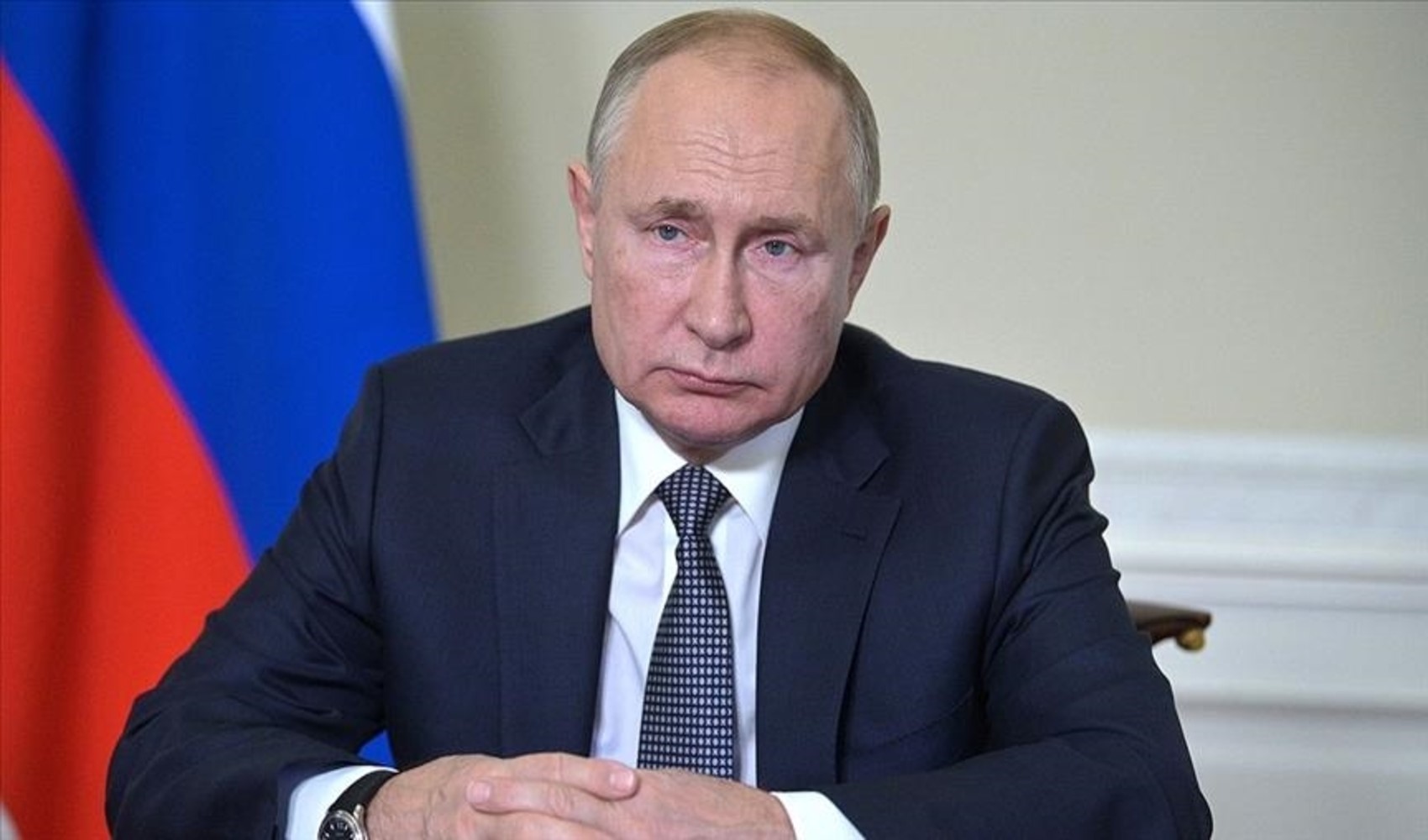
Compiled by: Suat TEKİN - 12punto.com.tr
While Russia has taken control of approximately 20 percent of Ukrainian territory, it has launched a large-scale offensive in the Kursk region occupied by Ukraine. As thousands of Ukrainian soldiers face the danger of encirclement, it has been reported that Ukraine and the US have reached an agreement for a 30-day ceasefire following 8 hours of negotiations. Following the Kiev administration's acceptance of the ceasefire, different views have been expressed regarding how Russia will respond to the proposal. Although Western sources claim that the Kremlin is warm to the offer, Russian experts and media outlets have warned that a ceasefire could do more harm than good for Russia. According to Russian political scientists, the fact that Russia 'cannot receive definitive guarantees' regarding long-term peace poses an obstacle to the ceasefire.
Russian President Vladimir Putin emphasized that for the war to end, Ukraine must officially renounce NATO membership. Putin demanded that the annexed Ukrainian regions be recognized as Russian territory. Russian officials emphasized that the Donetsk, Zaporizhzhia, Kherson, and Luhansk regions are now part of their own territory and that there will be no step back from these regions. Ukraine, on the other hand, argued that these regions were illegally annexed and that it would never recognize Russian sovereignty.
US National Security Advisor Michael Waltz stated in his remarks following the meeting that the Ukrainian delegation 'shares Trump's vision for peace,' adding, 'Ukraine has shown a strong determination to end the war and the loss of life.'
According to Reuters, a senior Russian official stated that the ceasefire could only be evaluated if Russia receives certain guarantees. The official, speaking on condition of anonymity, pointed out that it is difficult for Putin to accept this proposal under current conditions, saying, 'Putin is in a strong position because Russia is making progress on the ground.'
Another Russian official described the US ceasefire proposal as a kind of 'trap.' According to the official, if Moscow accepts a ceasefire without concrete assurances and binding commitments, this could result in a disadvantage for Russia.
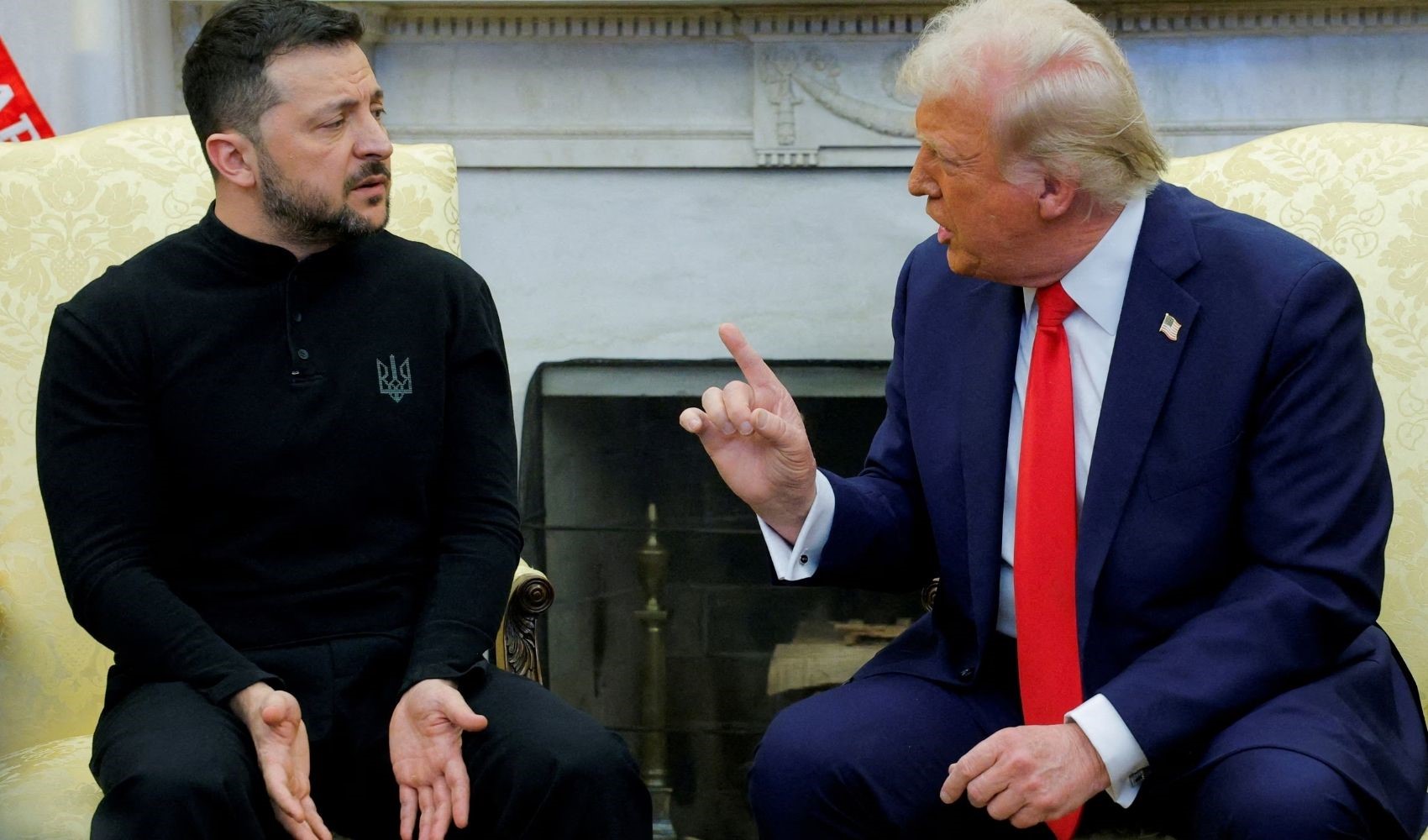
Ukrainian President Volodymyr Zelensky and US President Donald Trump fought during their meeting at the White House. The US withdrew its intelligence support for Ukraine following the argument between the two figures
PUTIN'S LONG-TERM PEACE DEMAND
Russian leader Putin previously stated in his remarks that short-term ceasefires are unacceptable. In a speech in December, Putin said, ''We do not need a temporary ceasefire, but a lasting peace that includes guarantees that will ensure Russia's security.''
Russian State Duma Deputy Viktor Sobolev stated that the US ceasefire proposal is 'meaningless,' and expressed the following:
''Russia will not accept a 30-day ceasefire because this would only allow Ukraine to regroup and rearm. A temporary ceasefire is unacceptable.''
US Secretary of State Marco Rubio announced that Ukraine is 'ready' for peace negotiations. However, Russian state media described this statement as 'naive.' Russian Foreign Minister Sergey Lavrov stated in his latest remarks that they would not accept the presence of NATO soldiers on Ukrainian soil under any capacity.
Konstantin Kosachev, Chairman of the International Affairs Committee of the Federation Council, the upper house of the Russian Parliament, stated that the peace process would depend on Moscow's conditions. Kosachev said, 'Real agreements are written on the battlefield. Washington must understand this too.'
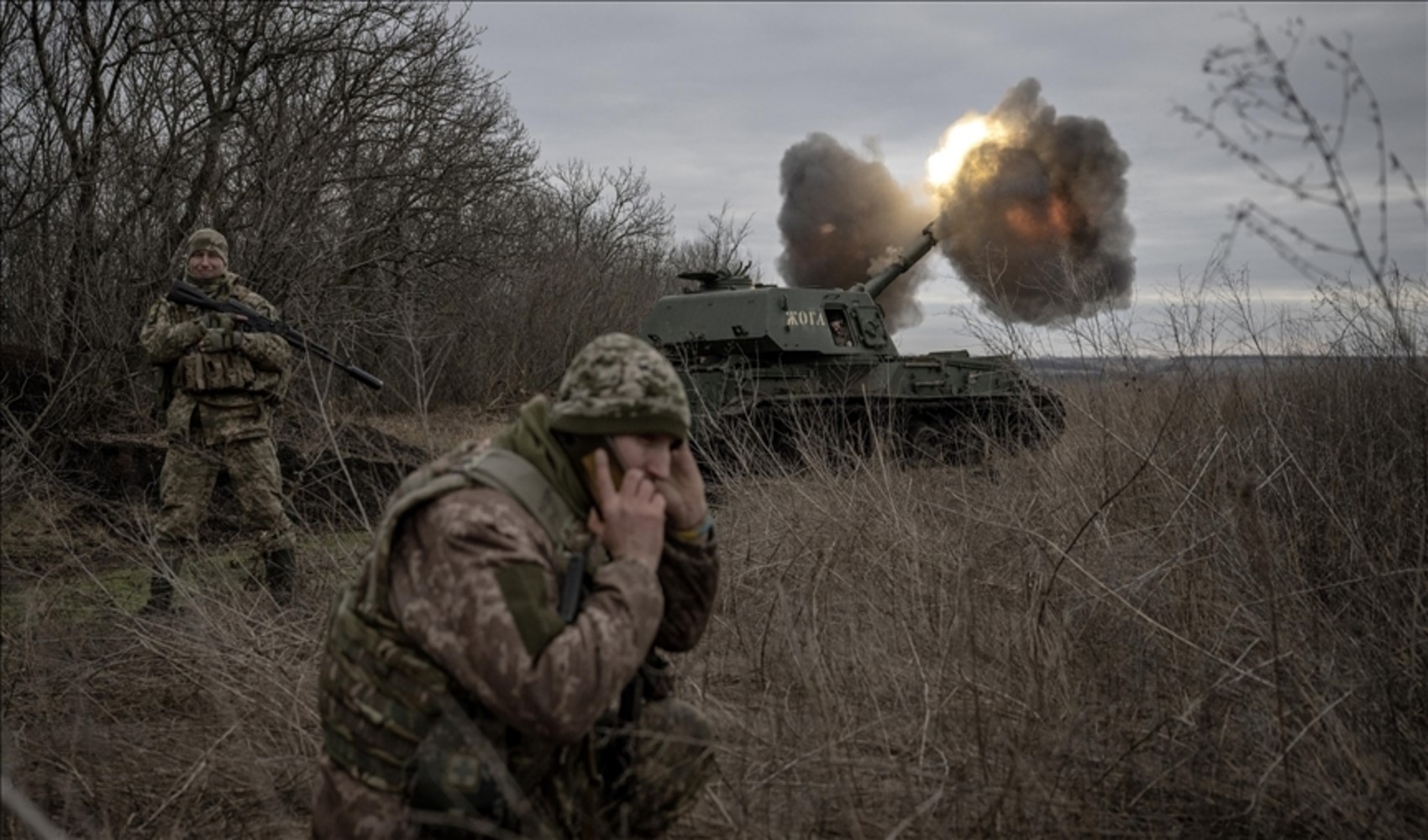
According to Trump's claim, at least 1.5 million people have lost their lives in the war so far. Russian and Ukrainian officials have not confirmed this claim
ATLANTIC COUNCIL: IT IS PUTIN'S TURN TO DECIDE
Peter Dickinson, Ukraine editor at the US think tank Atlantic Council, evaluated it as an important diplomatic step to end the largest conflict in Europe since World War II. In a joint statement released after the meetings held in Jeddah, it was stated that Ukraine is ready to accept the US proposal for a temporary ceasefire. Dickinson emphasized that this acceptance is conditional on Russia also accepting the ceasefire at the same time.
According to Dickinson, the US saw the ceasefire as a critical first step to prepare the ground for peace negotiations between Ukraine and Russia. Seeing the achievement of a comprehensive peace agreement as a distant possibility for now, Dickinson argued that this step taken by Ukraine could give momentum to the process.
Dickinson suggested that if Russia rejects the ceasefire, calls for the US and Europe to increase military support for Ukraine and impose new sanctions against Moscow would strengthen.
Noting to the Kremlin that this proposal is a critical opportunity to achieve peace, Rubio stated the following:
'We will present this offer to the Russians. We hope they will respond as well.'
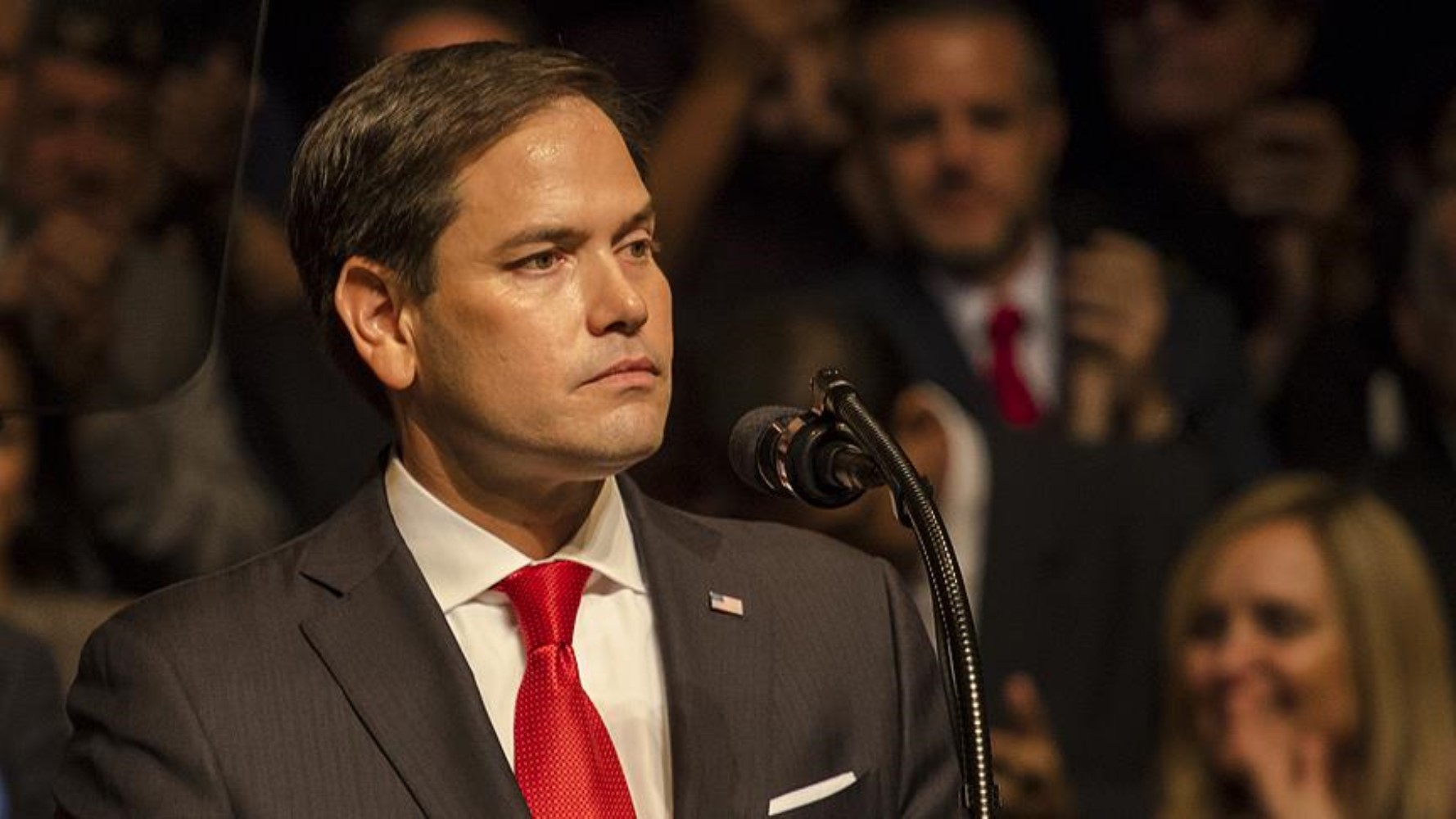
Rubio announced in a statement to the US media that he is 'hopeful' about the ceasefire
UKRAINE AND US AGREEMENT
At the meetings in Saudi Arabia, US officials also announced that they would lift restrictions on military aid and intelligence sharing with Ukraine. According to the Atlantic Council, this decision signaled a softening in Washington-Kiev relations following the tensions experienced between Trump and Ukrainian President Volodymyr Zelensky in recent weeks.
Stating that Russia's response is awaited after Ukraine announced its support for the peace initiative, Dickinson reported the following:
''Trump announced that he could speak directly with Putin in the coming days. If Putin rejects the temporary ceasefire proposal, the course of the war could change significantly, and Moscow could be seen as the biggest obstacle to the peace process.
''According to experts, this situation creates a dilemma for Putin. Although the Russian army is suffering heavy losses on the ground, it continues to advance. On the other hand, recent changes in US foreign policy have created a sense of confidence in Moscow that the international coalition supporting Ukraine is weakening. For this reason, the Kremlin is not expected to accept the ceasefire immediately. However, if Putin rejects Trump's initiative, he will also have to consider that plans to reshape relations with the US could be put at risk.''
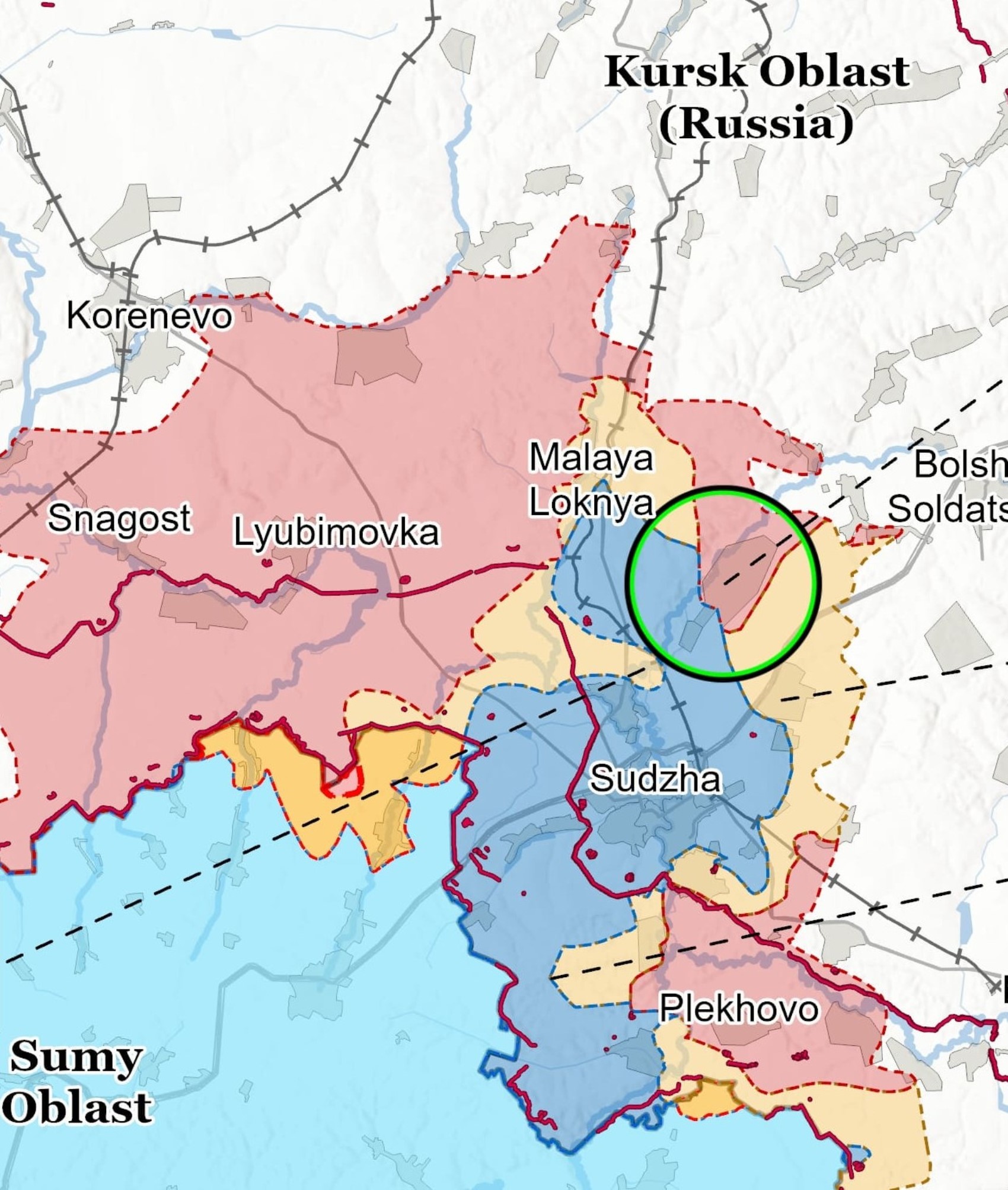
The latest situation on the Kursk front. The international war monitoring organization Institute for the Study of War (ISW) reported in its March 11 report that Ukrainian soldiers in Kursk are 'about to be encircled' Source: ISW
KARAGANOV: 'RUSSIA SHOULD NOT FALL INTO THE US TRAP'
Evaluating the US calls regarding nuclear disarmament, Russian political scientist and former Kremlin advisor Sergey Karaganov described these initiatives as a strategic deception. Karaganov argued that Moscow should maintain its nuclear deterrence policy, claiming that the West is not sincere in this regard.
Speaking to the Moscow newspaper MK, Karaganov suggested that the US wants the reduction of nuclear weapons to maintain its own military and economic superiority. He emphasized that the US is already in an advantageous position with its space systems, navy, and multi-purpose armed forces.
Stating that nuclear deterrence is of critical importance for Russia's security, Karaganov expressed the following:
''The US aims to weaken the relationship between the two countries by drawing Russia and China into nuclear weapons negotiations. Initially, they thought Russia would not use nuclear weapons. However, after the messages from Moscow, they changed their rhetoric and began to talk about the necessity of preventing the escalation of the war.''
Touching upon the changes made in Russia's military doctrine, Karaganov said that more importance has been given to nuclear deterrence recently and that this situation has led to a change in the West's policies. The Russian expert pointed out that the US initially thought Russia would not use nuclear weapons but abandoned this view after Moscow's signals.
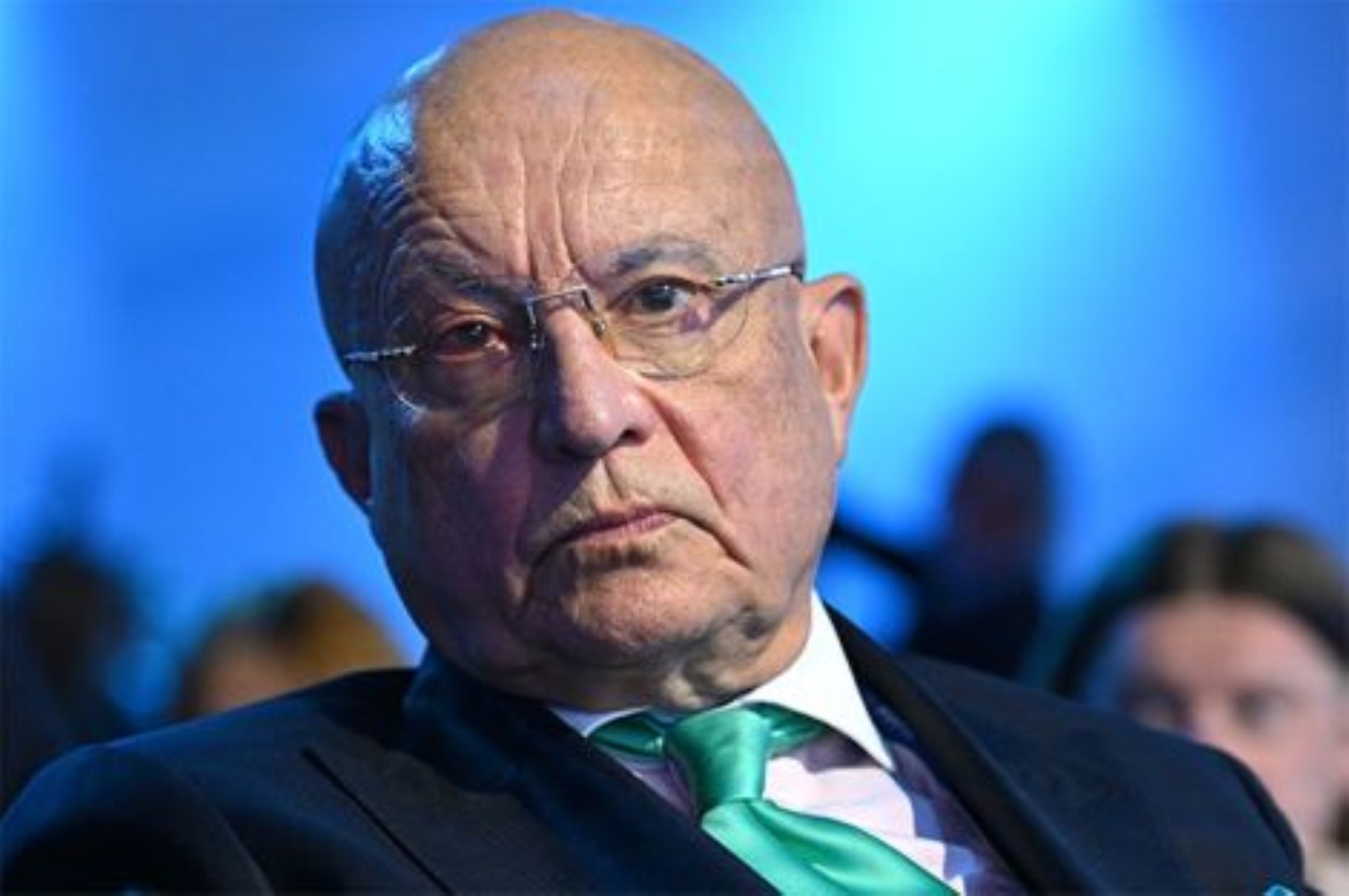
Russian political scientist Sergey Karaganov
''EUROPE'S NUCLEAR SHIELD IS NOT REALISTIC''
Touching upon French President Emmanuel Macron's idea of creating a 'nuclear umbrella' for Europe, Karaganov stated that he does not find this proposal realistic. Arguing that the US would not use nuclear weapons against Russia to defend Europe, Karaganov evaluated Macron's statements as 'rhetoric unworthy of a great country.'
Putin's former advisor argued that Western European countries should improve relations through diplomatic channels instead of a direct conflict with Russia. Stating that Europe's security can be ensured by cooperating with Russia, Karaganov said, 'Western European leaders must see the truth.'
Karaganov interpreted the US calls for nuclear disarmament as a repetition of the mistakes made by Mikhail Gorbachev, one of the last leaders of the Soviet Union. Suggesting that Trump aims to weaken Russia through negotiations, Karaganov emphasized that Moscow 'must be careful' against such proposals.
Stating that the West must respect Russia's security interests, Karaganov expressed that Moscow must maintain its deterrence against the aggressive policies pursued by NATO.
There has been no official statement from the Kremlin regarding the ceasefire yet.
News Source: 12punto
Most Read

Striking picture for Özgür Özel's 'New Party'

The PKK opening and Özgür Özel’s path!..

How did the newspapers view Özgür Özel's farewell to the CHP?

He killed his wife by slitting her throat: Their children witnessed the moments

What did the CHP do?

Özel’s new party move in the world press

The New CHP, against CEHAPE

Fire at TUSAŞ engine factory in Eskişehir under control

From self-efficacy to despair

Kılıçdaroğlu's first message on Özgür Özel's new party announcement