

US President Trump prepares a blacklist: It includes surprise countries
US President Donald Trump has reiterated his call for military support from European countries due to developments in the Strait of Hormuz. Washington's new stance is straining relations with countries that withhold their support, while preparations for a "blacklist" are drawing attention.



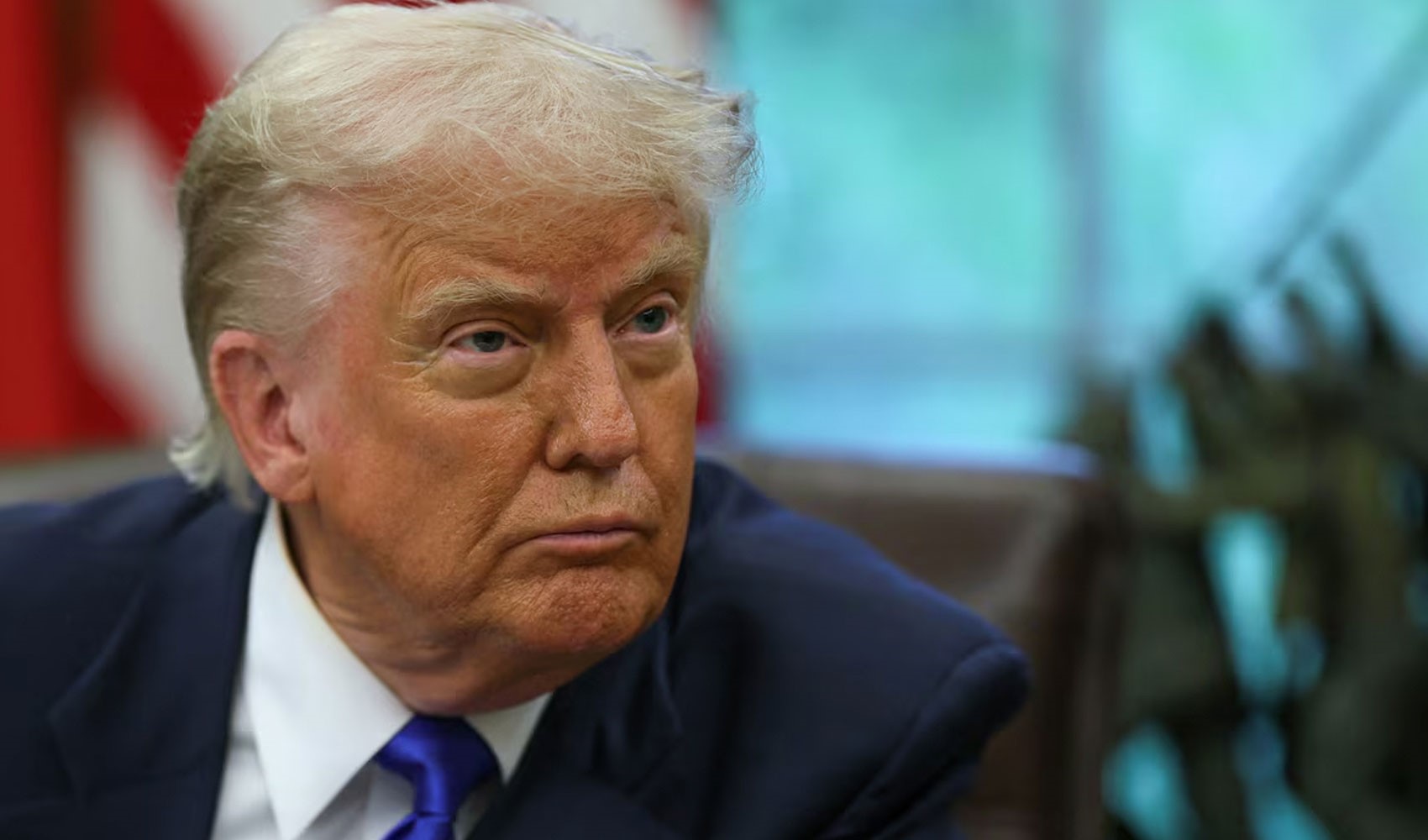
The US has requested concrete contributions from its European allies to increase its military presence in the Strait of Hormuz amid tensions with Iran. In a message sent to European capitals via NATO Secretary General Mark Rutte, it was emphasized that political statements of support are no longer considered sufficient and that a direct military presence is required.
The US administration is demanding firm commitments regarding the deployment of warships or military units to the region in the coming days.
According to diplomatic sources, some countries in Europe view this request as an 'ultimatum.' Germany, in particular, states that it can only send military support following United Nations approval and the declaration of a permanent ceasefire in the region. The US, however, argues that the active roles European allies will take in the Strait of Hormuz are indispensable for the future of the alliance.
BLACKLIST PRACTICE FROM WASHINGTON
The Trump administration's military pressure has not been limited to naval forces. Washington is working on a "blacklist" that includes countries that have and have not supported it within the scope of the Iran crisis. At the top of this list is Spain, which has closed its airspace to US jets. Additionally, Italy, France, and Switzerland, which have placed restrictions on the use of bases, are among the prominent countries on the list.
It remains unclear whether Turkey is on the list due to bases it has not permitted for use. Although Germany has not imposed an explicit restriction regarding military bases, it has still been placed in the US's crosshairs.
The reason for this is stated to be the remark "This is not our war," which was voiced by German Defense Minister Boris Pistorius and attributed to Chancellor Friedrich Merz. The Trump administration has interpreted this statement as clear opposition, adding Germany to the list of dissenting countries.
NEW TENSION LINES IN RELATIONS
The US appears determined to receive military support from its allies in the face of the crisis with Iran. This coercive stance by Washington is also reshaping defense relations between the US and Europe. This process, which is seen as important for the future of NATO, is poised to bring new topics of debate to the agenda within the alliance in the coming period.
News Source: 12punto
Most Read

Striking picture for Özgür Özel's 'New Party'

Özgür Özel gives a dated response regarding the number of resignations

Forest fire in Antalya brought under control

The PKK opening and Özgür Özel’s path!..
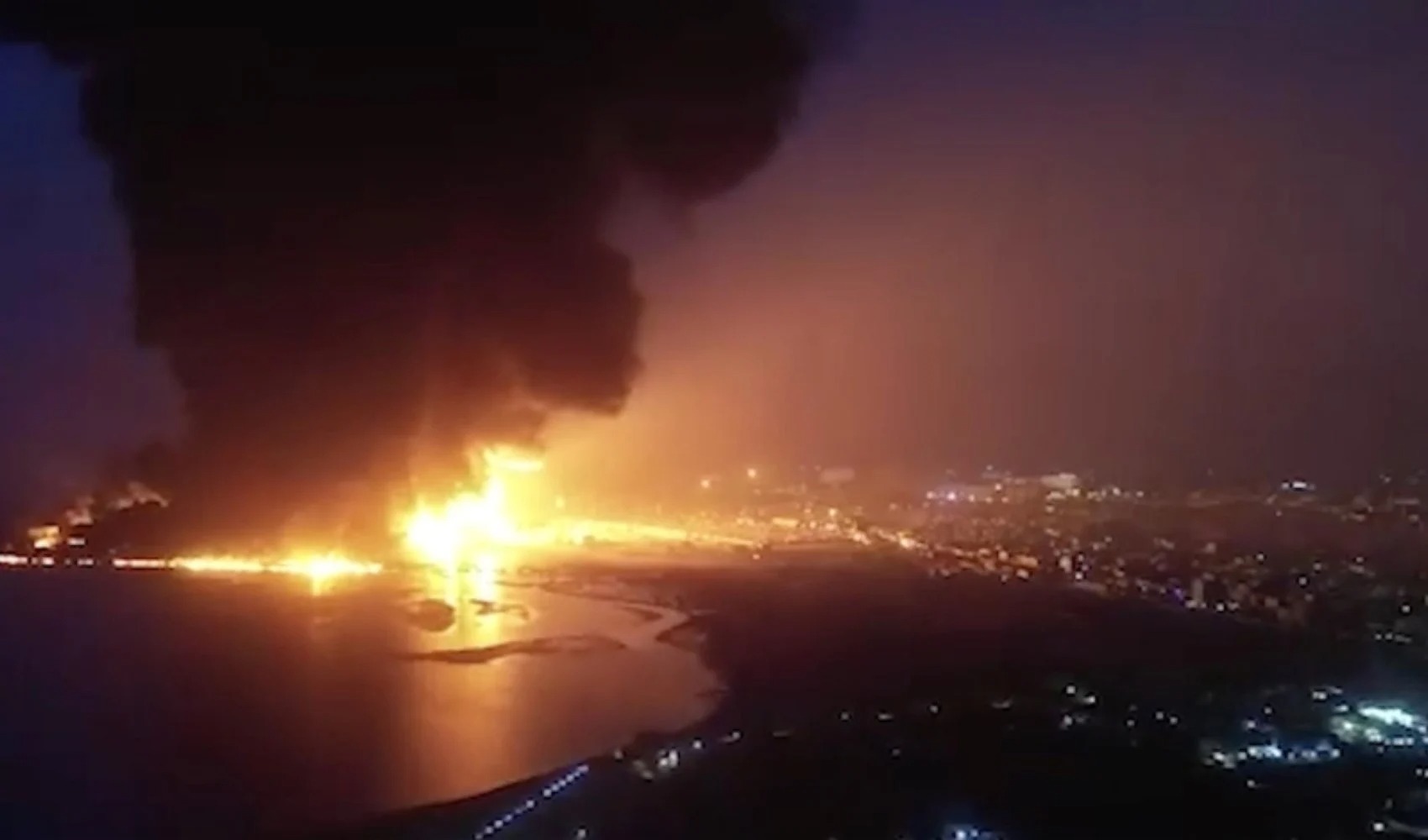
Houthis strike Saudi-owned tanker

How did the newspapers view Özgür Özel's farewell to the CHP?

What did the CHP do?

Özel’s new party move in the world press

The New CHP, against CEHAPE

From self-efficacy to despair