

War concerns in the Gulf: Retaliatory moves against Iran are increasing
As the war launched by the US and Israel against Iran continues, Gulf countries are concerned that Iran may attempt attacks in the region through its proxy groups. Countries are beginning to take strict measures against these groups, which have become a fundamental element of Iran's foreign policy.



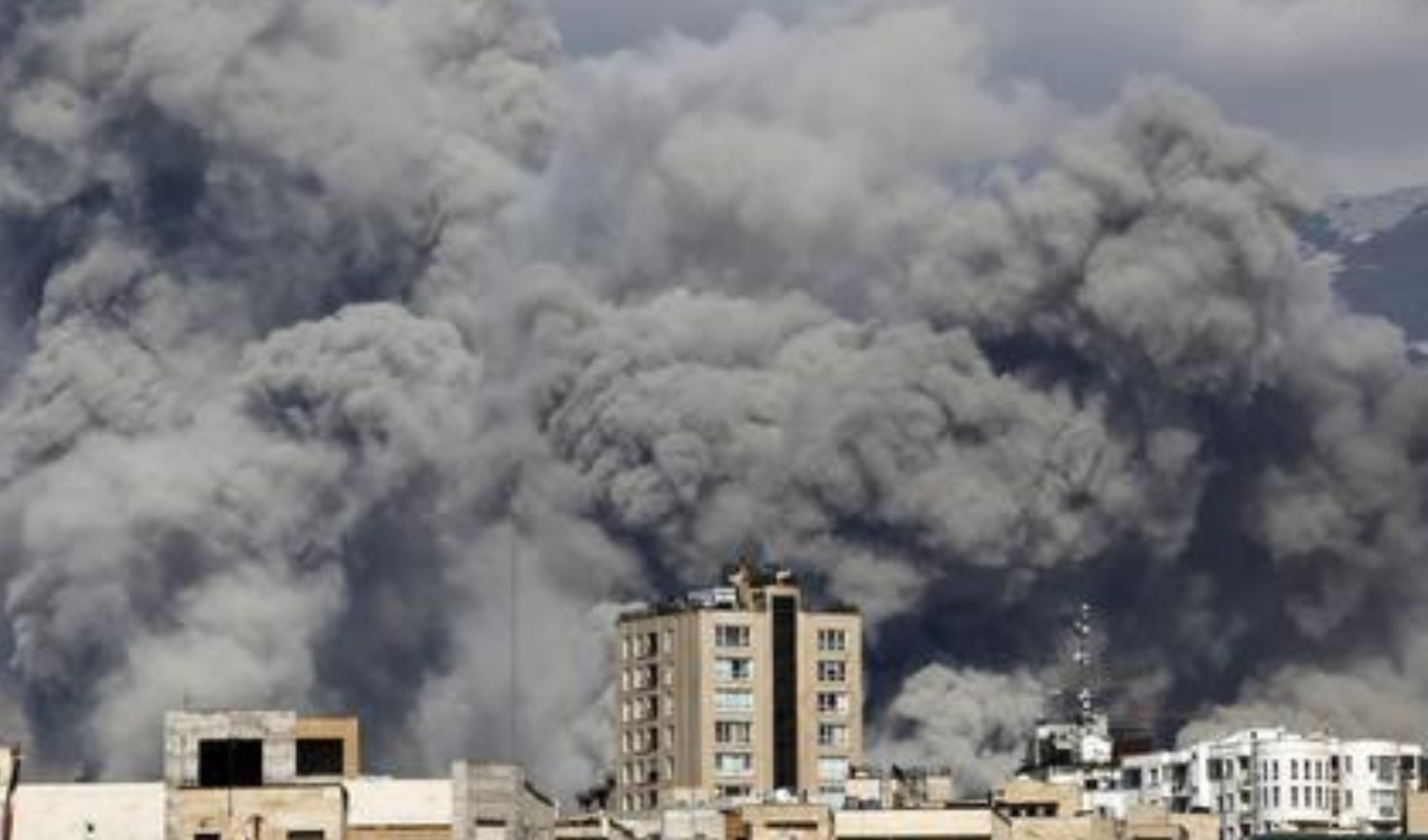
The effects of the war launched by the US and Israel against Iran are creating great concern in the Gulf region. Iran's retaliatory moves through its proxy militias and armed groups have caused significant anxiety among countries in the region. Qatar, Kuwait, the United Arab Emirates, Bahrain, Saudi Arabia, and Jordan announced in a joint statement released this week that they strongly condemn attacks directed at their territories by Iran.
IRAN'S PROXY FORCES AND ARMED GROUPS ARE TAKING ACTION
The statement expressed that Iran's attacks are carried out not only directly from Iran but also through proxy forces and armed groups it supports in the region. The most powerful proxy group behind these attacks is known as Hezbollah. For years, Iran has used these proxy forces to spread its revolution, expand its regional influence, and destabilize enemy countries. Hezbollah in Lebanon and the Houthis in Yemen are among the primary examples of these proxy groups.
THE HEAVIEST BURDEN OF CULTURAL AND POLITICAL EXPERIENCE IS IN THE GULF
Last Wednesday, Kuwait announced that an assassination plot targeting state leaders had been thwarted. The country stated that it had detained six individuals believed to be linked to Hezbollah, Iran's most powerful proxy group. This incident once again highlighted the situation that Gulf countries view as a serious threat from Iran-backed proxy groups.
Furthermore, the activities of militia groups known as proxy elements of the Iranian Revolutionary Guard Corps are showing a remarkable increase in the region. In addition to the wave of attacks created by thousands of missiles and unmanned aerial vehicles launched from Iran, a significant increase is also being observed in the number of internal incidents linked to these groups in the region. This situation increases concerns that Iran could activate sleeper cells in the Gulf as a tool of war.
STRICT MEASURES ARE COMING FROM GULF COUNTRIES
Gulf countries appear determined to take stricter measures against the activities of Iran-linked proxy groups. At the beginning of March, Qatar detained two cells consisting of more than 10 people linked to the Iranian regime. Bahrain also arrested several individuals it alleged were engaged in espionage activities on behalf of Iran. Kuwait, meanwhile, announced this week that it had dismantled a large Hezbollah-affiliated cell linked to plots targeting national security.
News Source: 12punto
Most Read

Striking picture for Özgür Özel's 'New Party'

The PKK opening and Özgür Özel’s path!..

How did the newspapers view Özgür Özel's farewell to the CHP?

He killed his wife by slitting her throat: Their children witnessed the moments

What did the CHP do?

Özel’s new party move in the world press

Fire at TUSAŞ engine factory in Eskişehir under control

The New CHP, against CEHAPE

From self-efficacy to despair

Kılıçdaroğlu's first message on Özgür Özel's new party announcement