

Water crisis at the doorstep in the Middle East: Only a few days' supply left!
Iran's targeting of Gulf countries' water infrastructure with unmanned aerial vehicles is shaking strategic balances in the region. Following an attack on a major desalination plant in Bahrain that left hundreds of villages without water, experts point out that water is playing a critical role in regional conflicts.



Tensions are escalating along the Gulf line. Tehran, which has increased its reaction to military operations developed by the US and Israel against Iran, has now begun targeting the water infrastructure of rival countries. Most recently, a drone attack on the largest seawater desalination plant in Bahrain on March 8 abruptly cut off the drinking water supply to approximately thirty villages and industrial zones.
The Bahraini Ministry of Interior confirmed that the attack caused extensive material damage. Following the shock experienced in the region, Gulf countries have placed strategic water security on their agendas. Iranian Energy Minister Abbas Aliabadi stated regarding the attacks, "Such retaliations are legitimate in response to the attacks by the US and Israel on our energy infrastructure around Bushehr."
IS A WATER CRISIS AT THE DOORSTEP?
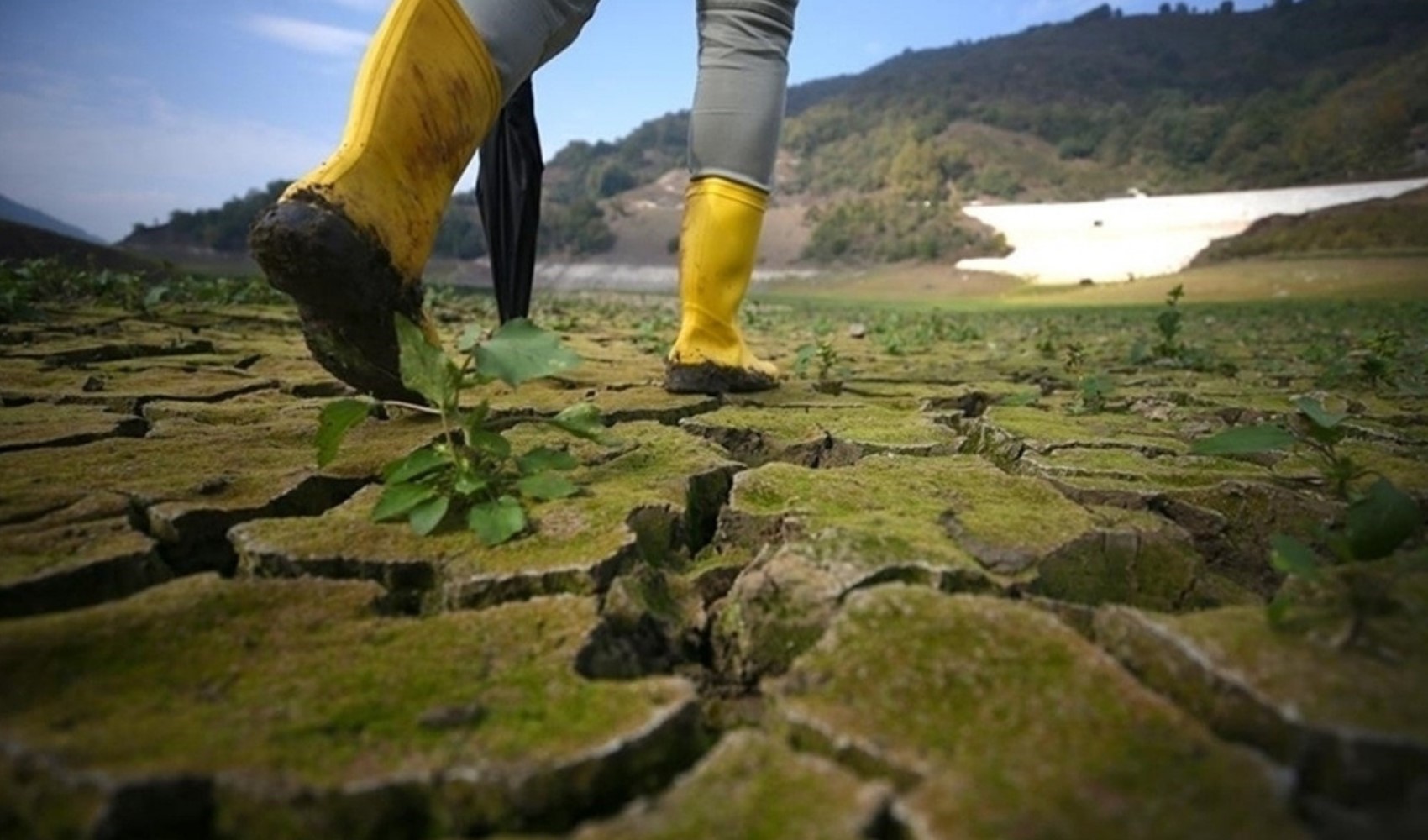
The intense drought periods of the last five years in the Middle East have further increased the importance of water. While Saudi Arabia obtains 70% of its required drinking water through seawater desalination technologies, this rate is over 90% in Kuwait and the United Arab Emirates. It is stated that in most countries in the region, existing strategic water reserves have the capacity to last only a few days.
Experts state that if desalination plants are disabled, millions of people could lose access to drinking water and sanitation in less than a week. It is pointed out that this situation could create serious pressures on political stability and public order.
BALANCES SHIFTING BETWEEN THE US AND IRAN
By the end of March, the crisis reached a more dangerous dimension. In response to the US demand for free passage in the Strait of Hormuz, Iran's Supreme National Defense Council shared the coordinates of critical desalination plants in Qatar and the UAE, sending a deterrent message. This step, which emphasized that ballistic missiles and unmanned aerial vehicles were ready for attack, pushed the US to postpone its planned attacks on Iran's power grid.
VULNERABILITY OF WATER INFRASTRUCTURE
Although Arab countries possess billions of dollars worth of Patriot and THAAD air defense systems, these systems are largely deployed to protect state facilities and military bases. Seawater desalination complexes, however, have weak defenses because they are spread over a wide geographical area. An attack on a single pumping station or distribution point can stop the entire region's access to water.
Furthermore, the fact that these centers are located along the coastline increases the risks against attacks. Not only through missile strikes, but also through indirect sabotage methods such as oil spills, systems can be disabled for weeks or even months.
In the Middle East, water has now turned into a security issue as critical as energy. It is noted that attacks on water have begun to fundamentally affect the conflict dynamics in the region.
News Source: 12punto
Most Read

Striking picture for Özgür Özel's 'New Party'

The PKK opening and Özgür Özel’s path!..

How did the newspapers view Özgür Özel's farewell to the CHP?

He killed his wife by slitting her throat: Their children witnessed the moments

What did the CHP do?

Özel’s new party move in the world press

The New CHP, against CEHAPE

Fire at TUSAŞ engine factory in Eskişehir under control

From self-efficacy to despair

Kılıçdaroğlu's first message on Özgür Özel's new party announcement