

Will mass deportation operations in the US be privatized? Proposal for a citizen army and processing camps
Military contractors have proposed to the Trump administration the creation of 'processing camps' and a private citizen army to deport 12 million people. The plan aims to be implemented by 2026 at a cost of 25 billion dollars.



12punto FOREIGN NEWS
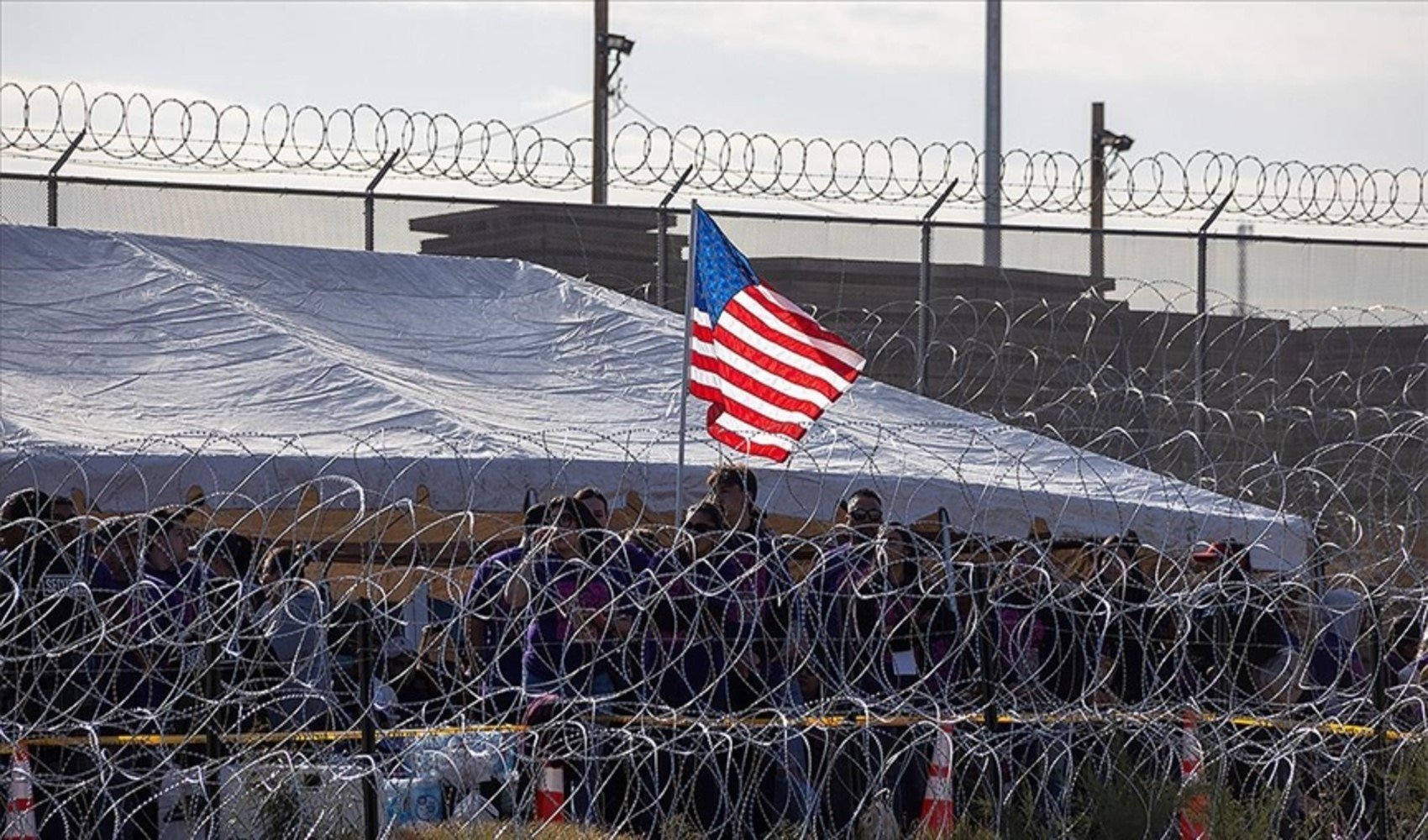
Former Blackwater CEO Erik Prince and other military contractors have submitted a 26-page report to President Donald Trump for the deportation of immigrants. The plan proposes deporting 12 million people through 'processing camps' to be established on military bases, a private fleet of 100 aircraft, and a 'citizen army' composed of individuals with arrest authority. Prince stated that the estimated cost of the plan is 25 billion dollars.
Prince and his team acknowledged that they would face significant legal and operational challenges. However, the report envisioned that private contractors would play a key role in this process.
According to the document obtained by POLITICO, these aggressive tactics aim to rapidly deport illegal immigrants before the 2026 midterm elections. The plan is designed to require the government to deport approximately 500,000 people per month.
The document emphasizes that the government's current resources would be insufficient to carry out this large-scale operation, stating:
'It is not possible for the government to expand its internal staff to keep up with this demand. Therefore, outside assistance must be obtained.'

MASS DEPORTATION OPERATIONS IN THE US
The Trump administration promised to begin mass deportation operations in its first days in office. However, this promise has not yet been fully realized. White House spokesperson Kush Desai reminded that the administration has 'adopted a comprehensive approach to secure borders and deport illegal immigrants.'
Desai stated, 'White House officials are evaluating unsolicited proposals from the private sector. However, final decisions depend on the relevant agencies.'
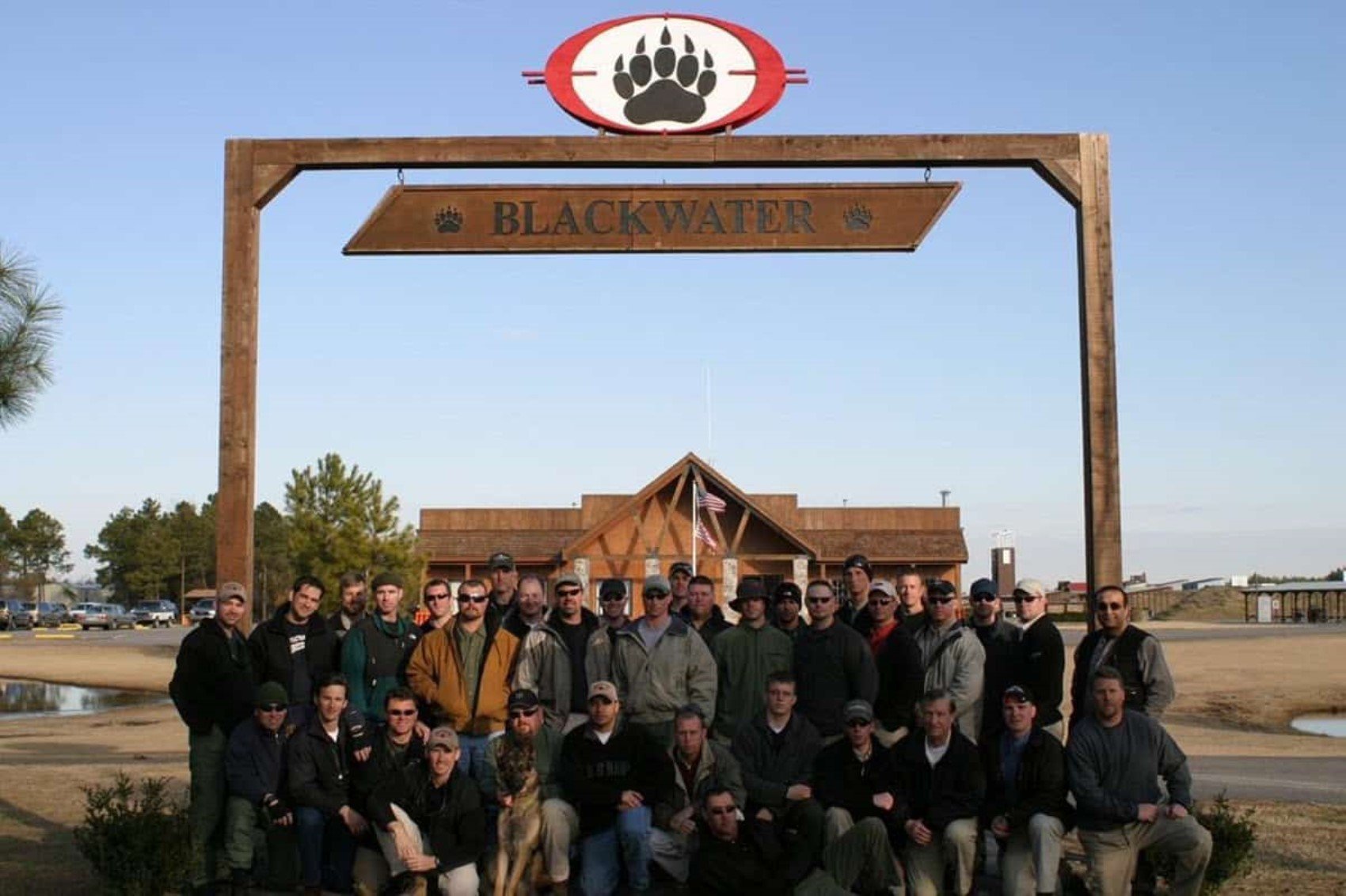
Erik Prince was known as the founder of the Blackwater company, which provided support to US forces in Iraq and Afghanistan during the war on terror. Some former immigration officials and other military contractors also played a role in preparing the plan.
In the document submitted to the Trump administration, the group reiterated claims that immigration places a burden on the US economy and public services, stating:
'To save the US economy, illegal aliens must be deported as quickly as possible.'

BLACKWATER'S INFLUENCE ON THE US GOVERNMENT
The plan drew attention with proposals such as 'processing camps' and the use of an army of private citizens. Politico noted in its report that such practices could cause legal and ethical controversy. It was also noted that the involvement of private contractors in such a large operation would raise concerns about the transfer of state powers to the private sector.
The founders of the new private entity called 2USV have been working with the US government for a long time. Blackwater was founded by Prince in 1996 and provided support to the US, particularly in operations in the Middle East. However, the company's activities also drew criticism.
If the plan is implemented, the group would be included in the existing contractor network used by Immigration and Customs Enforcement (ICE). The Trump administration has continued to evaluate proposals from the private sector to implement its immigration policies.
While Prince and his team argue that the plan they submitted is vital for the US, they claimed that the government needs such aggressive measures. Whether the plan will be implemented will become clear in the coming period.
News Source: 12punto
Most Read

Striking picture for Özgür Özel's 'New Party'

Özgür Özel gives a dated response regarding the number of resignations

Forest fire in Antalya brought under control

The PKK opening and Özgür Özel’s path!..

How did the newspapers view Özgür Özel's farewell to the CHP?

What did the CHP do?

Özel’s new party move in the world press

The New CHP, against CEHAPE

From self-efficacy to despair

The return of craftsmanship in the age of artificial intelligence