Signal of change in the Cabinet! It reportedly came up at the Kızılcahamam retreat: Which ministers are on their way out?
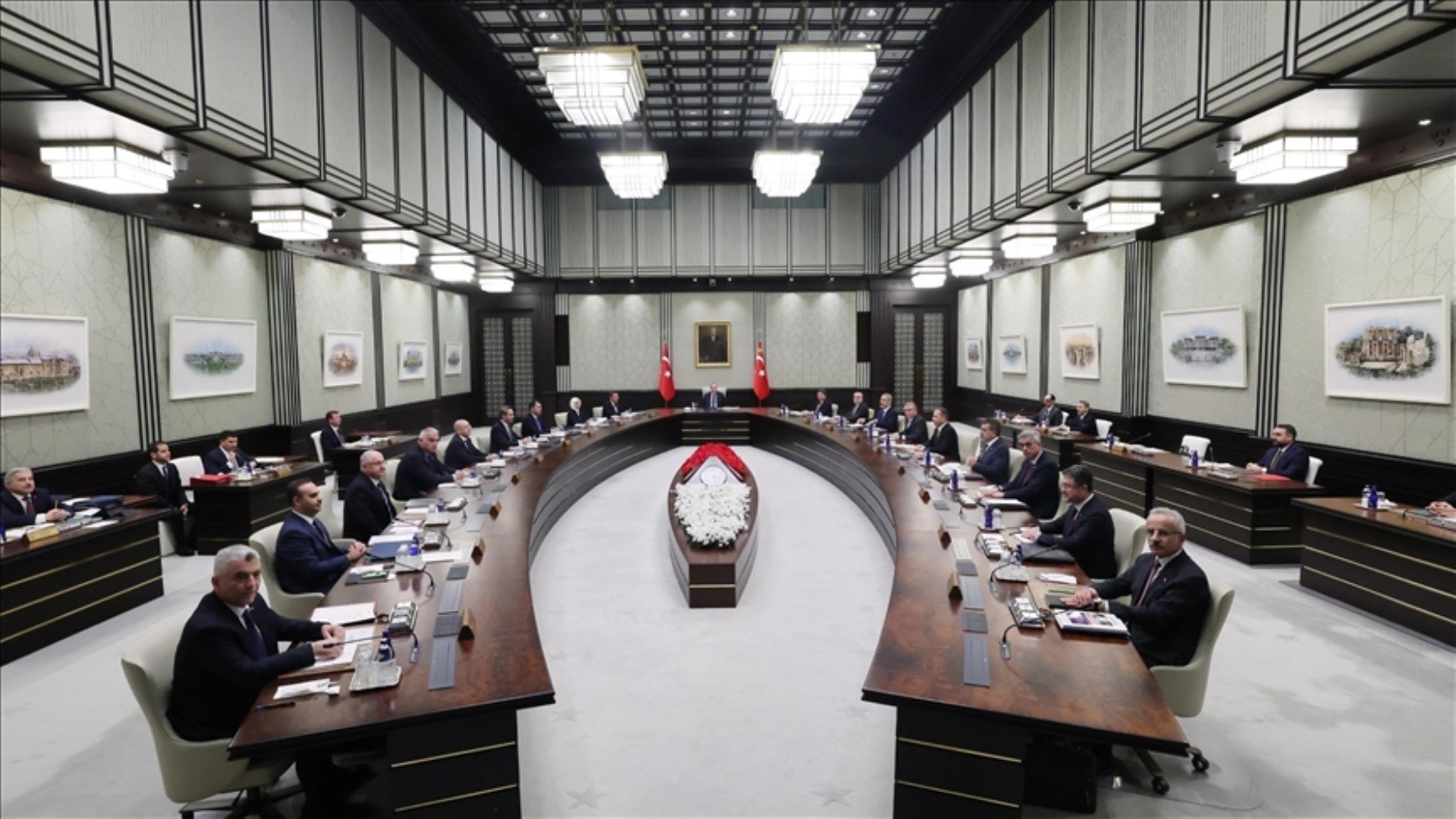
While expectations of a cabinet reshuffle remain a hot topic in Ankara's political circles, a secret survey conducted during the AKP's Kızılcahamam retreat evaluated the ministers' relationships with the party organization and the public. The question of "which minister is on their way out?" has become one of the main agenda items for party members as well.
12punto
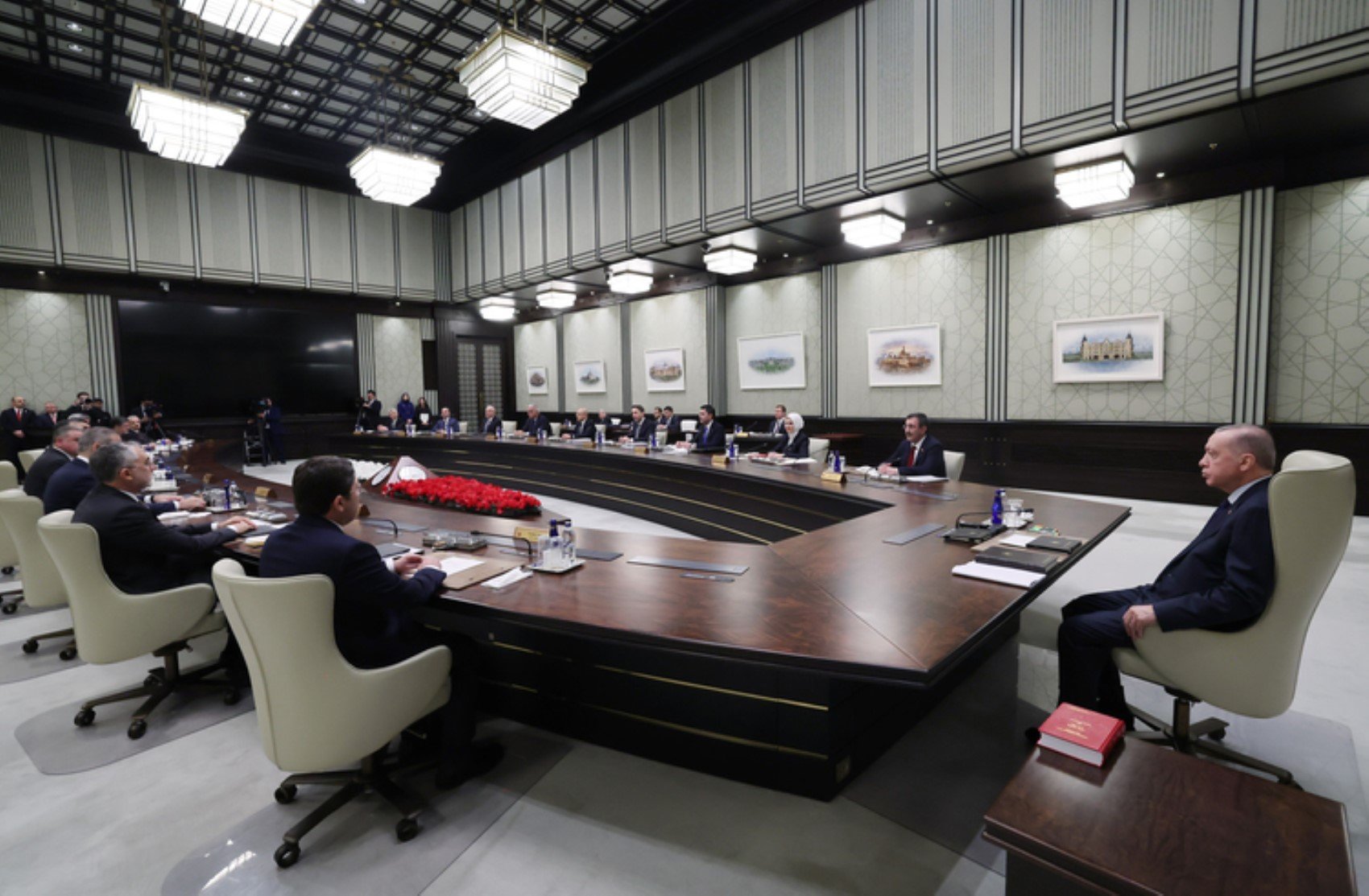
As expectations for a cabinet reshuffle, which the public has been following closely for some time, increase, the corridors of power have become active once again. While recent comments and articles by journalists close to the government suggesting that "a cabinet change is approaching" have drawn attention, a special survey conducted at the AKP's latest Kızılcahamam camp has left its mark on these discussions.
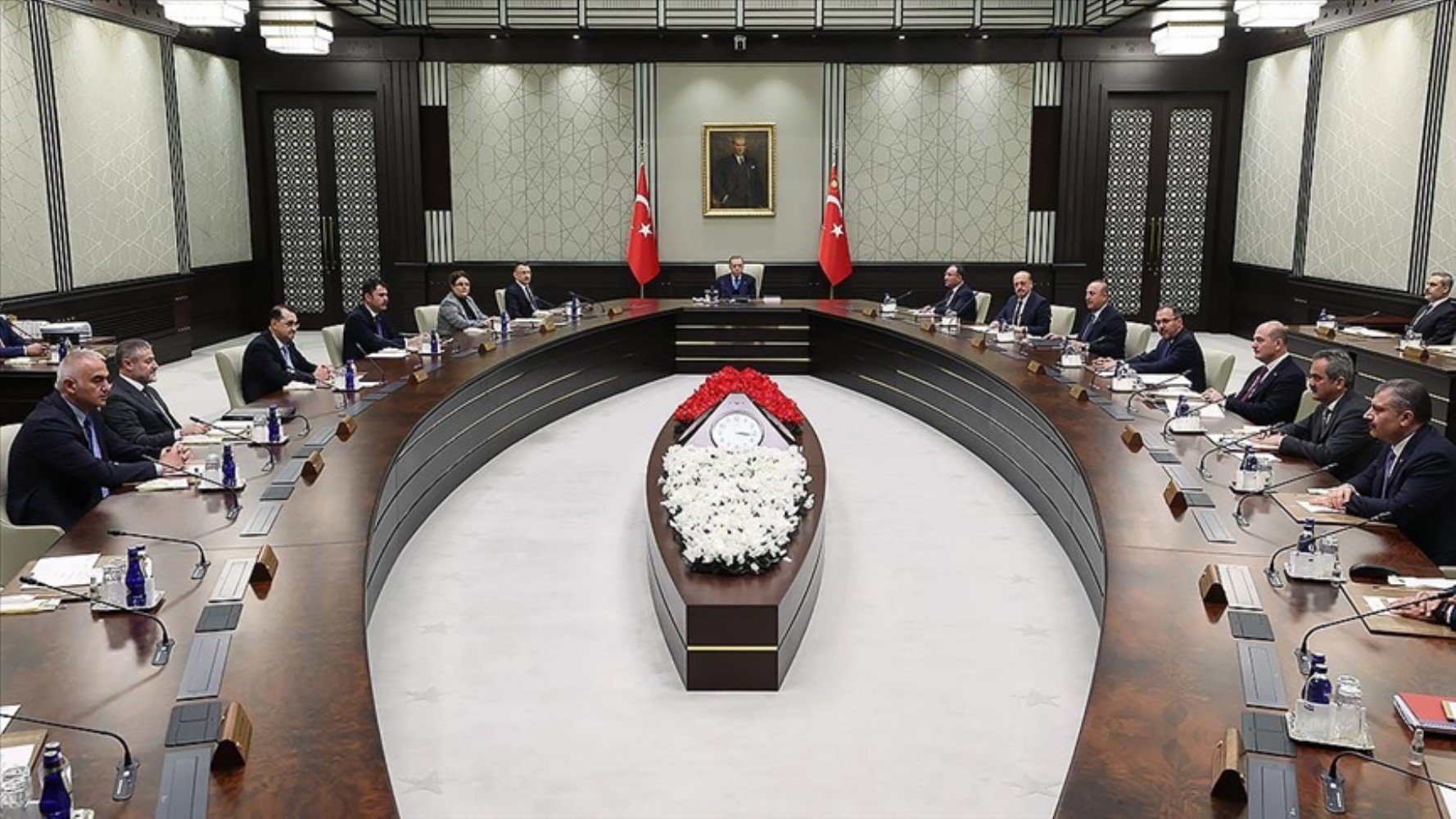
According to what is being discussed in political circles, President Erdoğan may make changes among the ministers based on a political and organizational assessment, not just a technical one. This means that criteria such as intra-party communication and voter satisfaction, rather than just public-facing performance, will be decisive.
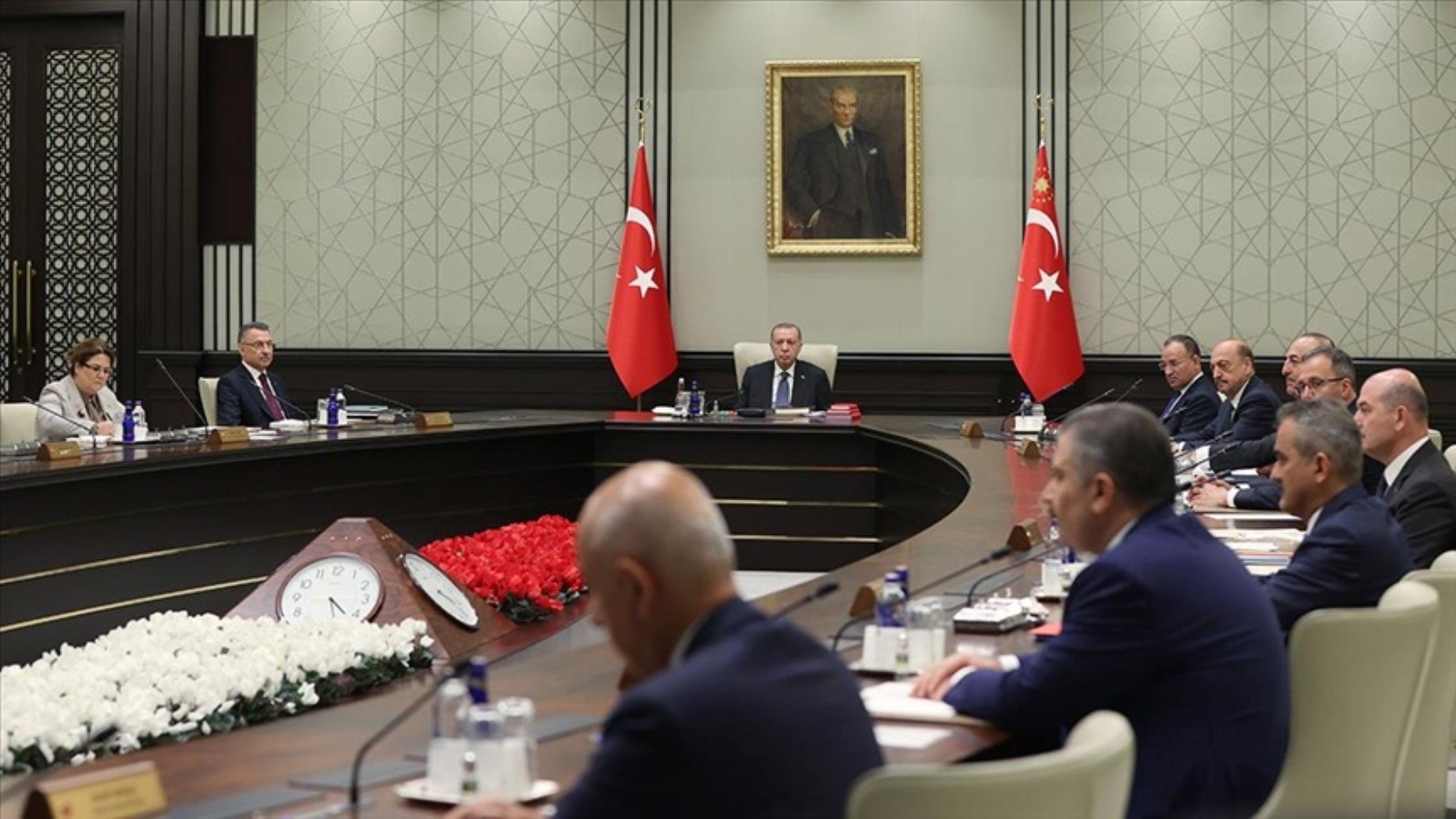
In the survey conducted at the AKP's Kızılcahamam camp, which was not shared with the public, the performance of the ministers and the communication they established with voters were questioned in detail. According to information provided by journalist Nuray Babacan, the following questions were asked in the survey, which participants accessed by scanning a QR code:
Can voters reach members of parliament?
Are ministers able to produce solutions to the problems brought to them?
Which ministers are sensitive about this issue?
Are you satisfied with the organizational work?
What are the public's priority problems?
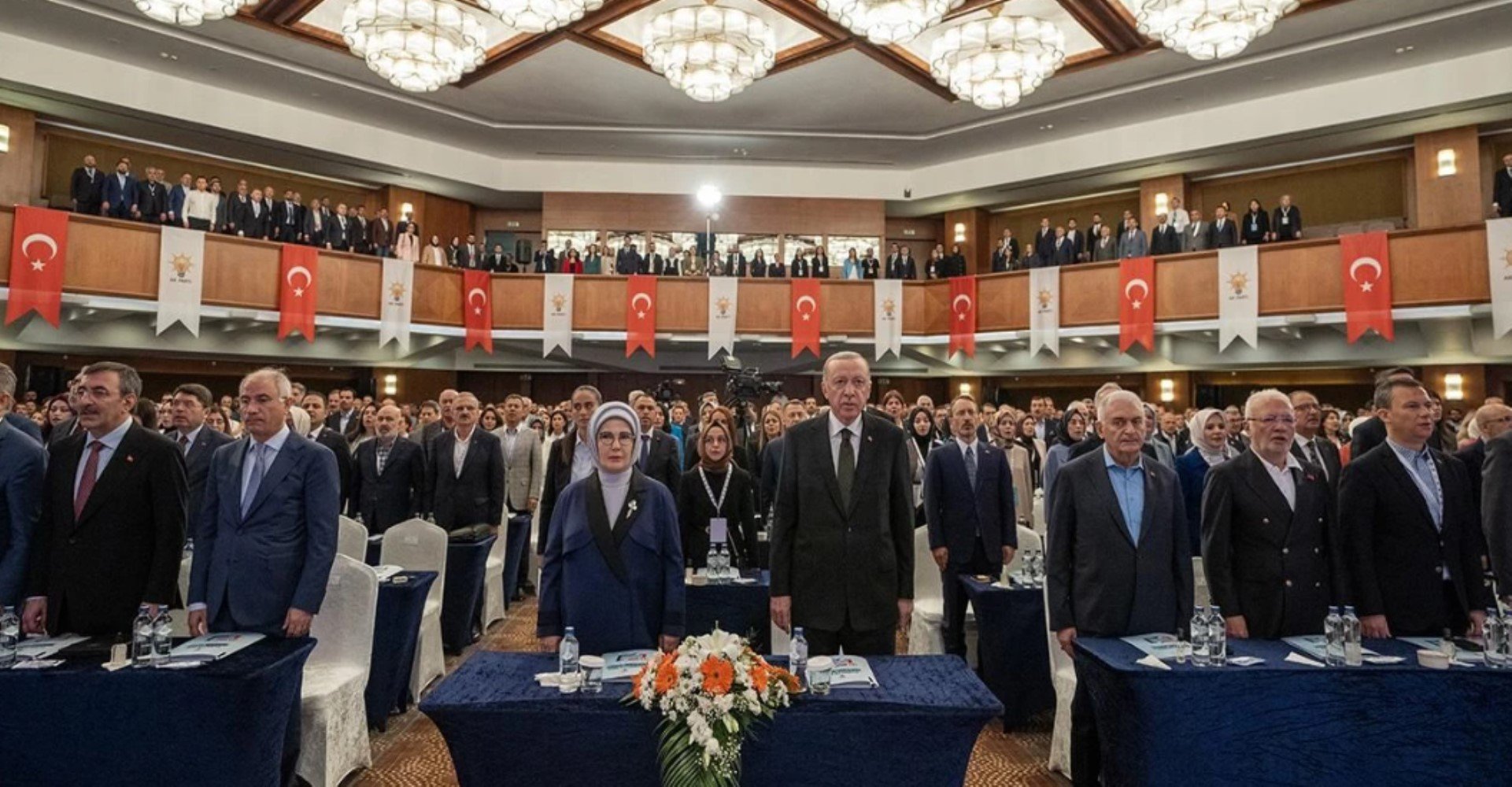
Highlights from Nuray Babacan's article are as follows:
Beyond the two-question 'priorities' assessment, there is a study conducted with those attending the meeting via a 'QR code' scan; the questions are also interesting. In the study, which was carried out to determine the party's new roadmap with the 2028 target in mind, attempts were made to identify shortcomings and mistakes.
Questions such as "Can voters reach members of parliament?", "Are ministers able to produce solutions to the problems brought to them?", "Which ministers are sensitive about this issue?", "Are you satisfied with the organizational work?", and "What are the public's priority problems?" drew attention. Everyone is curious about the ministers' report cards in the research, the results of which have not yet been announced!
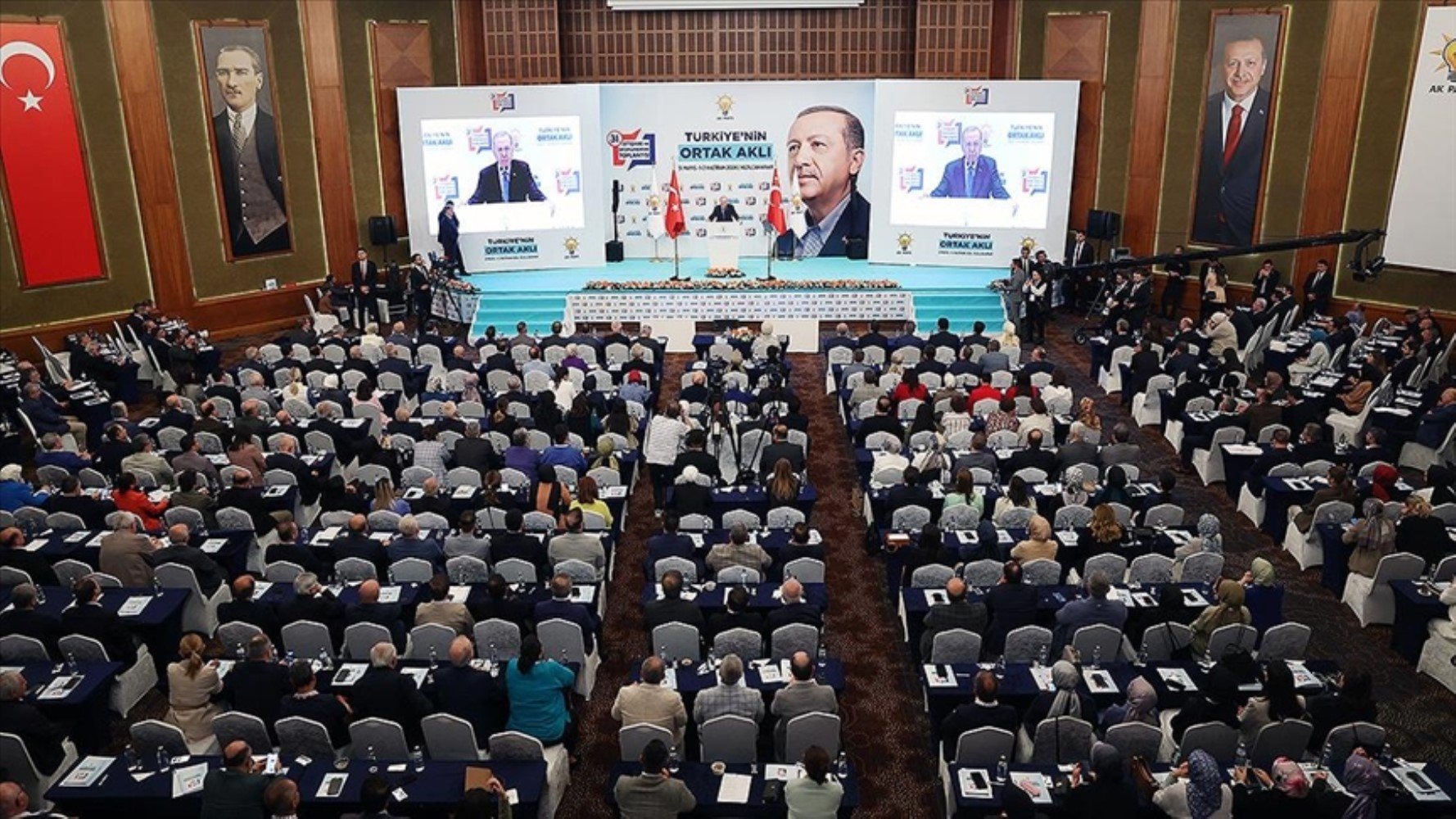
Meanwhile, the headquarters has begun publishing 'AK discourse' bulletins to 'create unity of discourse and manage the pro-government media through a single channel,' taking on the 'guidance' work that the Directorate of Communications once performed.
In addition to reporting on the government's activities all day, texts are being created on how to take a position. For example, a defense is being developed regarding forest fires. Of course, by ignoring the shortcomings and mistakes. Let us also note that there are those who liken the new work to 'press releases of provincial municipalities.'
From time to time, we have shared examples of groupings within the party and the incompatibility between the headquarters, the palace, and the parliamentary group. Let us report that the groupings and personality clashes in the latest management of the headquarters continue. It is explained with examples that if someone stands out in the party management, it disturbs the others.
The problem in the parliamentary group management is different. AKP Group Chairman Abdullah Güler, who concentrates all authority in himself, is criticized for not giving much room for his other colleagues. Güler's taking all the work upon himself as a lone wolf and not giving tasks to other deputy group chairmen is a subject of complaint. The deputy group chairmen, like students on duty in schools, only keep watch in the general assembly!
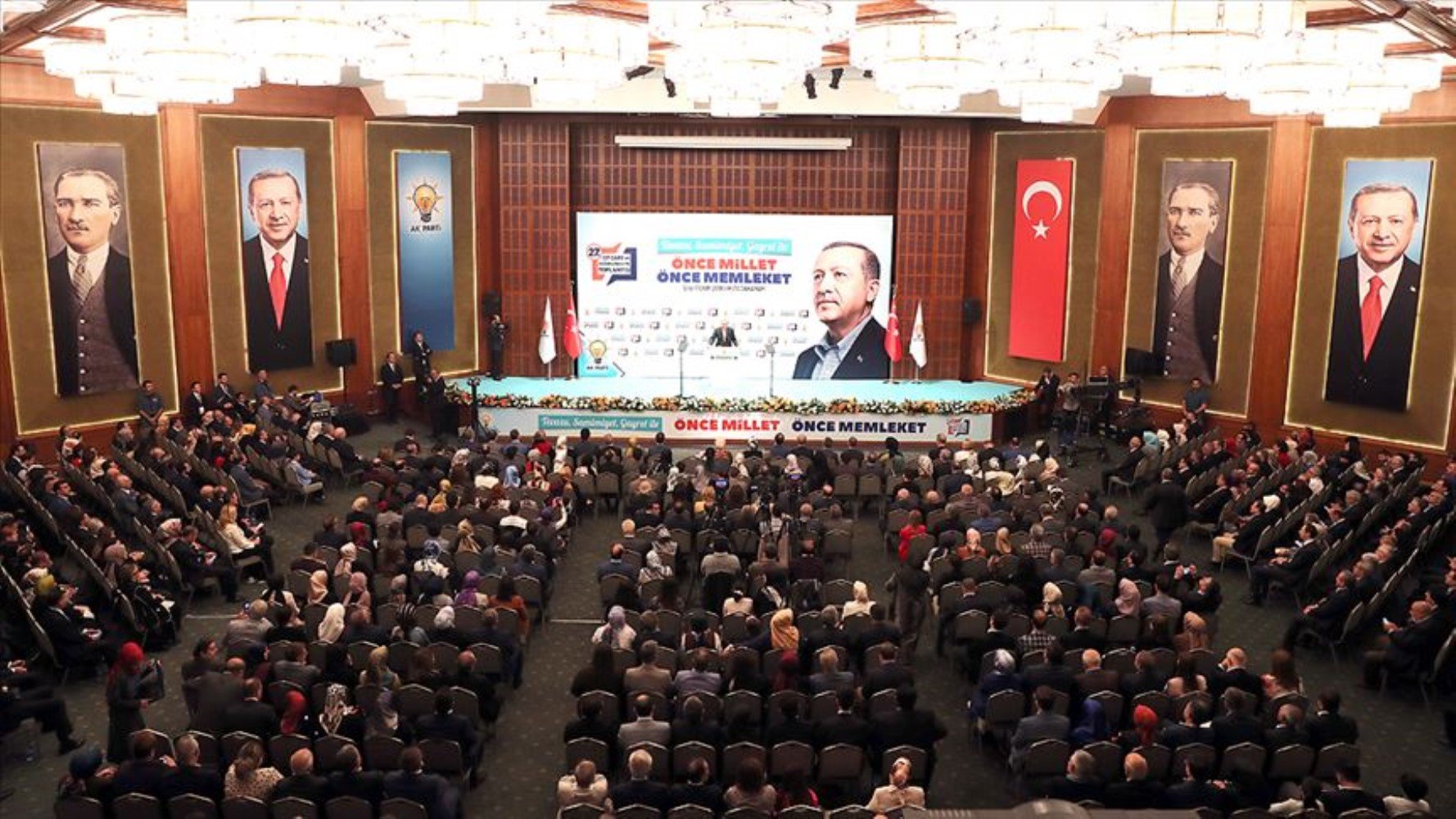
A study recently initiated by the party has received support from many members of parliament. The invitation of deputy ministers to regional meetings organized by the Local Government Presidency is considered important.
Because it is explained that it would be very beneficial for the organization to convey local problems directly to the deputy ministers and to be direct interlocutors for solutions. It is reported that they are saved from having to come to Ankara or trying to reach them by phone for days.