Did the 6.2 magnitude earthquake trigger the 'Big Istanbul Earthquake'? Expert explains
Following the 6.2 magnitude earthquake in Istanbul, eyes have turned to the potential major earthquake in the Marmara region. Prof. Dr. Okan Tüysüz evaluated the possibility of this tremor triggering a new earthquake. Here are the details...
12punto
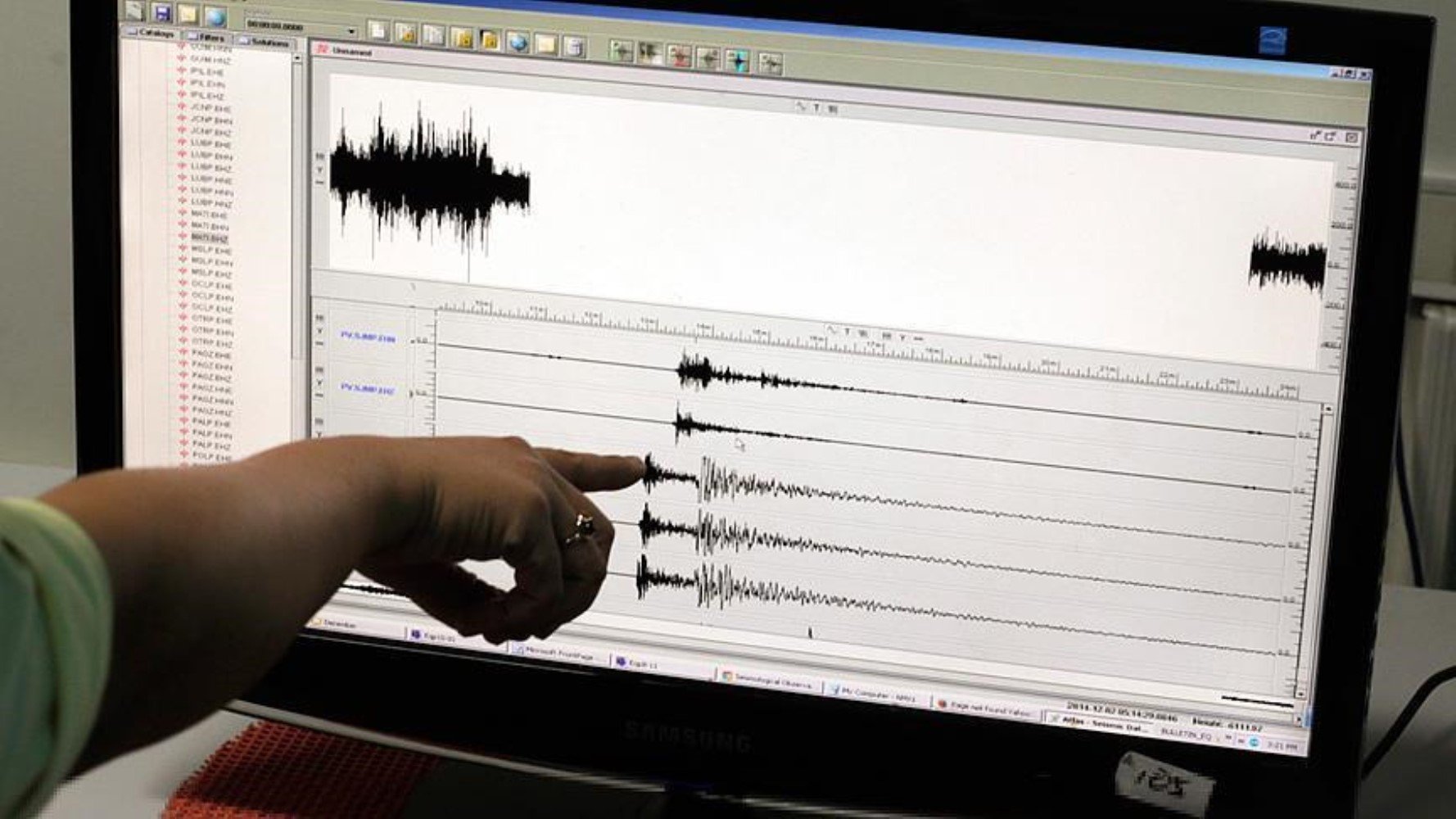
Istanbul, which has been experiencing frequent tremors since April 23, was gripped by panic again yesterday following a 6.2 magnitude earthquake.
Following the earthquake, which had its epicenter in the Sea of Marmara and was felt in surrounding provinces, citizens began searching for answers to the question, "Has the 'Big Istanbul Earthquake' been triggered?"
Appearing on the Ana Haber program hosted by Kübra Par on tv100, Istanbul Technical University (İTÜ) faculty member Prof. Dr. Okan Tüysüz made important assessments regarding the connection between the recent earthquake and a potential Marmara earthquake.
Stating that the probability of the 6.2 magnitude earthquake triggering another one is low, Tüysüz said:
"The probability of this earthquake triggering another is weak. However, there is an expectation of a major earthquake in the Marmara region. This earthquake has not changed that expectation. Since August 17, there had already been a 15 percent stress transfer to the area that was already sliding; now, another trigger has been added to this. This could create an effect of pulling forward the timing of the expected earthquake."
"An 80-90 Kilometer Fault Line Could Break"
Emphasizing that there is a fault line in the Marmara region that has been expected to break for a long time, Prof. Dr. Tüysüz described the danger in question with these words:
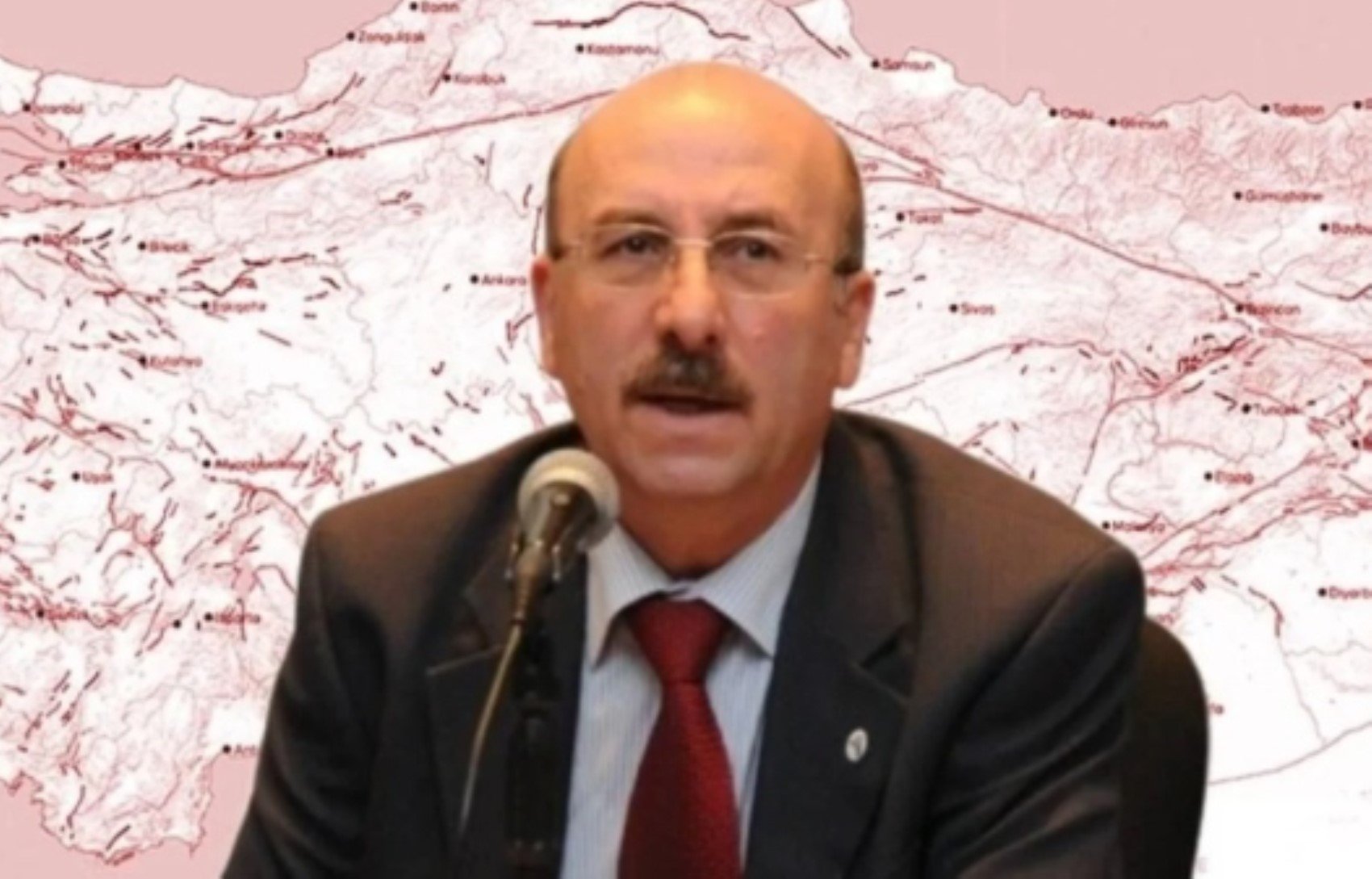
"An 80 to 90-kilometer fault line, extending from the point where yesterday's 6.2 magnitude earthquake occurred to the offshore area of Yalova, is expected to break. Our expectation that this line would break formed immediately after the August 17, 1999 earthquake. In the initial calculations, the probability of this fault breaking within the next 30 years was 65 percent. However, in recent assessments, this rate has decreased to 49 percent. This does not mean that the possibility has disappeared. We are still facing a very high risk."