Commentary on the Marmara earthquake from Ahmet Ercan: Is a major earthquake coming?
Following the 6.2 magnitude earthquake that occurred in Istanbul on April 23, there was widespread fear among the public. While experts have been issuing warnings one after another, a statement came in the morning hours from Geophysical Engineer Prof. Dr. Övgün Ahmet Ercan.
12punto

The 6.2 magnitude earthquake that occurred in Istanbul on April 23 unsettled millions of people living in the megacity.

After the violent shaking, many citizens spent the night outdoors, and experts issued a series of statements. One of the most notable statements came from Geophysical Engineer Prof. Dr. Övgün Ahmet Ercan.

Drawing attention to the 4.3 magnitude earthquake that occurred in Istanbul in a previous statement, Prof. Dr. Ercan had said, "The earthquake is small, but its location is unsettling. It shows that the tension has jumped to the Istanbul branch. This is not welcomed by us geophysicists. If the transfer of tension has begun, the bells start ringing, and an alarm is raised. We will be watching with concern."
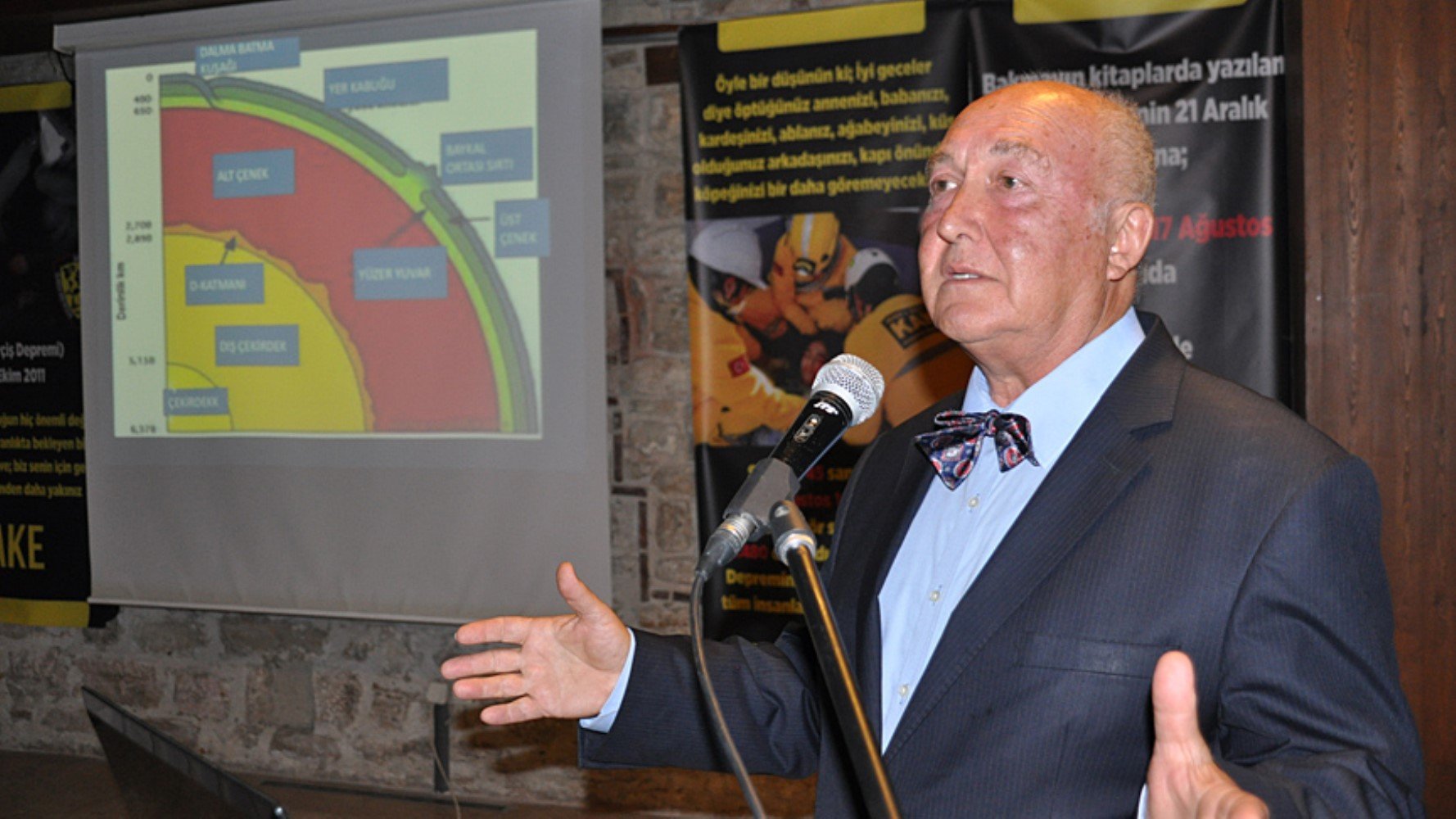
'WE MONITORED THE CHANGES IN THE EARTH'S CRUST'
Prof. Dr. Ercan stated that they monitored the aftershocks and changes in the earth's crust throughout the night. He made another post in the morning hours:

"We were very anxious last night. We stayed awake and monitored the changes in the earth's crust. Fortunately, our suspicions have largely subsided. We continue to monitor. May it be for the best."
'CONCERN FOR A MAJOR EARTHQUAKE IS DECREASING'
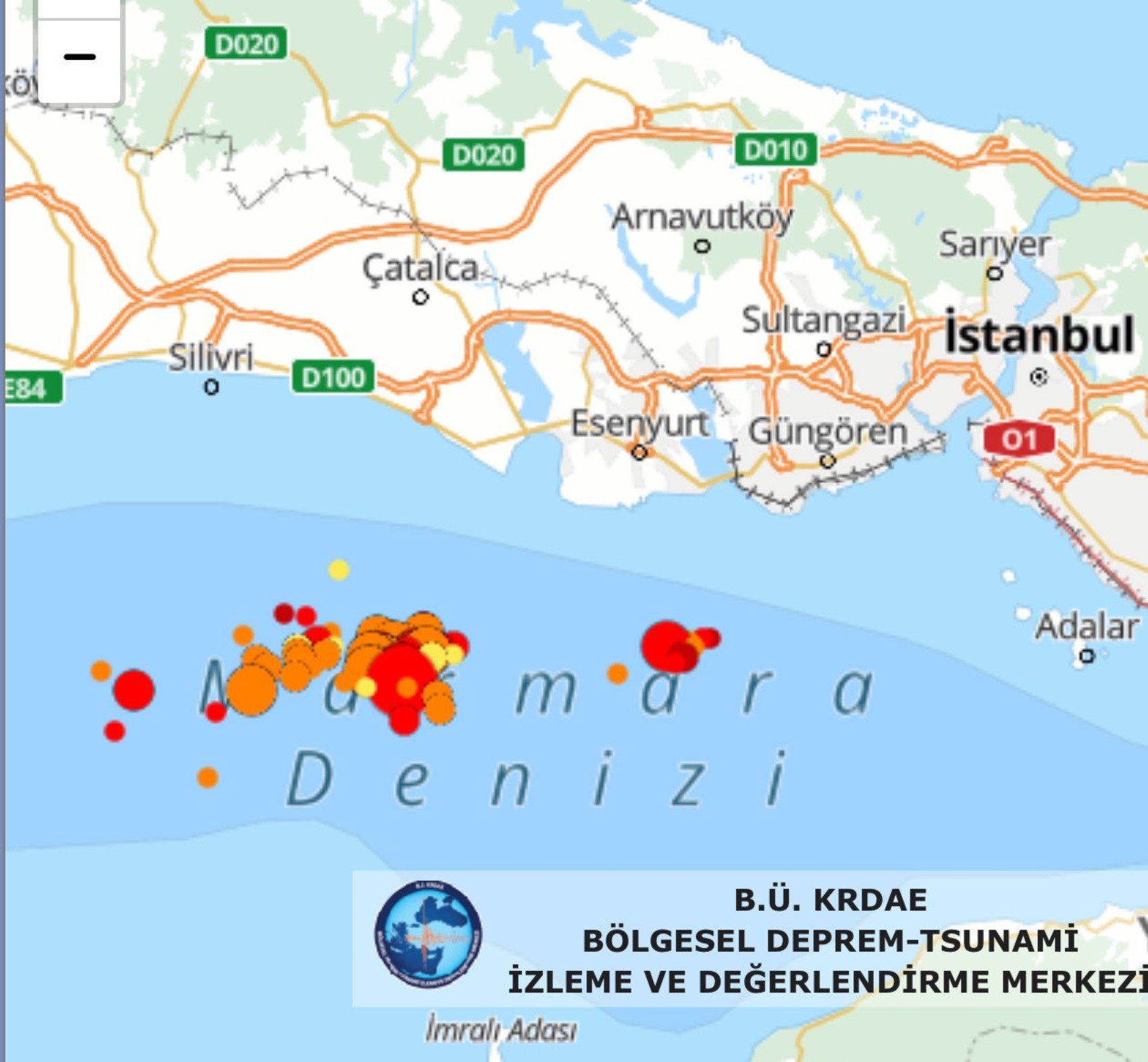
Evaluating the situation with charts containing earthquake activity from the last 4 days on his social media account, Ercan shared the following information:
"The earthquake/micro-earthquake activity of the last 4 days is concentrated on the Thrace branch, with a 28 km rupture. When we look at the last 24 hours, although the tension has jumped to the Istanbul branch, there is no alignment along the fault. For this reason, the concern for an immediate major earthquake is decreasing."
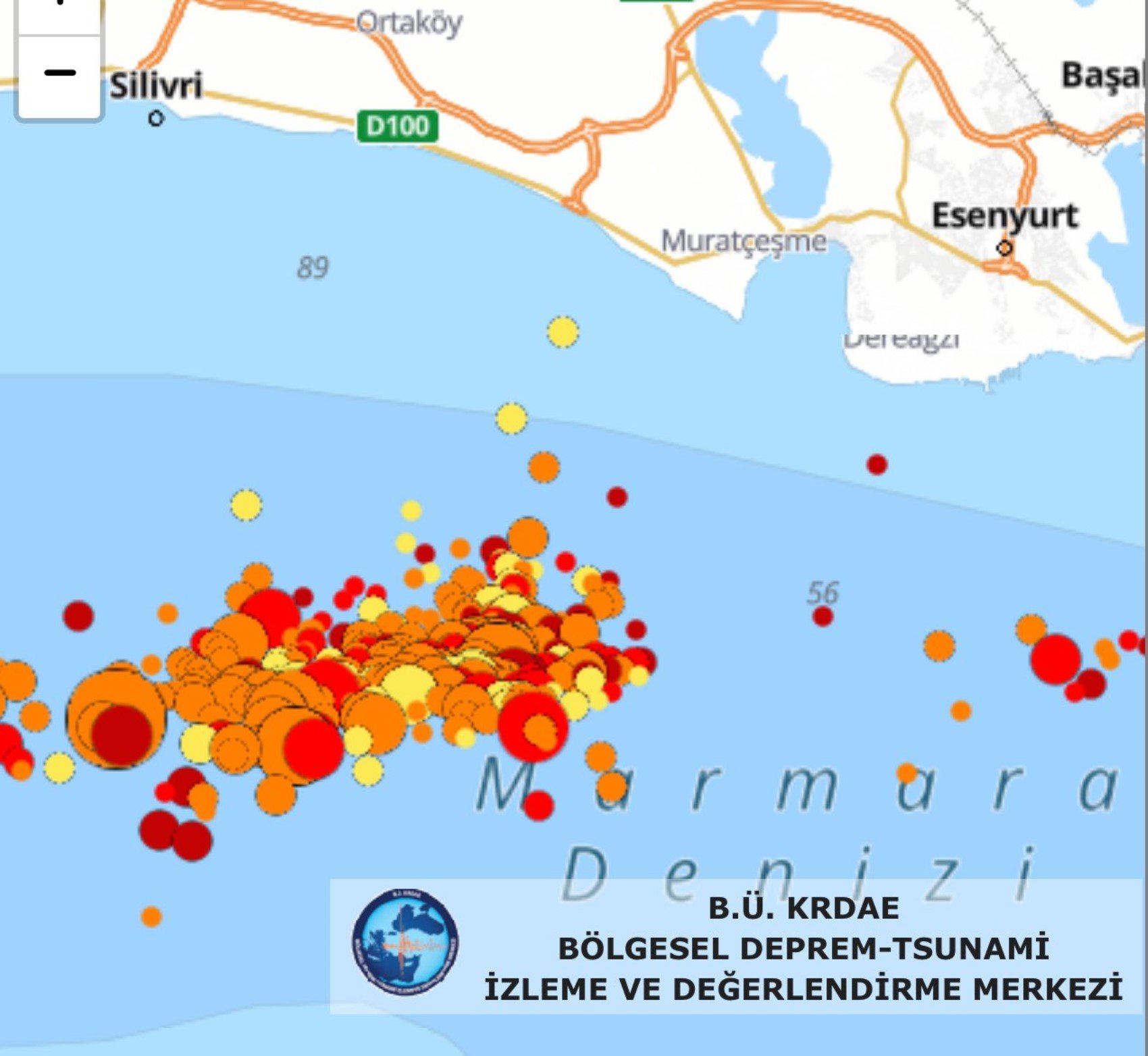
Ercan stated that the 6.2 magnitude earthquake also provided a significant amount of data scientifically. In his assessment regarding the nature of the rupture, he used the following expressions:
"Rupture mechanism: right-lateral strike-slip with a normal component. As it moves west, the normal component increases slightly. The M6.2 earthquake provided a lot of geophysical information for the future. The fault length shortened without destruction or casualties. This has slightly reduced the magnitude of the expected earthquake."