Allegations of a consensus: Sinan Ateş, Ümit Özdağ, the İmralı process...
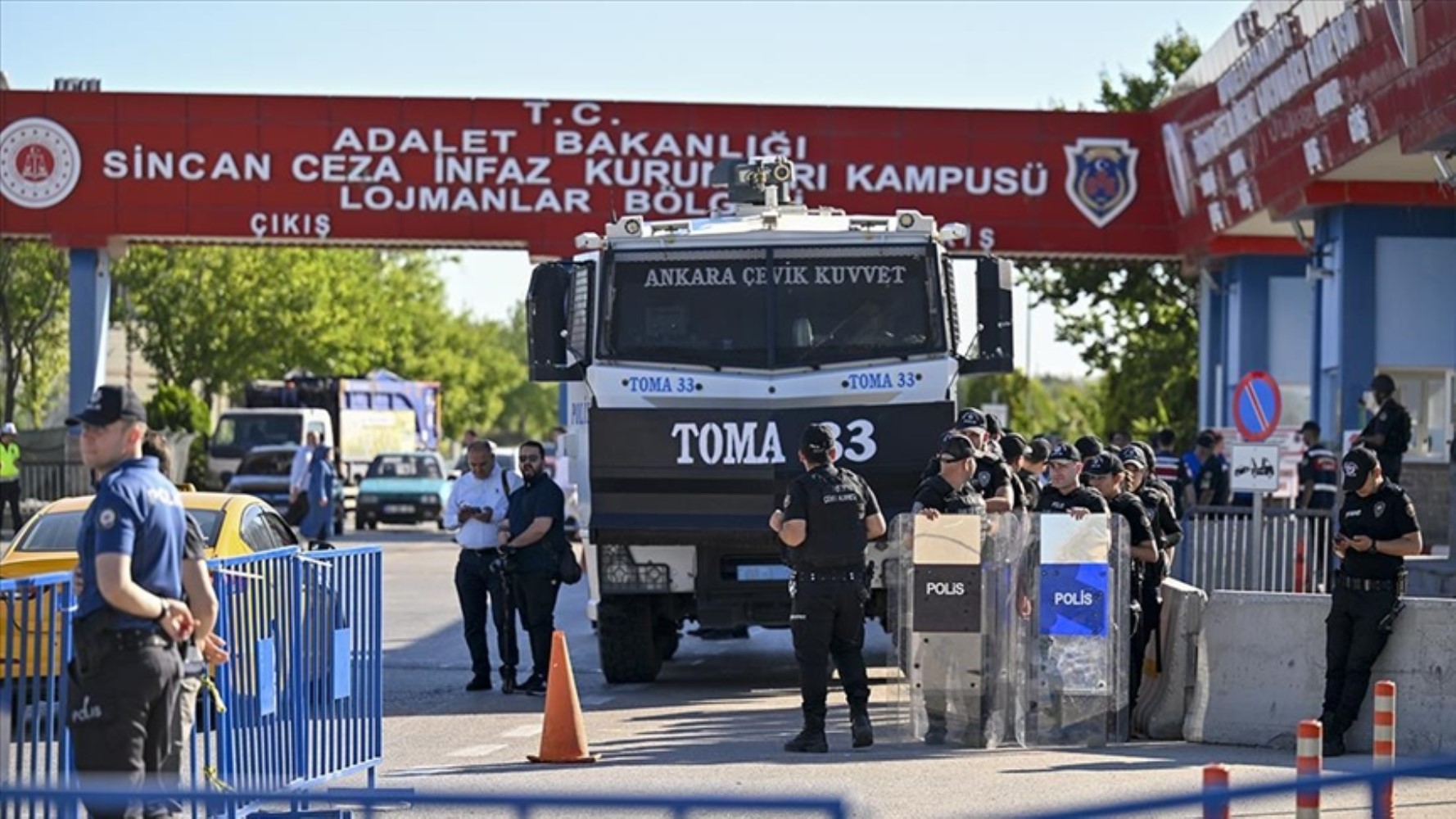
A decision of non-prosecution had been issued for 22 people, including former MHP MP Olcay Kılavuz and Ülkü Ocakları Chairman Ahmet Yiğit Yıldırım, in the Sinan Ateş murder investigation. Cumhuriyet columnist Barış Pehlivan evaluated the Sinan Ateş, Ümit Özdağ, and İmralı processes in his column today.
12punto
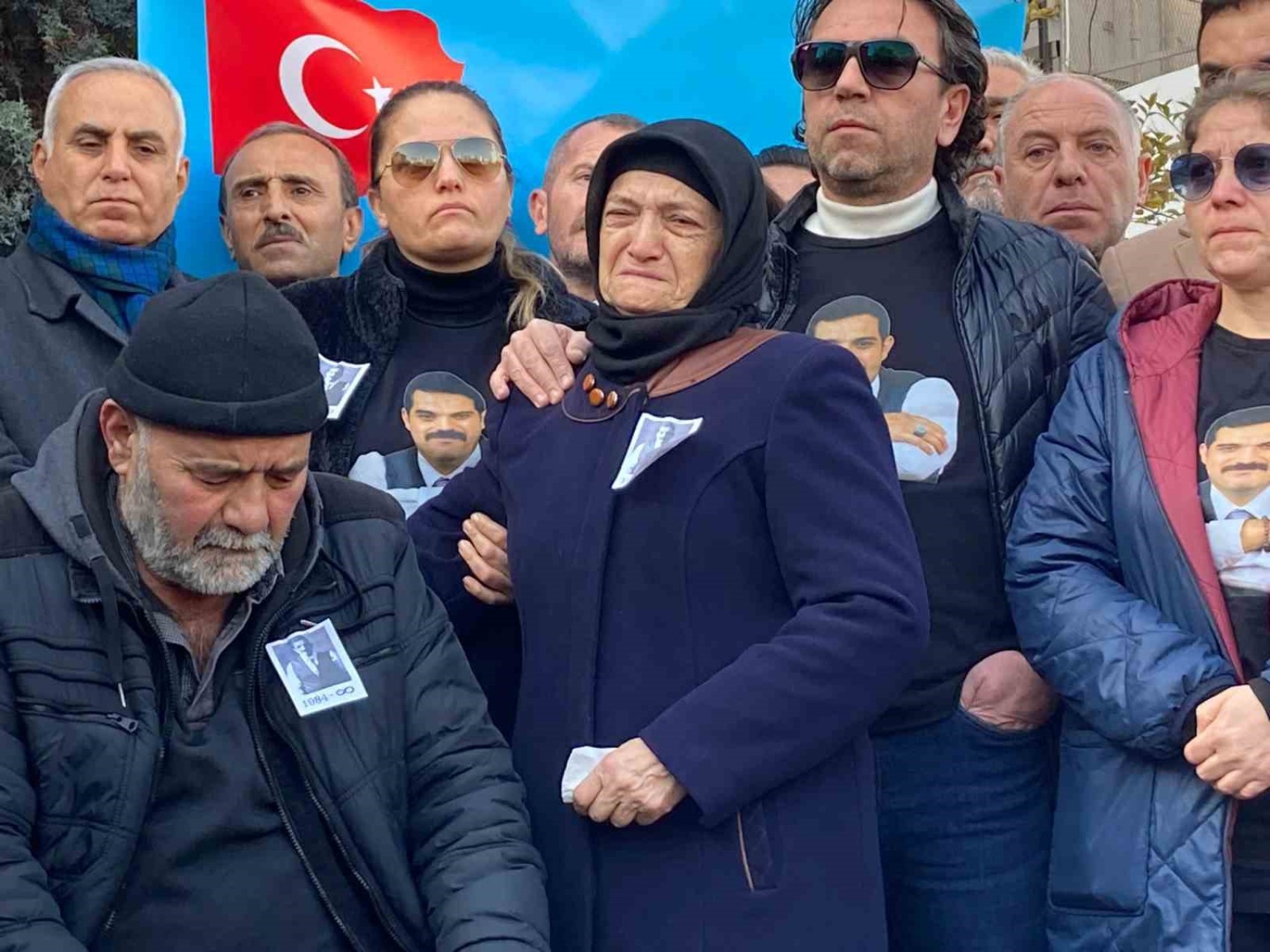
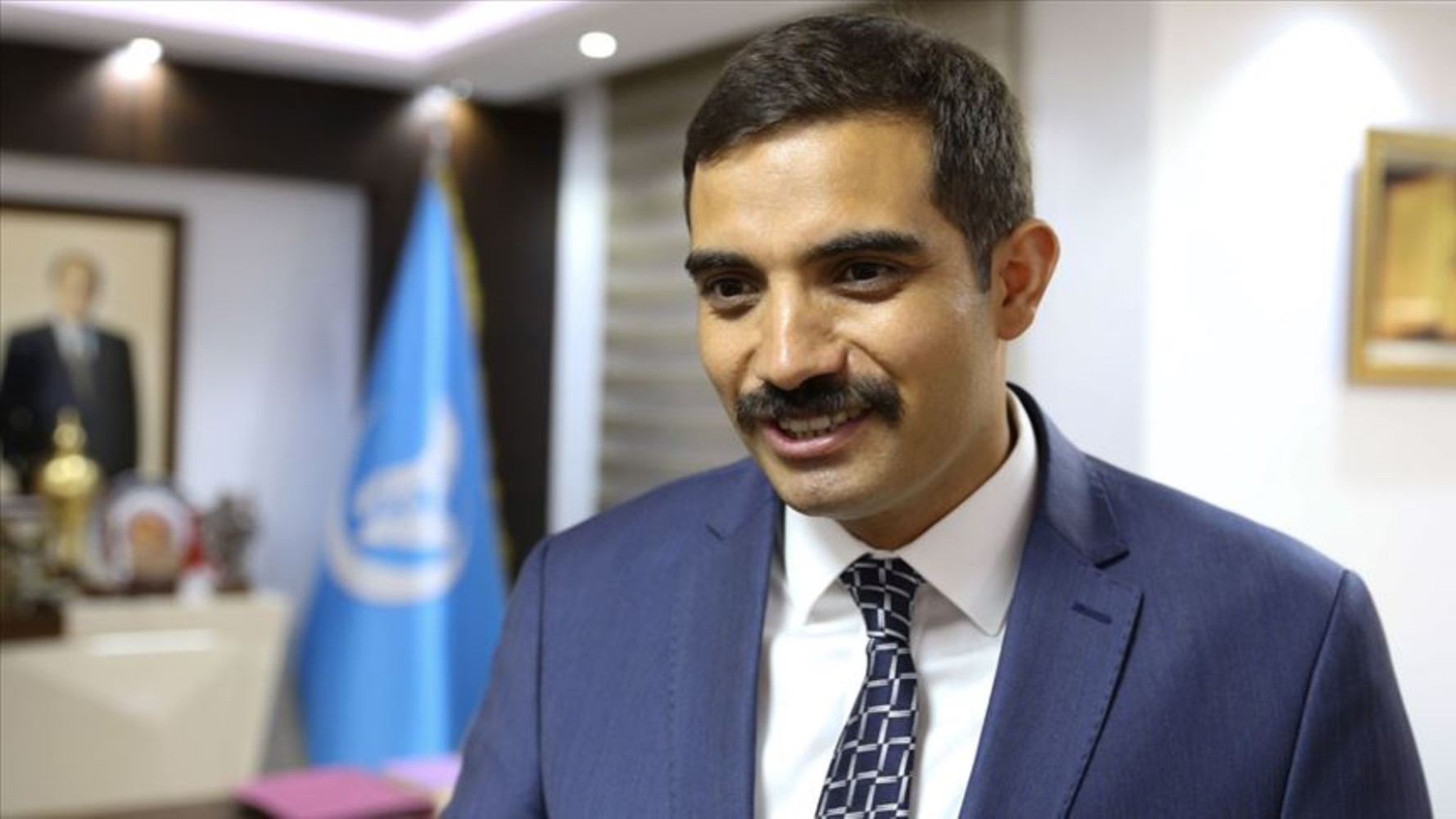
In the investigation into the assassination of former Ülkü Ocakları Chairman Sinan Ateş in Ankara's Çukurambar district in 2022, a decision of non-prosecution was issued for 22 individuals whose files were separated. These names included former MHP MP Olcay Kılavuz and Ülkü Ocakları Chairman Ahmet Yiğit Yıldırım.
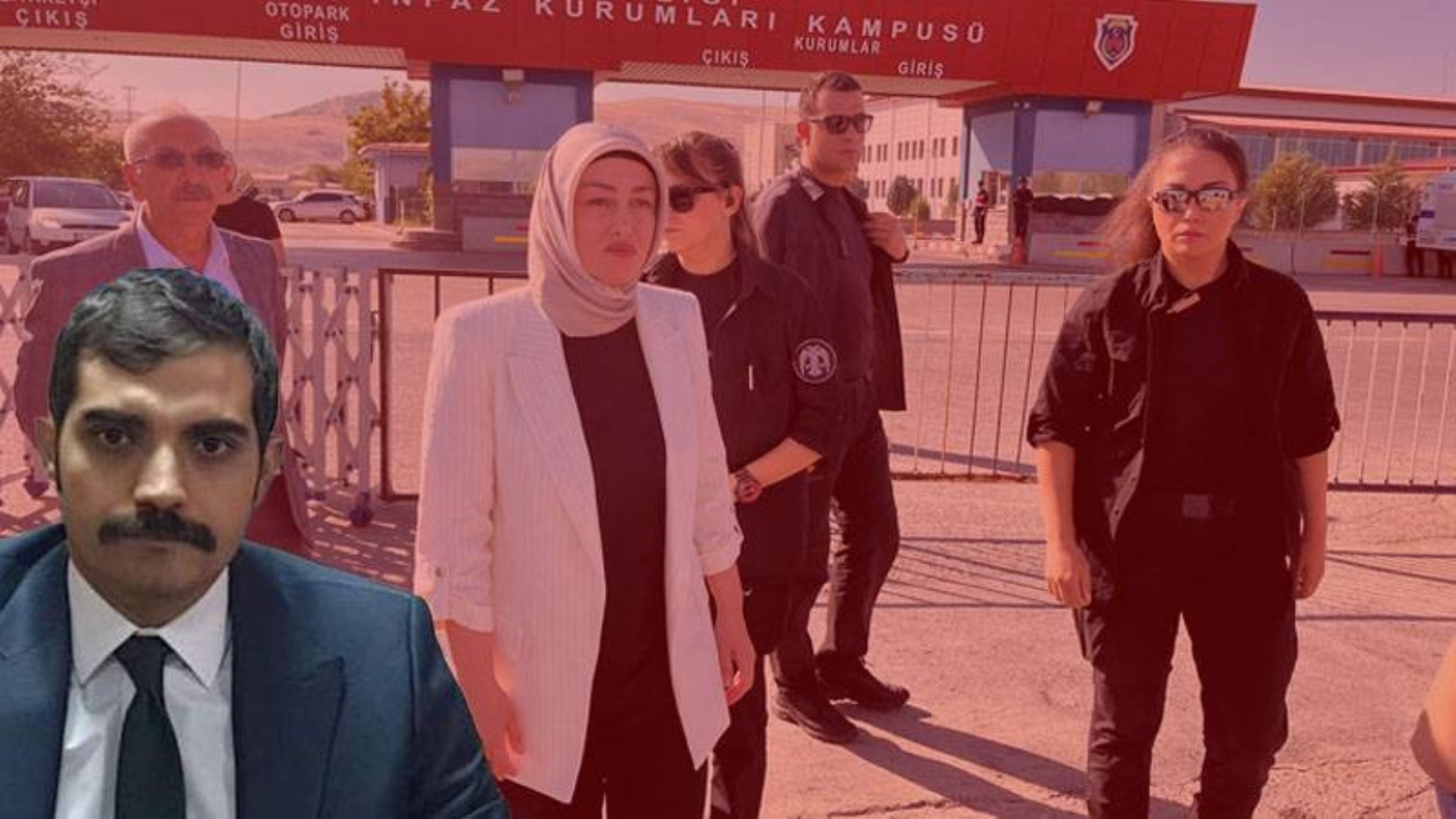
The Ankara Chief Public Prosecutor's Office stated that there was insufficient evidence to establish a link between the evidence obtained during the investigation phase and the suspects. The decision stated that for 16 people, "there was no evidence that they acted together with the defendants on trial or participated in the execution of the crime."
CONTROVERSIAL CASE
Regarding Olcay Kılavuz, who was alleged to have hidden Tolgahan Demirbaş—who received a life sentence with no possibility of parole in the Ateş murder—it was argued that "there was no concrete suspicion regarding the crime of harboring a criminal." However, expert reports in the case file suggested that the task of tracking Sinan Ateş was given to Demirbaş by Ahmet Yiğit Yıldırım.
Cumhuriyet columnist Barış Pehlivan addressed the non-prosecution decision in his column. In his article titled "Z Report," Pehlivan evaluated the decision, posed the question "What does the final decision tell us?" and made the following statements:
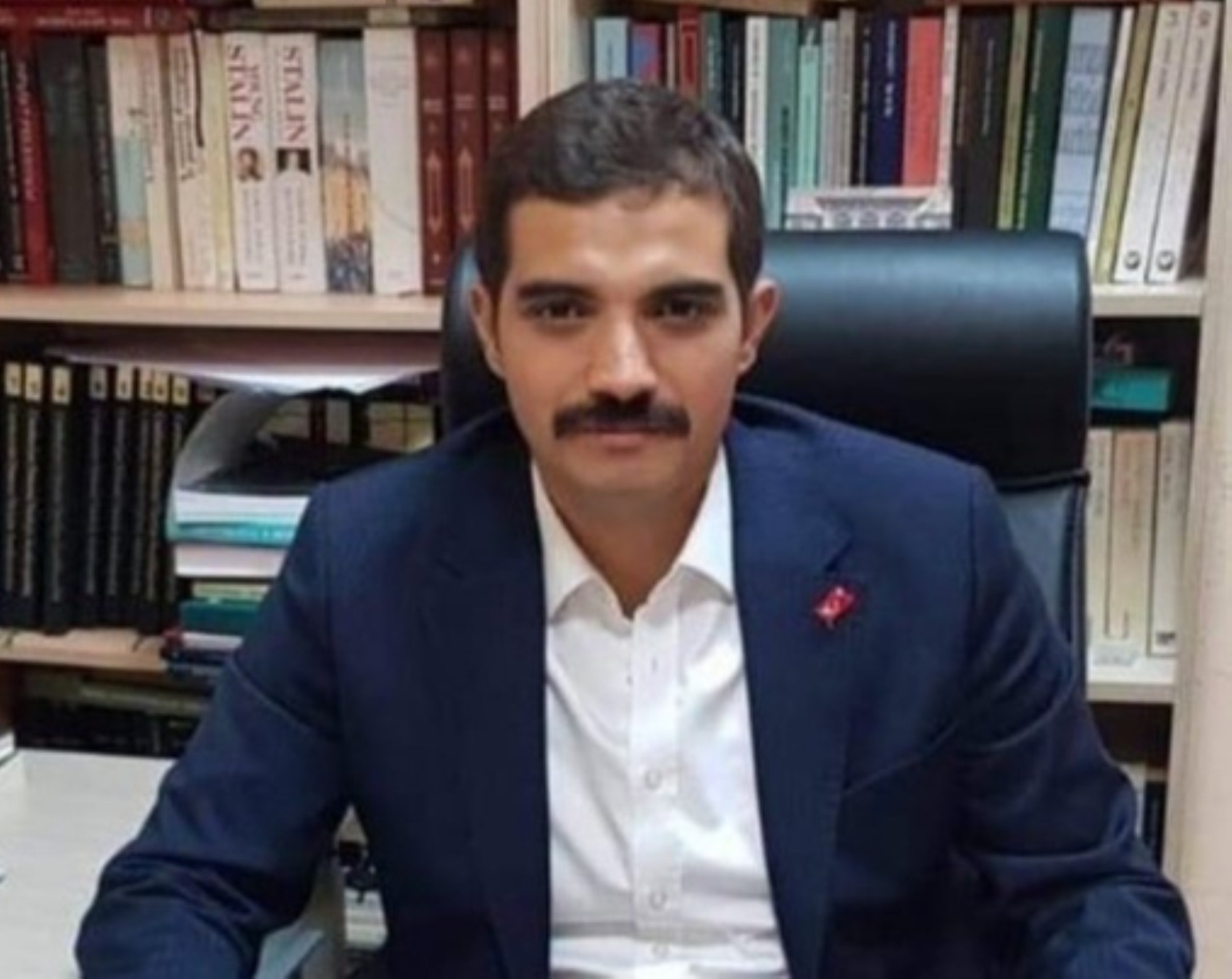
"1- An academic who was a former friend targeted by the ruling partner of this country can be killed in the capital of this country with the support of this country's serving police, intelligence officers, and members of parliament. The crime scene can also be the most frequented place in the capital for politicians, security bureaucrats, and intelligence officers. Yet, why he was killed, by whose orders he was killed, and who wants to close the file on his murder are not questioned by the state of this country.
2- It is as if some people in Istanbul and some people in Ankara agreed to kill Sinan Ateş without knowing each other and without being aware of each other. As if there were no others facilitating the relationship between them.
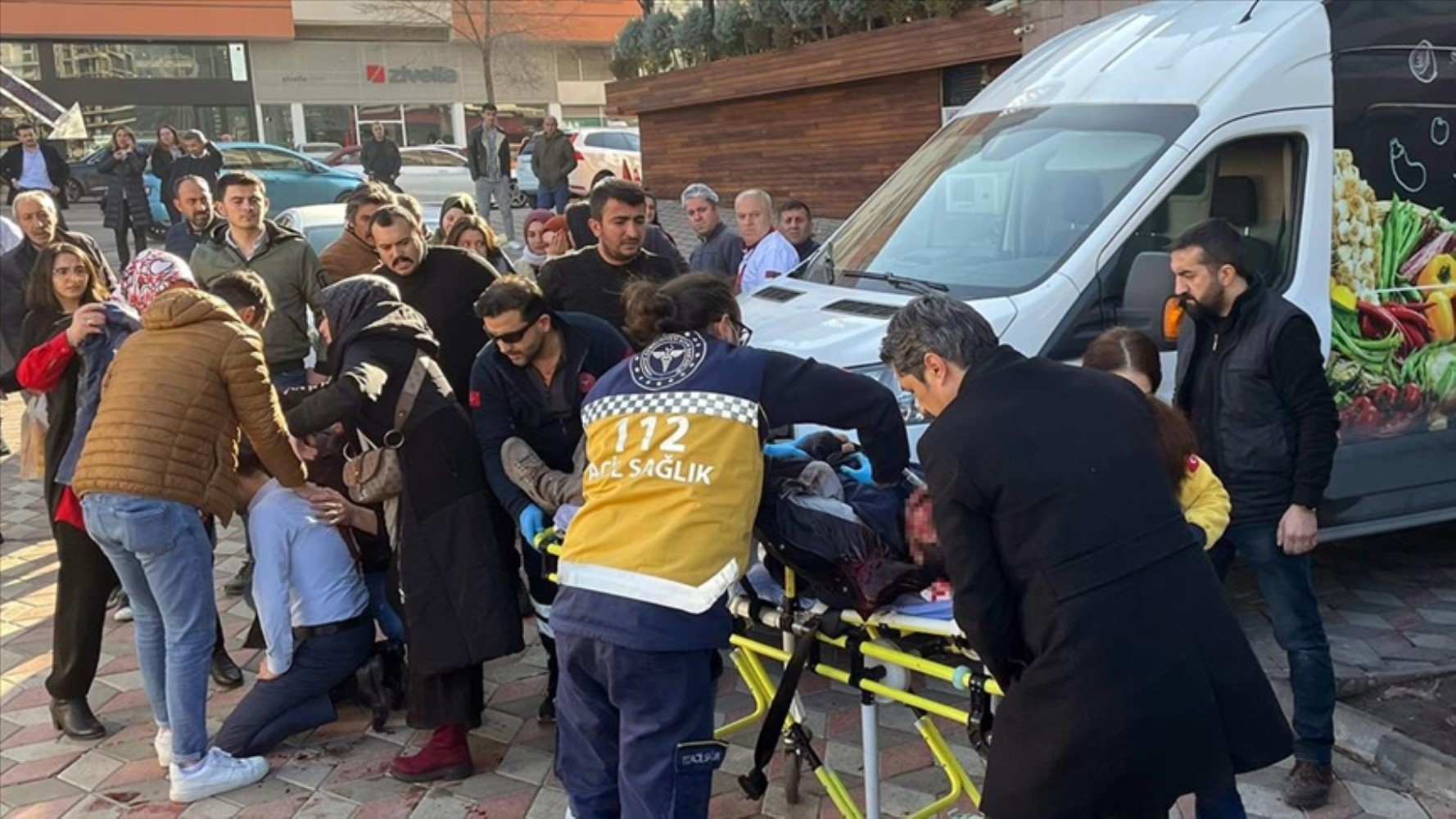
3- Officials of this state can use the state's resources and play a role in your murder. Even if you have great social support behind you, your murder file can only reach the hitman and a few intermediaries. Your actual instigators are protected.
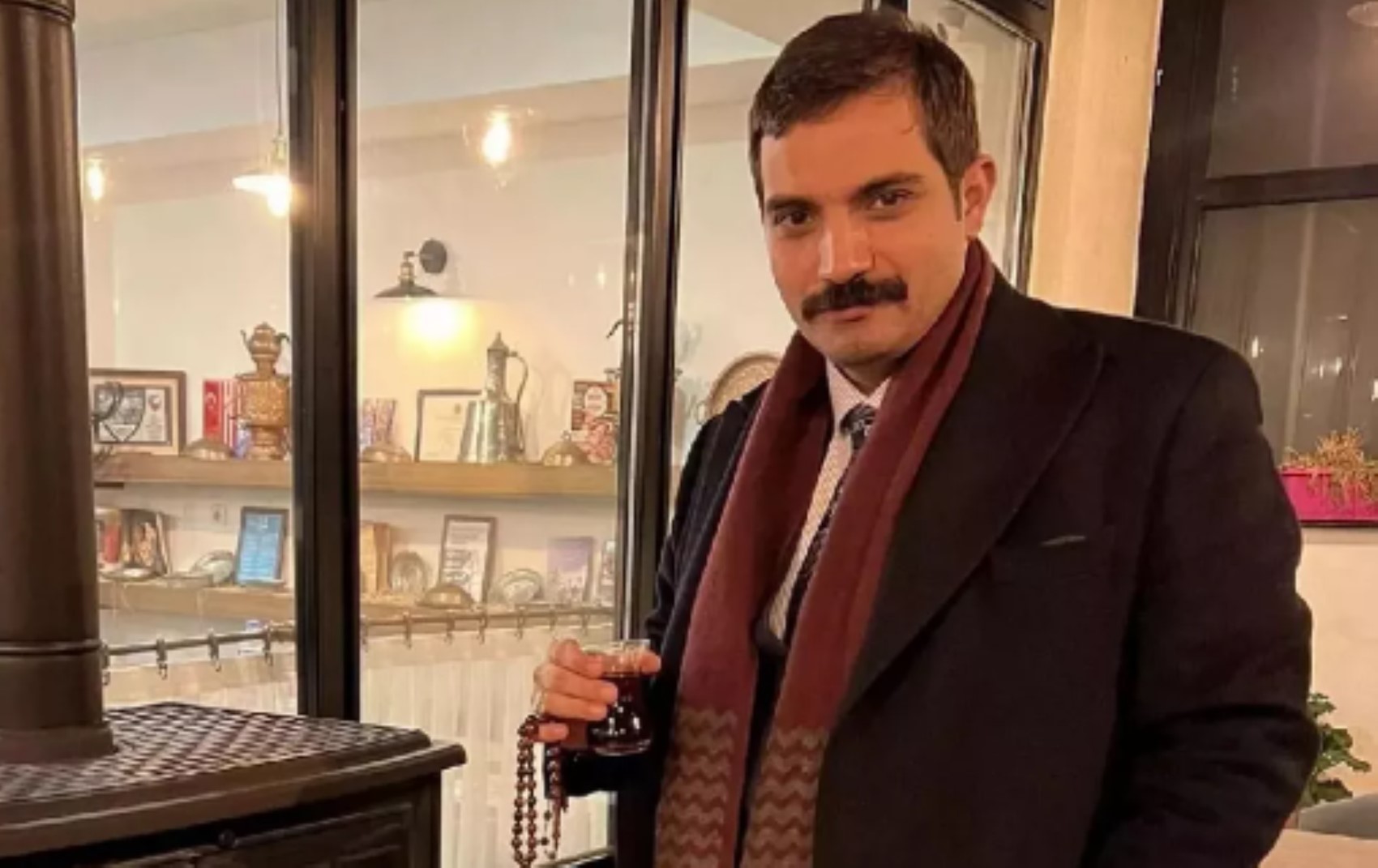
4- The claim that "some MHP executives were also suspects in the Sinan Ateş file" has collapsed. They were never included in that file.
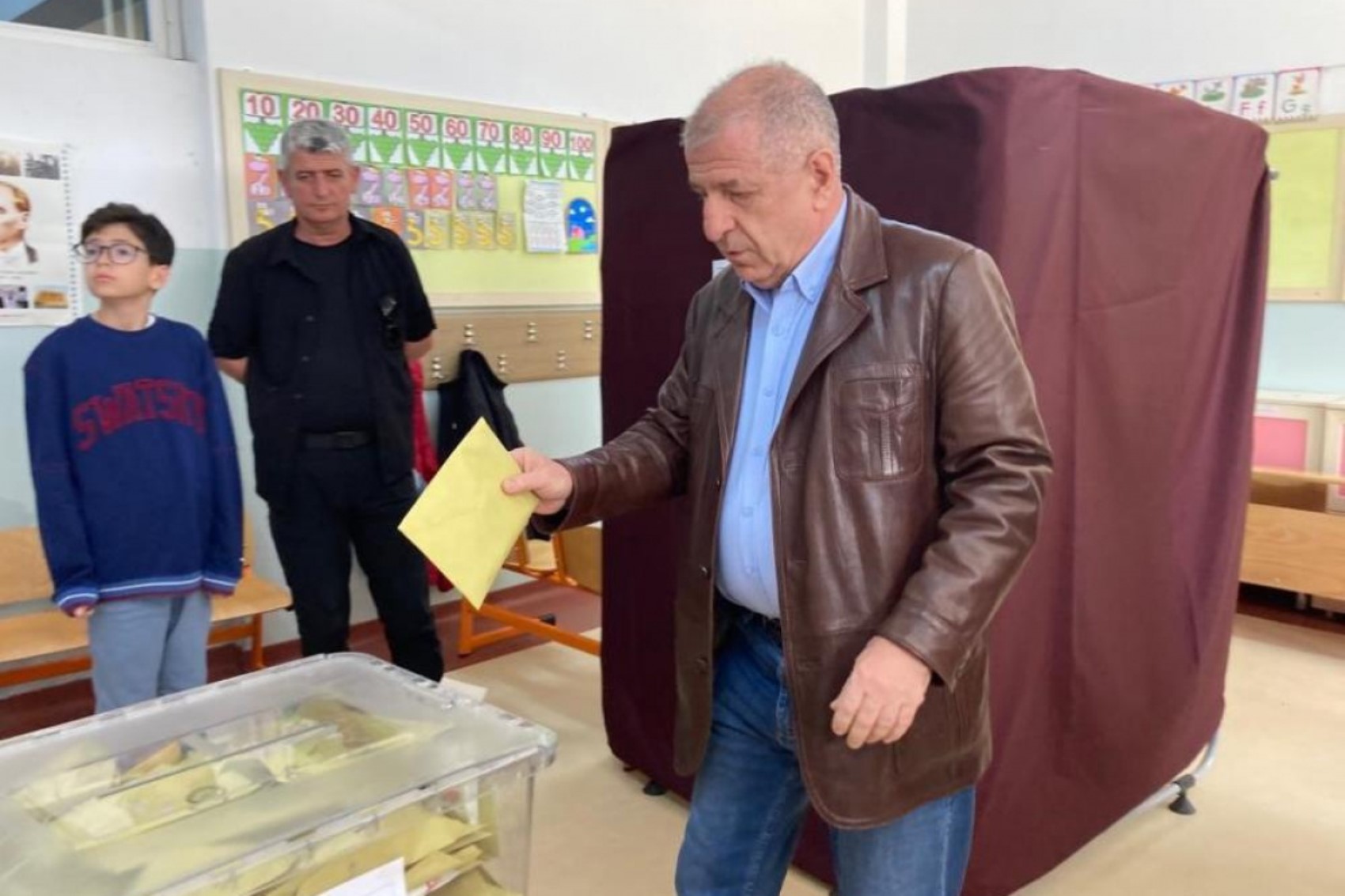
5- The new Öcalan opening, the arrest of Ümit Özdağ, and the failure to expand the Sinan Ateş file are all the joint work of a consensus.
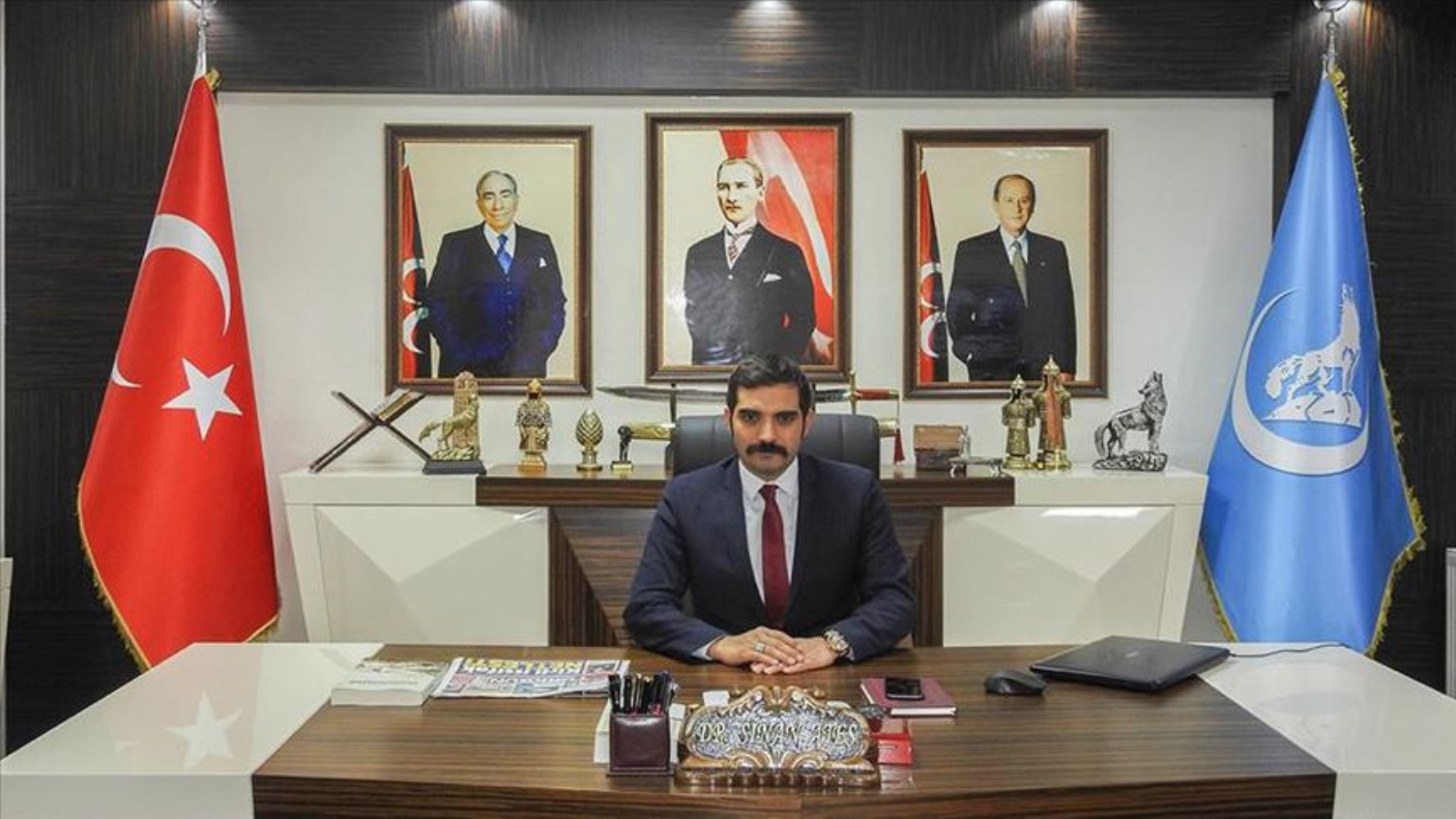
6- The thesis put forward for Recep Tayyip Erdoğan that "the Sinan Ateş file is being kept as leverage against Devlet Bahçeli" had some truth to it. However, there is now a new paradigm and its new rules; the game plan has changed.
7- An attempt was made to pause the infighting in the police and judicial bureaucracy with the closing of the Ateş file. It is unknown how long this ceasefire will last, but a message was sent to the internal front to "project an image of peace."
8- It is certain that a "promise" was made to the defendants inside, just as it was to the suspects outside. They will continue to "remain silent" according to the timing of that promise.
9- There is no doubt that the political atmosphere determines the fate of political cases. In other words, if those who engage in politics in the country tomorrow change, or if politics changes, the file closed today will be reopened.
10- Unfortunately, a harsh, government-backed process that concerns everyone in the country has begun."