Ankara faces earthquake risk! Experts explain: Which districts are more dangerous?
On February 17, a 3.5-magnitude earthquake occurred in the Etimesgut district of Ankara. Experts state that the capital has a high potential to be affected by major earthquakes. Active fault lines surrounding Ankara make the city risky in terms of major seismic events. Furthermore, it is emphasized that old structures and illegal buildings in the capital threaten earthquake safety. So, does Ankara carry an earthquake risk? Is the building stock safe? Here are the details...
12punto
On February 17 at 13:20, a 3.5-magnitude earthquake occurred in the Etimesgut district of Ankara. According to data from the Kandilli Observatory and AFAD, the tremor was also felt in the center of Ankara.
Although the magnitude of the earthquake was relatively small, experts state that Ankara is not as safe as thought in terms of seismicity and that it has a high potential to be affected by major earthquakes.
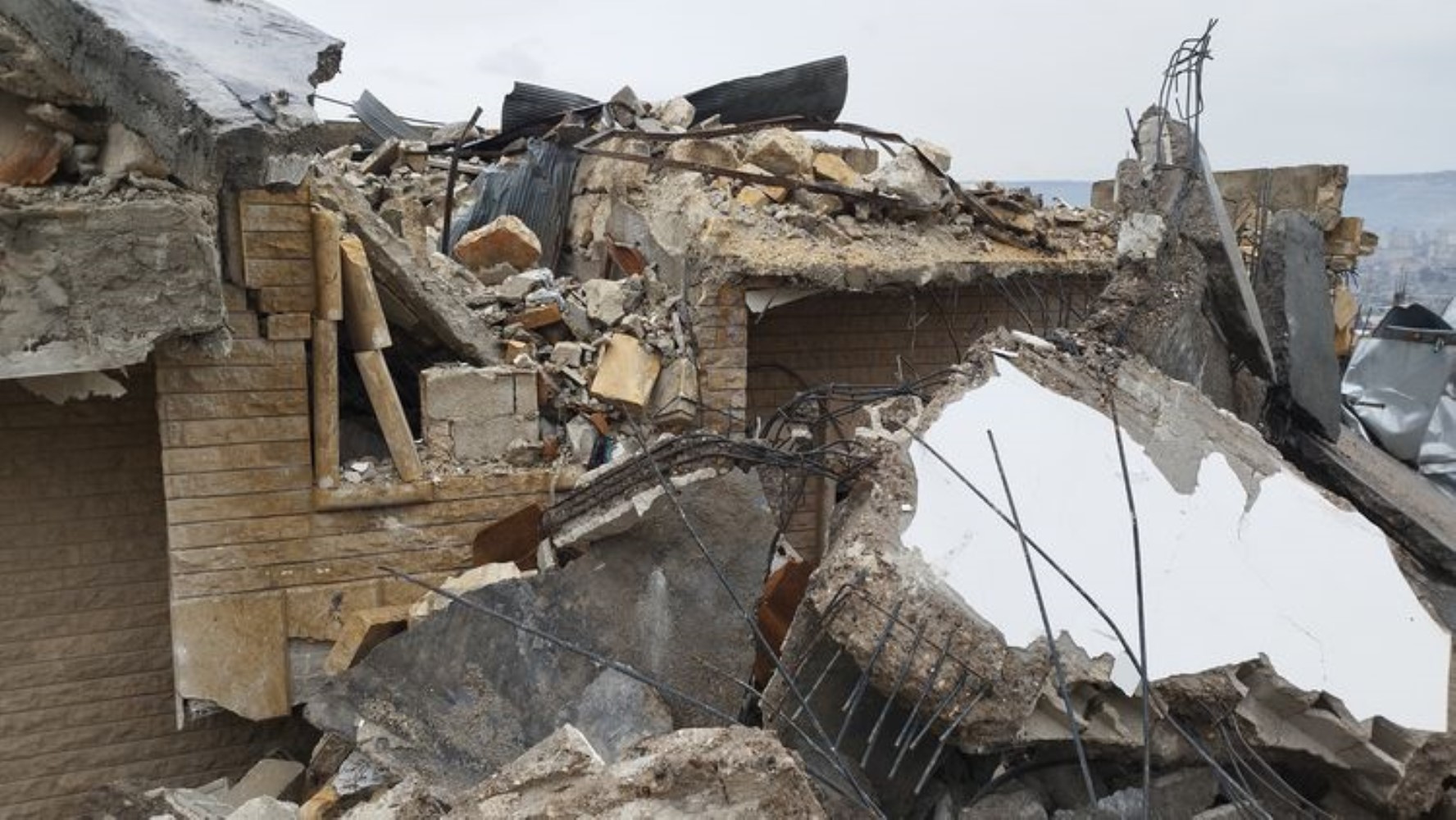
WILL THERE BE AN EARTHQUAKE IN ANKARA?
Speaking to Milliyet, Assoc. Prof. Dr. Bülent Özmen from Gazi University and Prof. Dr. Murat Utkucu from Sakarya University made striking statements regarding the earthquake danger in the capital.
Ankara is only 100 kilometers away from the North Anatolian Fault!
It has been affected by major earthquakes throughout history.
Although there are no active faults in the city center, the faults surrounding it carry serious risks.
12 MAJOR EARTHQUAKES
According to data provided by Assoc. Prof. Dr. Bülent Özmen, 12 major earthquakes that caused damage have occurred in Ankara in the last 125 years. Among these, the most notable are:
1902 Çankırı Earthquake
1938 Kırşehir-Keskin Earthquake
1943 Ladik Earthquake
1944 Bolu-Gerede Earthquake
1951 Kurşunlu Earthquake
1983 Köşker Earthquake
2000 Dodurga Earthquake
2005 and 2007 Bala Earthquakes
2020 Akyurt and 2021 Kalecik Earthquakes
These earthquakes show that Ankara can be affected by major fault movements.
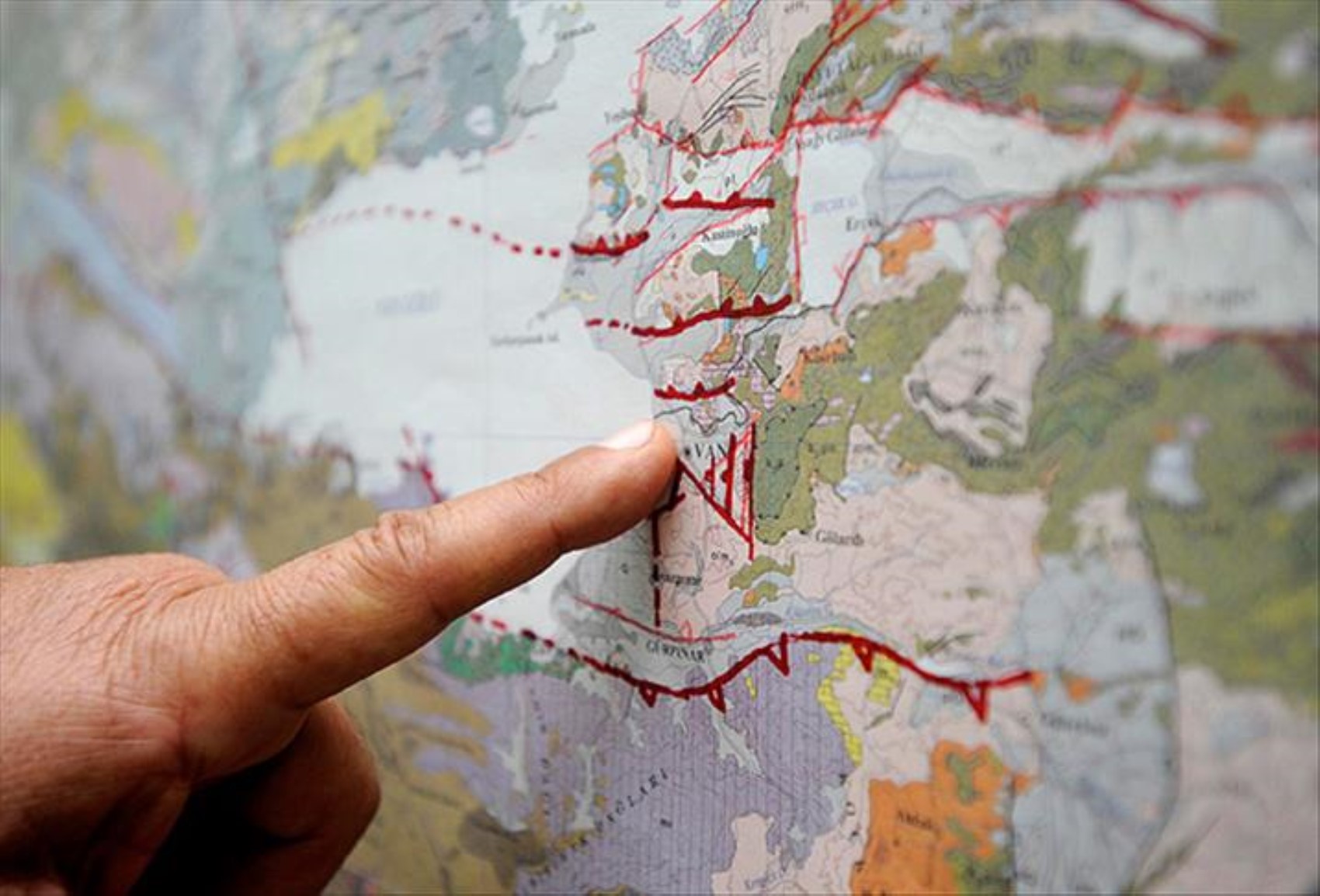
ANKARA'S SURROUNDINGS ARE ENCIRCLED BY AN EARTHQUAKE BELT
The capital's surroundings are surrounded by fault lines with the potential to produce major earthquakes. Assoc. Prof. Dr. Özmen says these faults can produce earthquakes larger than 6.5.
Major active faults surrounding Ankara:
North Anatolian Fault (NAF)
Tuz Gölü Fault Zone
Kırıkkale-Erbaa Fault
Seyfe and Salanda Faults
Eskişehir Fault Zone
The distance of these faults from Ankara varies between 60-80 kilometers. According to experts, this distance is not considered very far for major earthquakes.
ARE THERE ACTIVE FAULTS IN ANKARA?
According to Assoc. Prof. Dr. Özmen, there are also some active fault lines within Ankara. These include the Eldivan-Elmadağ tectonic wedge, and the Dodurga, Çeltikçi, Sarıoba-Ayaş, Kazan, and Bala faults.
Although it is stated that a long process is required for a major earthquake due to the low slip rate of these faults, experts emphasize that Ankara does not carry zero risk.
HOW RESISTANT IS ANKARA'S BUILDING STOCK TO EARTHQUAKES?
Ankara was built in the past by being viewed as a low-risk region.
The risk level was increased in the 2019 Earthquake Map.
50% of the soil structure is weak, which increases the impact of an earthquake.
Illegal structures and old buildings pose a major risk.
Experts state that construction techniques and building inspections in Ankara should be controlled more strictly. Especially after the February 6, 2023 Kahramanmaraş earthquakes, it is stated that Ankara must face the reality of earthquakes.
GÖLCÜK AND DÜZCE EARTHQUAKES AFFECTED ANKARA
According to Prof. Dr. Murat Utkucu, the 1999 Gölcük and Düzce earthquakes also increased seismic activity in Ankara. There are scientific studies showing that the 5.5 and 5.7-magnitude earthquakes that occurred in the Bala district in 2005 and 2007 were experienced with the triggering effect of the 1999 earthquakes.