Attention vehicle owners! Entry to Eminönü and Kadıköy will be subject to a fee
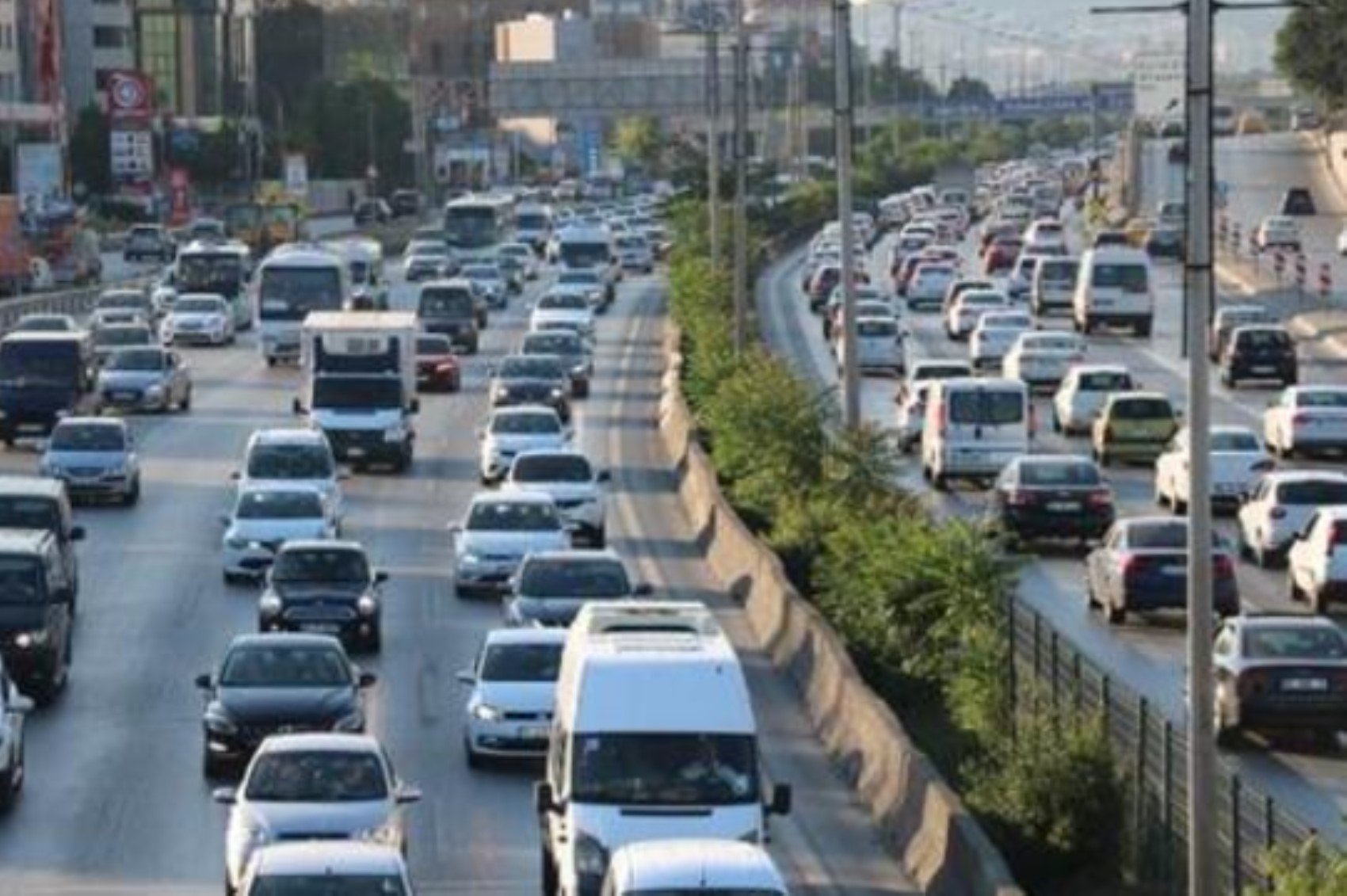
Istanbul is implementing a "Congestion Pricing" system to reduce traffic congestion and prevent air pollution. With the system, which will first begin in Eminönü, vehicle owners will pay a fee for certain zones. Kadıköy will also be included in this application. The practice aims to offer a solution to the traffic problem in Istanbul, following successful examples from around the world. What is paid vehicle entry and why is it implemented? Here are the details...
12punto
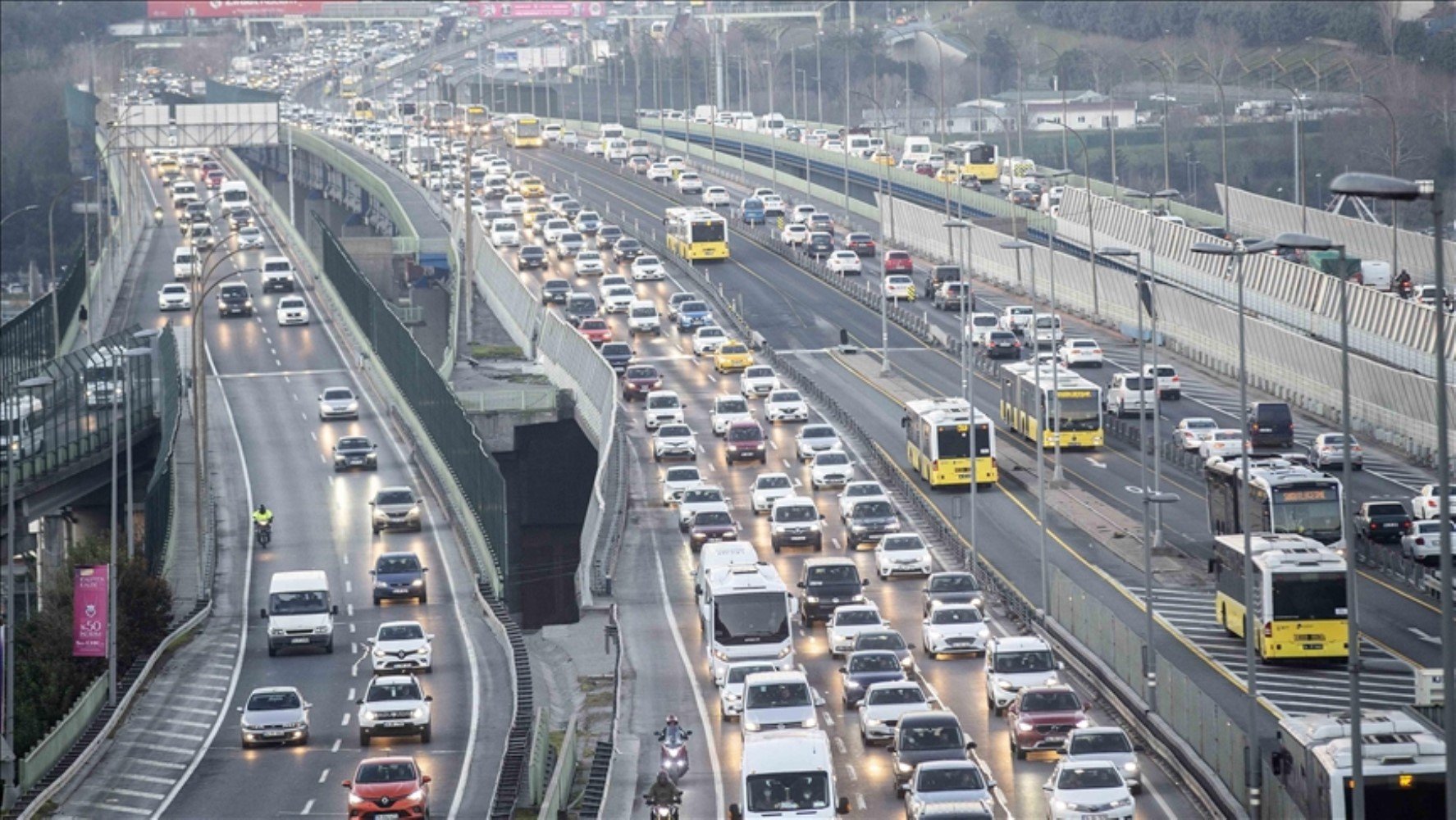
According to the news in Sputnik, applications prepared within the scope of the "Istanbul Sustainable Urban Mobility Plan (SUMP)" are being implemented to find a solution to Istanbul's increasing traffic problem. As part of the plan, with "Traffic Congestion Pricing," vehicle owners will pay an entry fee for certain zones.
Eminönü was chosen as the first application area, and then Kadıköy will be included in the pilot project.
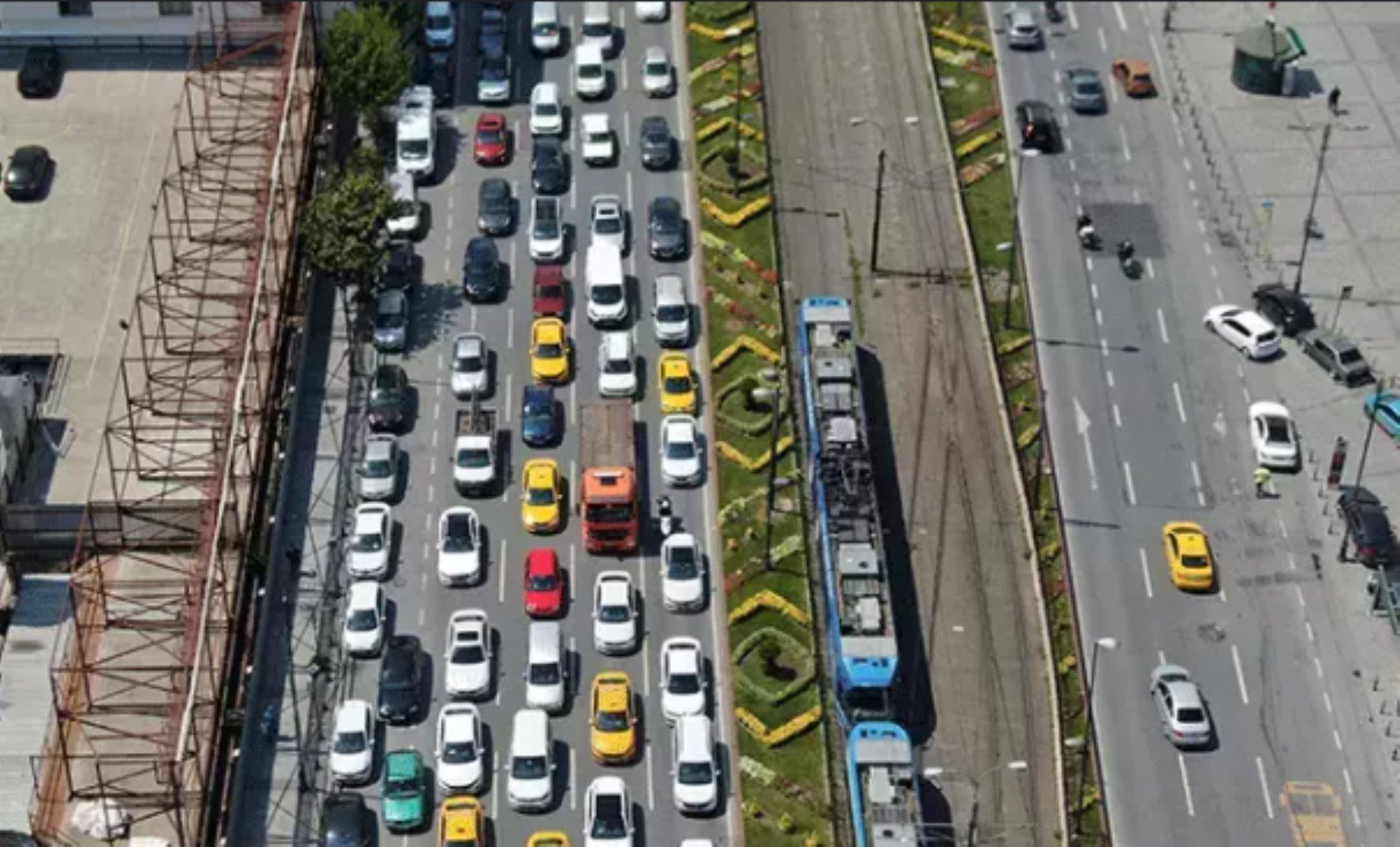
TRAFFIC DENSITY WILL DECREASE BY 10 PERCENT IN 2030
Within the scope of the plan, many innovative solutions are targeted to reduce traffic congestion:
It is projected that density during peak hours will decrease by 10.1 percent in 2030 and 12.8 percent in 2040.
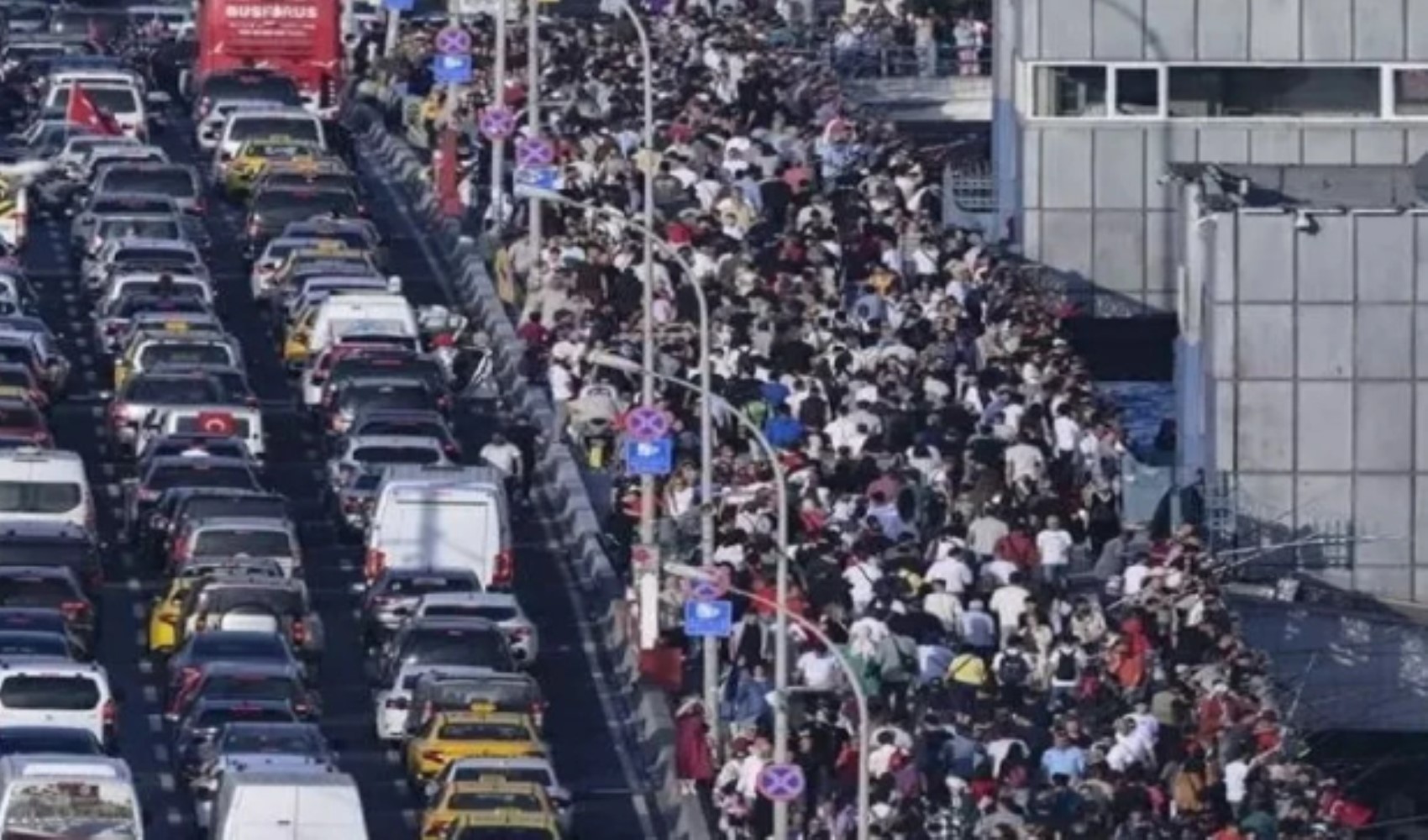
With the "Low Emission Zones (LEZ)" application, an extra fee will be charged for vehicles that cause more harm to the environment.
Environmentally friendly arrangements such as sea transportation and bus-priority lanes will be increased.
Istanbul Metropolitan Municipality Mayor Ekrem İmamoğlu stated that the plan is Turkey's first sustainable urban mobility plan and contains solutions that will encourage environmentally friendly transportation.
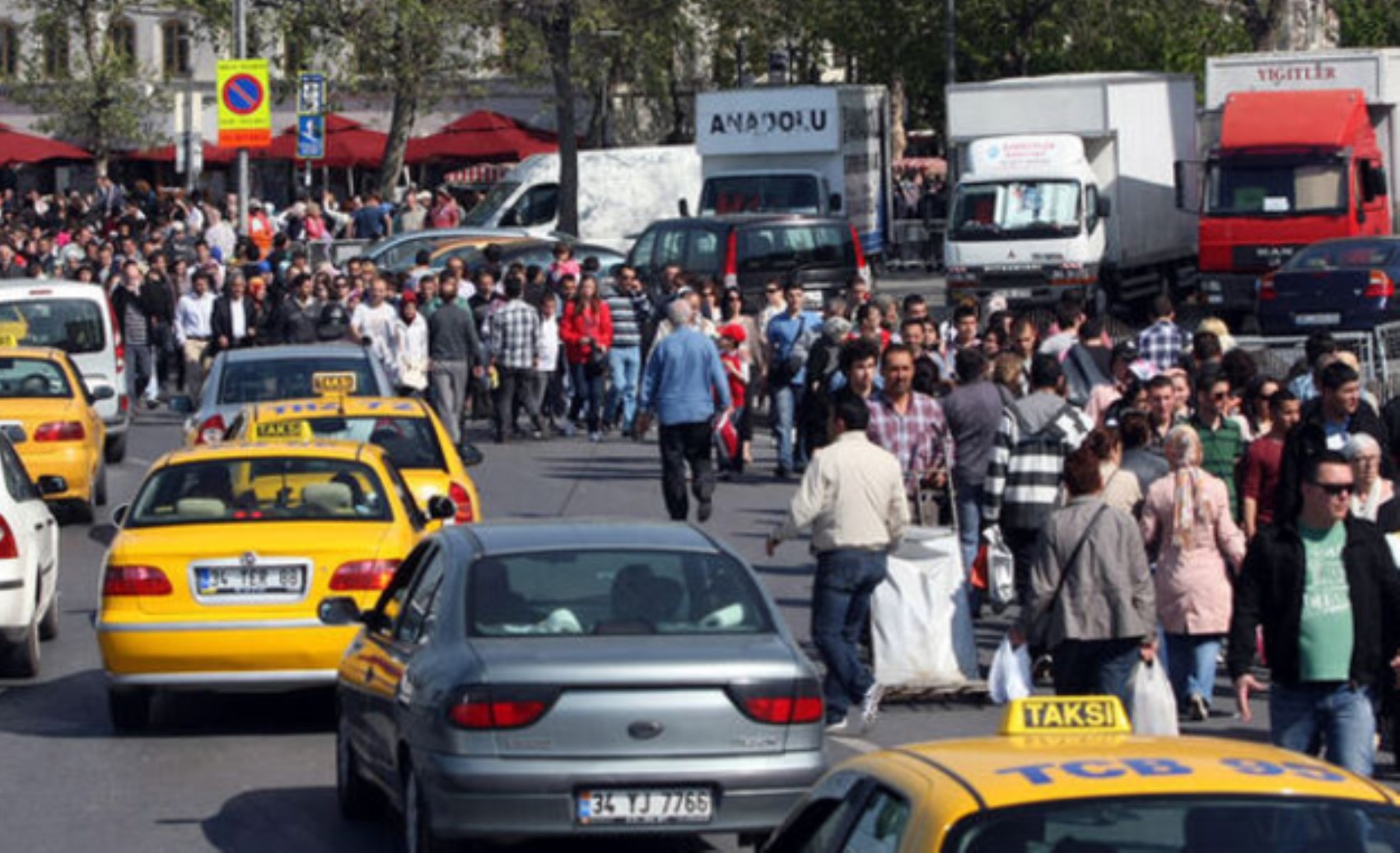
EMİNÖNÜ AND KADIKÖY CHOSEN AS PILOT REGIONS
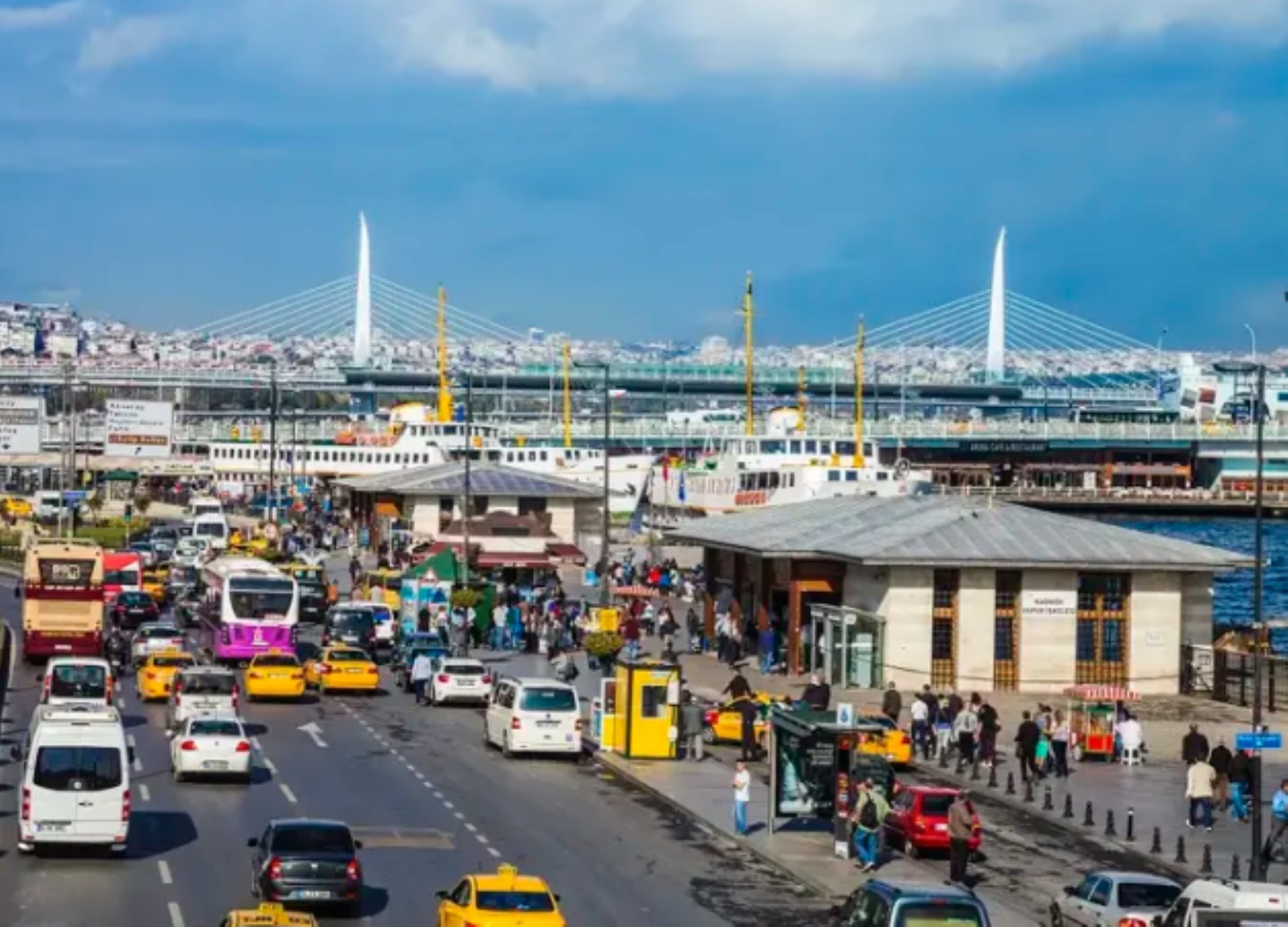
Eminönü, chosen as the pilot application, will be included in the system in an area of approximately 6 square kilometers. Afterward, the Moda district of Kadıköy will join the application. With Low Emission Zones, a higher fee will be requested for vehicles that harm the environment, while environmentally friendly vehicles will be able to benefit from a low-tariff advantage.
TRAFFIC DATA REVEALED
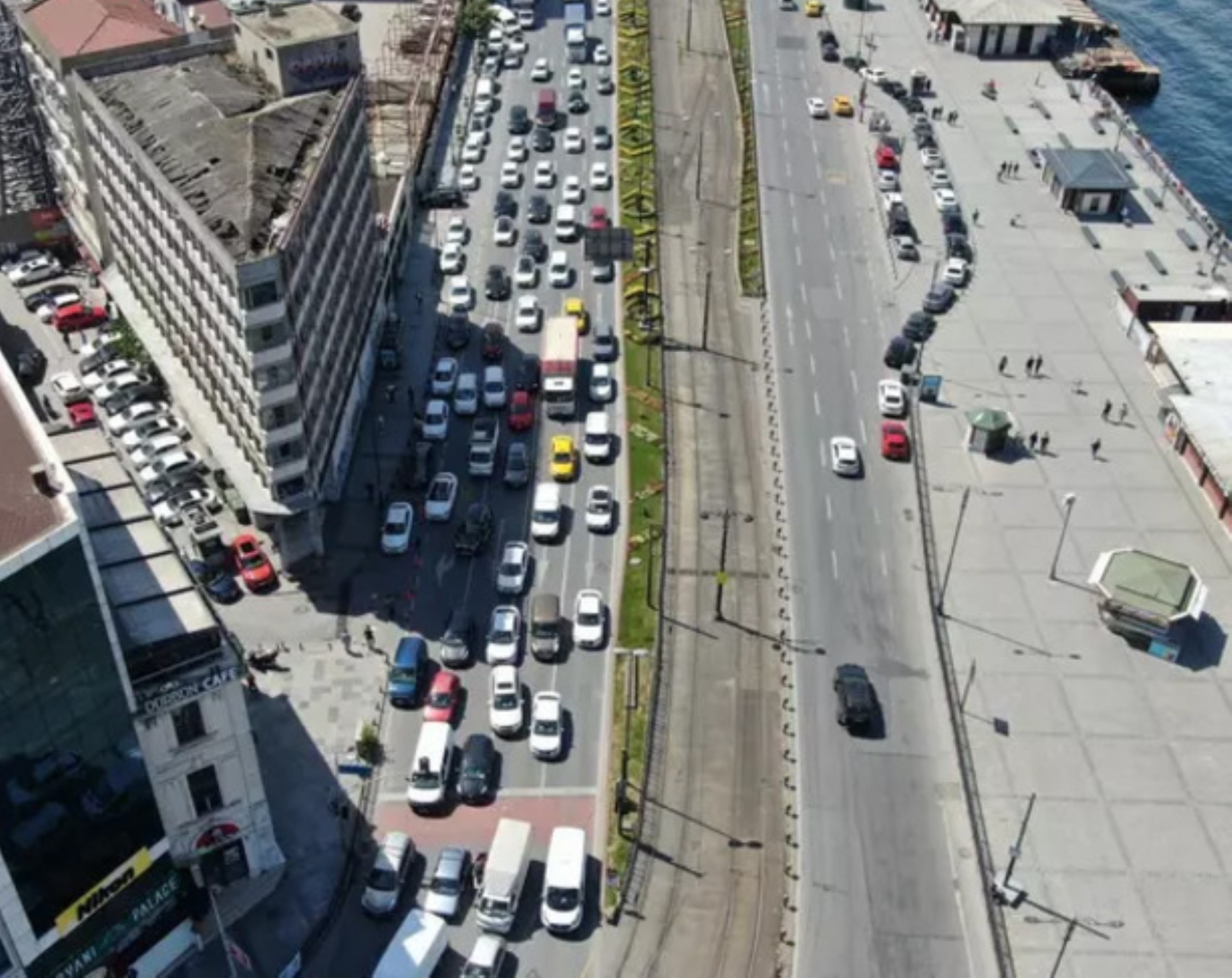
According to TomTom Traffic Index data, Istanbul ranked 65th in the world in terms of traffic density.
Average travel speed: 23 km/h
Time lost in traffic annually: 104 hours
Average 10 km travel time: 20 minutes 40 seconds
According to this data, in addition to Istanbul, Gaziantep and Ankara are also among the cities that stand out in terms of traffic congestion.
PAID ENTRY WILL INCREASE PUBLIC TRANSPORTATION
Prof. Dr. Ayşe Uyduranoğlu from Istanbul Bilgi University's Department of Economics stated that the system has been implemented in cities such as London, Stockholm, and Milan before and has yielded successful results. Stating that the application reduced traffic density by up to 40 percent in some cities, Uyduranoğlu emphasized that there was a 5-10 percent increase in public transportation usage.
WILL THE PILOT APPLICATION BE SUCCESSFUL?
Uyduranoğlu made the following suggestions for the system to work healthily:
The results of the pilot applications should be shared transparently.
A low tariff should be applied to environmentally friendly vehicles.
For public support, the opinion of the society should be taken through methods such as a referendum.
Innovative approaches to Istanbul's traffic problem
In line with the results to be obtained from the pilot project, it is planned to expand the paid entry system to other regions of Istanbul. Experts argue that such applications will be effective in combating air pollution and reducing carbon emissions.
WHICH CITIES WERE SUCCESSFUL IN PAID ENTRY?
London: Traffic decreased by 20 percent, an increase in public transportation usage was achieved.
Stockholm: The application succeeded with referendum support, air pollution decreased by 14 percent.
Milan: The system, which provides advantages to environmentally friendly vehicles, reduced carbon emissions.
Singapore: Traffic decreased significantly with electronic pricing.
New York: Manhattan traffic was brought under control with daily fees.
WHAT IS PAID ENTRY AND WHY IS IT IMPLEMENTED?
In order to reduce traffic congestion, combat air pollution, and encourage environmentally friendly transportation, vehicle entry to certain zones is becoming paid in many cities. This system aims to regulate vehicle traffic while encouraging public transportation and increasing the use of environmentally friendly vehicles.
London: The first step against traffic density
London implemented the application called Congestion Charge in 2003. Drivers entering by vehicle during certain hours in the busiest parts of the city are charged a daily fee of 15 pounds. Thanks to this application, traffic decreased by 20 percent and public transportation usage increased significantly.
Stockholm: The application accepted by referendum
Stockholm, the capital of Sweden, implemented the paid entry system in 2007 to prevent traffic congestion. This decision was taken as a result of a referendum held with public participation. The system succeeded in reducing air pollution by 14 percent and traffic density by 20 percent.
Milan: Environmentally friendly vehicles are advantageous
The city of Milan in Italy made vehicle entry to the city center paid with the system it called "Area C" in 2012. While a fee of 5 euros is charged for fossil-fueled vehicles, electric and hybrid vehicles can enter for free. This application significantly reduced carbon emissions.
Singapore: The world's first paid entry application
Singapore became the first city to implement a paid vehicle entry system in 1975. With the system called "ERP (Electronic Road Pricing)," a fee is charged with dynamic pricing from vehicles entering the city center during peak traffic hours. This application significantly reduced both traffic density and air pollution.
New York: The first paid entry system in the USA
New York became the first city in the USA to make vehicle entry paid in 2021. With the system applied in certain parts of Manhattan, a fee ranging from 9 to 23 dollars per day is requested from drivers. This application aims to increase public transportation and reduce traffic congestion.