Contradicts his own sermon: Diyanet President Ali Erbaş took a personal ironer on his Hajj pilgrimage!
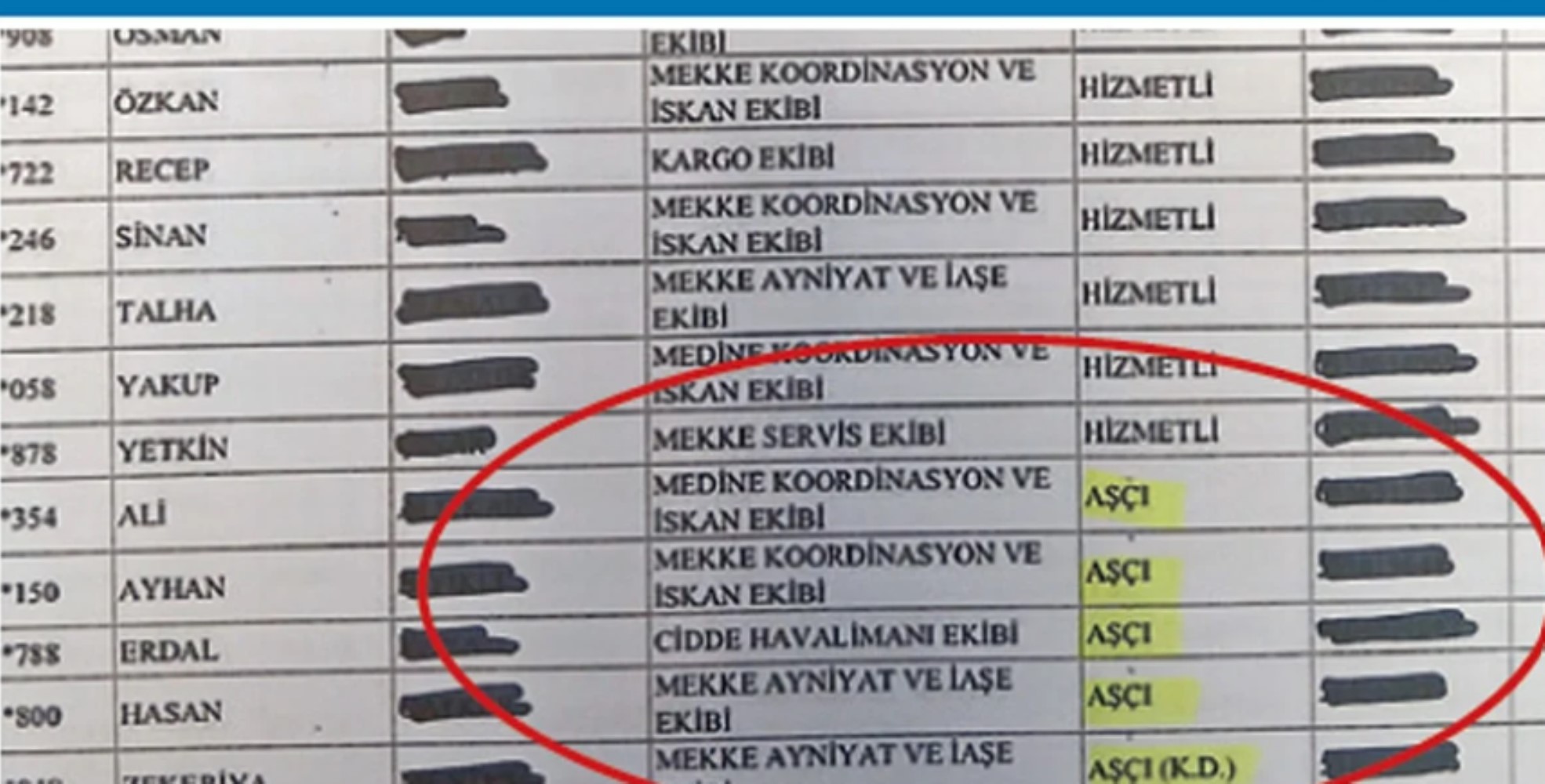
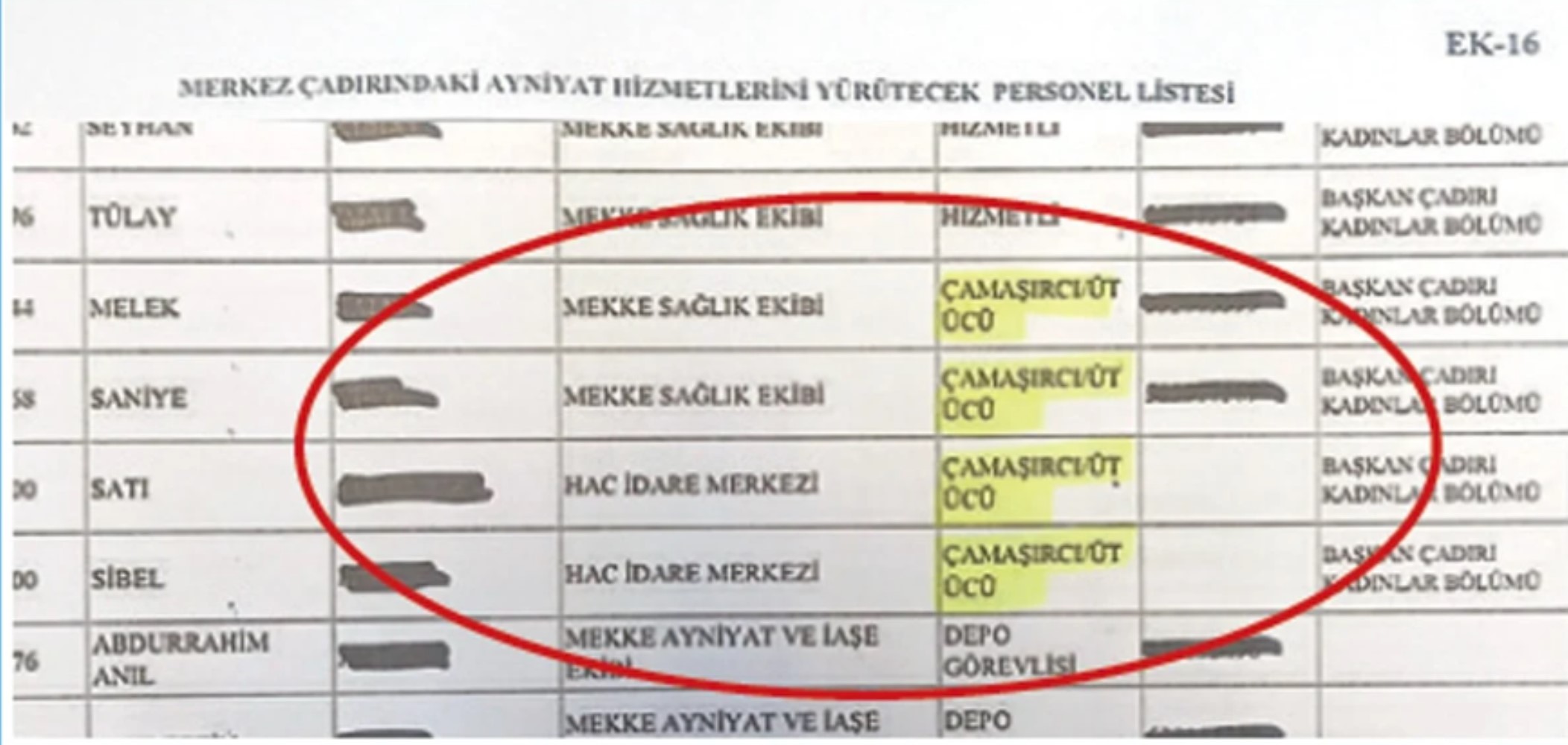
It has been revealed that Diyanet President Ali Erbaş and his wife, Seher Erbaş, took a staff member to work as an ironer from Ankara to Mecca for their Hajj pilgrimage. In addition to the ironer, several other service personnel were assigned to duty in the Arafat tent.
12punto
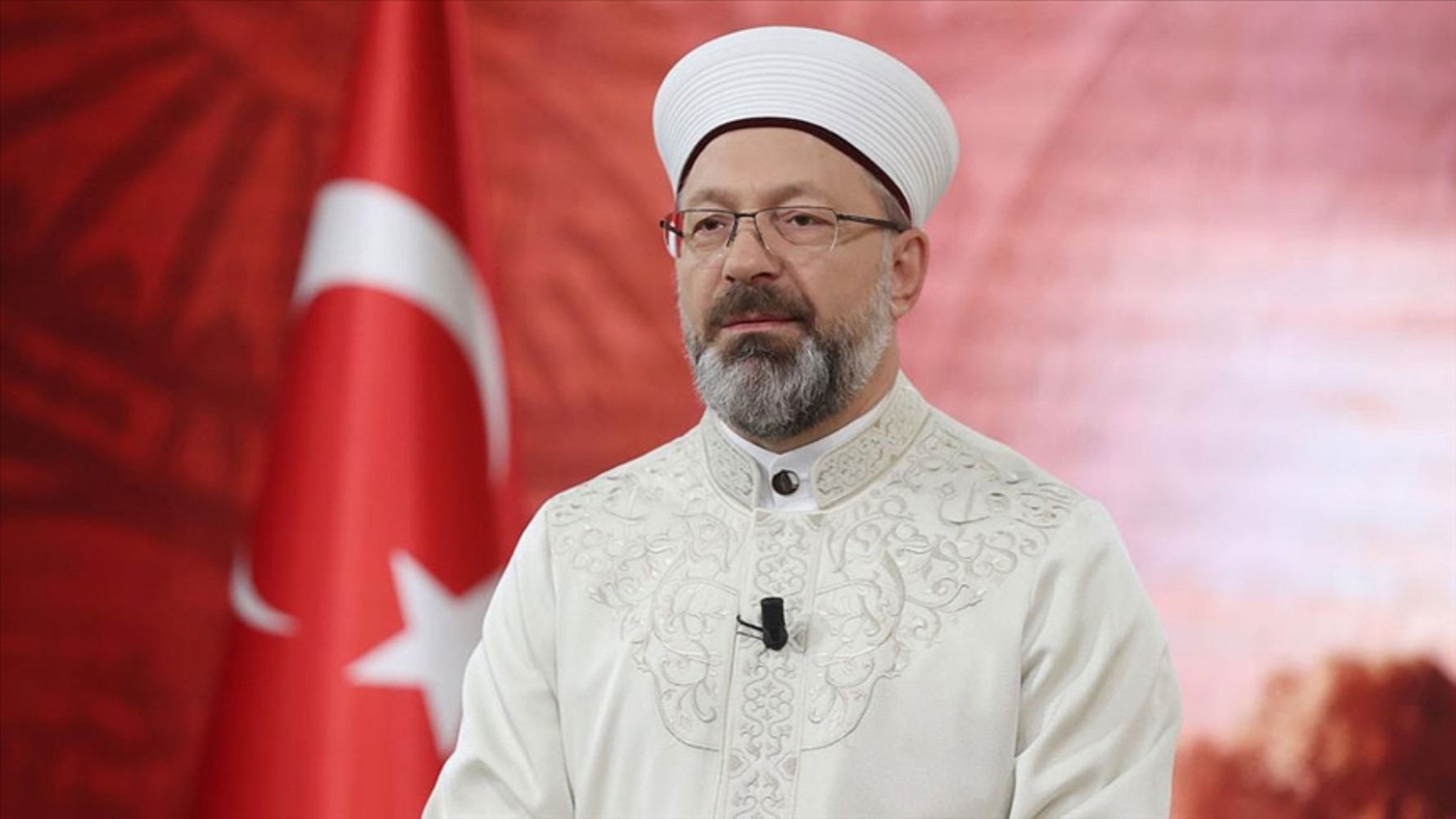
The visit by Diyanet President Ali Erbaş and his wife, Seher Erbaş, as part of the 2025 Hajj organization has sparked a new controversy. According to an official document obtained by Sözcü, an ironer was sent from Ankara to Mecca along with the Erbaş couple. This individual was tasked with ironing the couple's clothes throughout the Hajj. The document also noted that a large number of service staff were assigned specifically to the Erbaş couple in the tent set up in Arafat.

HAJJ TEAM EXCEEDS 4 THOUSAND, REACTIONS MOUNT
While 84 thousand 942 people from Turkey performed the Hajj this year, a Diyanet team of 4 thousand 91 people was also sent to the holy lands to provide support. This team included not only religious officials but also cooks, dietitians, and food service personnel. However, the staff assigned for the personal services of the Erbaş couple has drawn criticism.
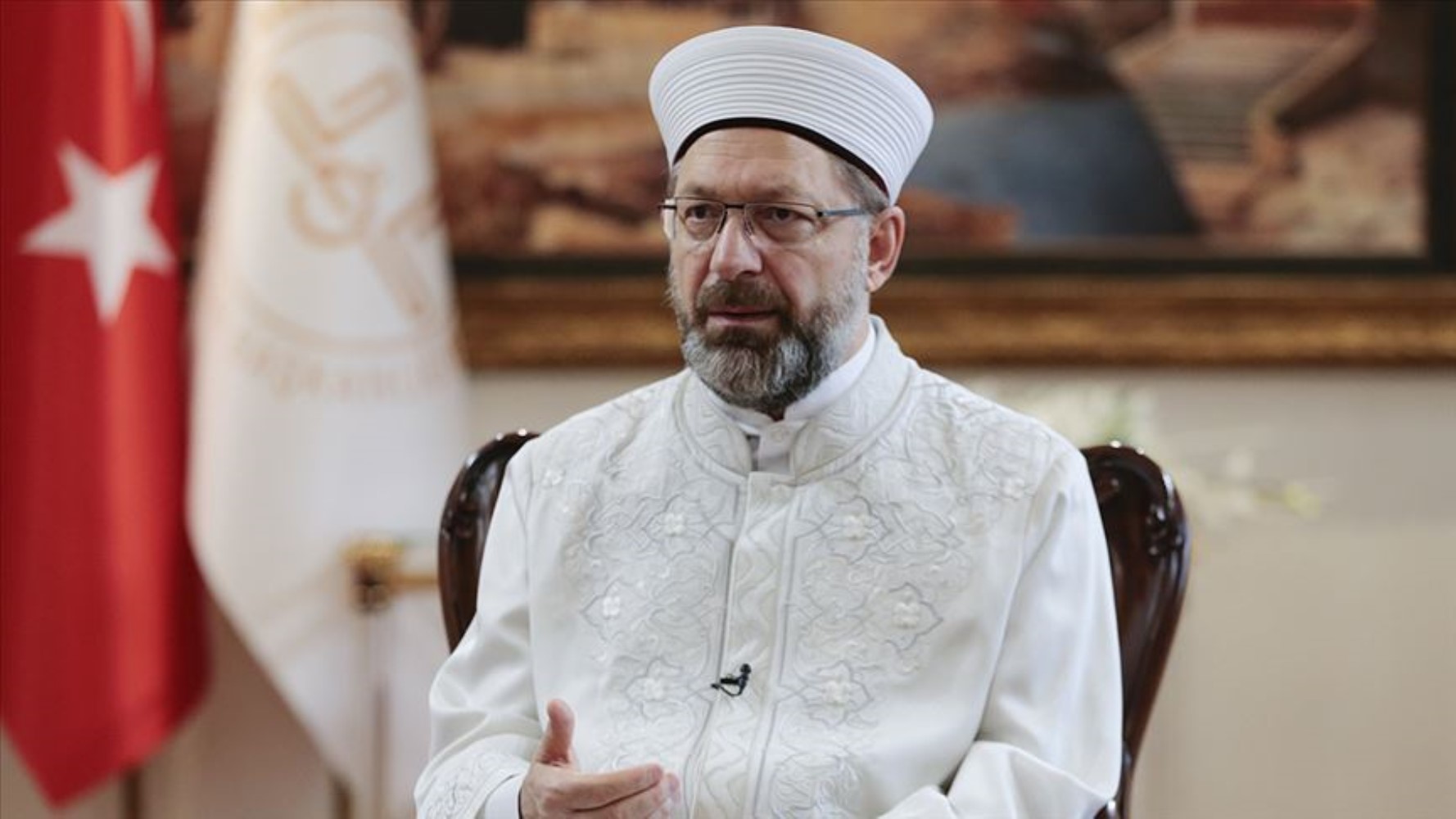
Speaking to Sözcü, a Diyanet official stated, “Last Friday, a very important sermon was read in 90 thousand mosques, explaining the importance of public property. But what is happening here is beyond words. Those who should be protecting the nation's trust are spending this trust for their own pleasure.”
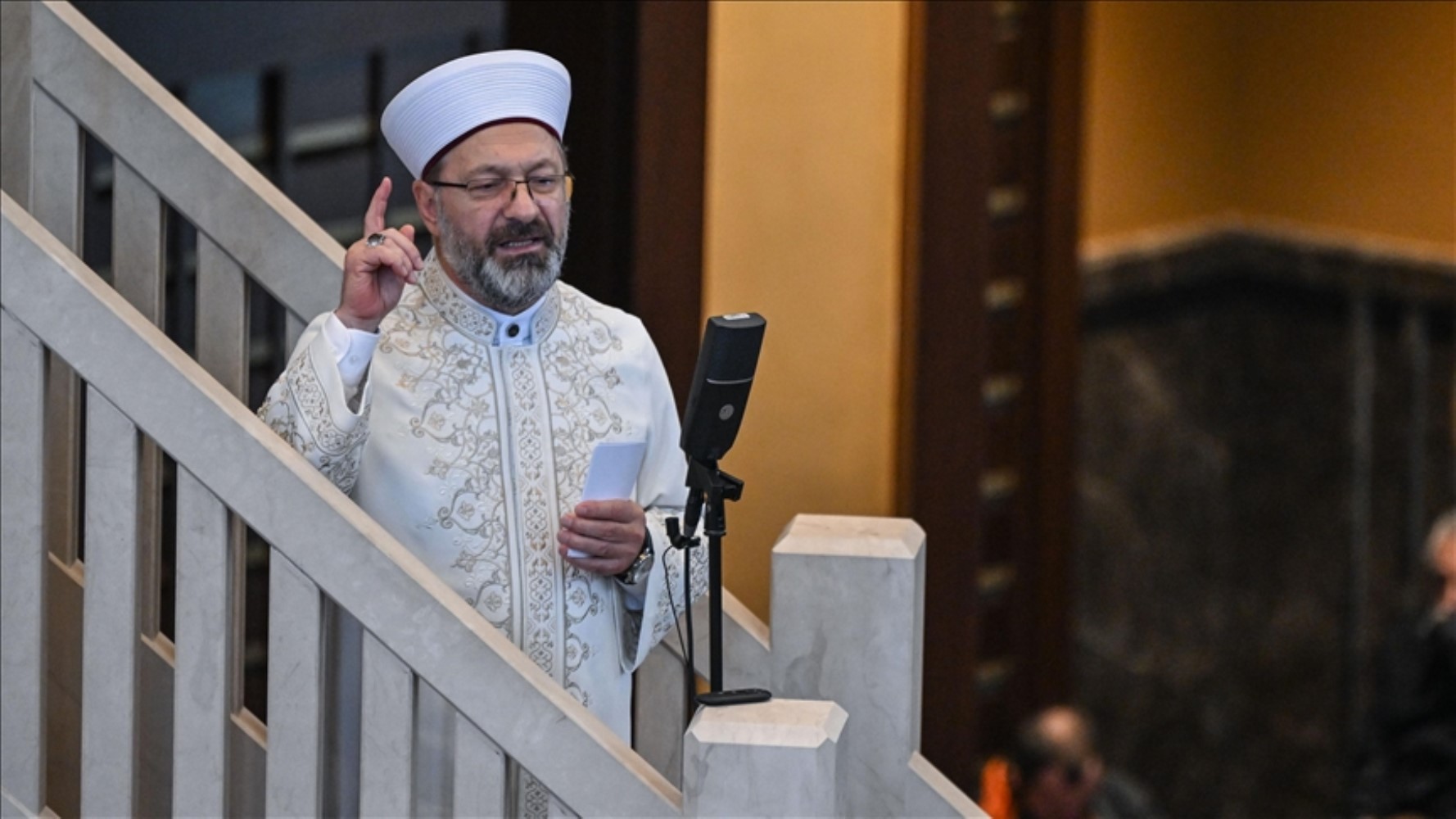
In the Friday sermon dated June 27, 2025, it was emphasized that public property is the “right of the orphan whose hair has not yet grown,” and that the personal use of public resources is considered both a moral burden and a sin. The assignment of a private ironer and service staff for the Erbaş couple's Hajj pilgrimage clearly contradicts the message in that sermon.
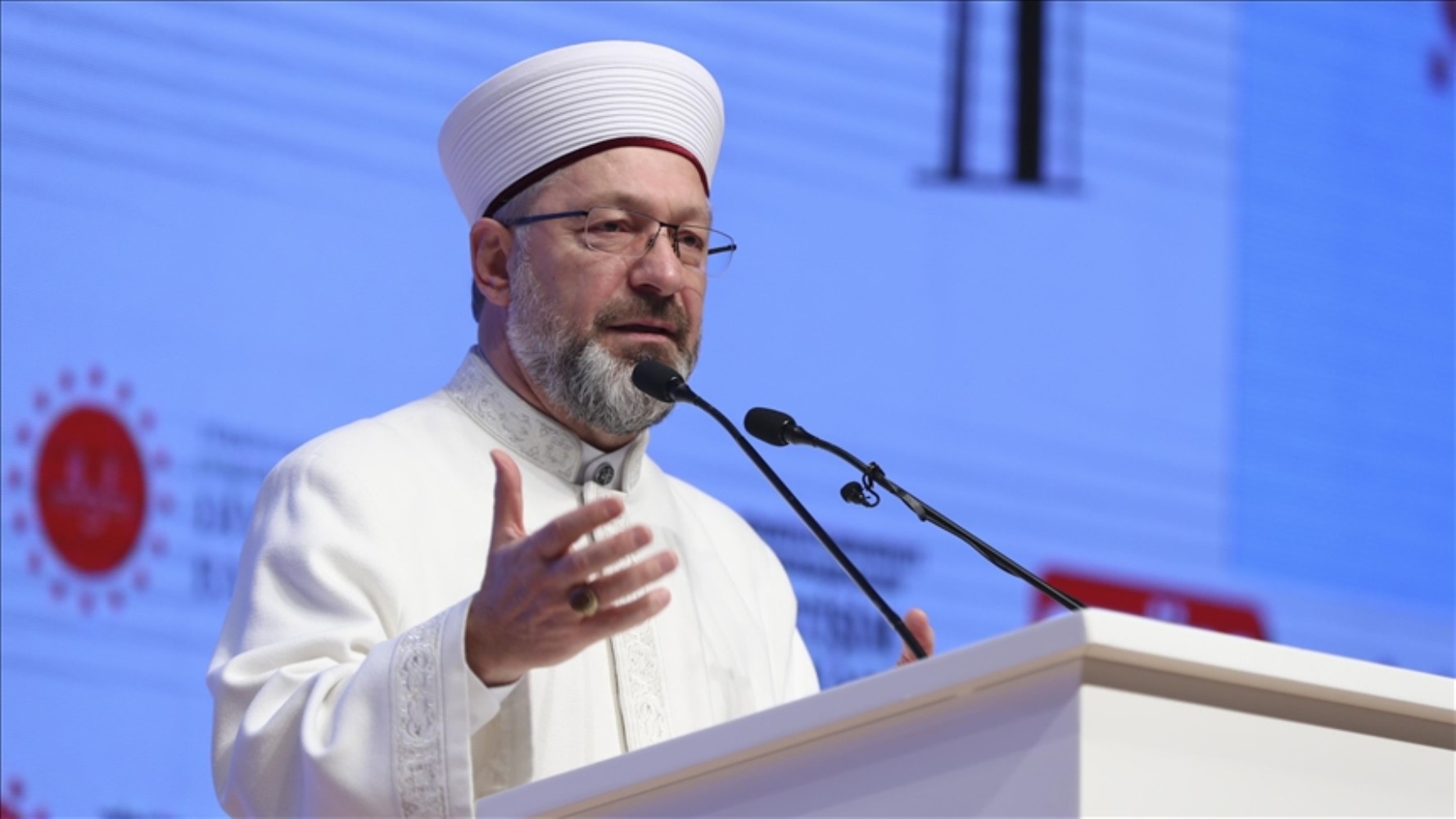
The sermon included the following statements:
“Public property is the right not only of those who are alive but also of children who have not yet been born. Using these goods in a personal and arbitrary manner is a great sin.”